By Sarah Eager
For centuries, our understanding of the ocean has been shaped not only by science but by stories, myths, literature, and visual media. While many narratives celebrate the beauty and mystery of marine creatures, a significant number have portrayed marine predators in an ominous, threatening light. Such portrayals have had profound real-world consequence, affecting conservation efforts, fishing practices, and public perception, often to the detriment of entire ecosystems.
“Sharks are not the monsters people think they are.”
- Peter Benchley, The Guardian
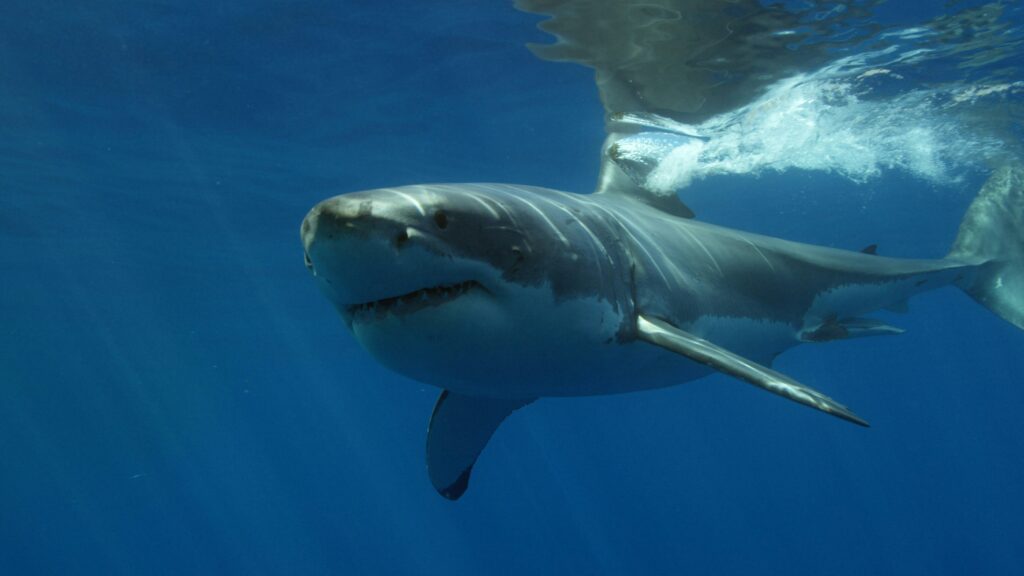
Great White Shark, by Oleksandr Sushko on UnSplash
The birth of fear
When it comes to marine animals depicted negatively, few suffer more than sharks. The widespread cultural fear started with Peter Benchley’s 1974 novel Jaws and, the following year, Steven Spielberg’s film adaptation. The story of a great white shark terrorising a sleepy beach town captivated audiences, but also instilled a lasting image of sharks as ruthless maneaters.
Most authors dream of their work having a widespread, lasting impact, but Benchley later regretted his novel. In an interview he admits, “What I know now, which wasn’t known when I wrote Jaws, is that there is no such thing as a rogue shark.”
It wasn’t until the film’s release that Jaws left an indelible mark on public consciousness, amplifying the portrayal of a merciless, lurking monster. The film became an overnight sensation, producing monster tropes that persist to this day and firmly establishing the great white shark as not just a pop culture icon, but an oceanic enemy number one. Despite this success, Spielberg echoes Benchley’s sentiments, stating that the impact on the shark population is something “I truly and to this day regret.”
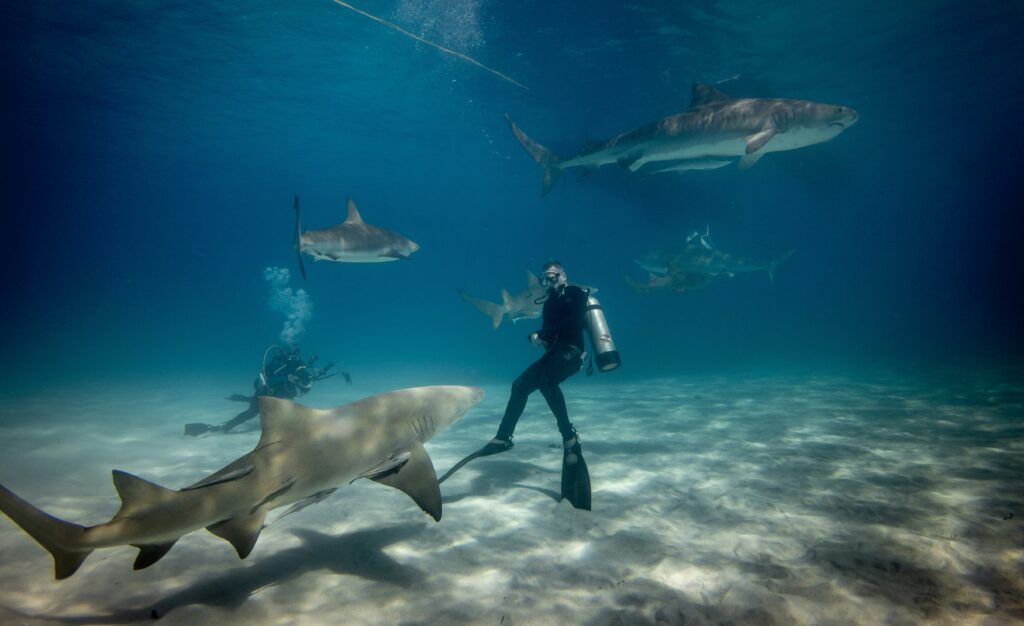
Image by Gerald Schombs on UnSplash
“During the summer of 1975 when Jaws was in hundreds of theatres across the US… we could see the fear that it was stirring up,” says Wendy Benchley, Peter’s wife and a prominent ocean conservationist. In some, this fear surfaced as a simple reluctance to go to the beach, while others chose to emulate the film’s protagonists and hunt down the creature depicted in the film.
Feeding the fear
Jaws may have helped kick off the public’s fear of sharks, but Shark Week took that fear to new heights.
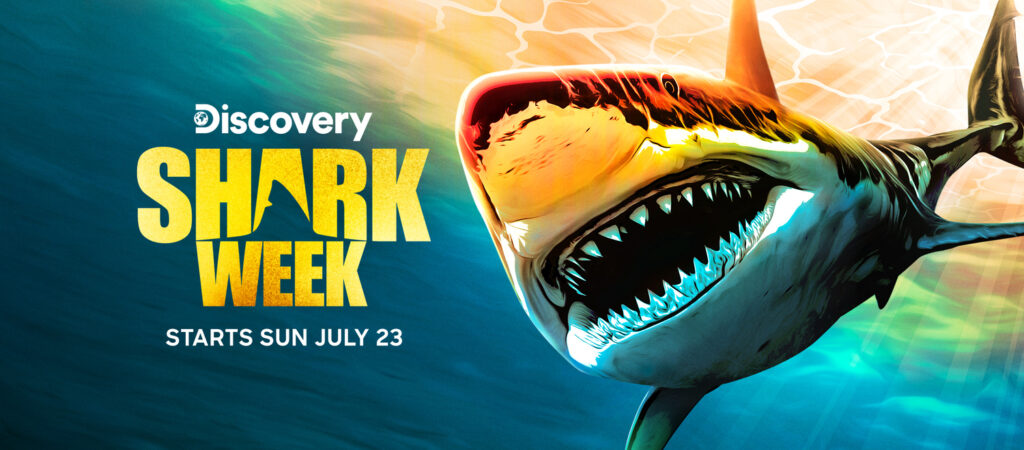
Launched in 1988, Shark Week greatly popularised sharks but also sensationalised attacks – it’s far more about spectacle than science. By consistently favouring fear-driven narratives and dramatised storytelling over balanced, factual content, the franchise has considerably shaped public perception, with serious repercussions for conservation efforts, policy, and the survival of shark populations.
White shark biologist Dr. Alison Towner, who studies shark conservation, notes that dramatised shows “may be fun, but they reinforce harmful stereotypes that make shark conservation harder.” Photographer Euan Rannachan laments “the Hollywood stereotypes they [sharks] usually get labelled with.” Sharks are vulnerable -they need protection, not fear. But fear sells.
Fear sells
“Fear is an effective framing device, particularly if the objective is to obtain an audience’s attention or support, or incite particular emotional responses and behaviour,” say researchers who look at the media’s role in public and political response to fatal human-shark interactions. This reliance on fear and excitement to drive engagement can be seen in the terminology used to describe sharks. Vivid terms like “attack”, “man-eater”, “bloodthirsty”, and “rogue” have long been used to describe sharks in literature, films, and the media, while seas with shark populations are described as “shark-infested waters”.
A study analysing Shark Week over a 32-year period looked at the frequency of words with negative connotations used in episode titles, including: “attack”, “deadly”, “monster”, and “man-eater”. The study found a high frequency of fear-mongering language and that Shark Week consistently “portrays sharks negatively, airs falsehoods, and does not adequately represent shark scientists.”
Between 1988 and 2020, almost half of all episodes contained negatively charged and sensationalised titles, and in 2002, more than 75% of episodes released featured negative words and phrases. Of the 201 episodes analysed, 74% relied on shark bites and attacks to build threat narratives, and dramatic tag lines reinforced a negative image, while less than 3% provided action-based advice for supporting shark conservation, such as donating to conservation efforts.
More than 50% of episodes contained graphic re-enactments and negative depictions, a tactic that’s found to increase viewers’ fear, often overshadowing brief conservation blurbs. Violent shark imagery leads to greater fear, making viewers more likely to support culling, beach nets, or other lethal measures -even when followed by conservation messages. Far from being an educational series, Shark Week has often functioned more like a horror franchise. It’s an editorial strategy that plays well with audiences hungry for adrenaline but poorly serves public understanding of sharks.
“It’s not doing the sharks any favours,” says Lisa Whitenack, a shark paleobiologist and co-author of the study. Additionally, the study found a significant lack of scientists and experts featured in episodes – Whitenack states that the message the creators are sending is that they’re just “not as worried about representing good science.”
Shark Week’s impact has also been documented in digital sentiment analysis. The findings from an analysis of social media posts during Shark Week seasons showed that viewers’ posts skewed significantly more negative, with a noticeable uptick in words related to “attack”, “fear”, and “hate”. The timing and scale of that negativity suggests that Shark Week actively shapes real-time public perception.
Outside of Shark Week, an analysis of 2,000 Facebook posts by Australian news and media outlets and public users’ comments found a common theme: the ocean is dangerous. Over half of the articles reported elevated public risk, with the most frequent topics being shark bites and threats; 60% of the articles analysed were framed towards the negative impacts of sharks on humans, and 46% included negative shark and human interactions. An analysis of newspaper articles from Sydney, Cape Town, and Florida to determine how the word “attack” was used in the context of sharks found that Cape Town articles included “attack” once for every 107 words. In contrast, Sydney articles used “attack” most often, an average of six times per article. Shark coverage in news media is disproportionate: over half of news stories focus on “attacks”, while only 11% discuss conservation.
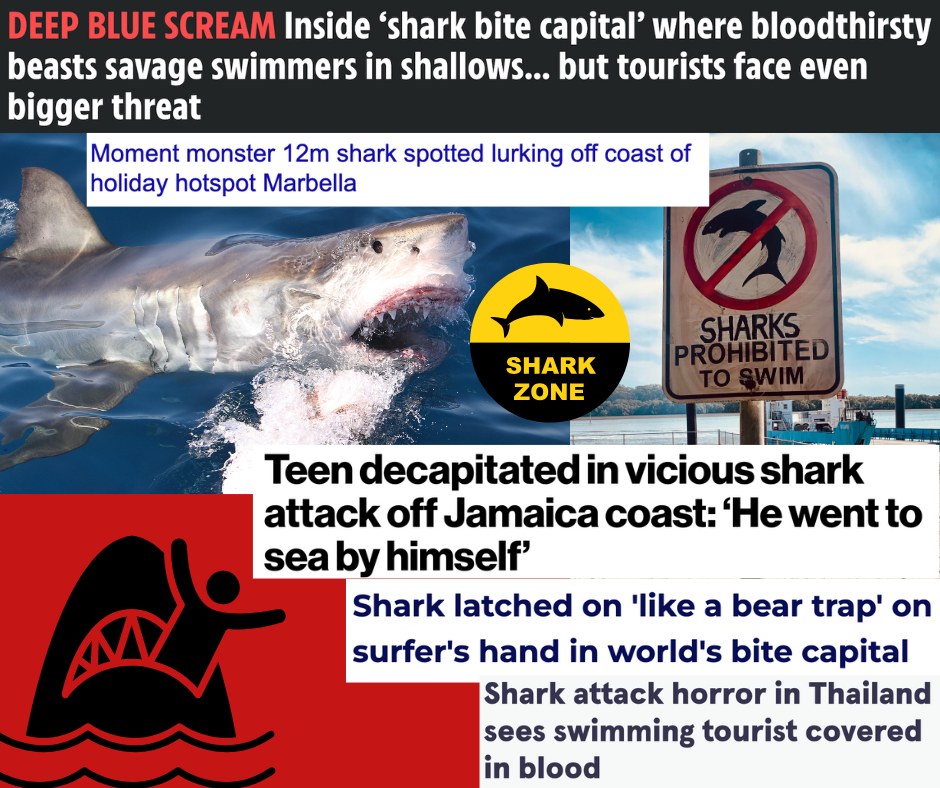
Collection of shark attack headlines
In recent years, Shark Week has slowly begun to shift its messaging, but it often falls short. While sharks continue to be more often portrayed negatively than positively, 53% of episodes mentioned, though only briefly, the importance of shark conservation and sharks’ role in the ecosystem. There’s also a greater focus on research: 75% of episodes released in 2017 were at least partly research-based compared to 100% of episodes in 2001 categorized as shark bites. Yet, the emphasis on dramatic music, shark-bite survivors, melodramatic titles, and fictionalised scenarios continues to undermine any scientific or positive content. Whitenack describes Shark Week coverage as “a whole lot of negative with a quick positive statement or a quick pro-conservation statement at the end.”
Exposure to balanced episodes increases viewers’ willingness to support shark conservation by up to 40%. Biases and misperceptions track closely with “aggregate media coverage”, and exposure to media coverage of shark bites is closely linked with beliefs that these events are common. However, Whitenack says that kind of “contradictory messaging” isn’t helpful.
Another survey by Jason O’Bryhim states that the media can play a significant role in promoting conservation, but unfortunately “media coverage of sharks has been controversial.”
“Creating positive attitudes toward sharks and their conservation is critical,” O’Bryhim claims. “Attitudes have the ability to guide, influence, direct, shape, or predict an individual’s potential behaviour toward a species and its conservation.”
Looking at 2025’s Shark Week line-up, there’s likely little chance of shaping positive public attitudes, with titles such as: “Great White Reign of Terror”, “Florida’s Death Beach”, “Attack of the Devil Shark”, “Great White Assassins”, and “Death Down Under”.
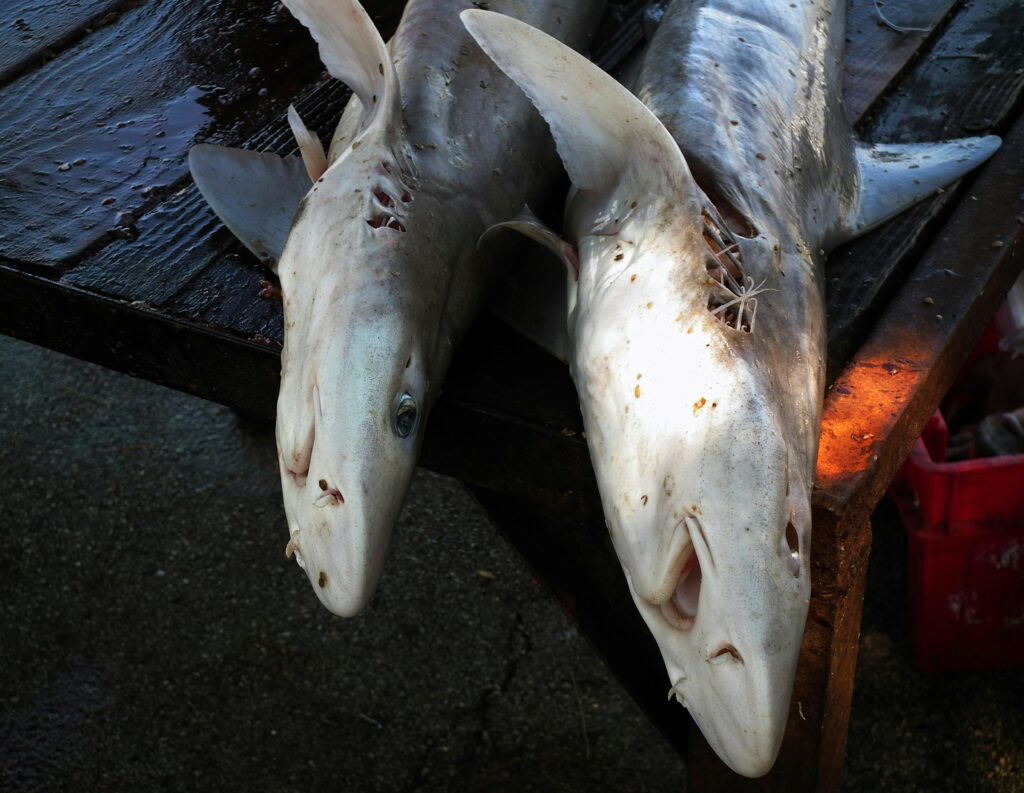
Image by Lothar Boris Piltz on UnSplash
Meanwhile, other documentaries, like Blue Planet II (2017), narrated by David Attenborough, have painted a much more nuanced picture of marine life. Attenborough emphasises that the ocean is not a place of monsters, but a delicate ecosystem that we must strive to understand and protect. Blackfish (2013) shows us the pivotal role media plays in shifting public perception. The film’s impact led SeaWorld to end its orca breeding programs and shows, while attendance dropped by 84% following its release – proof that the media can spur positive change.
Real world impact
“Once people felt that sharks could come after them, fear of sharks skyrocketed in a way never seen before.”
– Christopher Pepin-Neff
The consequences of these media frenzies are tangible. Fears, fuelled by the media, result in dramatic reductions of shark populations. The Food and Agriculture Organization (FAO) estimates that, globally, 100 million sharks are killed each year, with overfishing and finning driven by a combination of demand and fear-based policies. Many shark species have seen population declines of up to 90% in recent years, and sharks and rays are now some of the most threatened species, in large part due to “overexploitation exacerbated by negative human perceptions.”
These fictionalised narratives have even been weaponised to influence controversial Western Australian shark-culling policies, killing tens of thousands of sharks annually due to ill-perceived threats to humans. In Florida, where shark attacks have often been sensationalised in the media, shark hunting was legalised and expanded, killing thousands of sharks per year. This so-called ‘Jaws’ effect rests on three perceived tenets: “the intentionality of the shark, perception that these events are fatal, and the belief that ‘the shark’ must be killed.” Fear of sharks is directly related to whether people think the shark is intentional in its actions.
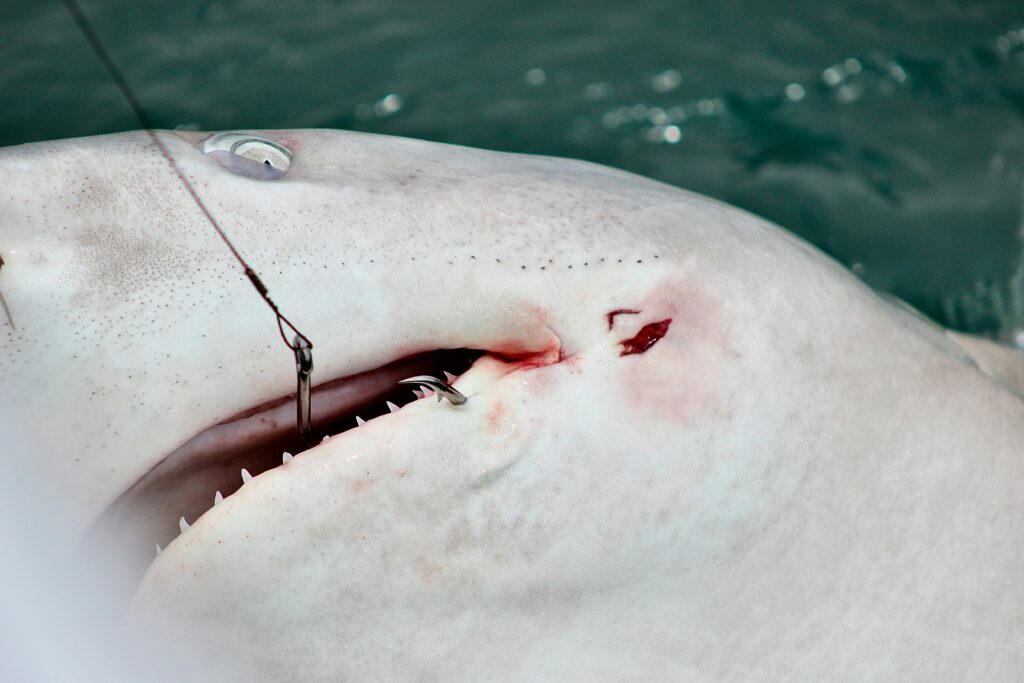
Image by Hvlck NubrW on UnSplash
Similarly, shark hunting and sporting events like Monster Shark Tournaments off the US East Coast feed the perception of sharks as conquests, the killing of which constitutes some kind of legitimate civic duty.
Local fishing communities often support culling, citing safety and protection of fish stocks. But, as apex predators, sharks occupy vital ecological roles. They regulate marine ecosystems and maintain balance and biodiversity, contributing to the overall health of the ocean. Yet, unfair depictions have led to alarming declines worldwide. Removing apex predators destabilises marine food webs, causing prey species and mid-level predators to proliferate, and introduces imbalances that can devastate reefs, seagrass beds, and even collapse fisheries. These trophic disruptions reduce ecosystems’ resilience to stressors, including climate change.
An analysis of shark population data in the Northwest Atlantic Ocean found that of the sharks present, 11 species consumed cownose rays. Over a 30-year period, all 11 shark species declined significantly; meanwhile, the cownose ray population experienced a rapid resurgence along the Mid-Atlantic coast and in the waters surrounding North Carolina bay scallop fisheries. This population increase is due to the steep decline of the sharks that prey on these rays, say researchers. As these rays breed unchecked, their demand for prey (clams, oysters, scallops) has outpaced the ability of the prey species to replenish its own stock. The shark’s regression can be felt all through the food chain – bay scallop numbers fell so low that North Carolina had to close its scallop fisheries that had flourished on its shores for well over a century.
Similarly, in Japan, intense fishing of apex predators caused a population boom of longheaded eagle rays. This increase, in turn, decimated both wild and maricultured shellfish stocks. Coral ecosystems have equally seen profound disruptions, with shark population declines threatening 11% of ecological functions and approximately 18% of megafauna species by the end of the century.
Rewriting the story
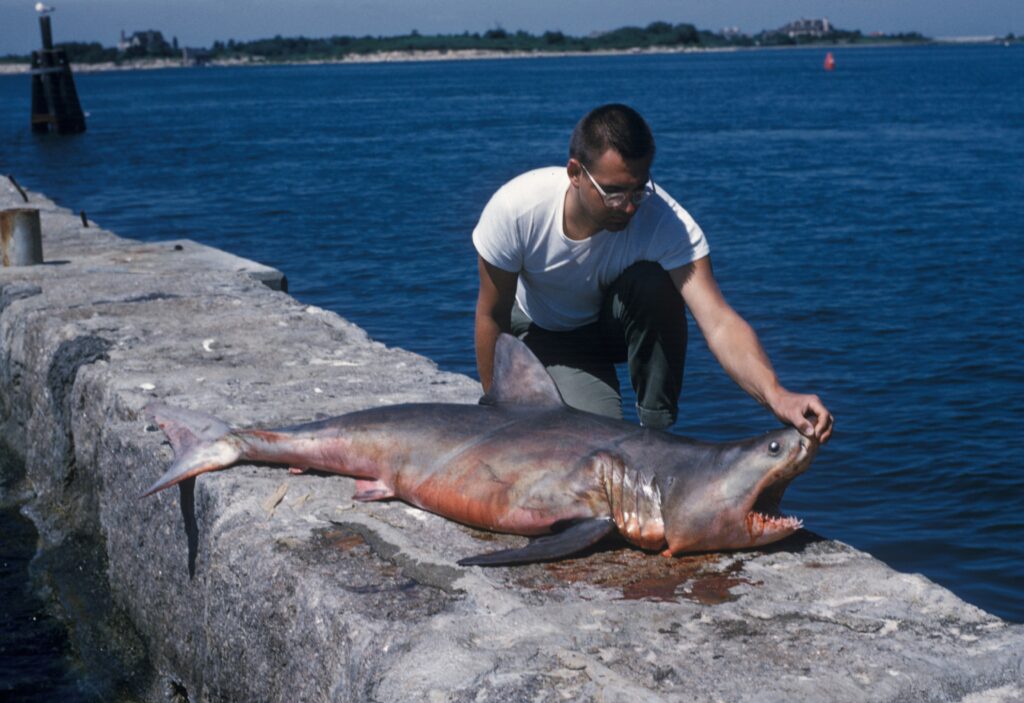
Image by NOAA on UnSplash
The history of marine life in media is a story of fear, misunderstanding, and exploitation. From Jaws to Shark Week, these portrayals have shaped behaviours that damage marine populations and ecosystems.
When fear prevails over facts, representation is sacrificed for ratings, and entertainment side lines conservation, sharks suffer. Still, the opportunity exists: Shark Week can recalibrate its lens, prioritising conservation narratives, balancing thrill with truth, and offering clear paths for viewers to support marine initiatives. With millions watching every summer, transforming fear into fascination isn’t just good storytelling… it could help reverse devastating shark population declines.
Take a look at our ‘Save The Ocean – Save Sharks’ collection.
Scotland is poised to make legal history with the introduction of the Ecocide (Prevention) (Scotland) Bill, the world’s first national-level legislation to formally criminalise ecocide. This political pioneering move represents a significant advancement in the advancement of environmental jurisprudence and signals a new era in the legal recognition of ecosystems—particularly the ocean—as entities deserving of protection from severe environmental harm.

Image by k-mitch-hodge on Unsplash
Defining Ecocide: A Legal and Moral Evolution
Ecocide, broadly defined as severe, widespread, or long-term damage to the environment, has long been advocated by environmental lawyers, Indigenous communities, and climate justice movements as the missing “fifth international crime” alongside genocide and crimes against humanity. Scotland’s legislative initiative lead by Monica Lennon, now brings this concept into enforceable domestic law, setting a powerful precedent on the global stage.
Legal Implications for Ocean Rights
The implications for ocean rights are profound. Traditionally viewed through the lens of resource management and economic utility, the ocean, namely our British Seas have remained largely outside the scope of any rights-based legal frameworks. However, the codification of ecocide provides a legal structure that implicitly acknowledges the intrinsic value of marine ecosystems and their entitlement to protection from destructive human activity.
By criminalising actions that result in mass marine degradation—such as large-scale oil spills, deep-sea mining, bottom trawling and industrial overfishing—the Bill opens the door for recognising oceans as rights-bearing entities. This aligns with growing global movements to grant legal personhood or enforceable protections to natural systems, including rivers, forests, and now, potentially, the seas.
Notably, The Ocean Rights Coalition (UK)—a leading UK alliance of scholars, NGOs, Non-Profits, companies, environmental organisations, and all-round ocean advocates—welcomes the Bill as a landmark opportunity to step forwards, toward embedding ocean rights within legal systems. The Coalition has emphasised that this legislative effort marks a foundational shift in how marine ecosystems will be valued and defended.

Image by Colourblind Kevin on Unsplash
Advancing the Ocean Rights Agenda
The ecocide legislation also advances the broader ocean rights agenda, which advocates for shifting from anthropocentric environmental governance toward one that is ecocentric and justice-oriented. Through this legal lens, the ocean is not merely a passive backdrop to human activity but a subject worthy of legal consideration and protection.
Notably, this law provides:
- Legal accountability: Holding individuals, corporations, and state actors criminally responsible for activities causing serious marine harm.
- Preventive power: Shaping environmental impact assessments and decision-making processes to prioritise marine protection over economic expediency.
- Global influence: Creating a model for other nations and international bodies, including the International Criminal Court, to emulate or build upon.
A Tool Against Marine Environmental Harm
The potential applications of the Ecocide Bill in the marine context are wide-ranging. From prosecuting catastrophic oil spills and unregulated seabed mining to confronting plastic pollution, ocean acidification, and habitat destruction, the law offers an unprecedented legal mechanism to confront environmental crimes that have, until now, been addressed mainly through civil or administrative means.
In particular, ecocide laws address:
- Cumulative and systemic harm that often evades regulation under sector-specific marine laws.
- Long-term ecological damage, providing grounds for prosecution even in the absence of immediate human victims.
- Transboundary impacts, recognising that oceanic degradation often spans jurisdictions and affects global ecological stability.
Scotland’s Role on the Global Environmental Stage
By moving to legislate ecocide, Scotland positions itself as a global leader in environmental justice and legal innovation. This initiative is not only a legal milestone but a moral statement: that the degradation of the natural world, particularly of the ocean—a cornerstone of planetary health—should be treated with the gravity of a crime.
The Scottish Bill serves as both a national safeguard and an international catalyst, encouraging other jurisdictions to consider ecocide laws as a viable and necessary response to the escalating climate and biodiversity crises.
Conclusion
The Ecocide (Prevention) (Scotland) Bill represents a historic opportunity to reframe humanity’s legal relationship with the ocean. By recognising ecocide as a punishable crime, it affirms that the health of the ocean is not merely a matter of policy or conservation—but one of justice, rights, and accountability. As this legislation progresses, it may well serve as the foundation for a new era of marine legal protection and planetary stewardship.
For further updates on the Ecocide Bill and related developments in environmental law and ocean rights, follow official releases from the Scottish Parliament and contributions from advocacy groups such as The Ocean Rights Coalition (UK).
According to the Protected Planet Report 2024, around 17% of land and inland waters globally are protected today. When it comes to the ocean and coastal waters, we’d expect this percentage to be higher as the ocean covers 70% of the Earth. Unfortunately, this isn’t the case. Only 8.4% of our blue planet is protected. This percentage is already small and, within this, 2.8% is effectively safeguarded, according to a study released in October 2024.

Image by ratucette from Pixabay
Furthermore, established Marine Protected Areas are under threat across the world, with the latest one being US President Donald Trump’s recent decision of allowing commercial fishing in the Pacific Islands Heritage Marine National Monument. Why are we still failing to take ocean protection seriously?
There are many levels of protection granted to natural spaces. Protected areas in the ocean are referred to as Marine Protected Areas (MPAs), which can be compared to national parks on land. MPAs play, in theory, a vital role in ensuring the conservation and protection of marine ecosystems and wildlife.
Safeguarding the ocean has never been more important as we face unprecedented biodiversity and climate crises, with around 37% of fish stocks overfished, a decline in shark and ray species of 71% since the 1970s, and a 50% loss in coral reef numbers since 1870. According to the State of the Ocean Report 2024 over half of all, and 72% of threatened, species have been reported in MPAs, underlining their huge importance.
MPA is a generic umbrella term, and there are many types. Some MPAs are designed to protect biodiversity and specific marine habitats, while others focus on historical and cultural features. Some examples are Special Protection Areas (SPAs) with marine components to protect birds; Marine Nature Reserves (MNRs) that conserve marine flora, fauna and geological features while providing research and study opportunities; No Take Zones (NTZs), where all extractive activities are prohibited, such as fishing and drilling; to name a few.

Image by Jutta Wilms from Unsplash
In the UK, there are also Highly Protected Marine Areas (HPMAs). Launched in 2023, these allow the protection and recovery of marine ecosystems by prohibiting extractive and destructive activities, such as commercial and recreational fishing, dredging, construction and anchoring. There are three pilot sites in English waters: Allonby Bay, North East of Farnes Deep, and Dolphin Head. Along with No Take Zones, these offer the highest level of protection for marine areas. Sadly, despite the UK having 207 MPAs, this effective protection is only granted to five of them.
The same pattern unfolds worldwide with 5.6% of global MPAs offering little to no protection – they’re so loosely regulated that harmful practices are still allowed within their boundaries. While 5.6% might not seem like a substantial number, it’s important to remember that it represents well-over half of the area designated as protected (8.4%) in oceanic and coastal waters.
Recent reports analysed 90% of the global marine protected areas and found that a quarter of these are unregulated and unmanaged. Effective management and regulation of MPAs should be the minimum expectation for a “protected area”, ensuring harmful human activities are prohibited, enforcement is upheld, and monitoring prevents them from becoming mere paper parks.
Over a third of MPAs allow industrial activities such as large-scale commercial fishing
The real issue with MPAs lies in a glaring contradiction: over a third of them worldwide allow industrial activities like large-scale commercial fishing, which is one of the leading drivers of ocean biodiversity loss. This directly undermines marine conservation efforts and contradicts IUCN’s guidance that any industrial activity and infrastructural developments aren’t compatible with MPAs and should be excluded from such areas. Moreover, it should come as no surprise that bottom trawling is allowed in many protected areas. Bottom trawling is the most destructive type of commercial fishing, in which heavy nets are dragged along the seabed, destroying fragile habitats and indiscriminately catching marine life, both target and untargeted species.

Image by Fer-nando from Unsplash
A Greenpeace report from 2022 found that vessels with bottom towed gear spent over 47,000 hours fishing in UK offshore MPAs in 2021. This number has decreased in 2023, but is still a shocking and significant figure: more than 33,000 hours of suspected bottom trawling, according to Oceana UK. The same Oceana report showed that over 100,000 hours of industrial fishing took place within offshore MPAs in the UK in 2023, with only 10 fishing vessels responsible for over a quarter of the suspected bottom trawling activity. The Labour government has been rightly criticised for delaying its promise to ban bottom trawling from UK’s MPAs.
Unfortunately, it gets worse. A more recent Greenpeace investigation published earlier in March 2025 found that in the past five years (from January 2020 to January 2025) 26 supertrawlers spent 37,000 hours fishing in 44 UK offshore MPAs. These giant factory ships are usually over 100 metres in length and can catch tonnes of fish and marine life with their kilometre-long nets.
This could have been prevented. Since Brexit, the British government had the opportunity to enforce stronger ocean protections but lacked the political will to act.
The wider European picture doesn’t look much better. A report conducted by The Marine Conservation Society found that 4.4 million hours of bottom towed fishing took place in MPAs between 2015 and 2023 in Denmark, Germany, Ireland, Netherlands, Portugal, Spain, and Sweden. France is also being widely criticised by environmental NGOs for extremely serious reasons.
The country, which is the world’s second largest maritime territory after the United States, effectively protects less than 0.1% of its metropolitan waters. Most French MPAs are located in remote areas where there’s little human activity, such as the Southern Ocean, instead of coastal areas which are severely threatened by pollution, industrial fishing and habitat loss. Moreover, destructive fishing practices continue to happen in French MPAs – in 2021, 47,2% of industrial fishing activities took place in MPAs.
The greatest danger, however, comes from its classification of protection levels – 11 in total – which don’t comply with scientific advice and IUCN’s framework of six categories. So many levels but, sadly, not one of those prohibits industrial fishing. Another extremely concerning point is its case-by-case protection approach, which sends different and arbitrary messages – none of which puts the ocean in first place. Not only that, but France is now campaigning for other countries to follow its lead and adopt this failed approach that only protects industrial fishing companies.
However, there’s hope. The 2023 EU marine action plan recommended member states phase out bottom trawling in MPAs by 2030. Also, Greece became the first European country to ban bottom trawling in all its national marine parks and protected areas in April 2024, with Sweden following suit a few months later and becoming the second one.
Elsewhere, Australian MPAs also suffer from a lack of real protection. Although they cover 52% of their waters, harmful activities such as mining and commercial fishing are allowed in 30% of the nation’s waters. The announcement of plans to expand the protection of the marine park around the Heard and McDonald Islands while still allowing commercial fishing in these same waters was met with understandable scepticism by conservationists.
On the other side of the globe, US President Trump, who’s been cutting back on the country’s environmental promises, projects and organisations, recently issued an executive order to open a vast marine protected area to commercial exploitation, as we mentioned previously. The area in question, the Pacific Islands Heritage Marine National Monument, was first established in 2009 and is home to protected and endangered species and pristine coral reefs. Taking it a step further, Trump called for a review of all other marine national monuments to assess if they should also be opened to commercial fishing, undermining scientific advice and efforts to protect marine ecosystems.

Image by Christian Paul Stobbe from UnSplash
Fully protected areas have 30% more fish
Partially protected areas fall short, failing to deliver the biodiversity, climate resilience, and economic benefits of fully protected zones. An 2021 Australian study found that partially protected areas had no more fish, invertebrates or algae and were no more of an attraction to visitors than unprotected areas. On the other hand, fully protected areas had 30% more fish and saw twice as many divers and more than three times as many snorkelers compared to unprotected areas.
The percentage of protected areas both on land and at sea are key metrics to assess the 30×30 target. The 30×30 target was agreed at the COP15 UN Biodiversity Conference in 2022, aiming to have 30% of land and seas protected by 2030, with more than 100 countries signing up to the commitment. Unsurprisingly, little has changed in the past couple of years: there’s been an increase of only 0.5% of global marine areas under protection.
The 2024 report On track or off course? Assessing progress toward the 30×30 target in the ocean revealed that only 14 countries have designated more than 30% of their waters as protected areas, the UK being one of those with 68% of its waters protected. From this percentage, 39% are considered effectively protected. This successful example, however, is largely due to 90% of UK’s MPAs being in overseas territories, such as the Pitcairn Islands, Tristan da Cunha, and South Georgia. These have greater levels of protection than domestic waters.
The same is true for American fully and highly protected areas with 99% located in distant waters. This practice safeguards important marine habitats and has the advantage of protecting large remote areas rich in biodiversity where extractive activities haven’t heavily impacted ecosystems yet. However, it misses the opportunity to focus on coastal areas which are constantly and severely affected by human activities, waters which coastal communities’ livelihoods depend on. Coastal MPAs that allow low-impact activities such as diving, snorkelling, and subsistence fishing can provide biodiversity and economic benefits, and are vital for reaching global conservation targets.
Ocean protection has consistently been an out of sight, out of mind issue, but this is slowly changing. A 2024 poll commissioned by Oceana and Seas At Risk found that 86% of citizens expect their political leaders to prioritise the protection of marine biodiversity. It also revealed that 90% of people believe that marine protected areas are a necessary tool to protect marine biodiversity, and 73% of citizens would support banning bottom trawling in EU MPAs. It’s past-time that governments and policy-makers act on the wishes of their people and allow for governance that protects rather than destroys biodiversity.
What should be done?
We need more and better managed marine protected areas that follow the IUCN’s guidance on banning all extractive and destructive practices within their boundaries, allowing these areas to fully recover. Not only that, but we need to ensure a range of ecosystems are protected, from coastal areas to the deep sea, providing marine corridors that act as safe havens for migratory species. To better understand the impact of these protected areas, it’s vital to closely monitor, standardise and share data collection to better inform policies and practices globally.
Local communities and Indigenous Peoples must have a seat at this table. While they’re the first ones to be impacted by land and ocean governance policies, they’re usually the last ones to be heard – if they’re heard at all. Their needs, perspectives and knowledge should be considered. They have nurtured a healthy and sustainable relationship with nature for millennia, we need to learn from them.
A healthy ocean is vital for nature and the planet, but equally to us and our livelihoods. Ocean protection affects us all and therefore, should be a common goal, regardless of the sway of powerful extractive industries. Conservation policies and fisheries management are intrinsically linked and should be worked and looked at as inseparable. A depleted, barren marine ecosystem doesn’t provide any profits or economic benefits, let alone a life support system for our failing ecosystems.
Effective and sustainable ocean governance is no easy task. The desire for ever-bigger profits, conflicting interests and legislation, lack of political leadership and resources are some of the many issues contributing to the current state of the marine environment. On the other hand, there’s no lack of great scientific advice and desire to turn the tide by conservationists and NGOs, and this is how we’ll effect change. We must remember that ultimately, we don’t have another option therefore the urge to extract from the ocean must be outweighed by a commitment to protect it.
38 million tonnes. That’s not an accident; that’s a catastrophe. A staggering figure, likely underestimated, that represents an oceanic massacre on an unimaginable scale. Deemed collateral damage by the commercial fishing industry, this isn’t just about numbers; it’s about dolphins, whales, turtles, seabirds, sharks, and countless fish. Sentient beings swept aside like they don’t matter. These are the ‘unintended’ victims of bycatch, a term the industry uses to soften the brutal reality. Their lives are nothing more than incidental losses in the pursuit of profit because some lives are deemed less valuable.

What else died for your meal? – bycatch design by Teemill for Blue Planet Society – support our campaign with the latest bycatch design in the Blue Planet Society store.
The most common definition of bycatch is the incidental capture of non-target species. Bycatch — a word that sounds almost harmless, like a minor mishap. Just the “incidental” capture of non-target species. But let’s strip away the euphemisms and confront the brutal reality. Picture this: if 38 million tonnes of terrestrial wildlife were wiped out each year, slaughtered in the pursuit of a single species, would we still dismiss it so easily? Imagine lions, wildebeest, leopards, birds, monkeys, and elephants all dying needlessly just to capture antelope. The outrage would be deafening. So why is it any different when it happens in our ocean? Why do we turn a blind eye?
Using deliberately vague terms and hiding behind a smokescreen of technicalities and loopholes is standard practise for the fishing industry. Making the mass slaughter of wildlife a grey area, which shifts and bends to suit how a fishery is run is a scandal. This isn’t just a debate over definitions; it’s a deliberate strategy to blur the lines, to mask the true scale of destruction happening beneath the surface. Bycatch isn’t a technical issue — it’s an ethical one, and until we stop playing word games, the ocean will keep paying the price.
The lack of a clear standard leaves room for harmful practices, and can be summarised in Dr. Steven Murawski’s, renowned ocean scientist, quote in which he talked about this issue over thirty years ago: “yesterday’s bycatch may be tomorrow’s target catch”.
According to the 2009 article ‘Defining and estimating global marine fisheries bycatch’ by WWF, inconsistencies of what is and isn’t a target species leads to confusion in measurement and data. Therefore, it presents a new definition for bycatch as “catch that is either unused or unmanaged”, where ‘unused’ includes discards and wasted catch that is neither sold nor directly consumed, and ‘unmanaged’ refers to catch that doesn’t have specific management to ensure its sustainability. This new definition, focusing on fisheries sustainability and management, aims to clarify the term and set a clear, global standard that’s easier to understand and monitor.

Image credit: common dolphin washed ashore, via CSIP, ZSL and MCGA.
While it’s true that wherever there’s fishing, there’s bycatch, some types of gear pose greater dangers to marine lives than others, especially ones that are highly unselective and cover large areas at one time. Longlining is one of these. This fishing technique uses single lines that can extend for up to 80 miles long, with several baited hooks branching off the main line. The bait attracts not only target species, which are usually swordfish, tuna and halibut, but also seabirds, sharks, rays, and turtles. The average bycatch rate for longline fishing is more than 20% of the total catch. Not to mention that longlines are often lost in the ocean, continuing to kill marine life due to entanglement.
Gillnets are another example of extremely harmful gear. These mesh nets can be either anchored to the bottom or left to drift, forming a wall that catches fish and other marine life by getting them stuck in the holes around their gills. Like longlining, gillnets are highly unselective, covering several miles up to 100 feet deep. They are most common in the Indian Ocean and pose a threat especially to sharks, with 64% of shark catches recorded by the Indian Ocean Tuna Commission being caught in gillnets. These are also the highest gear category globally for cetacean bycatch. Due to their impact in wildlife, these have been banned in the high seas since 1991 by the United Nations.
We can’t forget bottom trawling, a practice as destructive as it is indiscriminate. Enormous, heavy nets dragged mercilessly across the ocean floor, ripping apart coral reefs and marine habitats that have taken centuries to form. This is more than just an unsustainable fishing technique; it’s a full-scale assault on marine life. Everything in the path of these nets is caught, crushed, or killed, leaving behind a barren, lifeless seafloor in their wake. Entire ecosystems are destroyed in a matter of hours, and the damage they leave behind can be permanent or take decades to recover. According to marine scientist Juan Mayorga, at least 437 million tons of non-target species have been unintentionally caught in these nets.

National Observer Program, NMFS/SEFSC, Public domain, via Wikimedia Commons
Bycatch has devastating impacts in marine wildlife populations. In some fisheries, the percentage of bycatch outweighs the amount of target catch: a shocking rate of four to one has been recorded in the Gulf of Mexico shrimp trawl fishery, meaning that for every pound of shrimp caught, four pounds of other species also had to be caught. Unfortunately, some species are at the brink of collapsing due to these destructive fishing practices and bycatch.
One of the most well-known examples is the vaquita, the world’s smallest and most endangered cetacean in the world. This species, which lives in the Gulf of California in Mexico, has seen its population decimated, going from 567 in 1999 to an estimate of nine in 2019, due to illegal fishing for totoaba. The totoaba fish has a high value in Asian markets as it’s believed that its swim bladder has medicinal properties. Despite being illegal since 1975, illegal totoaba trade persists. The most common gear used to catch totoaba are gillnets, which are the key driver behind the vaquita’s near extinction.
Going from Mexico to the UK, cetaceans are also highly impacted by bycatch in British waters. Estimates indicate that over 1,000 cetaceans are killed every year in UK fisheries, with the most impacted species being the harbour porpoise, common dolphin, minke and humpback whales. Gillnets again pose the biggest problem. Despite being a very small proportion of UK fisheries (around 2%), they are the biggest cause of cetacean bycatch. Trawling in the Bay of Biscay causes the death of up to 9,000 common dolphins per year, and creels (pots and traps) designed to catch shellfish species in many locations also present an entanglement risk to large whales, such as minke and humpback.

Iakov Kalinin iStock
Reducing bycatch is no easy task. As mentioned previously, monitoring and gathering data is extremely difficult, and multi-stakeholder action is needed to make any kind of progress. While the UK Fisheries Act 2020 was an important recognition of the problem as it meant the government committed to minimise and eliminate bycatch of sensitive species, it failed to provide an outline of measures and actions necessary to achieve this goal. Two years later, in 2022, the Marine Wildlife Bycatch Mitigation Initiative was published. Another step in the right direction, however, the lack of effective action and direction garnered criticism amongst conservationists. The document highlighted actions that authorities could take, with no measurable objectives or timescales for implementing and enforcing such actions.
The current bycatch numbers in the UK are only estimates. Despite the legal requirement since November 2021 for all vessels licensed to fish in UK waters to report marine mammal bycatch to the Marine Management Organisation (MMO), in 2022, fishers have voluntarily reported only 19 incidents, far below what’s estimated by experts. As less than 5% of UK fisheries have targeted monitoring for protected species bycatch, these numbers are likely to be higher than the 1,000 cetaceans mentioned and the projection of 1,800 to 3,300 guillemots that are killed every year due to fishing activity.
Despite being a complex issue, bycatch can and should be minimised and ideally eliminated. Where there’s a will and effective management, this can be achieved. A great example comes from Namibia, where the Albatross Task Force helped reduce seabird bycatch by 98% through engagement actions and government regulation.
There are plenty of bycatch mitigation measures that can be used, one of these being fishing gear modification, such as ‘circle’ hooks, which are less likely to be swallowed by turtles than the common J-shaped ones. In a 2013 study published by ZSL, researchers found that circle hooks reduced bycatch rates of leatherback turtles by 91% in the Portuguese swordfish pelagic longline fishery. Gear modifications such as weighted lines and side-setting in the Hawaiian longline tuna fishery not only decreased bycatch rates of black-footed-Laysan albatross in 67% but also presented several operational benefits, according to this same study.
Measures such as these tend to be well-received by fishermen, as they allow them to keep fishing and avoid potential fishery closures.
Pingers, or acoustic deterrent devices (ADD), can also be implemented as a cetacean bycatch mitigation initiative. These may alert marine mammals of fishing gear and drive them away. They have been widely adopted in gillnet fisheries but also trialled in trawls, longlines, and creels. Pingers are required by law in some countries, including the UK, where vessels over 12m which use gillnets or entangling nets in the Celtic Sea and North Sea must be equipped with those. Its effectiveness, however, is still being discussed and studied. Pingers and acoustic deterrent devices are best suited to static gear and are not as effective on towed gear. It’s important to mention that some gear is not fit for purpose and should be removed.

What died else for your meal? – bycatch design by Teemill for Blue Planet Society. Support our campaign with the latest bycatch design in the Blue Planet Society store.
On a policy level, a requirement for Remote Electronic Monitoring (REM) on industrial fishing vessels could be extremely effective for data collection, which can lead to better fisheries management, as a reporting tool and to ensure best practice. It’s a cost-effective and reliable tool that’s been recommended as the best method for monitoring large pelagic vessels by an ASCOBANS report.
Closely linked to effective monitoring, introducing bycatch limits to fisheries is also an option. However, this requires having observers on vessels, which might not be feasible in small-scale fisheries and in countries that can’t afford such observer programmes.
While the ultimate goal should always be to eliminate bycatch, it’s also important to provide training to those involved in fisheries on how to handle bycatch and safely release animals caught in fishing gear when this happens. WWF in partnership with CMS (Convention for Migratory Species) and IWC (International Whaling Commission) developed guidelines to safely handle and release small cetaceans from fishing gear. It’s an important initiative that can be replicated to other species and help save many marine lives.
Given the lack of data and monitoring, the scale of bycatch globally is likely to be higher than the numbers presented above, which are already extremely concerning. It’s hard to imagine another industry that would accept and look the opposite way to a 40% wastage rate and to such levels of unsustainable management. We can’t forget that this wastage isn’t merely a number. It refers to an alarming rate at which wildlife has been killed year after year for the sake of profit.
Imagine any other industry “accidentally” wiping out 38 million tonnes of wildlife each year and getting away with it. Bycatch is unthinkable. Yet, it’s happening right in front of us, and the commercial fishing industry is somehow shrugging it off as business as usual. Remember, the global fishing industry receives $35 billion in subsidies annually. This is government-funded ocean destruction, the systematic removal of marine species, all for profit and an unsustainable food source. It is nothing short of a global scandal. The trade-off is unacceptable, and the time for complacency is over. Bycatch mitigation isn’t a choice; it’s a responsibility — for businesses, governments, policymakers, and law enforcement.
The brutal truth is that the bycatch epidemic thrives on a mindset of “out of sight, out of mind,” a convenient disregard for the suffering of marine life. We’ve ignored these silent victims for far too long, but ignorance is no longer an excuse. We must do better. Our ocean demands it, and the future of our planet depends on it.
Support our bycatch campaign with the latest bycatch designs in the Blue Planet Society store.
By Shannon Ray
Fin whales have swum the Earth’s waters for 20 million years. Second only to gargantuan blue whales, they are some of the largest animals in the world. Each individual can live for up to 140 years, observing changes in their waters from one century to the next, and passing down their knowledge to their children and grandchildren. They are gentle, shy, and solitary creatures, keeping to deep waters and breaching rarely. They were also one of the first cetacean species to be added to the International Union for Conservation of Nature (IUCN)’s Red List of Threatened Species, where they are classed as vulnerable to extinction. And this year, in Iceland’s waters, 128 of them will be shot and killed with explosive harpoons.

Credit: Fin whale surfacing. Aqqa Rosing-Asvid – Visit Greenland, CC BY 2.0 <https://creativecommons.org/licenses/by/2.0>, via Wikimedia Commons
After centuries of slaughter that decimated some whale species’ populations by as much as 98.5%, most of the world recognised whale hunting as a needless atrocity and supported the International Whaling Commission (IWC)’s ban on commercial whaling in 1982. However, four countries have refused to heed the ban: Iceland, Norway, Greenland and Japan. Every year, these countries kill about 1,500 whales between them.
Many rejoiced that Icelandic whaling was finally on its way out when the country’s Fisheries Minister announced in 2022 that the practice was set to stop this year. The move would have made sense: Icelanders’ demand for whale meat was dwindling, a study by Iceland’s Food and Veterinary Authority found that whales were dying slow, excruciating deaths, and only 29% of Icelanders still support the outdated industry. So it was a welcome but foreseeable move when Iceland instituted a temporary ban on whaling last year after 23 fin whales were killed, including a pregnant mother who was preparing to give birth to her calf. It was assumed that the ban would become permanent.
Astonishingly, this did not happen. Against the advice of conservationists, Iceland announced that whaling would go ahead as usual in 2024 following the expiry of the temporary ban. The government claimed that measures would be implemented to ensure that fin whales suffer less agonising deaths at the hands of whalers. But as animal welfare groups pointed out, any death that involves a grenade-tipped harpoon to the head cannot be made painless. And, of course, whale populations will continue to decline as Iceland inexplicably clings to this dying industry.
And it is dying, however hard it fights: only one whaling company remains in Iceland. The whaling company Hvalur is headed by Kristján Loftsson, who, at 80, is one of the richest people in the country. An eccentric multi-millionaire, Loftsson’s wealth comes not from whaling, but from his investments in banks and IT companies. Hvalur sells 90% of its products to Japan, recognising that there is no viable market for them at home. The Icelandic government props up one rich man’s hobby against its citizens’ wishes and at the expense of dozens of animal lives each year.

Credit: Stop The Hunt, Blue Planet Society, Teemill.
The Icelandic Ministry of Food, Agriculture and Fisheries was offered a final chance to phase out whaling when Hvalur applied to renew its operating license earlier this year. Once again, the world waited to see if Iceland would end the government-sanctioned slaughter of fin whales by denying Hvalur license to operate. But on Tuesday, 11th of June, Fisheries Minister Bjarkey Olsen Gunnarsdóttir announced to the dismay of many that Iceland would renew Hvalur’s license and sanction the deaths of over a hundred fin whales.
It’s not only fin whales who are targeted by whalers. In Norway, small and inquisitive minke whales are also under attack. Norway has attempted to boost its declining whaling industry this year by increasing the number of whales it plans to kill from 1,000 to 1,157. But with only 4% of the Norwegian population regularly consuming whale meat, these deaths are unnecessary and wasteful. Even the Japanese government has refused to buy Norwegian minke whale meat on the grounds that it is toxic, contaminated by heavy metals and dangerous chemicals.
Things are even more dire in Japan, with minke whales, sei whales, and Bryde’s whales targeted by whaling ships. Unlike Iceland and Norway, Japan did not overtly slaughter whales commercially following the IWC’s ban, instead citing a scientific research provision that enabled them to continue the hunt. But in 2019, Japan abandoned all pretense and left the IWC altogether to resume commercial whaling. Last month, they launched a new mothership that will kill at least 200 whales.

Credit: Japan’s new mothership vessel Kangei Maru, via kangeimaru.org
Much the same as in Iceland and Norway, it makes little sense for Japan to ramp up its whaling efforts. Although Japan is the world’s largest market for whale meat, this is hardly a vied-for title. There is little appetite for whale meat anywhere, and even in Japan, it accounts for only 0.1% of meat consumed. Neither is whaling a significant contributor to Japan’s economy, with only 300 people of the country’s 125 million directly connected to the industry.
Hideki Tokoro, president of the whaling company Kyodo Senpaku (which launched the new mothership this spring), has claimed that whales must be ‘culled’ to stop them competing with humans for food and to keep ocean ecosystems healthy. But precisely the opposite is true: unlike most humans, whales need to eat other marine creatures to survive, and the myth that they threaten food security was debunked decades ago. In reality, whales recycle nutrients that stimulate the growth of phytoplankton. These microscopic plants feed other marine animals, remove carbon dioxide from the atmosphere, and generate most of the world’s oxygen.

Credit: Whale meat sold at a discounted price in a supermarket in Tokyo. Syced, CC0, via Wikimedia Commons
How much of a threat do Iceland’s, Norway’s, Greenland’s and Japan’s continued whaling efforts pose to the gentle giants of our seas? The sad truth is that whaling is just one of many perils making life in the oceans increasingly difficult to sustain for whales and other marine animals. Climate change is creating warmer seas and more frequent typhoons; the fishing industry kills 300,000 whales each year by entangling and drowning them in their nets; a further 20,000 whales are killed each year in ship strikes; and noise and plastic pollution are constant hazards. We must also remember that the whales who navigate these dangers daily are only a small fraction of those who once filled our seas.
Whale populations have not fully recovered from the rampant commercial whaling that decimated them before the IWC’s ban was instituted. 17 cetacean species are still listed as endangered or critically endangered, and these new and growing threats have made recovery even more difficult. The ongoing commercial whaling carried out by Iceland, Norway, Greenland and Japan is just one more battle for these whales, who are already being pushed to their limits. To lose those who remain — the last giants of our world — would be a travesty.
Why do these countries continue to hunt whales? The products like whale oil that were once used in industry have been replaced with cruelty-free alternatives, and only a small number of people — the scarce few who are involved in the industry — want to see it continue. In Iceland, whale watching tours are becoming increasingly popular as the country’s eco-tourism industry blossoms, indicating a new and more economically lucrative direction for the country — one that will be directly threatened by Hvalur’s ongoing activity. It is possible that Iceland is learning this at last. A deeper look at this week’s unwelcome announcement reveals a glimmer of hope: Hvalur’s previous license was granted for a five-year period, but its new license is for 2024 only. Will this year be Hvalur’s last?
Whaling season will last until early autumn. After knowing just a few months of peace, whales are once again being chased and harpooned by ships from Iceland, Norway, Greenland and Japan who do not need the products they make from whales’ bodies and scarcely have a market in which to sell them. By spreading the word about the cruelty these four countries inflict on whales and urging their governments to ban commercial whaling, we can work together to make 2024 the year that commercial whaling ended for good.
Support Blue Planet Society’s Stop the Hunt campaign through our range of merchandise. Every purchase goes towards our effective activism approach. Raise awareness of the issues whales face at the hands of Iceland, Japan, Greenland and Norway. It’s time to stop the hunt.
By Phil Halper

Image credit: Clay Banks on Unsplash
For some of us, the answer to whether fish feel pain is an obvious yes. But alas, not everyone agrees. And in a world where at least a trillion fish are killed for human consumption each year, this question matters. Not only are fish killed for food, but angling is a pastime practised by hundreds of millions worldwide. Many justify these activities with the viewpoint that fish don’t feel pain, backed up by scientific studies. For example, the Sydney Morning Herald ran the article “Science debunks the myth of fish pain” with the tagline “The science is in – fish don’t feel pain. Anglers resume your pastime. Animal-rights activists retract the propaganda.” This is one of many similar articles that we can occasionally see online. But are they right?
Amazingly, the science of fish pain is relatively new. Before the 21st century, no one had researched to understand if fish have nociceptors, which are the relevant signalling pathways thought to be essential for an organism to feel pain. However, in 2003, Lynne Sneddon, Victoria Braithwaite, and Michael Gentle revealed that fish have these transmitters of pain.
But this was just a first step. Scientists often distinguish between nociception and affect, where affect refers to the emotional component of pain; that is, the sense of dislike one has when pain is present. Without affect, one can imagine organisms having an automatic response to avoid dangerous stimuli that don’t represent anything worthy of moral consideration. To probe for this, Sneddon and her colleagues elaborated an ingenious test to investigate deeper into a fish’s mind. They created a partitioned chamber with different environments. The first was barren and brightly lit, while the second had enrichment features such as plants and gravel with dim lighting. The Zebrafish studied favoured the second chamber. A harmful stimulus was applied, and the fish did not change their place of preference. However, when an analgesic was placed into the first (non-preferred chamber), the Zebrafish switched their chosen one, giving up its favoured chamber to consume the analgesics. In other words, they were willing to pay a cost to get some pain relief. A sure sign of conscious pain, or so one might think.

Image credit: Kindel Media on Pexels
This analgesic-seeking behaviour is not the only evidence for fish pain. Human beings who lack a particular gene called NTRK1, can’t feel pain and often injure themselves as a result. With today’s genetic technology, we know this gene is also present in fish. Other indicators seem to show an experience of pain. For example, fish usually show something called neophobia; in other words, they avoid novel objects. However, when they are exposed to painful stimuli, they don’t. This indicates pain changes their mental state in a similar way it does to us. They also rub the exposed areas just like we do. Fish also seem to experience anxiety, and in fact, Zebrafish are often used to screen new drugs for anxiety treatment in humans. Fish have also passed key tests for self-awareness.
Yet, the fish pain skeptics have a counterargument. They claim that the affective (emotional) side of pain is dependent upon the presence of certain cortical brain regions. The cortex enables higher thought and is especially developed in humans. It’s a relatively late evolutionary development, dating back tens of millions rather than hundreds of millions of years. One area of focus is a region that goes by the name Anterior Cingulate Cortex (ACC). This area is accosted with cognitive control and the regulation of emotions. Scans of people in emotional pain show increased activity in the ACC; if one severely damages the ACC, pain in humans can be eliminated. So, fish pain skeptics argue that the ACC is a necessary condition for pain effects, and as fish don’t have an ACC, they couldn’t experience pain at an emotional level. They believe fish ‘pain’ doesn’t matter, that it’s just an unconscious reflex.
However, any argument that depends on something being a necessary condition is vulnerable to what are known as ‘black swan’ events. For example, if someone states that most swans are white, finding a black swan won’t overturn their claim. However, if someone says all swans are white, then finding one black swan will. Similarly, if people claim that a rigid wing is needed to fly, then it makes no difference how many conventional airplanes there are, one hot air balloon will disprove this hypothesis. We can disprove the fish pain skeptics by finding one human that doesn’t have an ACC and yet still feels pain. While such patients are rare, the University of Iowa found a patient who had no ACC. This represented a unique opportunity to put the claims and disbelief of fish pain to test.

Image credit: Brian Forsyth at Pexels
Patient R experienced a debilitating Herpes simplex encephalitis that destroyed not only his ACC but other critical cortical areas as well, namely the insular and the prefrontal cortex. He had severe amnesia and much damage to his olfactory senses, and at first, this latter feature was what scientists were keen to study. However, his lack of a prefrontal cortex (PFC) eventually became the central area of research. Some theories of consciousness give a unique role to the PFC and suggested it was needed for self-awareness. These theories could be assessed by investigating R’s state of mind. Amazingly, his self-awareness, though tested extensively, seemed perfectly intact. The PFC was not needed for self-awareness after all.
If you met R, you probably wouldn’t have noticed anything unusual, unless you left the room and returned. He’d then quickly forget who you were, and you’d have to be re-introduced again. R’s apparent self-awareness made headlines worldwide as it implied complex human-type brains aren’t needed for self-consciousness. An animal without a PFC (non-mammals) can still be self-aware.
After this discovery, scientists started looking at Patient R’s pain perception. If the fish pain sceptics were right, R should have no pain affect; he might withdraw his arm from painful stimuli but wouldn’t report it as unpleasant. This is because R lacks the ACC, the insula, and the prefrontal cortex, key areas claimed as pain affect requirements.
Scientists don’t torture their patients to see if they can feel pain. A standard procedure is to ask them to place their hand in a bucket of water at zero degrees, which has a device to make it flow, stopping it from freezing. The patient is then asked to place their hand in the bucket for as long as possible but are allowed to withdraw it anytime. The ability to keep a hand in the bucket represents the patient’s tolerance to pain. Patient R’s tolerance for the bucket test was way below baseline, meaning he had an abnormally painful reaction to the stimulus, also known as hyperpathia. Scientists led by Justin Feinstein studied his withdrawal time, facial expression, heart rate, skin conductivity and interviewed him afterward. There was no doubt that he had pain affect and, more so than average. Just as the PFC was not needed for self-awareness, the ACC isn’t required for pain affect. Patient R is the fish pain sceptics’ ‘black swan’ event that we mentioned earlier.

Credit- 성두 홍 at Pexels.
The fact that the ACC lights up in pain studies doesn’t prove that it’s a necessary function for pain affect. Several other hypotheses can explain this. Firstly, it might be a coincidence as the ACC lights up in many different mental activities, so it’s no surprise that this happens during painful events also. Secondly, the ACC might light up because it’s trying to manage pain, as opposed to ‘initiating’ it.
The ACC’s importance in impulse control supports this theory. An animal without an ACC might then find the pain to be worse. Patient R’s hyperpathic pain response is further evidence to corroborate this hypothesis. A third option is that the ACC does ‘initiate’ pain but only contingently. So, in its absence, the brain will recruit something else for this essential function. Pain affect might then be subject to what’s called convergent evolution. Here, nature finds different pathways to undertake the same function. For example, we swim by using arms and legs. Fish don’t have human-like arms and legs, but they can still swim.
The fact that the ACC lights up in pain studies doesn’t mean it’s necessary to feel pain. What about those operations where the ACC was lesioned, and the pain disappeared? The results here hold up in the short term, but in the long term, we see a different picture; the pain eventually returns. This may imply the hypothesis mentioned before that the ACC is contingently involved in the pain effect. In its absence, something else will eventually take its place.
What is clear is that the higher cortical regions found in humans and other mammals aren’t needed for pain affect. The studies done by Sneddon and others cannot be countered by the lack of cortical regions. Fish and many other animals likely do feel pain. We might then rewrite the headline from the Sydney Morning Herald as follows: The science is in – fish do feel pain. Anglers abandon your pastime. Animal rights activists, resume your activities.
Watch the video
Some of the leading scientists in the field explain how they showed that fish feel pain. From the discovery of pain receptors in the early 21st century to finding a rare brain-damaged patient that enables us to dissolve the last objection of fish pain sceptics. Starring Lynne Sneddon, Mathew Parker, Phil Halper, Ken Williford, David Rudrauf, Perry Fuchs.
On paper, the UK could be considered a leading example for the protection it warrants its waters. The ‘Blue Belt’ programme safeguards over 4 million square kilometres of ocean around overseas territories. The UK is the second nation in the world, behind Palau, with the highest percentage of protected waters – 39% including overseas areas such as the Pitcairn Islands in the South Pacific, and Saint Helena, Ascension and Tristan da Cunha in the South Atlantic. However, when it comes to effectively tackling harmful fishing practices, it’s falling short on its commitment.


Frank Bonefaas, Dover, December 2021 By Nick Pope: Dolphins Aren’t Discard campaign World Cetacean Alliance and Sussex Dolphin Project
Have you heard of supertrawlers? There are currently eight Europen-registered supertrawlers licensed to fish in British waters. These are giant factory ships, usually over 100 metres in length, that can catch tonnes of fish, and whatever else is in their way, every day with their kilometre-long nets. For comparison, that’s three times the length of the Eiffel Tower. Supertrawlers can stay at sea for weeks catching huge amounts of marine life, processing and freezing the animals at the same time. Therefore, it’s not hard to imagine the devastating impacts they have on the ocean.
This scale of fishing is far from sustainable. Populations can’t recover at the same pace they’re being taken from the ocean, leading to overfishing, and creating an imbalance in the ecosystem. Over a third of global fish stocks are overfished. Overfishing destabilises the food web and causes food and economic insecurity for those who rely on the fishing industry for their livelihood and for their protein intake, especially in developing coastal communities.
Supertrawlers target pelagic fish species such as mackerel, blue whiting, and herring. However, turtles, dolphins, seals, and other animals are also caught as bycatch in these giant nets. Bycatch refers to unwanted marine life that’s unintentionally caught by a fishing vessel. It’s estimated that over 300,000 small whales, dolphins and porpoises die from entanglement in fishing nets every year.


‘How long is a supertrawler net’ infographic: Dolphins Aren’t Discard campaign World Cetacean Alliance and Sussex Dolphin Project
In 2020, the Sussex Dolphin Project recorded 17 dead cetaceans on local beaches during a period that supertrawlers were fishing along the Sussex coast. In comparison, there were only two deaths on the rest of the year when there was no supertrawler activity in the area. As scientists believe only 10% of bodies wash up on shore, the true figure is likely to be closer to 170 bycatch-related deaths in Sussex. This gives a dimension of how big the problem really is.
The Pelagic Freezer Trawlers Association (PFA), which represents eight trawler companies that fish in UK waters, claims to limit bycatch to levels below 1% “through highly selective fishing practices to detect homogenous shoals of pelagic fish”. This sounds great, however, the Marine Management Organisation (MMO), which requires all licensed vessels in the UK to report marine mammal bycatch within 48 hours, has no data whatsoever to corroborate this information. Neither does the PFA have any public record to prove it, according to the Dolphins Aren’t Discard campaign, which is a collaborative campaign by Sussex Dolphin Project and the World Cetacean Alliance. It calls on the UK Government to hold supertrawlers to account by requiring all vessels over 95m in length, operating within the UK’s Exclusive Economic Zone, to use remote electronic monitoring, make their catch records publicly available and share all data submitted to ‘sustainable seafood’ certifications.
Yes, according to the Marine Stewardship Council, supertrawlers can fish sustainably. A kilometre-long and 200-metre-wide net being dragged in the ocean and catching only targeted fish is a hard pill to swallow.
A less-known but equally damaging practice is high-grading, which is also illegal. High-grading is discarding low-value catches in order to preserve the quota for high-value fish. In 2022, the FV Margiris, one of the supertrawlers allowed to fish in the UK and the world’s second-biggest fishing vessel, dumped 100,000 dead blue whiting in the Bay of Biscay in France. This event was documented by Sea Shepherd France and The Margiris, represented by the PFA, alleged this was an accident caused by a rupture in the vessel’s net.
The PFA is one of the biggest and most powerful organisations with a fleet of 18 supertrawlers. It states that its members are “family-run companies” across Northern Europe in France, Germany, Lithuania, the Netherlands, Poland, and the UK. However, they ultimately represent the interests of three Netherlands-based companies and their subsidiaries.
Some of the trawlers represented by the PFA carry UK and German flags even though their beneficial owners aren’t based in these states. They have changed flags many times over years to take advantage of benefits and resources of different countries. While they profit from subsidies and access to fish stocks from countries whose flag they use, they give little back to the local community.


Common Dolphin, Southwick Beach, Sussex, February 2021. Dolphins Aren’t Discard campaign World Cetacean Alliance and Sussex Dolphin Project
We previously mentioned UK’s protected waters. These marine protected areas (MPAs) are sections where human activities are banned to a certain extent, allowing the ecosystem and its populations to recover and thrive. Or they should do so, at least on paper. A Greenpeace investigation found that supertrawlers spent 2,693 hours fishing in 39 UK MPAs in 2019 alone – legally.
An interesting point, to say the least, made by the PFA in a statement earlier this year about their supertrawlers fishing in MPAs was that this wasn’t an issue as “most of the MPAs are designed to protect seabed habitats” and the target pelagic fish species live in the water column. There are many reasons for specific sites being designated as protected areas, seabed habitats being only one of them. The Southern North Sea MPA in England, for example, was created to safeguard porpoises.
The affected UK MPAs are in the nation’s ‘Exclusive Economic Zone’ (EEZ), which means they’re located between territorial waters and the high seas. When these MPAs were created, the government failed to implement strong rules as the EU law limits how countries regulate their coastal waters. Even though this hasn’t been the case since Brexit on the 31st, January 2020, the government hasn’t taken any new measures to tackle this particular issue yet.
Marine Protected Areas are extremely important to ensure healthy ecosystems. While some cover open ocean areas, others are in coastlines, rivers, and estuaries. Their ultimate goal is the protection of a site and its biodiversity, allowing populations to reproduce and the food web to function properly. This then allows better and sustainable fishing practices around them as animals migrate from one place to the other. There are numerous success cases such as the Cabo Pulmo National Marine Park (CPNP) in Mexico, which has seen an increase of over 460% in the total amount of fish in a 10-year period.
The lack of proper and enforced fishing regulations is a global issue. The ocean is considered almost an outlaw space: everyone wants to explore it, but no one wants to be responsible for it. It’s divided into various zones which fall under the responsibility of different institutions with different purposes. Territorial waters extend from the baseline to 12 miles and belong to the state’s territory, while the Exclusive Economic Zone (EEZ) goes from the territorial waters up to 200 miles offshore.
The EEZ isn’t part of a country’s territory but only the coastal state can extract resources from the area. Other countries need permission to use any of those resources. After the 200-mile threshold are the high seas. The high seas, or international waters, are pretty much a free for all. Its vastness makes any kind of law enforcement extremely difficult and complex, even in the rare occasions when there’s political will. Fishing companies, legal and illegal, take maximum advantage of it, leading to depleted fish stocks.
Hundreds of thousands of marine animals die needlessly every year as result of bycatch or entangled in abandoned fishing gear. Our fish populations are dramatically decreasing. Marine species are rapidly moving towards extinction risk. This is where our ‘out of sight, out of mind’ mentality and the lack of thought about the many unsustainable fishing practices are leading us.
We need to demand better and sustainable policies from governments and companies but we also need to critically think about our consumption habits and make effective changes.
By Shannon Ray
As rewilding has taken off in the UK, so have species reintroductions: from beavers to bison, charismatic animals who were extirpated hundreds of years ago are being brought back to restore their native ecosystems, and visitors from all over the country have flocked to see them populate Britain’s countryside once more. In our seas, meanwhile, one of the UK’s most exciting, rare species has returned all by themselves. But instead of being cherished and carefully protected like other magnificent creatures back from the brink, they are being hunted commercially to supply high-end restaurants with luxury meat.

Image credit: iStock.com/Whitepointer
Atlantic bluefin tuna are native to UK waters. Once abundant in such size and numbers that they became a favourite of big game fishers, they drew tourists to the Yorkshire coast with hopes of reeling in creatures weighing nearly half a tonne. But they disappeared in the 1960s after being depleted by commercial fisheries keen to satisfy the global appetite for the fish whose size and rarity made them a status symbol for wealthy foodies.
Absent for fifty years, bluefin tuna were first sighted in UK waters again in 2014. Scientists have discovered that warming waters and greater prey abundance is likely to have caused their return. Also, beginning in 2010, the International Commission for the Conservation of Atlantic Tunas, along with several countries that had previously fished them intensively, began to address overfishing of bluefin tuna by reducing catch quotas and cracking down on illegal fishing. In his book Rewilding the Sea, Charles Clover of the Blue Marine Foundation calls this effort to restore bluefin tuna populations ‘one of the great conservation achievements of this century’.
Yet the UK has made the decision to exploit the return of Bluefin tuna and undermine the conservation victory by starting a commercial fishery. This summer, an Atlantic bluefin tuna was legally caught and killed in UK waters for the first time in more than 70 years. The tuna, whose ancestors were fished to almost extinction in the 1960s, is part of a new generation who triumphantly returned almost ten years ago, but are now destined to be consumed by London elites at gourmet sushi restaurants. How could this happen to a once critically endangered species, whose population is still a fraction of its former size?

Bluefin tuna leaping at Watergate Bay, Newquay, UK. Credit: Megan Hemsworth
Unbelievably, the catch was sanctioned by the Environment Department (DEFRA) and the Marine Management Organisation (MMO), who announced earlier this year that they would begin trialling a small-scale bluefin tuna commercial fishery this summer to investigate the ‘economic benefits’ that the fish may offer––in other words, to make money. The trial fishery opened after DEFRA and the MMO secured their quota of bluefin tuna, and is set to be accompanied by a new catch and release recreational fishery next year.
The stage was set for these new fisheries when Atlantic bluefin tuna first reappeared in UK waters, and DEFRA began a catch and release tagging programme, allowing anglers to fish the animals for sport so long as they agreed to tag them before releasing them. At the time, it was argued that this would allow the government to record data on their numbers and movements, whilst providing recreational fishers with an opportunity to contribute to the ‘future’ of the tuna. How exactly catching and releasing the fish for sport helps to guarantee them a future in the UK is unclear. Similarly shoddy reasoning was used to argue that the fishery would ensure ‘the protection of bluefin tuna welfare by releasing bluefin tuna unharmed once tagged’––as though dragging someone along on a hook and suffocating them for sport are mere trifles. The fishers participating in the scheme described how the tuna would ‘fight all the way to the boat’––and indeed, the MMO instructed fishers to ‘offer any bluefin tuna that die during the capture process to the MMO, for scientific research’.
UK fishers have argued that the commercial fishery will be sustainable, ‘limited to one fish per boat per day, with a set quota for the month’. But there are serious criticisms of this idea, as ‘even “sustainably harvesting” fish results in major ecological changes to marine systems’. This is particularly true of commercial fisheries, whose pursuit of maximum economic gains has seen species after species of fish collapse from fishing pressure. In practice, ‘sustainable’ fishing tends to follow the same pattern: a large fish species, deemed ‘sustainable’, is targeted until it disappears. When there is no more of that species left, commercial fishers move on to a smaller fish, selling it as sustainable (and sometimes giving it a more appealing name so that people are actually willing to eat it) until it, too, collapses. This goes on down the length of the food chain, until bigger species’ populations start recovering.
It appears that rather than learning our lesson, we immediately target those bigger species, starting the cycle back up again. The absence of fishing pressure for decades is precisely what has enabled the bluefin tuna to bounce back, yet DEFRA and the MMO have responded to their return by instructing the commercial fishing industry to pick up right where they left off. It’s like announcing that the moment beavers are allowed to be released into the wild, a commercial hunting operation will be set up so that we can start selling their fur, meat and castor again. This would never happen to a species that has been deliberately introduced. So why has it been the response to the return of the bluefin tuna?

Part of the answer, at least, must be that the seafood industry has trained us to see fish as food, first and foremost, rather than as individual animals or even species. Google ‘beavers UK’ and the first page of search results is dominated by headlines from conservation groups made up of celebratory phrases like ‘keystone species’, ‘native to the UK’, and ‘the rightful return of beavers to Britain’. Now try Googling ‘bluefin tuna UK’. The results are very different: dominated by fishing groups and fine dining magazines, these headlines read ‘14 things for anglers to know’; ‘UK recreational tuna fishery’ and ‘world’s most expensive fish’.
Fish are the only wild animals that are hunted on an industrial scale, and many people still believe that they are less intelligent than charismatic mammals, or that they don’t feel pain, despite a body of research that has decisively proven their sentience. Atlantic bluefin tuna are particularly magnificent animals: living for up to fifty years if left alone by fishers, they are top predators, hunting cooperatively to maintain balance and health in ocean ecosystems. Powerful and fast, they leap out of the water to gain speed and advantage over their prey in displays as magnificent as those of breaching dolphins and whales. Why are we told by the seafood industry that we need catch and release fisheries to bring in tourists, when we know that the opportunity to catch a glimpse of these incredible animals undisturbed in their natural habitat is exciting enough on its own? As evidenced by the global fleet of whale watching boats that draw in tourists around the world, this superficial argument holds up no better now than it did when we fought (and won) to ban commercial whaling decades ago.
UK fishers have also attempted to justify the fisheries on the grounds that bluefin tuna are now abundant in such numbers that British seas are ‘bubbling’ with them. Yet how can anyone make claims like these when we know that Atlantic bluefin tuna numbers are down by 80–90% compared to historical levels? This must surely be a manifestation of shifting baseline syndrome, wherein each new generation sees the depleted fish populations of their lifetimes as normal, unable to imagine the abundance that may have existed before 90% of marine life was lost to fishing.
The reality is that the recovery of Atlantic bluefin tuna is still in its infancy. At a time when marine scientists are calling for a global ban on bluefin tuna fisheries, we should not be opening up new ones that will again relegate the animals to the list of species that have been hunted to extinction in the UK. Our waters should be a safe haven for bluefin tuna, not a hunting ground. Rather than commercially fishing them, it’s time to acknowledge bluefin tuna for the charismatic megafauna they are, to be grateful for their miraculous return and protect them in UK waters.
Sign our petition to protect bluefin tuna in UK waters.
While much is talked about the impact of commercial fishing on fish populations and the ocean’s health, recreational and trophy fishing also play a role in contributing to marine biodiversity decline. These don’t usually get the same conservation spotlight as people might feel there are more pressing issues when it comes to protecting the oceans. Supertrawlers, illegal fishing, ghost nets… those are urgent matters which need attention and immediate action. However, when we look at fishing as a whole, there’s, unfortunately, more to worry about.

Image credit: Striped Marlin Kate Crandell, CC BY 2.0 <https://creativecommons.org/licenses/by/2.0>, via Wikimedia Commons
Recreational fishing, also called angling, is one of the most popular outdoor activities around the globe and has been around for centuries. Like hunting, fishing originated as a means to provide food before becoming a pastime. There are references to angling dating from 2000 BCE, as well as in ancient Greek and Roman writings. Techniques and equipment have evolved since then, leading to a new sport category: trophy fishing.
Trophy fishing targets the largest individuals of a species aiming to obtain an award and, in some cases, large sums of money. Since its launch in 1939, the International Game Fish Association (IGFA), the biggest organisation of its kind worldwide, has been tracking saltwater records. Besides regulating the sport, its purpose was to help conservation efforts. While this still is an IGFA pillar, it’s a flawed one as it fails to understand the risks it poses to biodiversity and to protect vulnerable species.
To begin with, record-setting individuals must be weighed in an IGFA station as record certifications are issued based on mass. This demands a transportation process that can be lethal to many fish species, especially large pelagic ones, which are caught farther from shore and have specific physiological requirements. As it’s extremely hard to land a world record, many near-record-sized fish are killed in failed attempts. While this might not pose a problem for healthy populations, endangered ones can struggle to recover and potentially start to decline.

Image credit: Ernest Hemingway with his family and four marlin in 1935, owned by John F. Kennedy library, Public domain, via Wikimedia Commons
Another major issue is that different from commercial fishing, recreational anglers are often permitted to fish for endangered species. The IGFA has issued world records for 1,222 species, including 85 listed as Threatened with Extinction by the International Union for Conservation of Nature’s (IUCN) Red List. Unfortunately, even though IUCN’s assessments are made by a respected team of scientists, they don’t carry the force of law.
At last, the biggest problem is at the core of the sport, which is targeting the largest animals of a species. According to research on trophy fishing for species threatened with extinction, led by shark biologist David Shiffman, this practice can severely and disproportionately impact the whole population. “For example, removing just one large 61-centimetre-long red snapper from the population is the equivalent of removing over 200 smaller 41-centimetre-long red snappers,” Shiffman states.
Many fish exhibit sexual dimorphism, in which females are larger than males, making them more susceptible to trophy angling, especially when gravid. Fecundity, larval quality, and offspring survival are directly linked to the size of the fish. Bigger individuals have higher energy reserves and consequently can invest more in their young. Fish also experience infinite growth, so the largest ones are older, more experienced, and extremely valuable for population dynamics. These issues are extremely concerning especially for species of large fish that have a slow development time, taking many years to reach sexual maturity and months to gestate pups like the scalloped hammerhead shark for example. Even a small number of catches can impact a whole fish generation in these cases.

Image credit: by Michael Worden on Unsplash
Considering all these points, the 2014 research mentioned above recommended that the IGFA stopped awarding world records for species identified as Threatened with Extinction in the IUCN’s Red List. This small but significant change would reduce fishing pressure on those while still allowing trophy fishing for more than 90% of the species in the IGFA records. Another suggestion made by the experts was to develop non-lethal alternatives to the current requirements, including length-based records and high-quality photographs allowing the catch-and-release of threatened species.
The advice wasn’t welcomed by Jason Schratwieser, who was IGFA’s Conservation Director at the time and is currently the organisation’s President. He claimed that the record submissions for threatened species are “rare events”, not considering that even a small number can have a disproportionately high impact on those populations, as previously explained. Also, he failed to recognise the unknown number of near-record-sized fish that might be killed in the process.
Schratwieser also pointed out that “commercial landings for many of these species are an order of magnitude higher than trophy fishing efforts.” The impacts of overfishing on marine biodiversity are well-known and well-documented – and weren’t the focus of this study. Shifting the blame is pointless and counterproductive, especially for an organisation that, in theory, has conservation as one of its values. We can’t reverse the damage that’s been already done; however, we can change current policies and ensure the protection of threatened species for a better present and future.
By failing to protect endangered species, IGFA incentivises competitions to do the same. The White Marlin Open is one of the biggest fishing tournaments, taking place every year in Maryland, US. It prides itself on being the ‘World’s Largest and Richest Billfish Tournament’. By the time this year’s 50th edition finishes in mid-August, it’ll have paid more than $100 million in prizes. Of the eight species fished in the competition, two are listed as Vulnerable in the IUCN’s Red List: Blue Marlin and Sailfish. The Bigeye Tuna, targeted in the contest alongside Yellowfin and Bluefin Tuna, is also listed as Vulnerable.
Some of the White Marlin Open sponsors are big corporations like Mercedes Benz, Garmin, Under Armour and many others. It’s extremely concerning that companies are willing not only to support but to provide for a competition that incentivises and rewards people to catch endangered wildlife. This is only possible due to the lack of respect and protection warranted for marine animals. As consumers, we make choices based on needs, values, and desires. Would you still choose to support a brand knowing its practices are harmful to biodiversity?
The misconceptions that natural resources are endless, that fish are less sentient beings than land animals and therefore we can treat them as we please, and that their populations can thrive regardless of human actions, are outdated and have been proved wrong time and time again. This wishful and naïve thinking doesn’t agree with the biodiversity and climate crises we are facing.
While trophy fishing is a controversial activity in its own way, there are no arguments that could justify the lack of protection for endangered species. Even more so when these represent only a small number of the over 1,000 species that are currently fished for world record awards. When an international regulatory body refuses to make a small change to a policy that could help so many species at little to no cost, it’s time to rethink the sport as a whole.
Sign the petition to put pressure on the IGFA to stop awarding weight-based world records for fish species threatened with extinction.
By Shannon Ray
A team of scientists investigating a large area of the Pacific Ocean known as the Clarion-Clipperton Zone have found an astonishing 5,000 new species living on the ocean floor. The species they logged include previously undescribed varieties of urchins, starfish and sea cucumbers, as well as ‘gummy squirrels’ and other strange and delightful, transparent invertebrates. But the CCZ is under threat: it has been earmarked for deep-sea mining.

Deep-sea corals (NOAA Office of Ocean Exploration and Research, Deep-Sea Symphony: Exploring the Musicians Seamounts)
The recent discovery is proof of what marine scientists have been saying since mining the deep seas for rare minerals and metals was first proposed: we know so little about the deep sea––what biodiversity it might house, what carbon sequestration processes exists––that “mine first, investigate later” is a recipe for certain disaster.
Despite increasingly desperate calls for a moratorium on deep-sea mining by scientists, activist groups, celebrities, entire countries and even some corporations, the International Seabed Authority will start accepting applications from companies seeking mining permits next month. Deep-sea mining is set to press ahead not because impact assessments have deemed the activity safe––the deep sea is so inaccessible that we haven’t been able to carry these out at scale––but because of an arbitrary deadline set by the ISA that effectively says that deep sea mining should go ahead within two years of a party’s request to do it. According to this rule, procedures must be put in place to enable the party (in this case, the tiny country of Nauru) to do so, regardless of whether ecological surveys have been carried out, or whether conclusions about the risks of mining have been reached. This runs counter to the precautionary principle often deferred to in marine management: that scientific uncertainty should not deter us from taking reasonable measures to protect ocean ecosystems.
How might the release of metals and toxins, sediment plumes, wastewater and noise pollution involved in deep-sea mining affect creatures such as the gummy squirrel, whose value––and that of the countless other deep-sea species yet to be discovered––we cannot possibly yet know? How might disruption of the seafloor and destruction of the ecosystems that rely on it compromise the ocean’s ability to store carbon? We urgently need answers to these questions before we decide to unleash the harms of mining on our oceans.

Gummy squirrel (NOAA Office of Ocean Exploration and Research)
But even if the undiscovered biodiversity at the bottom of the sea does not turn out to be beneficial to humans, it is still worthy of our respect and protection. Fish are, first and foremost, wildlife. They are not ‘marine resources’ or ‘stocks’, but sentient animals who we now know have unique personalities, impressive cognitive abilities, complex social practices, and the capacity to feel emotion and pain. Mining on land has resulted in the loss and degradation of terrestrial ecosystems, and we can be certain that expanding the extractive industry into the seas will have the same effects there, destroying these marine communities.
While some deep-sea mining companies have argued that shifting mining to the oceans will ease the pressures faced by poor communities in the Global South who are forced to mine in unsafe working conditions, we need to consider why there is a push for mining to be expanded in the first place. The energy transition away from fossil fuels will require vast quantities of raw materials for solar panels and batteries, we are told––so why aren’t we making every effort to limit energy usage and reduce material consumption? The fix for unsafe and unsustainable terrestrial mining is not to move it elsewhere, but to require less of it (for instance, by investing in public transport instead of encouraging everyone to own their own electric car). Yet even if mining companies have their way and are allowed to expand into our oceans, growth in energy demand and material usage will mean that deep-sea mining merely adds to existing operations, rather than replacing them. The argument that deep-sea mining is somehow a solution to the ills of terrestrial mining cannot be made in good faith.

Nodules (ROV-Team, GEOMAR, CC BY 4.0)
We need a moratorium on deep-sea mining––and not just while we wait to economically value the deep sea’s ‘ecosystem services’ or ‘marine genetic resources’. We must refrain from mining the seas altogether and begin making efforts to scale back unnecessary production instead. “Blue growth”––the latest rallying point for corporations who wish to increase and expand industrial extraction into yet more wildernesses––is a dangerous campaign to plunder our oceans beyond repair, and the ISA must not give in to it.
It may be too late to stop the ISA from accepting the applications for deep-sea mining that will begin rolling in in the coming weeks, but there is still time to intervene before permits are granted and mining begins. The ISA must put an immediate halt to this latest destruction of one of the ocean’s only remaining refuges.