Advertise with Googlier.comIke's Fishing Blog
https://blog.mikeiaconelli.com
Fishing Articles from Bass Tournament Champion Mike IaconelliThu, 29 Oct 2026 20:51:25 +0000en-US
hourly
1 https://wordpress.org/?v=7.1.4https://blog.mikeiaconelli.com/wp-content/uploads/2016/01/cropped-site-icon-1-32x32.pngIke's Fishing Blog
https://blog.mikeiaconelli.com
3232Glide Bait vs. Boot Tail Swimbait: Which One Catches More Bass?
https://blog.mikeiaconelli.com/2026/10/glide-bait-vs-boot-tail-swimbait-which-one-catches-more-bass/
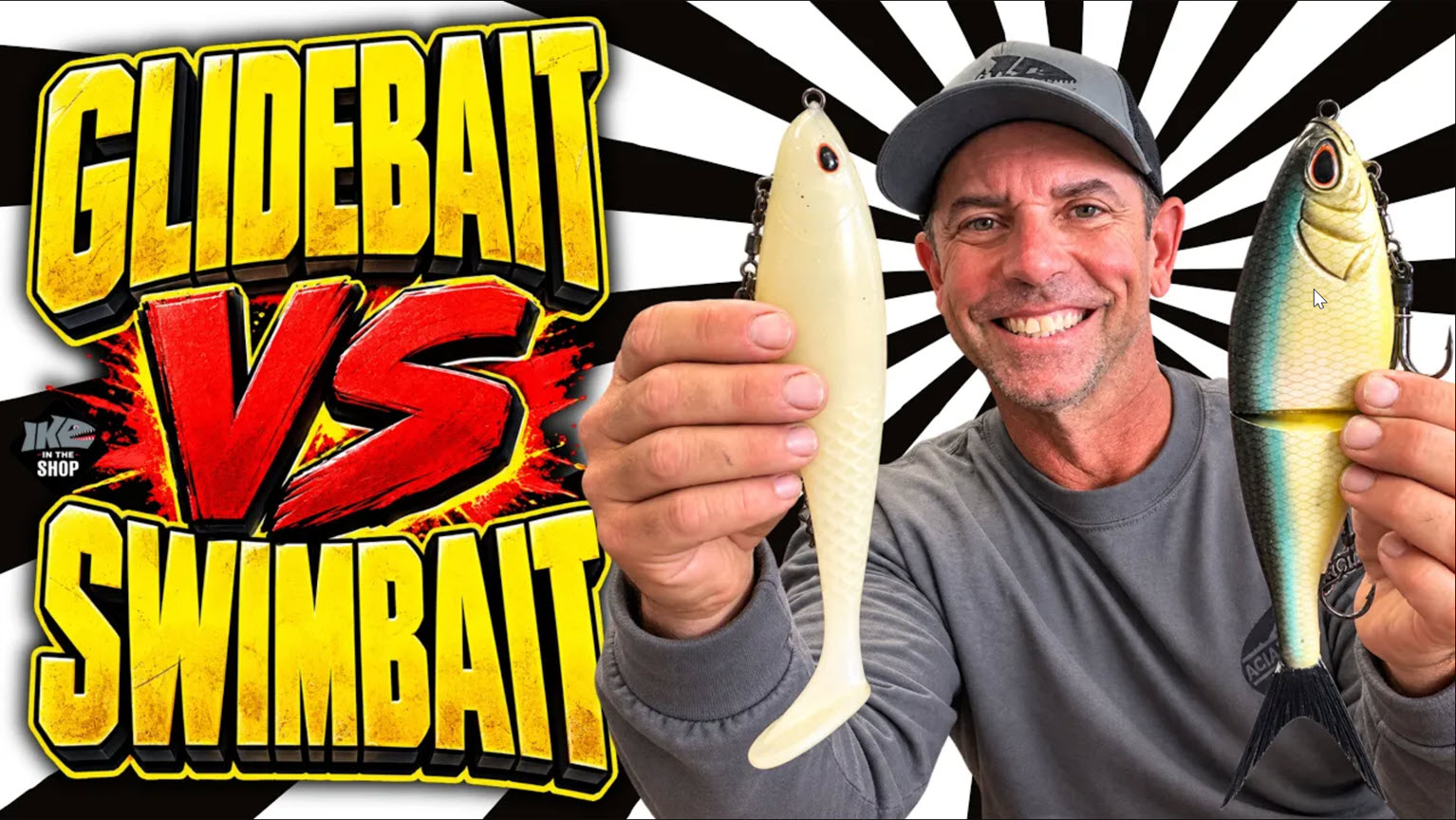
Fri, 30 Oct 2026 16:00:00 +0000https://blog.mikeiaconelli.com/?p=6894Today, we’re going head-to-head with two of my favorite big bass baits: the glide bait and the full-bodied boot tail swimbait! If you’ve followed me for any length of time, you know I’m a huge believer in the big bait, big bass theory. Bigger bass want bigger meals, and these oversized swimbaits are perfect for triggering those giant fish. Both styles have incredible drawing power, meaning they can attract bass from a long distance, even when those fish aren’t ready to bite. But here’s the deal, guys. These two baits aren’t the same, and knowing when to throw each one can make a HUGE difference in your fishing success! I’m comparing the Berkley Chop Block, a single-jointed glide bait, against the Berkley CullShad, a full-bodied boot tail swimbait. We’re breaking this battle down into three important categories: water clarity, water temperature, and type of cover. Let’s get into it!
Water Clarity
Water clarity is one of the biggest factors when choosing between these two baits. When I’m fish
ing clear water, where I can see two or three feet down or more, my clear winner is the Berkley Chop Block glide bait! Even in slightly stained water with about a foot of visibility, I’m reaching for that glide. Why? It’s all about that wide, sweeping S-shaped swimming action.
The Berkley Chop Block moves naturally from side to side, looking like a big baitfish swimming through the water. In clear water, bass can see that movement from a long distance. Whether they’re feeding on gizzard shad, bluegill, cisco, or other large forage, that glide action gets their attention. But when the water turns muddy or heavily stained, everything changes! That’s when I switch to the Berkley Cull Shad Its oversized boot tail creates tremendous vibration, while the body rolls from side to side. The Berkley CullShad also features a honeycomb body design that allows the tail to swing freely, creating even more thump. Bass can detect that vibration in dirty water, making this bait easier to find.
Heavily stained to muddy water:Berkley CullShad boot tail swimbait.
Water Temperature
Water temperature changes everything about how bass behave! When water temperatures drop to 60 degrees or below, bass generally become less aggressive. They aren’t always willing to chase a fast-moving bait, and that’s where the Berkley Chop Block really shines. This glide bait has a slow-sinking design, allowing me to work it extremely slowly. I can reel it, give it a couple of short chops, pause it, and keep it hanging near a fish. Think about fishing a suspending jerkbait in cold water. Twitch, twitch, pause! That same approach works with a glide bait.
Sometimes that long pause is exactly what triggers a giant bass to strike. But once temperatures climb into the mid-60s, 70s, and beyond, I’m reaching for the Berkley CullShad. Warmer water usually means more active bass that are willing to chase baitfish. The Berkley CullShad’s big paddle tail and rolling body create constant movement during a steady retrieve. I can speed it up, cover water, and match the aggressive feeding behavior of summertime bass. It’s an incredible big fish bait!
Type of Cover
The final category is something anglers often overlook: the type of cover you’re fishing. Are you targeting one isolated stump, a single dock, or a lone boulder? Or are you fishing a mile-long grass line, endless docks, or a huge field of standing timber? For isolated targets, my winner is the Berkley Chop Block. I can make that bait glide left, glide right, pause, and even turn around near one piece of cover. That keeps it in the strike zone longer and gives a big bass extra time to commit. But when I’m fishing large stretches of cover, the Berkley CullShad gets the nod! I can cast, reel, and cover tremendous amounts of water while still presenting a large profile that attracts trophy bass. That steady retrieve helps me locate fish spread across grass edges, rock banks, and timber fields. Remember, guys, the longer you can keep the right bait in front of active fish, the better your chances of getting bit!
The Final Verdict: Let the Conditions Decide!
Here’s the bottom line, both the Berkley Chop Block and Berkley CullShad are outstanding big bass baits, but each has situations where it really shines. The glide bait wins in clear water, colder temperatures, and around isolated targets. The boot tail swimbait wins in dirty water, warmer temperatures, and when you need to cover large areas. Don’t get locked into throwing just one style! Carry both, pay attention to the conditions, and let the fish tell you what they want.
Follow Ike on Facebook, Instagram, X and TikTok for fishing and fun content. Subscribe to Mike’s YouTube channel for access to his educational ‘Ike in the Shop’ videos and his ‘Going Ike’ Adventure series!
]]>Berkley MaxScent Flux Gill: A Game-Changing Soft Plastic for Catching More Bass!
https://blog.mikeiaconelli.com/2026/10/berkley-maxscent-flux-gill-a-game-changing-soft-plastic-for-catching-more-bass/
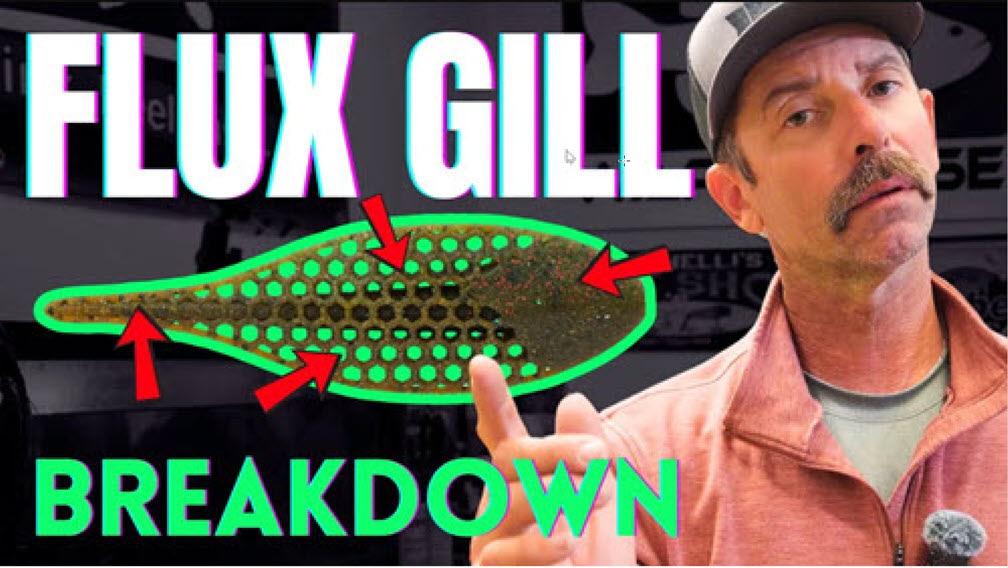
Thu, 15 Oct 2026 16:00:00 +0000https://blog.mikeiaconelli.com/?p=6885Let’s talk about the Berkley PowerBait MaxScent Flux Gill! This is one of the most unique soft plastics I’ve fished in a long time. If you’ve followed me, you know I’m a huge fan of the Berkley MaxScent lineup. Baits like the Flat Worm, MaxScent Minnow, General, D-Worm, and Hit Worm have caught me a ton of fish. But here’s the deal. Most of those baits have a long, thin profile. The Flux Gill is completely different! It has a wide, flat body that looks like a bluegill, sunfish, crappie, rock bass, or even a small tilapia. That’s important because bass feed on these wider-bodied fish all the time. Available in 3.5-inch and 5.3-inch sizes and 14 colors, this bait gives you a whole new way to match the forage. And remember, it’s still MaxScent, so you get that incredible scent and taste that helps fish find the bait and hold on longer!
What really separates the Berkley PowerBait MaxScent Flux Gill from other soft plastics is its honeycomb body design. Look closely, and you’ll see holes punched completely through the bait, with a solid rib running down the middle. Those holes do three important things:
Create movement: Less plastic allows the body to flex, wave, and move naturally through the water.
Trap air: Small air pockets add buoyancy and release tiny bubbles as the bait moves.
Release scent: More openings allow that famous MaxScent formula to disperse into the water.
But there’s more! The bait is extremely flat, which creates an amazing gliding action as it falls. It also has a thin pin tail that comes alive with even the slightest movement. You’re getting a bait that glides, flexes, shakes, and releases scent all at once. And because of that solid center rib, you can rig it almost any way you’d rig a traditional soft plastic. Texas rig, drop shot, shaky head, Neko rig, or even a Jika rig. The possibilities are endless!
If I had to pick my favorite way to fish the Flux Gill, it would be on a wobble head! Guys, it’s almost like this bait was designed specifically for this technique. I use a Berkley Fusion19 Swing Head, generally between 1/4 and 3/4 ounce, with 3/8 and 1/2 ounce being my favorites. The beauty of a wobble head is that the hook swings freely behind the weight.
I Texas rig the Flux Gill flat, making sure the hook runs through that solid center rib. Then I cast it out and slowly crawl or drag it along the bottom. The weight stays in contact with the bottom while the bait swings, rolls, and flexes behind it. It’s unbelievable! That wide body and honeycomb design allow the Flux Gill to move naturally in every direction. I especially love this setup around rocks, gravel, hard bottoms, and offshore structure. The key is keeping that head grinding along the bottom while the bait does all the work behind it.
My second favorite way to fish the Flux Gill is on a free rig. This is another technique where that flat body really shines! I start with a cylinder-style drop shot weight with a closed eye, anywhere from 1/32 to 1/2 ounce. Slide the weight onto your line first, then add a bobber stop to protect your knot. Next, tie on a Berkley Fusion19 EWG Hook and Texas rig the Flux Gill with the flat side facing down.
Here’s where the magic happens. When you cast, the weight falls first, and the bait slowly glides behind it. That wide, thin body makes it look like a wounded bluegill drifting toward the bottom. Once everything settles, start dragging the rig. Eventually, the bait catches up to the weight and suddenly pops upward before gliding back down. Dude, that movement is incredible! I’ve been getting so many bites with this setup. The combination of the gliding fall, trapped air, and natural movement makes this a killer presentation.
My third favorite way to use the Flux Gill is as a trailer on a skirted jig or vibrating jig. This is where you can really change the profile of your bait! On a ChatterBait, I rig the Flux Gill sideways instead of flat. That creates a taller, wider profile that looks like a bluegill, crappie, or big gizzard shad. When the blade vibrates, that little pin tail shakes like crazy!
On a traditional skirted jig, like the Missile Jigs Mini Flip, I usually rig it flat when fishing the bottom. This gives the jig a wider profile and helps it glide as it falls. If I’m swimming the jig, I’ll often rig it sideways to imitate a baitfish. Guys, the Berkley PowerBait MaxScent Flux Gill is a game changer because of its unique profile, incredible movement, and endless rigging options. Whether you’re crawling it, gliding it, or swimming it, this bait offers something different that bass haven’t seen a thousand times. Give it a try, experiment with these techniques, and I promise you’re going to catch more fish!
Follow Ike on Facebook, Instagram, X and TikTok for fishing and fun content. Subscribe to Mike’s YouTube channel for access to his educational ‘Ike in the Shop’ videos and his ‘Going Ike’ Adventure series!
]]>Top 4 Baits for October!
https://blog.mikeiaconelli.com/2026/10/top-4-baits-for-october/
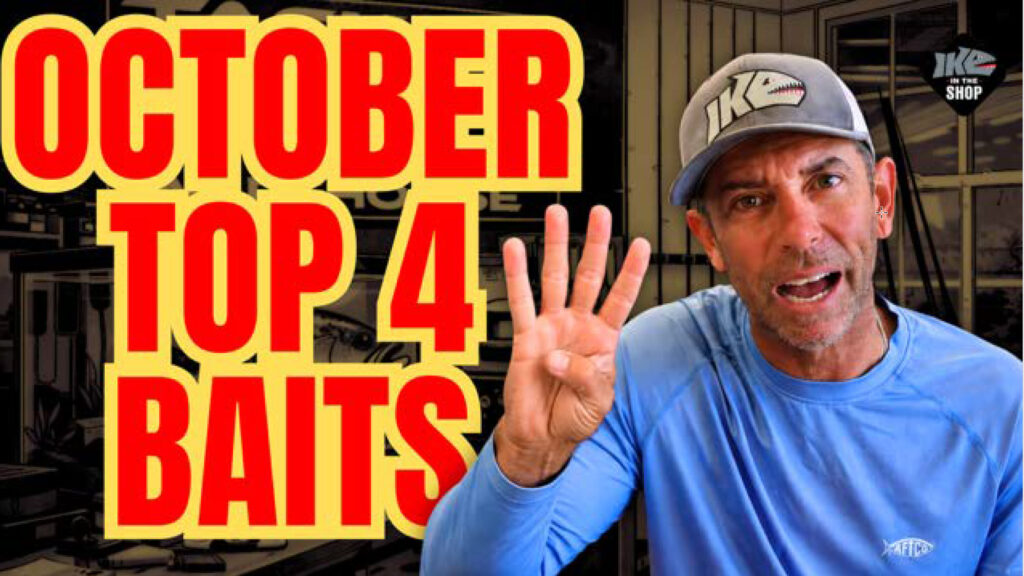
Fri, 02 Oct 2026 12:00:00 +0000https://blog.mikeiaconelli.com/?p=6874It’s October, and you know what that means, it’s time for my Top Four Baits of the Month! October is one of my favorite months because things are changing everywhere. The air is getting cooler, leaves are changing, vegetation is starting to die, and most importantly, the water temperature is dropping. Up north, you might already be getting into a true fall feeding pattern. Down south, you’re probably just beginning that early fall transition. But no matter where you live, one thing is happening: the bass are starting to feed! They know winter is coming, and they’re following the forage. Shad, alewife, herring, cisco, shiners and other baitfish are moving from deeper areas toward creeks, coves, pockets, shoals and shallow flats. The bass follow them like wolves! So this month, almost every bait on my list is designed around one thing, imitating baitfish and covering water. Like always, I’m giving you two baits for northern anglers and two for southern anglers.
NORTH: Bait #1 — Jerkbait
If you live in the northern half of the country, my number-one October bait is the jerkbait. A lot of anglers think jerkbaits are only for winter and early spring. Wrong! October is an awesome jerkbait month because these long, slender baits look exactly like the forage bass are chasing. A jerkbait also lets me cover a tremendous amount of water, and that’s important because both baitfish and bass are moving. I’ll start at the mouth of a creek or cove and work my way toward the back. On natural lakes, I might start on the tip of a shoal and work across it. Keep your colors natural and try to match the forage you see.
Here’s the other big key, change your retrieve based on water temperature. If the water is still in the upper 60s or low 70s, I’m fishing that Berkley Stunna Jerkbait faster and more aggressively. When temperatures drop into the low 60s or even upper 50s, I slow my cadence and add longer pauses. Let the water temperature tell you how fast those fish want it.
NORTH: Bait #2 — Berkley Power Swimmer
Once I locate fish with the jerkbait, I want something that lets me slow down and pick that area apart. That’s when I grab bait number two, a finesse swimbait. One of my favorites is the Berkley Power Swimmer, especially in the 3.3- and 3.8-inch sizes. If the forage is really small, don’t be afraid to downsize to a 2.8-inch bait. I rig the Power Swimmer on a Berkley Fusion19 jig head with a 90-degree line tie. Head size depends on depth and wind. In zero to 10 feet, I’ll usually use about 1/8 to 3/16 ounce.
When those fish are deeper, in that 10- to 20-foot range, I’ll move up to a 1/4- or 3/8-ounce head. Wind is another factor, the stronger the wind, the heavier I’ll go so I can maintain contact with the bait. This is an awesome cleanup bait. Use the jerkbait to cover water and locate the bass, then slow down with that Berkley Power Swimmer and catch the rest of the group.
SOUTH: Bait #1 — Molix Spinnerbait
For my southern anglers, bait number three is one of the greatest baitfish imitators ever created, the spinnerbait! I don’t care how many new baits come along; a double-willow spinnerbait is still one of my absolute favorites during the October transition. It’s weedless, relatively snagless, comes through wood, and those flashing willow blades look like fleeing baitfish.
The biggest tip I can give you is to match the hatch. When I’m around small threadfin shad in that 2- to 4-inch range, I like a compact Molix Muscle Ant Spinnerbait, generally around 3/8 ounce, with smaller blades. When the forage is bigger, adult threadfin, gizzard shad or blueback herring, I’ll step up to a full-sizeMolix Venator Spinnerbaitin 1/2 or even 3/4 ounce with larger willow blades. White and silver are always great starting colors. Just like the jerkbait up north, the spinnerbait lets you keep moving. Start near the mouth of a creek, hit every target, and keep working toward the back until you find where the bait and bass are holding.
SOUTH: Bait #2 — Topwater
Last but definitely not least, October is topwater time! As baitfish move shallow, bass start looking up, and there’s nothing more exciting than watching one explode on a bait at the surface. I actually have three different topwaters I
In relatively clear and calm water, I love the Berkley J-Walker. Its walk-the-dog action lets me cover water while perfectly imitating a struggling baitfish. When the water gets stained or there’s more wind and chop, I switch to a Berkley Choppo in the 90 or 105 size. That plopping action creates extra sound and disturbance that helps bass locate the bait.
Finally, around heavier cover, grass, docks and laydowns, I want something more snag-resistant, and that’s when I grab a Molix Lover Buzz SS buzzbait. I can fish it with a skirt or remove the skirt and add a soft-plastic toad for a totally different look. Guys, October is about movement, baitfish and feeding bass. Pay attention to your water temperature, follow the forage, keep moving until you locate the fish, and then slow down and pick that area apart. Try these four October baits, and I guarantee you’re going to put more bass in the boat!
Follow Ike onFacebook, Instagram,X andTikTok for fishing and fun content. Subscribe toMike’s YouTube channel for access to his educational ‘Ike in the Shop’ videos and his ‘Going Ike’ Adventure series!
]]>The Berkley Doom Stroller: A New Weapon for Suspended Bass!
https://blog.mikeiaconelli.com/2026/09/the-berkley-doom-stroller-a-new-weapon-for-suspended-bass/
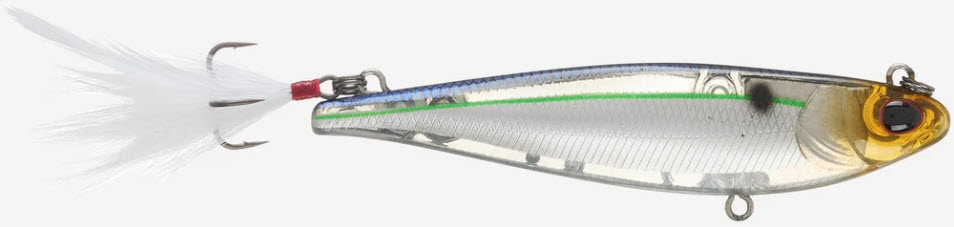
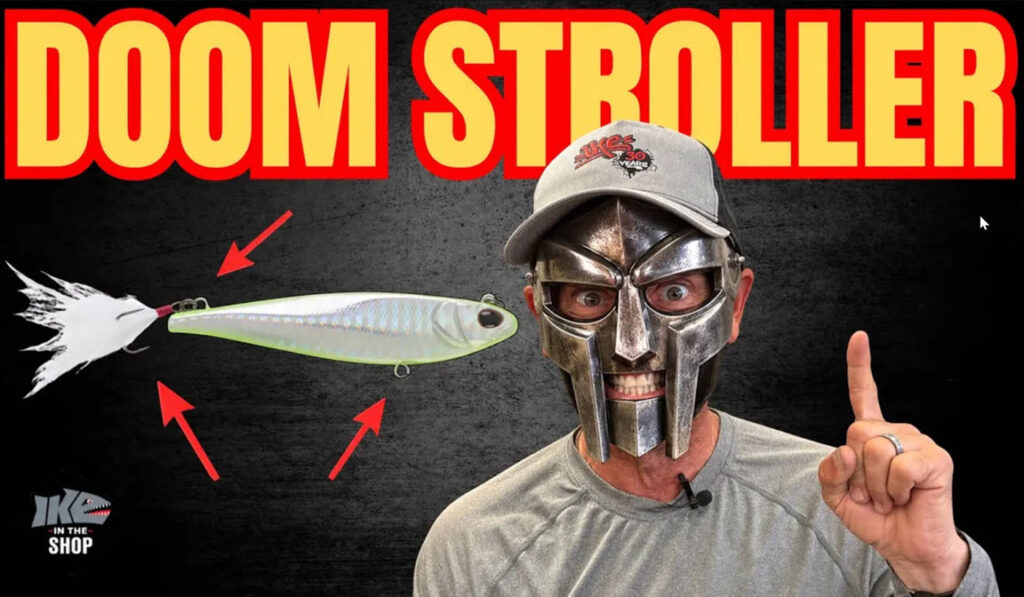
Fri, 18 Sep 2026 16:00:00 +0000https://blog.mikeiaconelli.com/?p=6862If you fish for suspended bass, you already know how important the jighead minnow has become. Over the last five years, and especially with the growth of forward-facing sonar, that little soft plastic minnow on a jighead has absolutely exploded. It’s simple, it looks natural, and it catches fish. But there’s one problem, everybody is throwing it! And after more than 30 years of professional fishing, I can tell you one thing for sure: bass get used to seeing the same thing over and over. That’s why I’m always looking for alternate presentations. Jerkbaits like the Berkley Stunna 112 and Stunna 112+1, spy baits and crankbaits are all great options, but now there’s a brand-new player in the game. It’s called the Berkley Doom Stroller, and this thing is one of the coolest hybrid hard baits I’ve seen in a long time.
The easiest way to describe the Berkley Doom Stroller is part jerkbait, part crankbait and part jighead minnow. It combines some of the best qualities of all three into one bait. The Doom Stroller comes in three sizes, 70, 90 and 110, which lets you match the size of the forage. The little 70 has been magic for me when bass are feeding on small, young-of-the-year baitfish. The 90 is probably the most versatile size and can imitate threadfin shad, small gizzard shad, shiners or herring. When the forage gets big, that 110 gives you the larger profile you need. But what really makes this lure special is its design. You get a 90-degree line tie positioned near the nose, an internal weight that keeps the lure balanced and lets you bomb a cast, and incredibly sticky Berkley Fusion treble hook. There’s a treble on the belly and another hook positioned on top of the back with feathered hackle. That hook setup is a big deal because suspended bass often swipe, slap or headbutt a bait instead of completely eating it. With the Doom Stroller, those short-striking fish have a much better chance of getting hooked.
The other thing I love about the Berkley Doom Stroller is that I can create three totally different actions with the same bait on the same cast. That’s something you just can’t do as effectively with a traditional soft jighead minnow. The first—and probably most important—is the roll. Cast the Doom Stroller out, let it sink to the level of the fish or slightly above them, and then shake and reel, shake and reel. That creates a hard side-to-side rolling action with a ton of flash. In fact, I’d say 60 to 70 percent of the suspended fish I catch on this bait come while I’m making it roll. But don’t stop there.
Shake and reel: Creates that aggressive side-to-side roll and flash.
Straight retrieve: Produces a subtle head shake that’s killer on pressured or finicky bass.
Controlled fall: Lets the bait wander and fall erratically like an injured baitfish.
That straight retrieve is a sleeper technique. Just reel the bait at a medium pace and that head starts making these tiny movements while the feathered tail moves behind it. If the fish won’t commit to the harder rolling action, switch to the straight retrieve. Then there’s the fall. Give the Berkley Doom Strollercontrolled slack and it wanders down through the water instead of dropping straight. That looks like an injured or dying baitfish, and bass have a hard time passing up an easy meal.
Here’s where it gets really fun. Combine all three actions in a single cast! I’ll throw the Doom Stroller past a suspended fish, let it reach the right depth, and start shaking and reeling. I’m getting that hard roll and flash. Then I stop shaking and simply reel it. Now the bait changes into that subtle head-shaking action. If I see the fish or bait getting deeper, I stop and let the Berkley Doom Stroller wander down on controlled slack. One bait just gave that bass three completely different looks. This technique is also deadly around vertical structures like bluff banks, bridge pilings, seawalls, dams and steep riprap. And remember those treble hooks! A bass doesn’t necessarily have to inhale this bait. If it swipes at it, headbutts it or just nips at it, those sticky Fusion trebles give you another opportunity to hook that fish. When bass have already seen hundreds of jighead minnows, changing the profile, flash and movement can be exactly what you need to trigger the bite.
The best part is you probably already own the equipment you need to fish the Doom Stroller. For the 70 and 90, I like the same spinning setup I use for lighter jighead minnows: a 7- to 7½-foot medium-light rod. My favorite is the 7’4″ medium-light Abu Garcia Ike Series spinning rod. For the bigger 110, I step up to a medium-heavy spinning rod, and the 7’6″ medium-heavy Abu Garcia Ike Series is perfect. You can also throw that 110 on casting equipment similar to what you’d use for a jerkbait or crankbait. For line, I like 10-pound Berkley X5 braid or Berkley Forward Braid connected to a 2- to 4-foot fluorocarbon leader. Ten-pound fluorocarbon is great for the 70 and 90, and I usually step up to 12-pound for the 110. Berkley 100% Fluorocarbon and Berkley Trilene Fluorocarbon Professional Grade are great choices. The fluorocarbon helps the bait achieve that natural action while staying less visible in clear water. Guys, the bottom line is simple: when everybody is throwing the same thing, you need another player in your rotation. You’ve got the soft minnow, jerkbait and crankbait, now you’ve got a hybrid option. The Berkley Doom Strollergives suspended bass something different to look at, and sometimes different is exactly what it takes to get them to bite!
Follow Ike onFacebook, Instagram,X andTikTok for fishing and fun content. Subscribe toMike’s YouTube channel for access to his educational ‘Ike in the Shop’ videos and his ‘Going Ike’ Adventure series!
]]>Top Four Baits for September
https://blog.mikeiaconelli.com/2026/09/top-four-baits-for-september-2/
Fri, 04 Sep 2026 16:00:00 +0000https://blog.mikeiaconelli.com/?p=6840 It’s time for my Top Four Baits of the Month! September is one of those crazy transition months where fishing can be totally different depending on where you live. If you’re up north, those first cooler nights can already have the water temperature dropping and bass starting their move toward fall patterns. Down south, it might still be hot, humid, and basically feel like August. That’s why you have to stay on your toes in September! A couple weeks of hot weather can keep bass locked into summer patterns, but a stretch of cool nights can change things fast. Like we’ve done all year, I’m breaking this down into two baits for northern anglers and two baits for southern anglers. Pay attention to your water temperature, watch what the forage is doing, and let the conditions tell you which bait to pick up.
NORTH: Bait #1 — Drop Shot
My number one September bait for the northern half of the country is the drop shot. This is a carryover from August, but it continues to catch fish as summer starts fading away. What I love about the drop shot is that your bait stays suspended horizontally off the bottom, dancing naturally like the minnows and other forage bass are feeding on. If the water is clear, the fishing is tough, or I’m targeting smallmouth, I’m going with a Berkley MaxScent Flat Worm. I like the 3- and 4-inch sizes in simple natural colors like green pumpkin, black, pearl, and natural shad patterns. I’ll nose-hook the Flat Worm on a drop-shot-style hook to give it maximum movement.
Berkley Bottom Hopper
If I’m around largemouth, dirtier water, weeds, brush piles, or deep docks, I switch to a Berkley Bottom Hopper, especially the 6-inch version, and Texas rig it on a small straight-shank hook.
1/8- to 1/4-ounce drop-shot weight depending on depth
Green pumpkin, watermelon seed, black,Ike’s Morning Dawn, and natural shad colors
NORTH: Bait #2 — Spinnerbait
When those cool September nights start dropping the water temperature, bait number two becomes a major player, the spinnerbait. Guys, I’ve caught more bass on a spinnerbait starting in September than almost any other time of the year. As the water cools, forage starts moving. Shad, perch, alewife, herring, cisco, whatever the bass are feeding on begins to transition, and the bass follow it.
That means I need something that lets me cover water and find those moving fish. My favorite setup is a 3/8- or 1/2-ounceMolix Double Willow Spinnerbait. Those willow blades give you flash, vibration, and the profile of little baitfish, while letting you fish quickly. Cover flats, points, grass edges, pockets, and anywhere you see baitfish activity. The big lesson here is don’t keep fishing where the bass were. When those temperatures start dropping, the bass can move quickly. Pick up that spinnerbait, put the trolling motor down, and go find them!
SOUTH: Bait #1 — Football Jig
Now let’s head south. If September still feels like August where you live, those bass are probably still holding in their summertime locations. That’s when I want bait number three—a football jig. In September, there are still plenty of bass living offshore on river ledges, main-lake points, channel swings, and deeper hard-bottom areas. I want a bait that I can keep in contact with the bottom and just crawl and crash through that stuff. For largemouth and bigger fish, I’ll use a traditional 1/2-, 3/4-, or even 1-ounce football jig paired with a craw or double-tail grub trailer.
Missile Jigs Ike’s Micro Football Jig
But here’s a sleeper: when the water is super clear, the fish are pressured, or I’m targeting spotted bass, I downsize to the Missile Jigs Micro Football Jig, available in finesse and HD versions. That little compact profile can be deadly, especially on spotted bass lakes. Pair it with a small craw, double-tail grub, or even a Ned-style trailer.
Remember the football jig rule:
Full-size jig for largemouth, bigger bass, and stained water
Keep it on the bottom and crawl, drag, and crash it through cover
SOUTH: Bait #2 — Swimbait
Last but not least is my favorite September big-fish bait, the swimbait! Guys, think about what has happened to the forage since spring. All those little shad, bluegill, and other baitfish have spent June, July, and August growing. By September, there’s a lot of bigger forage swimming around, and those bass know it! I generally like swimbaits from 5 to 8 inches, but 6 inches is my sweet spot. When I’m covering open water, flats, and non-specific cover, I love the 6-inch Berkley CullShad. Its boot tail creates body roll and tail action, so I can cast it out, reel it back, and cover a tremendous amount of water.
Berkley Chop Block-‘Golden Shiner’ 6 inch
But around specific targets—deep docks, laydowns, bluff banks, or isolated stumps—I’m going with the 6-inch Berkley PowerBait Chop Block. That single-jointed design lets me chop the bait side to side and keep it around the strike zone longer. Both are soft-plastic baits, so I can even add nail weights when I need to get them deeper. Remember this one: September starts with an S, and swimbait starts with an S! Whether your fish are still holding onto summer or already making that first move toward fall, these four baits will help you adjust, find the fish, and put more bass in the boat!
Follow Ike onFacebook, Instagram,X andTikTok for fishing and fun content. Subscribe toMike’s YouTube channel for access to his educational ‘Ike in the Shop’ videos and his ‘Going Ike’ Adventure series!
]]>Square Bill Secrets: How to Trigger More Bass!
https://blog.mikeiaconelli.com/2026/08/square-bill-secrets-how-to-trigger-more-bass/
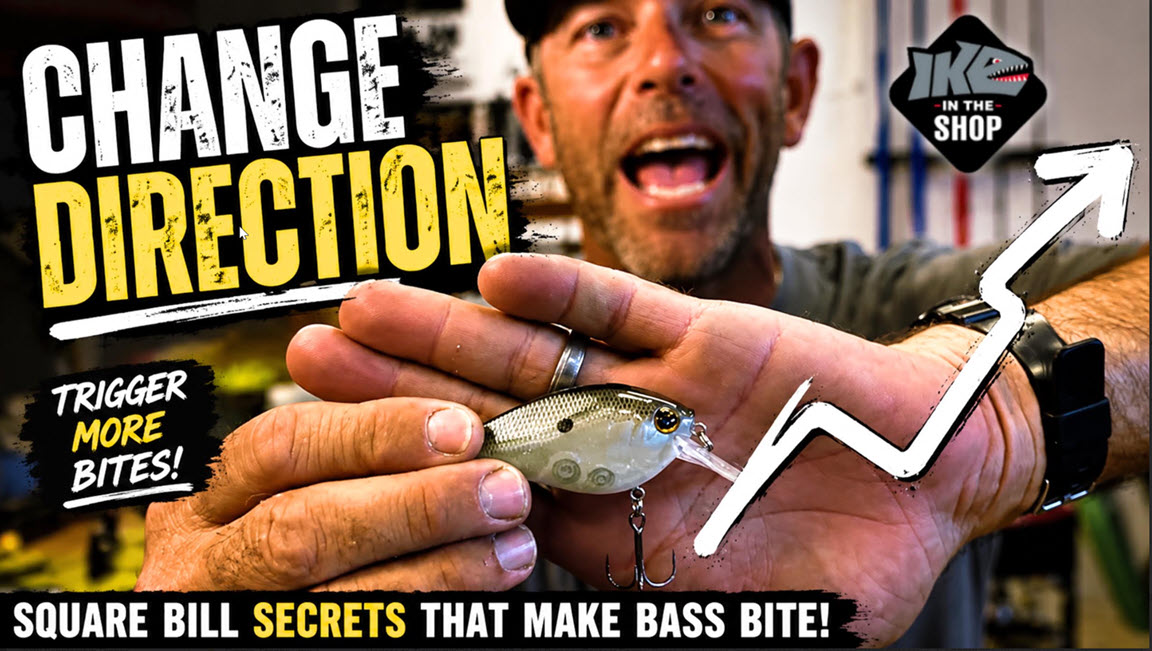
Fri, 21 Aug 2026 16:00:00 +0000https://blog.mikeiaconelli.com/?p=6823I want to talk about one of my favorite ways to cover water, fish shallow cover, and make bass bite even when they’re not hungry: square billing. This isn’t some brand-new technique. Square bill crankbaits have been catching fish forever. I remember growing up in the ’80s watching guys throw baits from companies like Bagley and Rebel with those short, squared-off bills, and they caught the heck out of them! What makes a square bill so special is its ability to create a reaction strike. On those perfect cloudy, windy days, bass might chase almost anything. But most of our fishing days aren’t perfect. We deal with sun, clear water, muddy water, fishing pressure, and bass that just don’t want to eat. That’s where the square bill shines. You can literally make that fish react by putting the bait in the right place and making it suddenly change direction.
It’s All About the Bill
The most important part of any square bill crankbait is right there in the name, the bill. A square bill has a short, angled lip that controls how deep the bait dives, but more importantly, it controls how the bait deflects.
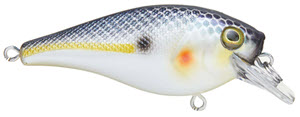
Most square bills are shallow-running crankbaits designed for water from just a couple feet deep down to about five or six feet. My choice is the Berkley Squarebull, and one thing I really like about this bait is its wider, broader lip. When that lip contacts a stump, rock, dock piling, log, gravel, or other piece of cover, the bait kicks away from it instead of just running straight. The Berkley Squarebull comes in three sizes, and each one has a place in my boat:
3.5: Great around small forage, after the spawn, in the fall, or during really tough conditions.
5.5: My workhorse size and the one I use most often.
7.5: Perfect around bigger forage, dirty water, deeper targets, or when I’m hunting bigger bass.
That wider square bill lip helps the bait dive, deflect, and even “hunt” a little as it tries to center itself after hitting something. That movement is exactly what we want!
Match the Hatch
Color selection for square billing doesn’t have to be complicated. My number-one rule is to match the hatch. Look at the forage in the water and choose something that resembles what those bass are eating.
I basically organize my square bill colors into three groups.
shad patterns—pearls, whites, natural shad colors, and translucent colors for clear water.
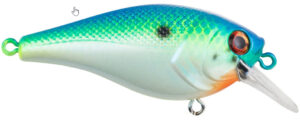
chartreuse patterns, including chartreuse with black, brown, or blue backs. Those colors are awesome around bluegill and perch, and the brighter color really helps bass find the bait in stained or dirty water.
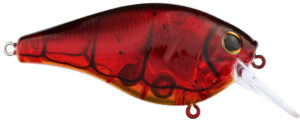
crawfish colors—browns, reds, and oranges. These are especially deadly in the spring when bass are feeding around crawfish. Imagine that red or orange Square Bull crawling along, banging into a rock and suddenly shooting sideways, it looks alive!
Size, color, vibration, and sound all matter, but none of them work to their full potential unless you fish that bait correctly.
Hit Something on Every Cast!
Here’s the biggest secret I can give you about square billing: stop trying to keep your crankbait away from cover! I want that Berkley Squarebull hitting something on almost every cast. Cast past the stump. Crank the bait down. Let that square bill smack the stump,
Berkley 7.5 Squarebull Crankbait
pause for just a second, and start reeling again.
The bait hits, deflects, rises slightly, hunts, and then starts moving forward again. THAT is when the bite happens! You’re creating a sudden change of direction right in front of that bass. If there’s no stump, rock, dock, or other cover, try to makethe bait contact the bottom. And if you can’t hit anything at all, create the same action yourself:
Change your retrieve from normal to fast, slow, and back to normal.
Move your rod from center to high, low, and back again.
Add little pauses and speed changes throughout the retrieve.
The worst thing you can do is cast a square bill out and simply wind it straight back to the boat. Make that bait hunt, deflect, stop, start, and change direction. Those changes trigger reaction strikes from bass that might otherwise completely ignore your lure.
The Right Rod, Reel and Line
Finally, your equipment matters, especially because square bills use treble hooks. I like a softer, more parabolic rod that loads up and absorbs the shock when a bass jumps or thrashes. My choice is an Abu Garcia Ike Series Delay Rod, a composite rod combining glass and graphite. For close-range square billing, I like a shorter 6’6″ to 7′ medium-action rod because it helps me make accurate casts around docks, stumps, pilings, and other shallow targets. Match it with a medium-speed reel around 6.8:1 to 7.4:1; my Abu Garcia Ike Series 7.1:1 reel is right in that sweet spot. For line, forget braid most of the time. I want some stretch. When I want the Square Bull to reach maximum depth, I use Berkley Trilene Fluorocarbon, generally 12- to 17-pound test, with 15-pound being my favorite all-around choice. When I want the bait to stay higher in one to three feet of water, I switch to old-school mono likeBerkley Trilene Sensation. The big lesson is simple: square billing is about creating a reaction. Hit the cover, hit the bottom, change your speed, move your rod, and make that bait hunt. When a square bill suddenly changes direction next to a bass, that fish has a hard time letting it go by. Give these tricks a try the next time you hit the water, and I promise you’re going to put more bass in the boat!
Follow Ike onFacebook, Instagram,X andTikTok for fishing and fun content. Subscribe toMike’s YouTube channel for access to his educational ‘Ike in the Shop’ videos and his ‘Going Ike’ Adventure series!
]]>Top August Baits: Four Lures You Need Right Now!
https://blog.mikeiaconelli.com/2026/08/top-august-baits-four-lures-you-need-right-now/
Fri, 07 Aug 2026 16:00:00 +0000https://blog.mikeiaconelli.com/?p=6799August can be one of the hottest months of the year, but it can also produce some of the best bass fishing if you understand where the fish go. Every summer I remember three words: deeper, thicker, and current. Bass either move to deeper, cooler water, tuck under the thickest cover they can find, or position anywhere current brings oxygen and food. Whether you fish a tiny pond, a natural lake, a reservoir, or a river, those three clues will put you around more fish. Just as important, remember that conditions change across the country, so here are my favorite August baits for northern and southern anglers.
Northern Anglers:
My first choice is a drop shot. When fish slide deeper or suspend around rock, grass edges, and current, a drop shot keeps your bait right in their face. I like heavier tungsten weights in August—usually 1/4 to 3/8 ounce or more—to stay in contact with deep fish. My favorite plastics are the Berkley MaxScent Flat Worm and the Berkley Lab Series Straight Tail Worm because their scent and natural action help trigger extra bites. My second northern bait is the Berkley Power Switch, a pre-rigged minnow that excels around suspended bass. Whether I’m casting to fish on electronics or vertically ‘moping’ beneath the boat, it stays horizontal and has an incredible shimmy that pressured fish can’t ignore.
Northern Deep Fishing: • Drop Shot with Berkley MaxScent Flat Worm • Berkley Lab Series Straight Tail Worm • Berkley Power Switch pre-rigged minnow
Southern Anglers:
The heat is brutal this time of year. Bass often stay shallow if they have thick overhead cover. Grass mats, docks, laydowns, flooded timber and lily pads all become prime real estate. When fish are buried under that cover, I rely on two presentations. If I’m fishing over the top, I grab the Molix Sneaky Frog and walk it across the thickest cover I can find. If I need to punch through the cover, I rig a Berkley MaxScent Creature Hawg behind a Berkley Fusion Straight Shank Hook with a heavy tungsten weight. The goal is simple—
get that bait into the cool, shady holes where bass spend the day.
When southern fish move offshore, I switch gears and hunt schools. A Berkley Dredger deep-diving crankbait is my search bait because it covers water and bangs the bottom where bass group up on ledges, points, humps, and river channels. Once I locate a school, I follow with the Molix Lover Spoon. Its fluttering fall keeps fish interested and often catches multiple bass from the same school. Many bites come as the spoon falls, so watch your line closely. If they won’t eat the crankbait anymore, that spoon can keep the action going.
So before your next August trip, keep it simple. Remember the summer rule: deeper, thicker, and current. Let the fish tell you which pattern they’re using, then pick the bait that matches the conditions. For northern anglers, lean on the drop shot and Berkley Power Switch. For southern anglers, cover thick vegetation with the Molix Sneaky Frog or punch a Berkley MaxScent Creature Hawg into the heaviest cover you can find. If the fish move offshore, fire up the Berkley Dredger and clean up with the Molix Lover Spoon. Stick with those four bait categories, fish them with confidence, and you’ll put more bass in the boat all month long.
Follow Ike on Facebook, Instagram, X and TikTok for fishing and fun content. Subscribe to Mike’s YouTube channel for access to his educational ‘Ike in the Shop’ videos and his ‘Going Ike’ Adventure series!
]]>Top Baits for July: Catch More Bass During the Hottest Month of the Year!
https://blog.mikeiaconelli.com/2026/07/top-baits-for-july-catch-more-bass-during-the-hottest-month-of-the-year/
Fri, 10 Jul 2026 16:00:00 +0000https://blog.mikeiaconelli.com/?p=6765July is here, and that means one thing to me, it’s summertime bass fishing! No matter where you live, the water temperatures are climbing, the days are long, and bass have settled into their true summer patterns. They’re no longer thinking about the spawn. Instead, they’re looking for deeper water, thicker cover, or current to stay comfortable while feeding. That’s why choosing the right bait this month is so important. In this month’s Top Baits, I’m breaking it down by region with two must-have baits for northern anglers, two for southern anglers, and one bonus bait that catches bass everywhere!
Northern Anglers: Minnows and ‘Moeba Baits
If you fish anywhere from Virginia north, one of the best baits you can throw in July is a minnow-style soft bait. Whether you’re using electronics to target offshore fish or simply casting from the bank, bass are feeding heavily on baitfish this time of year. Natural colors like pearl, white, translucent, or even green pumpkin work great depending on the forage in your lake.
One of my favorites is the Berkley PowerBait MaxScent Flatnose Minnow, especially when bass are feeding on smaller baitfish. If they’re eating bigger forage, I love the new Berkley PowerBait Lab Series Minnow, which combines PowerBait and MaxScent technology for incredible action and scent. Rig both on a Berkley Fusion Jighead and retrieve them with a slow reel while gently shaking your rod tip. That subtle rolling action drives summertime bass crazy.
Another bait that’s been absolutely on fire is the Berkley PowerBait MaxScent ‘Moeba. This unique urchin-style bait has tons of little tentacles that create incredible movement in the water.
Target deeper structure, current, and transition areas where bass are holding.
These two baits cover a lot of water and consistently produce when northern bass move into their summer homes.
Bonus Bait: Topwater Time!
If there’s one bait that belongs on every deck in July, it’s a topwater lure. It doesn’t matter if you’re fishing New York, Pennsylvania, Texas, or Florida, July is prime time for explosive surface strikes.
Around shallow cover, I love throwing the Molix Lover Buzz SS Buzzbait. It planes quickly, runs straight, and makes plenty of noise to call fish up. When the cover gets really thick, lilly pads, hydrilla, matted grass, bushes, or docks, I switch to theMolix Supernato Frog. Its buzzing legs create incredible action while remaining completely weedless.
There are few things in fishing more exciting than watching a bass explode through the surface on a topwater bait. Those are the bites you’ll remember all year long.
Southern Anglers: Deep Cranking and Big Jigs
If you’re fishing from Virginia south, bass are already dealing with extremely warm water and have often moved into deeper structure or heavy cover. That’s where deep-diving crankbaits become one of my favorite summertime tools.
The Berkley Dredger 17.5,Berkley Dredger 20.5, and Berkley Dime 15 allow you to reach fish holding in that critical 15- to 22-foot zone. The key isn’t just getting the bait deep—it’s making it deflect off rocks, brush piles, ledges, or other cover to trigger reaction strikes.
Then there’s the jig. Honestly, I don’t go anywhere in July without one tied on.
Hawg or Pit Boss slips through vegetation much easier when flipping heavy cover.
For southern anglers, keep these tips in mind:
Deep crank ledges, points, and offshore structure.
Let your crankbait hit cover whenever possible.
Fish heavier football jigs on rock and hard bottom.
Flip heavy vegetation with streamlined trailers.
Keep It Simple and Go Fishing
July is one of my favorite months of the year. The fish are feeding, the weather is warm, and there’s no better time to spend long days on the water with family and friends. Whether you’re fishing a big reservoir, a natural lake, a river, or your neighborhood pond, these baits will put more bass in the boat.
Here’s the game plan:
North: Berkley MaxScent Flatnose Minnow and Berkley MaxScent ‘Moeba.
Everywhere: Molix Lover Buzz SS Buzzbait or Molix Supernato Frog.
South: Berkley Dredger and Dime crankbaits, plus Missile Baits Head Banger or Flip Out Jigs paired with Berkley PowerBait trailers.
Give these baits a try this month, keep an open mind, and adjust to the conditions you find. I promise they’ll help you catch more bass this July. Fish hard, have fun, and never stop learning!
Follow Ike onFacebook, Instagram,X andTikTok for fishing and fun content. Subscribe toMike’s YouTube channel for access to his educational ‘Ike in the Shop’ videos and his ‘Going Ike’ Adventure series!
]]>The Fuzzy Ball Craze: Why is the Berkley MaxScent ‘Moeba Catching So Many Bass?
https://blog.mikeiaconelli.com/2026/06/the-fuzzy-ball-craze-why-is-the-berkley-maxscent-moeba-is-catching-so-many-bass/
Fri, 26 Jun 2026 16:00:00 +0000https://blog.mikeiaconelli.com/?p=6744Let’s dive into one of the hottest new lure trends in bass fishing, the fuzzy ball bait. If you’ve spent any time around tackle shops, on social media, or out on the water lately, you’ve probably seen these strange-looking baits that resemble a sea urchin, a dog toy, or something from another planet. They look weird, but trust me, they catch fish.
One bait that has really stood out for me is the new Berkley MaxScent ‘Moeba. Over the last year, I’ve spent a lot of time fishing it in tournaments, fun fishing, and filming content, and the results have been incredible. The big question anglers keep asking is, “Why are bass eating these things?” The answer might be simpler than you think, they offer fish a look and action they haven’t seen before.
There are two theories about why these baits work so well. The first is biological. When bass are tiny fry, they feed heavily on zooplankton and other microscopic organisms. If you compare those tiny creatures to a fuzzy ball bait, there are actually some similarities. It’s possible that bass recognize this shape from the earliest stages of their life. The second theory, and the one I believe more every time I fish it, is that the bait is simply different. Every one of those tentacles moves independently as the bait falls. When you twitch it, jerk it, or pull it through the water, it creates an incredible amount of water displacement. Bass see countless swimbaits, jigs, worms, and crankbaits every year. The ‘Moeba gives them a completely different profile, vibration, and action. Add in Berkley’s proven MaxScent technology, and you have a lure that appeals to a bass’s sight, feel, and smell all at once.
One of the things I love most about the ’Moeba is its versatility. There’s really no wrong way to rig it. You can fish it on a drop shot, Carolina rig, wacky rig, or even weightless. But after a lot of experimenting, I’ve found one setup that consistently gives me the best action and the highest hookup percentage. I use a Berkley Fusion19 treble hook in either a No. 1 or No. 2 size and nose-hook the bait between the tentacles. Then I secure it with a bait stopper so it stays locked in place. To weight the bait, I either insert a tungsten nail weight through the center hole or attach a teardrop-style drop-shot weight to a split ring on the hook. Both methods work great depending on the situation.
The nail weight creates a slower, more horizontal fall that’s deadly on suspended fish. The drop-shot weight acts more like a ball-and-chain, helping the bait get down quickly around docks, trees, and other shallow cover.
When I’m targeting suspended fish offshore, especially while using my Lowrance ActiveTargetsystem, I cast beyond the fish and let the bait fall naturally into their strike zone. The fall is the key. Most of the bites happen while those tentacles are slowly quivering on the way down. If the fish follows but doesn’t commit, I’ll give the bait a subtle shake and then let it fall again. For shallow-water fishing around docks, seawalls, bridge pilings, and laydowns, I fish it differently. I pitch the bait to the target and allow it to fall on a semi-slack line. If I don’t get bit, I give it a sharp snap with the rod tip to make the bait surge forward and push water, then I let it fall again.
This combination of sudden movement and slow fall creates a reaction that bass simply can’t ignore!
The bottom line is this: the fuzzy ball bait trend is here to stay. The Berkley MaxScent ‘Moebaoffers bass something completely different from the traditional baits they see every day. Its unique shape, incredible water displacement, slow fall, and proven MaxScent formula make it one of the most exciting new lures I’ve fished in years. Whether you’re targeting suspended fish offshore with Lowrance electronics or flipping shallow cover, this bait deserves a spot in your tackle box. As anglers, we always talk about staying ahead of the curve, and right now this is one of the best ways to do it.
Follow Ike on Facebook, Instagram, X and TikTok for fishing and fun content. Subscribe to Mike’s YouTube channel for access to his educational ‘Ike in the Shop’ videos and his ‘Going Ike’ Adventure series!
]]>Frog Fishing Basics: Everything You Need to Know to Catch More Bass!
https://blog.mikeiaconelli.com/2026/06/frog-fishing-basics-everything-you-need-to-know-to-catch-more-bass/
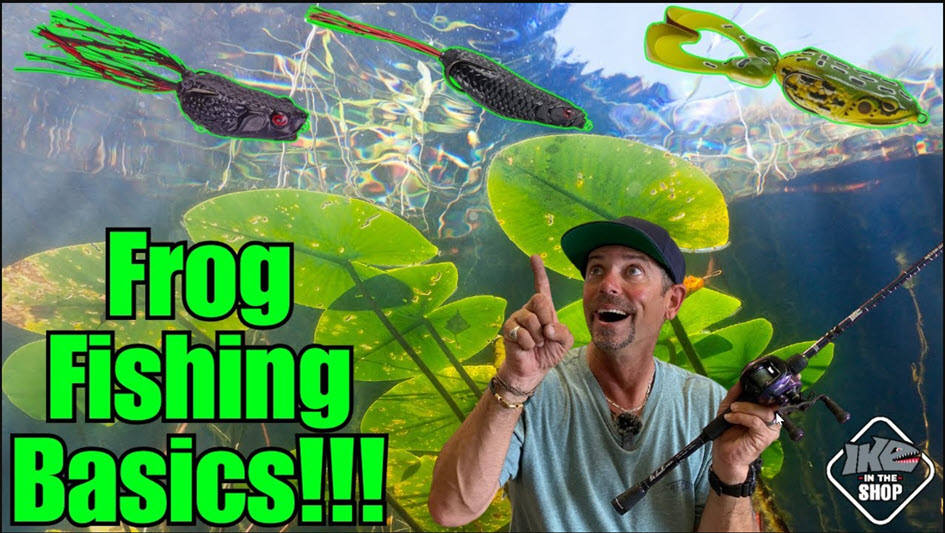
Fri, 12 Jun 2026 16:00:00 +0000https://blog.mikeiaconelli.com/?p=6732Let’s talk about one of my all-time favorite ways to catch bass, frog fishing! If you ask me what technique creates the most heart-pounding strikes in all of bass fishing, my answer is easy: a hollow-bodied frog. There is nothing like watching a giant bass explode through a mat of grass and completely annihilate your bait. The great thing about frog fishing is that it’s not just a summertime technique. As soon as water temperatures reach the mid-50s, a frog can become a player. From pre-spawn through late fall, a frog will help you catch fish in places where most other lures can’t go. Whether you’re fishing grass, pads, wood, duckweed, or open water, frog fishing gives you the ability to target bass in some of the nastiest cover they live in.
One of the biggest mistakes I see anglers make is thinking all frogs are the same. Just like jigs and crankbaits, different frogs are designed for different jobs.
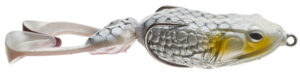
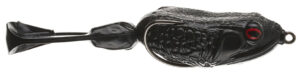
Over the years, I’ve simplified my frog selection into three basic categories. First is a walking frog like the Molix Sneaky Frog, which excels when you want to cover water and create a side-to-side action. Second is a popping frog like theMolix Pop Frog, which is perfect for fishing isolated targets and slowing your presentation down. Finally, there’s theMolix Supernato Frog, a buzzing-style frog that shines
in windy conditions, low-light periods, and around heavy vegetation with open holes. Here’s a quick breakdown of when I use each:
Molix Sneaky Frog – Covering water, sparse vegetation, docks, and heavy mats.
Molix Pop Frog – Fishing isolated targets, bluegill beds, and stained water.
Molix Supernato Frog – Windy days, low-light conditions, and matted vegetation with open holes.
If you have these three frog styles in your tackle box, you’ll be prepared for almost every frog fishing situation you’ll encounter throughout the season.
When it comes to color, I keep things incredibly simple. You don’t need twenty different frog colors to catch bass. I pay attention to what the bass are naturally feeding on. If they’re chasing shad, I lean toward white. If they’re feeding on bluegills or darker forage, I’ll often throw a darker frog or one with some yellow and orange on the belly. Sometimes I’ll even add a little orange marker to the throat of a bluegill-colored frog to make it look more natural. Keeping your color selection simple allows you to focus on location, presentation, and confidence, three things that matter a lot more than having a hundred different colors.
In fact, I rely on just three basic colors to start:
Black for cloudy days, low-light conditions, and dirty water
White for sunny days and clearer water.
Bluegill patterns when bass are feeding around bluegill beds or guarding nests.
Now let’s talk frog modifications. Before I ever tie on a frog, I make a few simple adjustments. The first thing I do is trim the legs because most frogs come out of the package with skirts that are way too long. I cut them shorter and angle the cuts to create more movement. Next, I use pliers to slightly bend the hook points away from the body. This tiny adjustment can dramatically improve your hookup percentage without making the frog any less weedless. Finally, when I’m fishing dirty water, thick mats, or low-light conditions, I’ll add a tube rattle inside the frog. That extra sound helps bass locate the bait and can make a huge difference when visibility is limited. These little adjustments only take a few minutes, but they can turn missed strikes into fish in the boat.
Leader: None—straight braid tied directly to the frog
That setup gives me the power to drive the hooks home and pull fish out of the thickest cover imaginable. Pair it with the right frog for the conditions, and you’re ready for some of the most exciting fishing of the year.
Frog fishing is one of the few techniques where every cast could produce an explosive strike. Keep your frog selection simple, make a few key modifications, and use the proper equipment, and you’ll put more bass in the boat from spring all the way through fall. Trust me, once you experience a giant bass blowing up on a frog, you’ll be hooked for life.
Follow Ike onFacebook, Instagram,X andTikTok for fishing and fun content. Subscribe toMike’s YouTube channel for access to his educational ‘Ike in the Shop’ videos and his ‘Going Ike’ Adventure series!






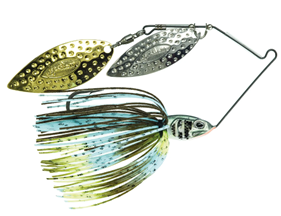 That means I need something that lets me cover water and find those moving fish. My favorite setup is a 3/8- or 1/2-ounce Molix Double Willow Spinnerbait. Those willow blades give you flash, vibration, and the profile of little baitfish, while letting you fish quickly. Cover flats, points, grass edges, pockets, and anywhere you see baitfish activity. The big lesson here is don’t keep fishing where the bass were. When those temperatures start dropping, the bass can move quickly. Pick up that spinnerbait, put the trolling motor down, and go find them!