 In contrast to the sickening images, the face of Pei Feng Su was calm and comforting. She gave off the vibe of a person who was easy to know, with warm eyes and an open visage. I had the feeling that I already knew her. But though we became instant friends, I knew little of her remarkable life story until reading her 2024 autobiography Life of Pei: The Battle for Compassion, My Story and Journey So Far.
People come to animal advocacy along many paths. Perhaps most come from having relationships with animals that convince them of their sentience, and then learning of the ways in which animals are monstrously treated in this world, they begin to speak against it. The more they speak out, the more adamant they begin to feel about wrong treatment of animals and, in time, the more confident they become in their position against it. Discovering pro-animal philosophical resources help in articulating their feelings. Discovering religious teachings that call for humane treatment of animals gives a spiritual dimension to the “battle for hearts and minds” that is how many animal advocates see their efforts.
Pei’s journey to compassion for animals was different from the norm in that she had no childhood bond with animals, and seemingly no positive feelings for them whatsoever, until she encountered a group of animal-loving Buddhist monks in her native Taiwan when she was in her early twenties. It was through Buddhism that Pei learned of animal sentience, the idea that animal souls are equal in value to human souls, and that the first precept of Buddhism is to refrain from killing. One of the monks, Wu Hung, became her spiritual teacher and mentor in animal activism. However, it was many years longer before Pei had her first personal relationship with an animal – a stray cat she encountered and adopted when she was in her early forties.
In the years working with Wu Hung, Pei learned how to campaign in the nominally Buddhist culture of Taiwan, referring to Buddhist precepts of care for all sentient beings to inform the behavior of citizens and then government officials. Pei and her cohort learned to conduct undercover investigations – first into cruel dog pounds where animals were left to starve. Knowledge of the brutal manner of dog control led to an animal welfare law being passed in Taiwan. The campaigning brought Pei and Wu Hung into contact with international organizations. It was through collaboration with the World Society for the Protection of Animals that Pei met her second important mentor, Joy Leney, a WSPA specialist in dog management. Joy became very influential in Pei’s life trajectory.
Pei and Wu Hung developed plans to travel and visit animal organizations in the U.S. and Europe, and it was after those experiences that Joy assisted Pei in relocating to the United Kingdom, where she completed a master’s degree and eventually joined the staff of WSPA, working out of the London office as a China specialist. At that time, WSPA was an organization of member societies that existed throughout the world. It was a unique and valuable role, but one that WSPA eventually abandoned along with the board ouster of its director general and a name-change to World Animal Protection (WAP).

Child learning to gently handle a rabbit during an ACTAsia Caring for Life lesson. Image courtesy ACTAsia.
It was after a few years working for WSPA that Pei began to think of a new mission for herself. In 2006, along with a former colleague from WSPA, Pei formed a new organization: ACTAsia. It would be based in the U.K., where Pei had put down roots, but its purpose would be to “educate children, consumers, and professionals in Asian societies to promote kindness to and compassion for people, animals, and the environment.” The focus of ACTAsia has always been on China, where there is work enough for many organizations. Another one of the groups dedicated to change in China is Animals Asia Foundation, started by Jill Robinson, which aims to end cruel bear bile farming. For many decades there have been animal shelters in China (even in the Mao years), and now there are numerous groups of young Chinese activists working to rescue dogs and cats from the meat trade. There are also a few organizations focusing on wildlife and nature protection. So far, they are tolerated by the Chinese government.
It was about the time Pei founded ACTAsia – after she had become an internationally recognized animal worker and after she had become a mother – that Pei began to love an animal for the first time. This animal was the stray cat referred to above. For animal advocates who have grown up around animals, developing affectionate relationships with animals comes naturally, unless the feeling of kinship with animals that children are born with is conditioned out of them by parents and greater society. This pummeling of natural empathy leads to a psychological state called “cognitive dissonance.” Yet even if we succumb to cognitive dissonance about eating meat – and this is a state that afflicts most human beings who grew up eating meat and feeling bad about it – children may still be allowed to develop deep bonds of friendship and love with animals considered pets. This relationship would include developing a familiarity with the different minds of other-than-human animals. But for Pei, getting to know the cat she named Socks was a mysterious journey full of delights, surprises, and major heartbreak when Socks eventually passed away. Pei finally understood the sadness felt by a childhood friend when her dog died.
In the 18 years since the formation of ACTAsia, it has met with surprising success in the People’s Republic of China, what we think of as mainland China, for its program Caring for Life Education. Caring for Life recognizes people, animals, and the environment as interrelated and interdependent, and aims to teach this concept through the six years of primary and elementary schooling. Unfortunately, it has been difficult for ACTAsia to finish developing the curriculum due to funding insufficiency. This is typical for humane education: everyone agrees it is crucial, but few have the longterm vision to provide donations to this end. It is too longterm for most animal protection donors, who prefer the feel-good of having rescued an animal, say, to preventing the animal from ever having gotten into harm’s way in the first place. Still, Caring for Life Education has won awards and is recognized by the government of the PRC as well as the United Nations. This is no little feat, and it deserves financial support to complete the curriculum.

The reviewer with her copy of Pei’s book.
Life of Pei: The Battle for Compassion, My Story and Journey So Far is told in a conversational style that makes it seem as though Pei is telling you the story of her life over coffee in your living room. As if you are good friends, Pei shares the unembellished truth of her journey. She takes pride in her accomplishments, all of which involved hard work, but there was good fortune too in meeting people who wanted to help make her efforts possible. Pei experienced hardship in her youth, with a harsh father but a mother who was a good role model, who worked hard to provide for five children. Most fortunately, Pei has three devoted sisters who have helped her with money when she needed it along the way, and they have also helped her with various aspects of ACTAsia’s Caring for Life Education program.
In Pei’s Afterword to Life of Pei, you will learn of her latest battle, this time with cancer.
Pei reveals things about her life that make her feel ashamed or embarrassed – things that most people would leave out of their autobiographies. But Pei tells it as she remembers it, as her heart feels it. Like me, when I met her, you too may become Pei’s instant friend after reading Life of Pei.
Pei Feng Su and ACTAsia can be reached at https://www.actasia.org/
Life of Pei: The Battle for Compassion, My Story and Journey So Far is available on Amazon, for $18.60 new, but also used options.
Lantern Publishing & Media, PO Box 1350, Woodstock NY 12498 USA; <lanternpm.org>, Copyright 2024 Pei Feng Su
]]> Ahimsā, or non-violence, is an essential part of Indian culture and is India’s unique contribution to world culture. The principle of compassion towards animals is an indispensable part of Indian culture. When colonialism hit India, there was a radical change. In colonial greed to convert forests into revenue yielding agricultural land, predators were decreed to be vermin and killed, Indian dogs were shooting targets, and cattle were considered useful only as long as they gave milk or pulled carts. The concept of the slaughterhouse to provide meat and leather came into existence. The Indian ethos of compassion collapsed.
Madras was at the forefront of the animal welfare movement. The intellectuals and humanitarians of Madras lent their minds and shoulders to bring about a comprehensive parliamentary act to prevent cruelty to animals and to provide succour for injured and abandoned animals. The book includes a historical review of animal welfare in India and Tamilnadu; the animal welfare movement in the colonial and post-colonial periods; and the contribution of Rukmini Devi Arundale, a woman whose call for compassion made her the voice of the voiceless. There is also an in-depth study of the contributions of the Animal Welfare Board of India, which was situated in Madras-Chennai till 2018, and the Blue Cross of India, which was founded in 1964 and has pioneered Trap/Neuter/Return of street dogs.
The book’s foreword is written by Australian philanthropist Philip Wollen, who has been instrumental in the growth of the Indian animal rights movement. Said Wollen, “India’s success in the Animal Protection space will not happen in a spectacular fashion. The change will be slow, despite the herculean efforts of activists to accelerate the process. And there will be no seminal event that shows we have succeeded. But, as Prashanth’s book has described, we have made a good start. Our victory will not be seen on television. But as Lech Wałęsa, the Polish statesman, dissident, Nobel Peace Prize laureate, and President of Poland wryly observed: ‘The fall of the Berlin Wall made for nice pictures. But it all started in the shipyards’. The wall of animal cruelty in India will be torn down. And it all started in the shelters.”
History of the Animal Welfare Movement in Madras-Chennai, published by CPR Publications, is available on Amazon.

At the launch of the book: Dr. Prashanth Krishna (far left); Mrs. Maneka Gandhi (fourth from left); and Dr. Nanditha Krishna (sixth from left)
What is Animal Welfare?
Animal welfare describes efforts to promote the wellbeing of non-human animals, especially by reducing suffering caused by human activities. Animal welfare recognizes animals as individuals – sentient beings with interests of their own which warrant ethical consideration, including in law and policy. It also interlinks closely with environmental and sustainable development initiatives, including efforts to protect human and environmental health. U.N. Environment recently recognized a “Nexus” between animal welfare, the environment, and sustainable development (UNEA EA.5/Res.1). This document offers a brief overview of animal welfare issues in the context of biodiversity, with specific attention to the targets listed in the Convention on Biological Diversity’s Post-2020 Global Biodiversity Framework.
Direct Exploitation (Targets 5, 9)
 Direct exploitation of natural resources, including wildlife, is recognized as one of the top two human-caused drivers of biodiversity loss across all regions. Globally, the wildlife trade is worth up to USD $220 billion per year, of which up to a tenth is illegal. Increased efforts to combat wildlife crime are essential, but legal trades also pose dire concerns. These include the impacts of fishing, especially highly destructive practices like deep sea trawling; commercial hunting and trapping for meat, fur, and medicinal products; and wildlife farms, which supply 85% of the global fur trade and a growing share of other wildlife products, yet can also drive demand for poaching and provide reservoirs for diseases threatening wild animal and human health.
Trophy hunting is an especially contentious issue, widely opposed by the general public as well as many scientists and economists. Its contribution to conservation funding has been highly exaggerated, accounting for less than 2% of wildlife tourism expenditures. By targeting the largest and most impressive animals, hunting for trophies can disrupt social structures and reduce the genetic fitness of populations.
The pet trade is another driver of exploitation largely overlooked by current policy. Animals in the pet trade suffer trauma, abuse, and inadequate care at all stages in the supply chain. As few as 3 in 10 wild-caught animals survive to final sale, and only 2 in 10 after one year in captivity. Even when legal, the pet trade can exacerbate biodiversity loss. Capture of wild species, especially species understudied or unlisted by CITES, can rapidly imperil populations before the danger is recognized. Legal trade can bolster illegal trade by driving excessive demand, through mislabeling of threatened species as common ones, and via laundering of illegally caught animals to supply registered captive breeding operations. In addition, escape or release of exotic pets is a major driver for the spread of invasive species.
Potential policy solutions include more stringent animal welfare guidelines, closing legal loopholes, and educating the public to reduce demand for exotic animals.
Land & Sea Use Change (Targets 1, 10, 16, 18)
 Land use change is the single largest driver of biodiversity loss in terrestrial ecosystems, consisting mainly of conversion for agriculture. Animal agriculture contributes disproportionately, as 26% of all ice-free land is used for livestock grazing and a further 33% of cropland used for livestock feed. Yet animal proteins can feed only a fraction as many people as plant proteins relative to the land, water, and other resources they require. Demand for meat is increasing throughout much of the world. This is driven in part by the adoption of meat-heavy Western-style diets, as well as government subsidies which reduce the market price of animal products. There is massive opportunity to slow biodiversity loss by redirecting harmful subsidies toward sustainable plant-based agriculture and emerging technologies such as cell-cultured meat and precision fermentation.
Shifting food systems away livestock farming is necessary but not sufficient to prevent biodiversity loss due to agriculture. Conversion for cropland – especially monocultures like oil palm, corn, and soy that are unsuitable as wildlife habitat – is driven not only by food needs but also by increasing demand for biofuels. This highlights the need to better coordinate climate and biodiversity actions.
Ideally, agricultural policy should favor small-scale, localized, and plant-centered food systems, protect locally adapted heritage crops, and promote traditional diets that are healthier and more sustainable than the Western model.
Preventing Pollution (Target 7)
 Wild animals like sea birds, turtles, fish, and whales suffer excruciating deaths from accidentally eating or becoming entangled in plastic. Without drastic action, ocean plastic pollution could quadruple by 2050. Single-use packaging is a major source of plastic waste, along with lost or discarded fishing gear that accounts for at least 22% of marine litter. Plastics become more damaging as they decay, producing microplastics that accumulate in animals’ cells and tissues.
There is an urgent need to control other forms of pollution as well, including pesticides. Predatory species are especially vulnerable to pesticides as they accumulate higher up the food chain. Agricultural waste, including manure from livestock and fertilizers, pollutes waterways and contributes to marine dead zones inhospitable to most life. Waste from farmed animals can transmit antibiotic-resistant microbes to wild species, endangering animal and human health alike. Pharmaceutical waste such as discarded medications can also have debilitating effects on the health of aquatic animals.
Greenhouse gases (GHGs) such as CO2 and methane are another form of pollution that threatens biodiversity, especially in the oceans. Many marine organisms are sensitive to changes in temperature as well as acidity, which rises with increased CO2 and can destroy the skeletons of coral, bivalves, and plankton. Climate pollution is related to land use change, as GHG emissions from animal agriculture rival transportation as one of the top two drivers of climate change.
Managing Invasive Species (Target 6)
 Eradicating invasive species once they’ve become established is extremely difficult, and even when successful exacts a high welfare cost for introduced animals. Moreover, it may come too late to reverse damage to the ecosystem. Prevention must be the first priority, including by regulating the pet trade, a major source of invasive species and the top contributor of invasive reptiles and amphibians worldwide.
Successfully managing invasions requires quantifying their impacts, which vary widely. Occasionally, introduced organisms can benefit ecosystems by filling the roles of already extinct species. When eradication is necessary, it should strive to minimize suffering of invasive animals, harmful side-effects for native species, and psychological harm to people. Enlisting children to kill invasive animals can be traumatic and may desensitize them to violence in general – as does childhood exposure to other forms of animal killing – undermining efforts to nourish pro-nature values overall.
Non-lethal methods of population control are available for some species. With proper management and funding, trap-neuter-return programs can be effective at reducing cat populations and are less vulnerable to public backlash than culling. Species-specific edible contraceptives are now commercially available for rats and pigeons, two of the most common invasive species worldwide. Research and development should be encouraged to develop products for additional species. Such methods are especially viable for geographically isolated areas, such as islands, and are less likely to result in collateral harm to native wildlife than are poisons or lethal traps.
Finally, invasive species policy must recognize the natural occurrence of range shifts and changes in ecosystem composition, especially due to climate change. As temperatures increase over the next few decades, many species will be forced to migrate to higher latitudes or elevations to survive.
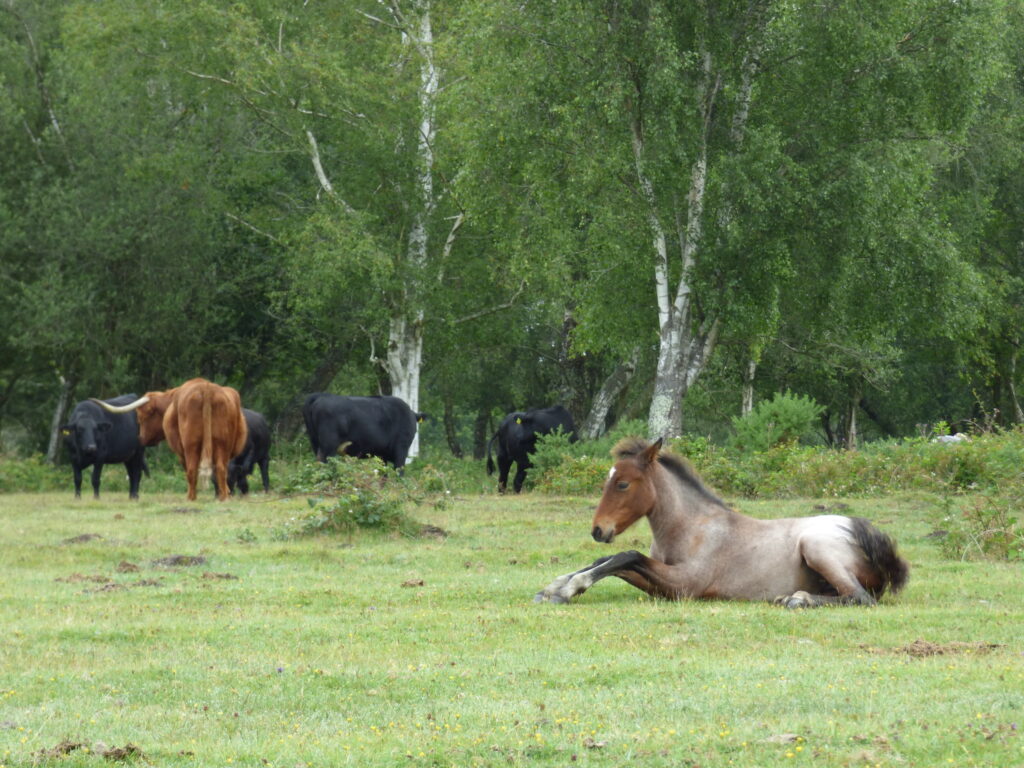 Rewilding and Restoration (Targets 2, 12)

Safeguarding and restoring biodiverse areas will not be possible without simultaneously slowing and reversing land use change. Transitioning from animal agriculture to more sustainable food systems could free up to a third of ice-free land for restoration, making it an invaluable strategy for achieving the goal of “30 by 30” and the even more ambitious “Half-Earth” proposal to restore global habitat. Such a transition would not only greatly reduce total climate emissions but restore natural carbon sequestration by forests and biodiverse grasslands.
Protecting habitat does not necessitate displacing people. Rewilding organizations increasingly recognize wilderness as a spectrum rather than a binary, as many wild species can flourish even in areas with relatively high human presence. It is vital to engage local communities in efforts to preserve the ecosystems with which they coexist, including by promoting non-consumptive use such as ecotourism, offering payment for ecosystem services, and recognizing the tenure rights and traditional knowledge of Indigenous peoples.
Wildlife reintroduction and translocation is an essential part of restoring ecosystems, yet such efforts can be severely stressful for animals and may result in high mortality with low rates of success. Almost a quarter of reintroduction projects see more than 50% mortality, yet only 6% specifically consider animal welfare. Better accounting for the health and wellbeing of animals, including ascertaining their chances of survival once released to their new habitats, is likely to improve the success of reintroduction efforts.
Sources and Further Reading
- ACTAsia (2022). China’s Fur Trade and its Position in the Global Fur Industry. https://www.actasia.org/resources/executivesummary2022/
- AITC & Animal People (2019). Animal Protection and Sustainable Development: An Indivisible Relationship. https://animalissuesun.org/book-download
- Anderson, A.A. et al. (2021). CITES and beyond: Illuminating 20 years of global, legal wildlife trade. Global Ecology and Conservation 26(3), e01455. https://doi.org/10.1016/j.gecco.2021.e01455
- Boone, J.D. et al. (2019). A long-term lens: Cumulative impacts of free-roaming cat management strategy and intensity on preventable cat mortalities. Frontiers in Veterinary Science 6, 238. https://doi.org/10.3389/fvets.2019.00238
- Cooney, R. et al. (2015). The trade in wildlife – A framework to improve biodiversity and livelihood outcomes. International Trade Centre. https://doi.org/10.13140/RG.2.2.15126.29767
- Du Toit, J.T. & Pettorelli, N. (2019). The differences between rewilding and restoring an ecologically degraded landscape. Journal of Applied Ecology 56. https://doi.org/10.1111/1365-2664.13487
- Eisen, M.B. & Brown, B.O. (2022). Rapid global phaseout of animal agriculture has the potential to stabilize greenhouse gas levels for 30 years and offset 68 percent of CO2 emissions this century. PLOS Climate 1(2), e0000010. https://doi.org/10.1371/journal.pclm.0000010
- FAO (2012). Livestock and Landscapes. https://www.fao.org/3/ar591e/ar591e.pdf
- Fleiss, S. et al. (2022). Implications of zero-deforestation palm oil for tropical grassy and dry forest biodiversity. Natural Ecology & Evolution. https://doi.org/10.1038/s41559-022-01941-6
- Gerber, P.J. et al. (2013). Tackling climate change through livestock – A global assessment of emissions and mitigation opportunities. FAO. https://www.fao.org/3/i3437e/i3437e.pdf
- HIS. The Fur Trade. Humane Society International. https://www.hsi.org/news-media/fur-trade/
- Innolytics, LLC. The Effects of OvoControl® P (nicarbazin) on Non-target Birds and Other Wildlife. https://www.ovocontrol.com/ovocontrol-research
- IPBES (2019). Summary for Policymakers of the IPBES Global Assessment Report on Biodiversity and Ecosystem Services. https://ipbes.net/global-assessment
- IUCN (2022). The impact of bear farming on wild bear conservation: A decade of collaborative research. Crossroads. https://www.iucn.org/crossroads-blog/202209/impact-bear-farming-wild-bear-conservation-decade-collaborative-research
- Jaureguiberry, P. et al. (2022). The direct drivers of recent global anthropogenic biodiversity loss. Science Advances 8(45). https://www.science.org/doi/10.1126/sciadv.abm9982
- Jepson, P. et al. (2018). Governing with nature: A European perspective on putting rewilding principles into practice. Philosophical Transactions of the Royal Society B 373, 20170434. https://doi.org/10.1098/rstb.2017.0434
- Lee, S. et al. (2022). Transmission of antibiotic resistance at the wildlife-livestock interface. Communications Biology 5, 585. https://doi.org/10.1038/s42003-022-03520-8
- Lockwood, J.L. et al. (2019). When pets become pests: The role of the exotic pet trade in producing invasive vertebrate animals. Frontiers in Ecology and the Environment 17(6), 323-330. https://doi.org/10.1002/fee.2059
- Lundgren, E.J. et al. (2021). Equids engineer desert water availability. Science 372(6541). https://doi.org/10.1126/science.abd6775
- Magouras, I. et al. (2020). Emerging zoonotic diseases: Should we rethink the animal-human interface? Frontiers in Veterinary Science 7, 582743. https://doi.org/10.3389/fvets.2020.582743
- Martinez, N. & Cuautle, M. (2017). Impact of pharmaceutical waste on biodiversity. In L.M. Gómez-Oliván (Ed.), Ecopharmacovigilance. https://doi.org/10.1007/698_2017_151
- Murray, C.K. (2017). The Lion’s Share? On the Economic Benefits of Trophy Hunting. Economists at Large. https://www.hsi.org/wp-content/uploads/assets/pdfs/economists-at-large-trophy-hunting.pdf
- Pires, M.M. (2014). Reconstructing past ecological networks: The reconfiguration of seed-dispersal interactions after megafaunal extinction. Oecologia 175, 1247-1256. https://doi.org/10.1007/s00442-014-2971-1
- Ribeiro, L.P. et al. (2019). Bullfrog farms release virulent zoospores of the frog-killing fungus into the natural environment. Scientific Reports 9, 13422. https://doi.org/10.1038/s41598-019-49674-0
- Ritchie, H. (2021). If the world adopted a plant-based diet we would reduce global agricultural land use from 4 to 1 billion hectares. Our World in Data. https://ourworldindata.org/land-use-diets
- Rodolfo-Metalpa, R. et al. (2011). Coral and mollusc resistance to ocean acidification adversely affected by warming. Nature Climate Change 1, https://doi.org/10.1038/nclimate1200
- Schulson, M. (2022). In a world that still traps animals, can science limit suffering? Undark. https://undark.org/2022/01/10/in-a-world-that-still-traps-animals-can-science-limit-suffering/
- Siev, A. (2022). Detailed Discussion of the Exotic Pet Trade. Animal Legal & Historical Center. https://www.animallaw.info/article/detailed-discussion-exotic-pet-trade
- Springman, M. & Freund, F. (2022). Options for reforming agricultural subsidies from health, climate, and economic perspectives. Nature Communications 13(82). https://doi.org/10.1038/s41467-021-27645-2
- Tekman, M.B. et al. (2022). Impacts of Plastic Pollution on Marine Species, Biodiversity and Ecosystems. WWF Germany. https://doi.org/zenodo.5898684
- Tensen, L. (2016). Under what circumstances can wildlife farming benefit species conservation? Global Ecology and Conservation 6, 286-298. https://doi.org/10.1016/j.gecco.2016.03.007
- Tricoles, R. (2017). Birth control for rats? Don’t laugh, it’s a reality and cities want it. University of Arizona News. https://news.arizona.edu/story/birth-control-rats-dont-laugh-its-reality-and-cities-want-it
- Wallach, A.D. et al. (2015). Promoting predators and compassionate conservation. Conservation Biology 29(5), https://doi.org/10.1111/cobi.12525
- Wang, Z. et al. (2021). Recovery of tropical marine benthos after a trawl ban demonstrates linkage between abiotic and biotic changes. Communications Biology 4(212), 212. https://doi.org/10.1038/s42003-021-01732-y
- WellBeing International (2022). Resource Document on the Nexus Between Animal Welfare, the Environment and Sustainable Development, First Edition. https://www.wellbeingintlstudiesrepository.org/exhibit/nexus/resource-document/
- WFA & Born Free (2022). What the Post-2020 Global Biodiversity Framework Must Do for Animals, People & Nature. https://wfa.org/wp-content/uploads/2022/11/WFA-WG-Position-on-GBF.pdf
Scientists agree that human activities are the cause of the environmental crisis that we are facing. Unfortunately, one of the main causes of climate change and environmental destruction is underestimated by almost everyone, that is animal agriculture (AA).
We need to properly acknowledge the part that animal agriculture plays in the environmental crisis.
In a recent article in the Journal of Ecological Society, Dr. Silesh Rao details the real environmental impact of AA, which he calculates to be the cause of up to 87% of greenhouse gas emissions. This figure is much higher than estimated by the United Nations’ Food and Agriculture Organisation (FAO), but takes into account the cumulative effect of the clearing of land for AA over the centuries, and the reduced ability of land destroyed for AA to control climate warming. Ignoring factors such as these in their calculations means that the IPCC (Intergovernmental Panel on Climate Change) and others are underestimating the impact of AA.
Another miscalculation relates to methane. Animal agriculture produces carbon dioxide, methane, nitrous oxide and black carbon. Methane is up to 80 times more potent a greenhouse gas than CO2, and nitrous oxide is up to 300 times more potent. Nitrous oxide also degrades the ozone layer. Yet these gases have a much shorter lifespan than CO2, so reducing them would bring a faster and more significant impact on global warming than by focusing on CO2 alone. Methane degrades into the less harmful CO2 after about 10-12 years, but the IPCC uses a timeframe of 100 years in its calculations. The IPCC has therefore badly underestimated the impact of methane and the global warming damage it causes each year compared to CO2.
It doesn’t help that the FAO, the source of the IPCC’s data, has formed an official partnership with the meat and dairy industry called the Livestock Environmental Assessment and Performance (LEAP) Partnership.
Nevertheless, the latest IPCC report released on August 9th, 2021 does show that scientists view reducing methane emissions as a necessary path of action. This has often been missed out of summaries of the report. Additionally, a leak from the next IPCC report, due out in March 2022, says more about animal agriculture, and states that plant-based diets can reduce greenhouse gas emissions by up to 50%.
However, greenhouse gas emissions are only one of the negative impacts of animal agriculture. AA is also a main cause of deforestation, desertification, habitat destruction, wildlife extinction, and ocean dead zones… all of which act upon each other and on the climate in a vicious cycle, contributing to the problem of global warming. These should all be taken into account when calculating greenhouse gas emissions.
I strongly feel that the scientific community, government institutions, businesses and news media must change their priorities, because concentrating solely on eliminating fossil fuel usage while ignoring animal agriculture will not be enough to halt global warming.
I myself am mainly addressing the Catholic Church and her institutions and organisations, in the hope that she will lead the world in the right direction. I have been campaigning for the Church to raise the status of the environment and of animals for decades, and getting absolutely nowhere until the Laudato Si Encyclical arrived. But animal agriculture and animal suffering are still low on her agenda. The Catholic Church and Catholic initiatives like Cafod and to a certain extent the Laudato Si Movement (previously Global Catholic Climate Movement) tend to ignore animal agriculture. Regarding divestment, they concentrate on calling for divestment from fossil fuels, but divestment from animal agriculture is essential, at least as important as divestment from fossil fuels. In fact, listening to the Encyclical Laudato Si’s message about an integrated approach, we should be calling for divestment from all unethical investments: those which are environmentally damaging, cruel (exploiting animals), harmful (tobacco, alcohol), enslaving of humans, financing the arms trade and so on.
We don’t have to wait for governments to act. As individuals we can choose to give up or eat less meat, dairy and fish – every meal counts. It is now easier to find non-meat options because supermarkets have recently increased their range of plant-based options, and have even started placing them next to the meat to make it easier for the consumer in their moment of choice. When we go to the supermarket, we can either choose to increase climate change, or choose to be part of the solution.
We are reaching tipping points where the effects of climate change become irreversible. To heal the planet, we have to end animal agriculture, including meat, dairy and fish farming and trawling. We have to transition to organic, arable farming, incorporating permaculture and wherever possible forest gardening. We can make a significant decrease in global warming if we immediately transition away from AA, starting the process of methane reduction and knock-on effects of reducing land, water and air pollution, habitat destruction, deforestation, desertification, loss of biodiversity and ocean death. That’s the good news in a miserably sad state of affairs.
Featured image: cows along the side of a road running through the Brazilian Amazon. Image credit CIFOR, CC BY-NC-ND 2.0.
]]>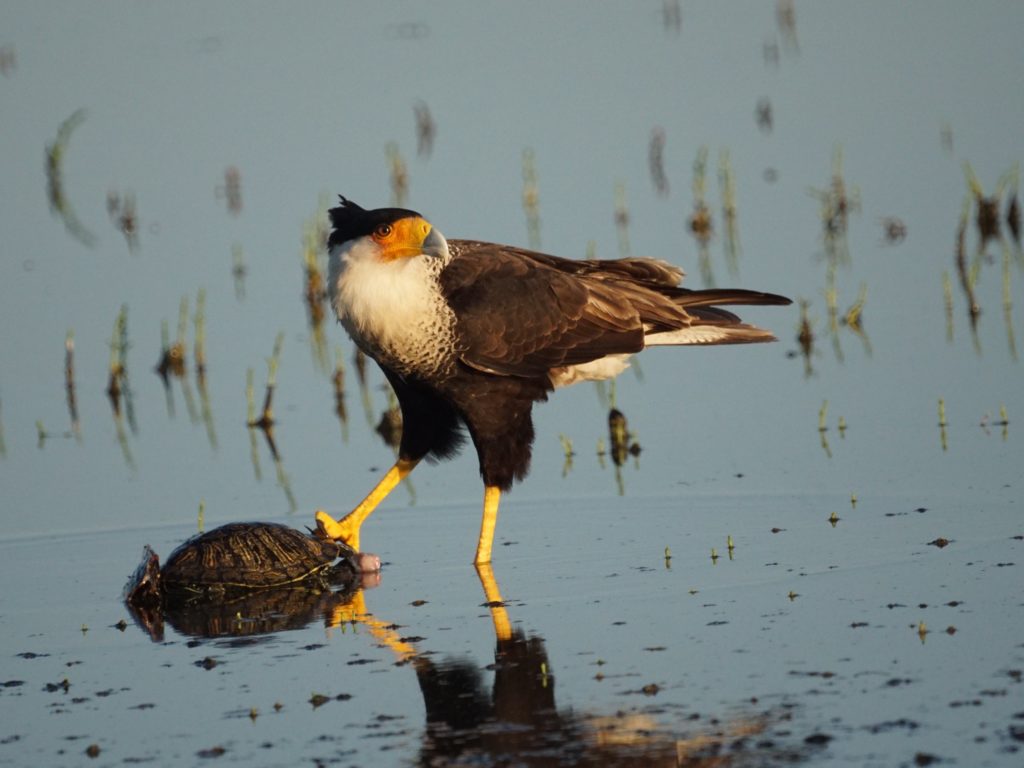
Obviously, this presents a number of ethical concerns. If a new species turns out to be critically endangered, the killing of even one individual can significantly increase the species’ probability of extinction, not only by reducing the total population number but by removing genetic diversity, orphaning young, or disrupting larger social structures. The collection of specimens for scientific study has in fact tipped several species over the edge; for example, the (in)famous ornithologist Rollo Beck killed nine of the last 11 known Guadalupe caracaras and three of the last four Pinta Island tortoises for museum collections. Although modern conservation biologists are undoubtedly more cautious in collecting than the naturalists of centuries past, it remains fully possible that the process of describing a new, rare species could do more to further endanger it than to protect it.
Besides threatening conservation, the killing of an animal should also raise ethical concerns in itself. The decision to take any sentient life demands careful cost / benefit analysis and consideration of whether the same information can be obtained through non-lethal means. If we accept that capacities like self-awareness, social relationships, and the capacity to suffer (now well documented in many animal groups) entitle a being to moral consideration, we must seriously reflect on whether we even possess the right to obtain new information at animals’ expense. Will naming a population of animals as a new species directly benefit those left alive, serving a “greater good” large enough to outweigh the fear, pain, and death of the holotype? As ornithologist Thomas M. Donegan (2011) puts it:
“I consider that killing should not be undertaken lightly or for reasons of convenience as is currently the practice. And even if we consider that it is on the facts impossible to test a certain hypothesis without taking a specimen, we should ask a final important question: whether we as human beings have the right to find out the answer to that question where to do so would require the death of another creature.”
Killing in order to study (and therefore conserve) may also create an “image problem” for conservation, confusing the general public, creating backlash against conservationists, or setting an example for amateur nature enthusiasts that it’s okay to kill wildlife out of curiosity.
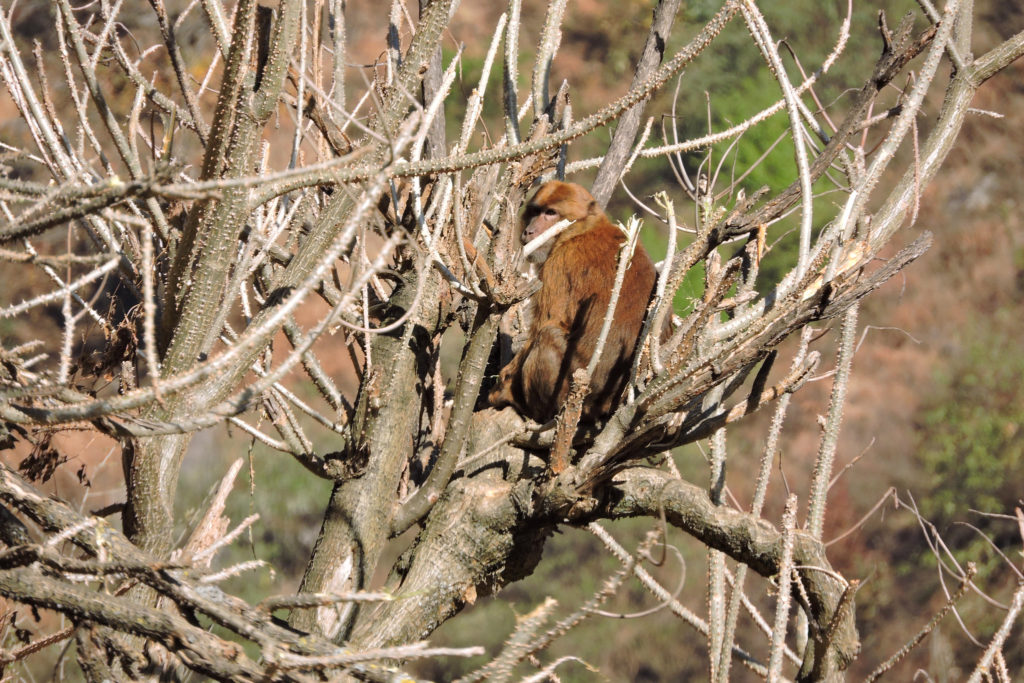
Although physical type specimens remain the norm in taxonomy, there have been instances in which new species have been described (and accepted by the scientific community) without collecting an individual. In botany it was once the norm for many plant species to be described from photographs or even detailed drawings, although as of 2007 this is no longer allowed for new botanical taxa. In mycology, new species of fungi have been named based solely on genetic samples from environmental DNA. In zoology, several species have been named in peer-reviewed publications using photographs of living animals as holotypes, including the Arunachal macaque and Bugun Liocichla. In the latter case, the bird’s discoverer Ramana Athreya (2006) specifically cited conservation concerns in opting not to kill a specimen, as the entire known population consisted of only three breeding pairs.
Photographs, hair/feather samples, or genetic material may be sufficient in order to distinguish new taxa and base decisions on how to protect them, and photos and movies may make better holotypes for organisms that don’t preserve well. New technologies could also produce other alternatives for traditional holotypes, such as next generation trail cameras that can produce detailed 3D models from a series of photographs. Some researchers remain skeptical of alternatives to killing, arguing that physical specimens provide the most detailed information, offer security against hoaxes and forgery, and are necessary to differentiate closely related species that may appear outwardly the same. However, naming species without killing holotypes is fortunately becoming more mainstream, as scientists grapple more with the ethics of killing, especially in the midst of a biodiversity crisis.
It is time for conservation biology to move away from killing members of new species in order to describe them. Transitioning to non-lethal methods of study may create temporary inconveniences for some zoologists, but scientists of all people must not be afraid to innovate, especially to better save both endangered species and the living individuals of whom species consist.
Featured image: frog specimens in jars. Image credit kqedquest, CC BY-SA 2.0.
]]>In an interview with evolutionary psychologist Dr. Diana Fleischman, she offered her insight on these questions and others. While Dr. Fleischman has shared end goals with many ethical vegans and members of the animal rights and protection movement(s), her perspective and positions often differ in ways that some may find challenging and controversial. Read our discussion below to learn more about why she became disillusioned with strict vegans, why she says animal abuse is “normal,” and why she doesn’t think changing human feelings is the best way to reduce animal suffering.
Dylan Forest: You have an interesting perspective, as an evolutionary psychologist and someone also interested in reducing animal suffering. Can you tell me about what you specialize in when it comes to your academic work, and how nonhuman animal sentience and suffering became a focus of your intellectual life as well?
Dr. Diana Fleischman: I became attracted to evolutionary psychology, in large part, because the evolutionary perspective on human psychology readily compares human and nonhuman animals. When we look at animals, it’s uncontroversial to take an evolutionary perspective on their behavior. Considering both human and nonhuman animals through an evolutionary lens led me to take animal suffering seriously, and to ascribe moral status to the experience of animals.
I’ve worked on many different areas as an evolutionary psychologist, but disgust is where I have the most expertise. Disgust is a rare emotion that might be uniquely human, and disgust has a lot to do with meat eating and other aspects of human-animal relationships.
You’ve aligned yourself in the past with sentientism, which is, in short, the stance that moral consideration should extend to those who are sentient, or those who can suffer. How do you consider this distinct from veganism, and why is that difference important?
Let me preface this by saying I am positive towards the foundational precept of veganism, that we should avoid using animals as much as is possible. There are also a lot of vegan sentientists. But, after spending several years as a strict vegan who kept company with other strict vegans, I became pretty disillusioned with the attitudes and approach of the vegan community. In my experience, vegans have a fairly black and white view of the world. You are either vegan or not. Most vegans believe all animals matter equally morally. Having a piece of cheese, a burger or a spoonful of honey are all equally bad because they are all equally not vegan.
After seeing vegans focus on what beer or bread is vegan or whether a restaurant was frying tofu in the same oil as cheese or meat I realized that, unfortunately, veganism attracts a lot of people who are obsessed with food purity. This purity focus detracts from a focus on animal suffering and makes people take vegans less seriously. This became even more apparent when I started to endorse eating oysters and mussels as in keeping with the spirit of vegan ethics [see part 1 and part 2 of Dr. Fleischman’s exploration of the ethics of eating bivalves].
A sentientist approach is more concerned with the degree of suffering or harm, based both on an animal’s ability to suffer and the quality of their lives. I’ve written before that we should consider our “suffering footprint.” Sentientism is an evidence-based utilitarian moral perspective—one that sees gradients of harm and that prioritizes the experience of the suffering organism. Sentientism, like utilitarianism or effective altruism, doesn’t come to any ironclad ethical conclusions. That’s its biggest strength and its biggest weakness.
It’s also important to mention that sentientism is still evolving as a philosophy. Jamie Woodhouse, for example, also connects sentientism to secular humanism. I have many controversial views, and I wouldn’t want anyone to think that my views are representative of all sentientism.
There is a widely-held belief among animal advocates that cruelty to animals is a strong indicator of serious mental health issues and/or predictor of additional violence and criminal behavior. This is often referred to as “The Link.” You’ve argued, instead, that animal abuse is normal. Can you expand, briefly, on what “normal” means for someone with an evolutionary perspective, and why you consider harming animals to be within the range of normal behavior?
As an evolutionary psychologist, I believe a cynical view of human nature is, more often than not, a correct view of human nature. The fascination that we have with nonhuman animals and the desire to figure out what they are thinking and feeling, which leads some of us to take their suffering seriously, evolved to better enable us to exploit them for food. Predators from house cats to dolphins to human hunter-gatherers all play with other animals. About half of college students in one study admitted to having abused an animal. But animal abuse isn’t the same as torturing many animals to death for fun. The latter is probably evidence for some dysfunction and what people are mostly thinking of when they think of “animal abuse.”
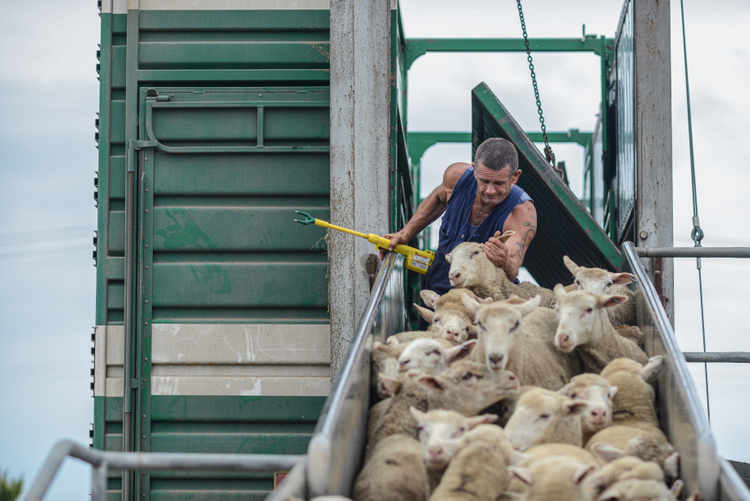
Finally, I think the moral panic around animal abuse is ironic, given that in the process of eating factory farmed animal products (99% of animal products on the market) we are, indirectly, getting pleasure though animal suffering.
I find this perspective on animal abuse compelling, but it also leaves me with many more questions about what this means for the movement to reduce animal suffering. If we accept abusing animals as a normal, evolved part of human behavior, where does our movement go from there? How does this inform your thinking about the best strategies to improve animal lives?
I think it’s normal and natural for parents to physically punish their children, for men to hit women, for people to cheat, exploit and murder one another. If any of these things weren’t normal and natural we wouldn’t need laws, punishment or social stigma. Only through a realistic view of where we are, can we overcome our natural human inclinations. Our species evolved intelligence, cooperation and civilization on the suffering and subjugation of others. The flourishing of every group of humans through history, and every civilization, whatever its virtues or vices, has developed on the backs of other groups of humans, on their subjugation and suffering. Normal and natural things, even if they led to where we are today, aren’t necessarily good or moral. Because I think humans slip effortlessly into abusing nonhuman animals, especially when humans are farming animals for food, I think the best way forward to stop humans from abusing animals is to make this kind of farming unnecessary. That’s why I’m such a big proponent of technologies like clean meat.
It can be hard for many animal advocates to keep from harboring serious cynicism about humans. We often try to tell ourselves that our species is good and compassionate deep down, but something has happened to change those who hurt animals. What are your thoughts on how an evolutionary perspective challenges this assumption, and how do you keep yourself from becoming misanthropic in light of this?

I know that cats often torture other animals to death for fun, I know that dogs often eat shit, and I know that the capacity for cruelty is part of being human. These facts don’t make me hate dogs, cats or humans. It’s our delusions about human benevolence that make us feel misanthropic when we are continually exposed to evidence to the contrary. Civilization is really the web of education, incentives and punishments that make consistent prosocial human behavior possible. In light of this, every day I feel grateful for civilization, rather than misanthropic about humanity.
Many people seem to see efforts to expand our circles of compassion as a linear path, where we are marching towards a world that is increasingly just and compassionate. You’ve said that “an evolutionary perspective does predict limits to this moral expansion.” What do you mean by this, and what do these limits mean for the fight for animal liberation?
Compassion isn’t the state of nature for human beings. It’s natural and easy to afford compassion and care to our close family and our close friends, because there is something selfishly in it for us. Our family members have our genes and our friends help promote our interests. Moral expansion has been possible in the developed world because of civilization, education, safety, nutrition and health. But, our capacity for compassion is not limitless.
In Peter Singer’s famous child in the pond thought experiment, he highlights the discrepancy between how we’d feel (and what we would sacrifice) seeing a child drowning right in front of us, and how we ignore the suffering of children who we can’t see. But the thought experiment probably can’t make you feel the same compassion and urgency for millions of suffering children that you’d feel for one drowning child. Our feelings are not a good guide to what is moral or good, because they evolved to promote our interests. If most of us cannot feel compassion or feel compelled to act on behalf of people we don’t know or people who don’t look like us, what hope is there for fish or chickens?
That’s why I don’t think we should depend on changing human feelings to promote the interests of animals. We should use evidence and rational thought to consider how to bring our behavior in line with our ethical views. That’s why I endorse clean meat, because it makes it effortless for humans to stop harming animals, rather than relying on a limited expanding circle of compassion.
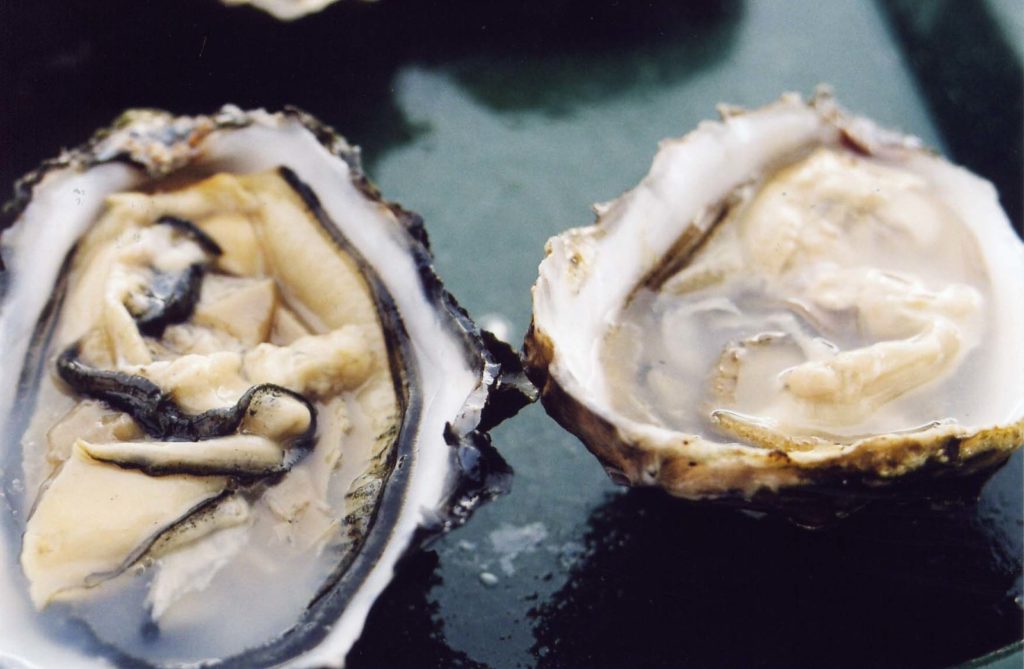
You’ve made the argument that cultivated oysters and mussels are almost certainly ethical to eat, and you’ve outlined your reasoning for this stance in detail. I find this scientifically-informed argument convincing, but I’ve been surprised by how many ethical vegans are hostile towards even discussing the issue. The answer I’ve frequently heard is “I don’t need to eat them, and they aren’t vegan, so why would I even think about this question?” How would you respond to this?
First, the scientific taxonomic category of “animal” is based on features like multicellularity, consuming oxygen and fast movement (in comparison to plants), not the capacity for suffering or sentience. Veganism is defined as not eating or using animals. So, the category of what is and isn’t vegan, in my opinion, doesn’t map perfectly onto sentience, and we shouldn’t expect it to.
Second, not everyone thrives on a vegan diet. So I made the argument that oysters and mussels offer some nutrients that are difficult to get in a vegan diet without supplementation, like cholesterol and vitamin B12. But it’s not that surprising that the same group of people who would argue about using honey would be hostile towards eating some bivalves. It’s indicative of the kind of purity, disgust sensitivity and black-and-white thinking I found in the vegan movement more generally.
You’ve endorsed clean (also called lab-grown) meat as a good way to reduce animal suffering, but you’ve also identified our evolved tendency to feel disgust over certain foods as a potential barrier to clean meat consumption really catching on. I wonder about disgust sensitivity and whether it could be an asset for the animal protection movement. What does your understanding of disgust over food tell you about whether there might be a way to activate disgust over eating animal flesh so that fewer people eat meat?

There are many vegans and vegetarians who come to a principled ethical stance about eating meat through their disgust sensitivity towards meat. People tend to be much more disgust-sensitive towards red meat as opposed to fish, chicken and eggs. So it’s common for people who just don’t like eating beef to round themselves up to vegetarian. All of us have met chicken and fish eating “vegetarians.” These disgust-sensitive self-described vegetarians almost certainly eat less meat than people who don’t describe themselves as vegetarians at all, but I’m not sure how much of an impact it makes. There is good evidence that we are more wary of and disgust sensitive towards meat and animal based foods and anything that seems “unnatural” compared to plant based foods. This is what has worried me about clean meat, that uptake is going to be limited by this aspect of evolved psychology. But, I’ve been heartened recently to see more people saying they will try it. I’m also optimistic because people in the clean meat space seem to be aware that they have to roll out this product carefully if they want to avoid the fate of GMO foods.
Featured image: hominid skulls. Image credit NightCity85, CC BY-SA 2.0.
]]>Yes, we’re responsible for incredible suffering
That the presence of humans on this planet could be a good thing for animals probably sounds like a counterintuitive idea to many readers. On my blog I have a post titled “Would you press a button to make humanity go extinct?” Many of the comments on the post suggested that yes, indeed, it would be good if humans went extinct somehow. Some comments were actually so full of expletives about the human race that I didn’t publish them.
Obviously, Homo sapiens are responsible for incredible suffering of both farmed and wild animals. Regarding farmed animals, we raise and slaughter about seventy-five billion of them every year, with most of them living and dying in appalling conditions. This excludes the number of fish raised in aquaculture, who are measured by weight. Regarding wild animals, there are the billions of fish we catch in the sea, and there is the devastating impact of our human activity on the climate, wildlife habitats, and so on. There is no way to deny any of this.
If our species would suddenly disappear entirely, certainly those seventy five billion chickens, cows, pigs and so on would not be raised anymore.3 They would simply not exist and therefore not suffer, which would be a good thing. The fish would no longer be plucked out of the sea. As the traces of our existence would fade away, anthropogenic climate change would, after quite some years, become a thing of the past. The wild animals would claim all the areas that we took from them, and would live their lives free of any human impact. It would be as if we Homo sapiens had never been here.
I know that to some people, a scenario like this sounds great. And indeed, going by just this reasoning, one can understand why people who love animals, as well as the natural world at large, would see many benefits in humans no longer being around.

But life in the wild is no picnic
I think the belief that the absence of humans from the planet would be a good thing for animals is often based on the idea that life for animals in the wild (which, without the presence of humans, would be the state for all animals) is generally okay, and that even if it isn’t, it could not or should not be improved on by humans.
This view, I think, is misguided. It is important to emphasize that we’re dealing with a lot of uncertainty here, but it is quite possible that life in the wild entails on average more suffering than joy for many species of animals. This would be so because in the wild, almost all creatures have to constantly deal with tremendous challenges, like shortages of resources (suffering from hunger and thirst); averse climatological circumstances like drought, heat or cold; disease; parasites; predators and so on. It’s hard to have a truthful idea at this moment, for instance, of how often and how intensely the fear of a predator impacts an individual’s quality of life, just to name one thing, but some research demonstrates that the fear predators inspire can have PTSD-like effects in prey animals.
Objections to alleviating wild animal suffering

It’s quite possible that you do believe that the lives of wild animals are full of suffering, are maybe even hellish, but that you also think that 1) we should not try to make things better and/or we can not reliably make things better (by “reliably” I mean without making things worse).
First the should not. You might think that even if the best available evidence suggests that we can make things significantly better for at least some animals in some areas, we should not do so when we are not the cause of their suffering. This seems erroneous to me. We will, at least in theory, alleviate the suffering of humans even if we don’t have anything to do with that suffering. Why would we only protect wild animals from human harm, but not from the harm nature may inflict on them? For the animal in question, it obviously does not matter what the source of their suffering is. The idea that we shouldn’t try to prevent natural harm coming to animals is probably based on the mistaken idea that there is a fundamental divide between the natural and the human world, and that what happens in nature, stays in nature, so to speak.
Second, the could not. You may believe that yes, there is a lot of suffering in nature and that yes, it would be a good thing if we’d make things better for wild animals, but that we can not reliably do so. This, I think, is a mistake as well. There is no reason to think that at the very least in certain limited situations (but probably on a much grander scale as well) we could not reliably make things better. Indeed, we are already doing so here and there. One example is the eradication of rabies in fox populations in Europe. And on a small scale, many of us would save animals from natural disasters like forest fires.
Improving on the natural state
I could point you to many horrible videos of what happens in the wild (with no human being responsible for it). If you’re not convinced that it can be really bad, please go have a look (here is one, for instance of two baboons eating a gazelle alive, while we can hear her cry out). I say this because your view of how good or how bad things are in the wild probably influences your answer to the question whether humans should improve upon the lives of wild animals if they can reliably do so.
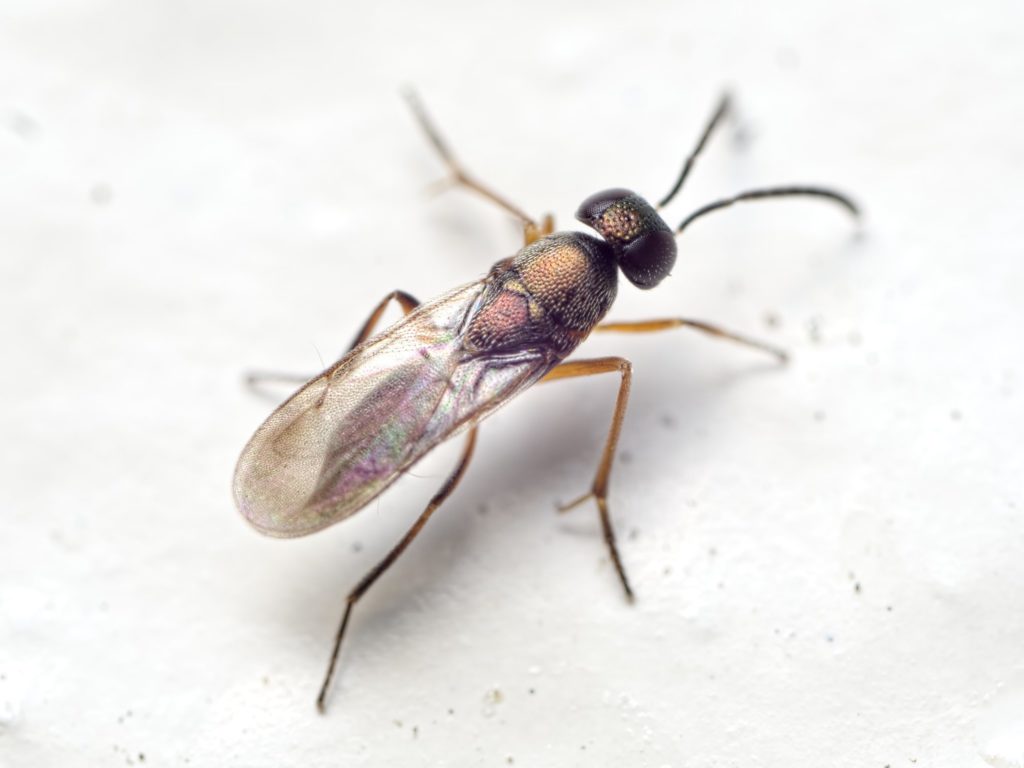
For now, I am going to assume that you agree with me that the natural world can be a very harsh place and that life in the wild can be quite bad for many individuals, at least for certain periods of time.
Clearly, humans did not consider the natural state – where one is so vulnerable to disease, predation, parasites or the climate – a desirable state. And so, after thousands of years, we have to quite some degree managed to escape the dangers and limitations of this natural state – including some of the limitations of our own biology – by developing culture, science and technology. We consider it generally a very good thing that we are now less vulnerable to disease, starvation, and predation than we once were. So why would we not wish this for every sentient being on earth, be they wild or not wild, human or not-human?
Humans are also capable of a lot of good
What you think about all this will depend, among other things, on your view of humans, and on where you think we might be headed in the coming decades and ages.
Those who believe humans better disappear may compare us to being a cancer for this planet. There is, as stated, certainly a lot of horrible stuff that we do. Even as we are already capable of incredible technological feats, and even as we are already doing beautiful things, both for our fellow humans and for other species, there is still a long way to go.
Technologically, we are already capable today of improving the lives of animals in the wild to some extent, but we will probably be able to do much more in the future. Morally, our civilization in general is not yet at a level where it would put a lot of effort into helping non-human beings, and therefore indeed the technology that we do have is often used to the detriment of wild animals. You may believe it will never get any better, and that we’ll just keep destroying the planet and all who live on it. But there is no reason that this would be a given.
There are many reasons to think that our civilization is advancing: that we are creating affluence for more and more people, turning our backs on more and more forms of discrimination, inventing ever more powerful technology that could at least in theory make the world better. Interestingly, it seems hard to be unbiased in our views of human progress, and there seems to be a perception that those who believe in progress are often more conservative than those who think things have never been worse. It seems more politically correct, as it were, to not believe in progress.
The long term view
No doubt will we continue to inflict harm on animals, both wild and domesticated, for quite some time. And yes, if humans disappeared now, the suffering that we presently inflict would be avoided. However, let’s take a long term view. Suppose that after, say, three hundred years we achieve a moral and technological level that allows us to structurally improve the wellbeing of all sentient creatures. This would mean that a potentially infinite number of generations of wild animals would be able to benefit from our advancements for potentially many, many millennia. Whereas, if we had disappeared, those wild animals would have lived on in their wild situation, with little hope of improvement, for potentially eons to come.
The vast majority of this planet’s sentient beings are non-human wild animals. If the human species would disappear, the chance of creating a world that is a good place to live for most earthlings is lost. Maybe not lost forever, but it could take millions of years before another species could be able to rise above the limitations which the natural world has imposed on it, and pull off such structural and significant improvements.

Many people will point out how our interventions in nature usually have really terrible effects. But those interventions weren’t done with the intention to make things better for wild animals in the first place. They are thus no point of reference and can’t tell us much about the value and consequences of more well-intentioned and skillful interventions in the future. Many people will also describe the idea that we can and should improve the lives of wild animals as hubris, or arrogance. Our species has certainly been guilty of hubris, but there is, again, no reason why we could or would only act out of hubris, and recklessly. We may, in the future, do very careful trials and experiments, inspired by compassion for our fellow earthlings, and with humility. Hubris need not remain a part of it.
In conclusion
I need to again emphasize that there is a lot of uncertainty in all of this. We won’t know for some time how good or bad different individuals within different species have it in the wild. We don’t know to what extent humans will continue to have the opportunity to smarten up and wise up.
Still, we have good reason to believe that wild animals are experiencing a lot of suffering in the natural world, and that humans, even as we are still inflicting a lot of harm on both wild and domesticated animals, might some day be in an excellent position to help them. Similarly to how we use technology to improve the lives of human beings (just consider how humans suffered before we discovered anesthesia), a strong case can be made for using science and technology to improve the lives of non-humans who are in desperate need of help. We can learn to do this carefully, gradually, with humility, and with compassion. And so, if we consider all sentient life, it seems reasonable to suggest that the continued existence of humans is a good thing, or at the very least has the potential to be a good thing, for the non-human world.
Thanks to Jack Hancock Fairs for his comments on a draft of this article. Check out his great Youtube channel.
A bibliography on the topic of wild animal welfare, with articles by people who have thought about these things much more than I have, can be found here. I applaud all researchers, philosophers, biologists, etc., who are not shying away from studying this very important topic.
Featured image: Earth from space. What would the planet be like without humans? Image credit Kristian Fagerström, CC BY-SA 2.0.
]]>
Shark finning is a cruel practice that entails cutting off a shark’s fins — often while the shark is still alive — and throwing the mutilated body in the ocean, where the helplessly immobile shark will suffocate, bleed to death, or succumb to an attack by a predator.
First introduced in 2016, the Shark Fin Sales Elimination Act overwhelmingly passed the House of Representatives in late 2019 after amassing 287 cosponsors. The Senate companion, led by Senators Cory Booker (D-NJ) and Shelley Moore Capito (R-WV), garnered 46 cosponsors in the Senate and cleared the Commerce Committee, but did not receive a floor vote.
“Sharks have existed for hundreds of millions of years on this planet, and yet these remarkable apex predators now face one of the biggest threats to their survival because of the demand for their fins,” said AWI President Cathy Liss. “Three-quarters of oceanic shark species are at risk of extinction. Passing legislation to clamp down on the global shark fin trade is essential if we are going to protect sharks and maintain functioning marine ecosystems. We are grateful to Representatives Sablan and McCaul for their steadfast leadership.”

Although tasteless, shark fins are considered a delicacy and used in traditional East Asian soups and other dishes. According to an online database maintained by AWI, more than 200 restaurants across the United States continue to offer shark fin products.
Federal lawmakers have twice acted to curb the growing demand for shark fins. In 2000, Congress passed the Shark Finning Prohibition Act, which banned the possession of shark fins in US waters absent the rest of the shark’s body. And in 2010, Congress passed the Shark Conservation Act, requiring fishermen in US waters to bring sharks ashore whole, with their fins attached. Unfortunately, loopholes and lackluster enforcement have allowed shark finning to persist, with the United States playing a significant role in exporting fins around the world.
Fourteen states and three territories have already enacted bans on selling shark fins in response to the dire threats facing sharks worldwide. Canada, the largest importer of shark fins outside of Asia, banned shark fin imports and exports in 2019.
Featured image: the endangered scalloped hammerhead shark is one of many shark species threatened by the shark fin trade. Image credit Kris-Mikael Krister, CC BY-SA 2.0.
]]>

As it has been named by scholar Iyan Offor, a second wave of animal ethics from the margins seems ready to dismantle the oppressive structures within the contemporary animal law movement. These structures reify the systemic injustices outside of these institutions, from speciesism to misogyny to white supremacy to transphobia. In this context, groups such as Rights for Animal Rights Advocates (RARA) and the Interconnected Alliance (formerly incubated and affiliated with Sinergia Animal) have developed to protect the rights of workers, who face sexual harassment and violence, unfair labor practices, activist burnout, and high rates of PTSD, and to help organizations build solidarity with other social justice movements. Led primarily by those who have been excluded, eclipsed, and ignored by the single-issue vegan approach, these second wave advocates—exemplified by the work of S. Marek Muller, Corey Wren, Julia Feliz, pattrice jones, Aph and Syl Ko, Sunaura Taylor, Maneesha Deckha, Margaret Robinson, Dr. A. Breeze Harper, and Christopher Sebastian—offer a total liberation approach to animal ethics. This approach decenters whiteness and critiques the entanglements a single-issue approach to animal liberation has with ableism, capitalism, and cisheteropatriarchy.
It is from this genealogy that S. Marek Muller’s Impersonating Animals: Rhetoric, Ecofeminist, and Animal Rights Law emerges. Muller’s text offers a direct challenge to the burgeoning animal law movement, asking advocates and lawyers to interrogate their tactics, rhetoric, and goals. Impersonating Animals is a call to action for animal advocates and lawyers to challenge the inconsistencies and ideological incoherence of their discourse, in part by questioning whether or not it is saturated in uninterrogated histories of colonialism and white supremacy and whether it impedes social justice. Building on decades of work by vegans of color, she introduces their critiques of the mainstream vegan movement to rhetorical analysis, arguing that an organization’s discourse, rhetoric, and legal arguments are in and of themselves forms of power that affect materiality. Her chapters ask why specific legal arguments were created, how they function, what their impact is, why they succeed and/or fail, and what a critical vegan rhetoric can offer animal law rhetoric.
The animal law movement has used multiple frameworks in which to address animal liberation: inherent rights, personhood, and vegan abolition as exemplified by Gary Francione. Muller argues that both welfarist and rights approaches to animal law ultimately fail to accomplish true liberation and only reify existing structures of oppression. As an alternative, she posits a critical vegan approach to animal law that fights for multispecies justice and is built upon the pillars of ecofeminist theories, feminist legal studies, and critical animal studies.
Muller’s first chapter, “Critical Refurbishments: Feminist Legal Theory and Rhetorical Methodologies,” introduces the Enlightenment foundation and liberal humanist thought that has informed contemporary animal welfarist and rights law. She argues that these positivist frameworks, which rely on rationality and sentience, are “ultimately insufficient for producing lasting social change and justice.” Muller also critiques the normative utilitarian and rights-oriented discourse espoused by Peter Singer and Tom Regan, which has been adopted by the mainstream vegan movement, and instead offers an ecofeminist and critical animal studies theoretical genealogy to inform contemporary animal law. Specifically, in this chapter she introduces theorists working towards decolonization to conversations concerning animal law, total liberation, and rhetoric studies.
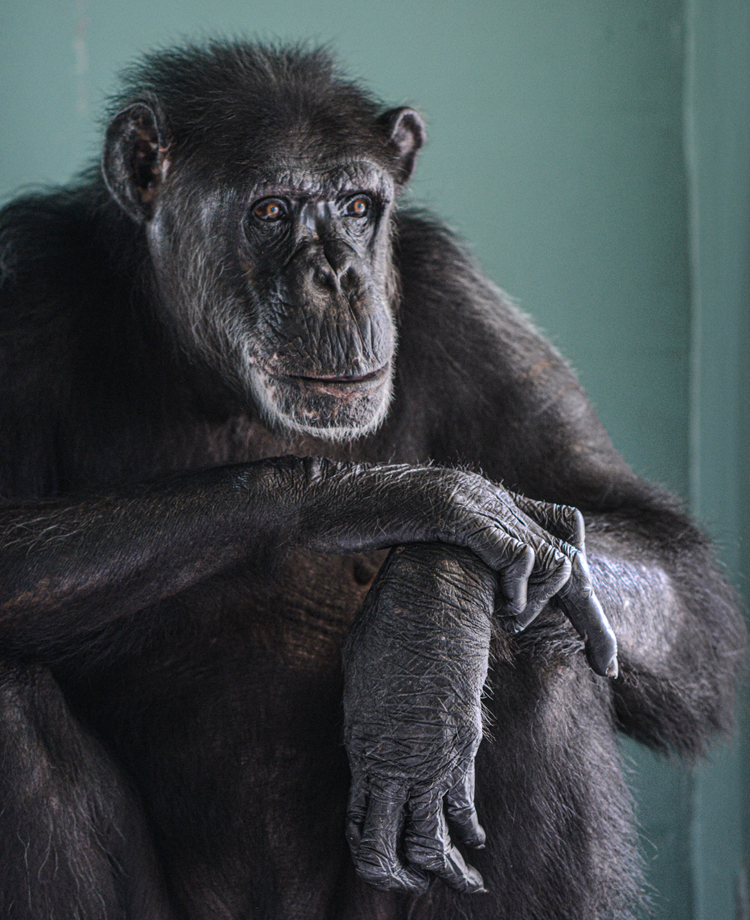
In “All Animals Are Equal (but Some Are More Equal than Others,” Muller goes on to critique the personhood framework and its surrounding discourse exemplified by the Nonhuman Rights Project, which she contends is an example of “taking a legal formalist approach to animal rights.” She argues that the Nonhuman Rights Project’s focus on the legal status of apes, elephants, dolphins and whales reifies human exceptionalism and posits that only animals distinguished as similar to humans are worthy of moral consideration. Muller explains that “humanist notions on positive/negative rights…[are]rife with speciesism” and that a precedent sent by this organization would actually “harm an animal rights agenda more than help it.”
In the third chapter, “For the Good of the Species,” Muller challenges the success of the rhetoric and legal arguments of the esteemed legal advocate Gary Francione. Despite his vegan abolitionist work, Muller contends that that Francione’s “vehement essentialisms ultimately align with a mode of legal and moral positivisms that prohibit total liberation.” Muller illustrates how by offering a “faux-intersectional veganism,” Francione’s work is at fault of being an example of “species essentialism.” Through an analysis of his blogger battle with celebrated scholar-activists of color Ruby Hamad and Breeze Harper, Muller also demonstrates how Francione “represents a strain of postracial rhetoric.”
Muller’s fourth chapter, “Radical Envrionmentalism as Animal Rights Law,” explores the potential for animal rights law to work towards total liberation by engaging with environmental legal thought. This chapter is especially timely, as Randall S. Abate’s second edition of What Can Animal Law Learn From Environmental Law? was recently published, with contributors heralding from organizations such as the Animal Legal Defense Fund, Richman Law Group, and Harvard Law School’s Animal Law & Policy Program. However, like the earlier case studies, Muller finds that “while Earth jurisprudence is perhaps the closest…to adhering to an ecofeminist legal theory, it ultimately misses the mark.”
Impersonating Animals offers a comprehensive history of the main tensions within the animal advocacy movement today. Authored by an authority on this subject, who also is an activist-scholar invested in total liberation, this text not only is mandatory reading for animal law students, but also animal lawyers and advocates working within the institutions that she critiques. Muller articulates an “animal rights and vegan ethics…that rhetorically decenters hegemonic ideologies and allows for a more complex view of how ‘animals’ and ‘animals’…interact and ‘intra-act’ through complex systems of power.” Integral to Muller’s critical vegan rhetoric is open interrogation with histories of colonialism, white supremacy, and cisheteropatriarchy that inform contemporary political economies as well as rhetoric.
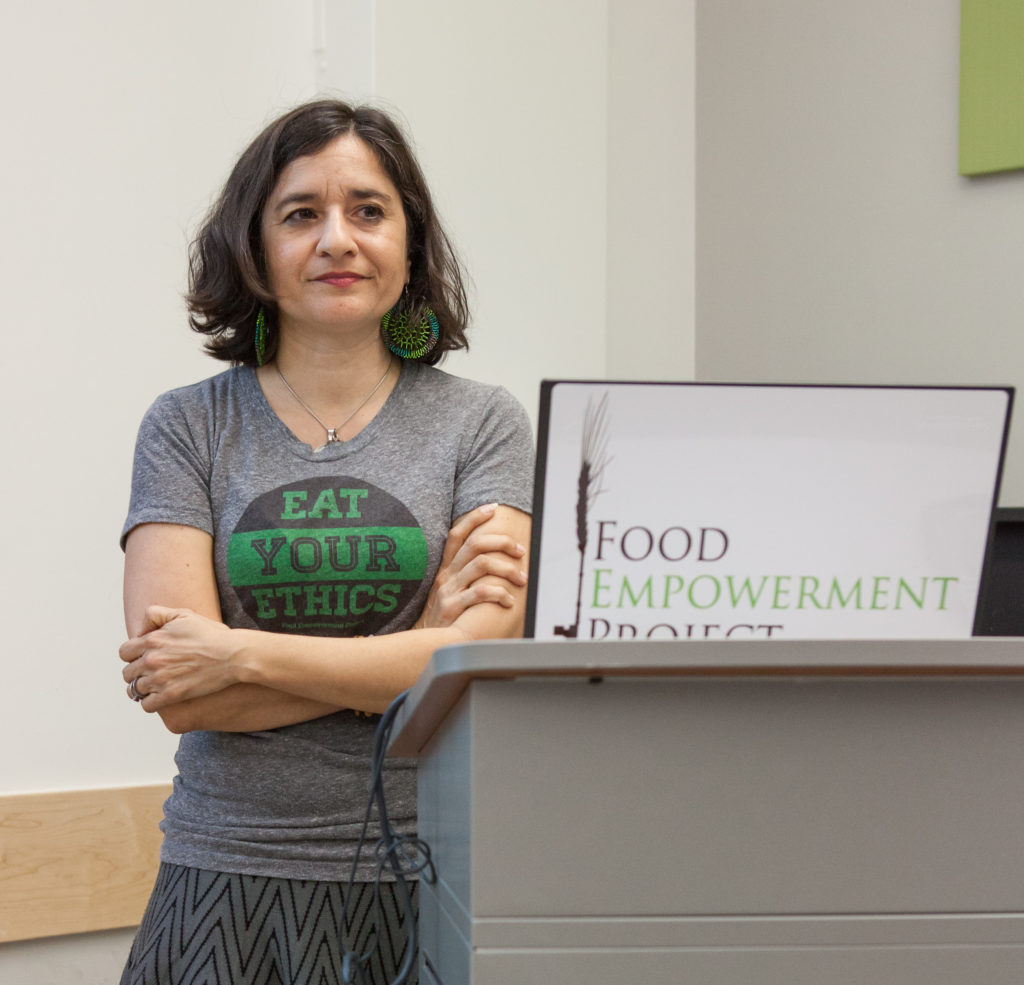

Muller argues that animal law must shift from a pragmatist approach that does not challenge the liberal humanist legal system to an animal rights law that encourages both grassroots community lawyering approaches as well as top-down traditional legal work. Furthermore, this new approach must work both within and outside of legal institutions, and embrace a total liberation approach that includes pursuing human, as well as non-human, empowerment. Muller offers the Food Empowerment Project as an example of this approach towards total liberation work.
In the context of recent unionization efforts at plant-based food company No Evil Foods and the Animal Legal Defense Fund, as well as the recent organizing of the group Rights for Animal Rights Advocates, this conversation is more important than ever. In order to fight for nonhuman justice, outside and within animal law, it is imperative that we embrace a critical vegan rhetoric that is focused on achieving liberation for all.
Featured image: a judge’s gavel. Image credit slgckgc, CC BY-SA 3.0.
]]>This fragmentation and lack of data is what the Global Dog Campaign hopes to address. The campaign was launched by WellBeing International (WBI), a relatively new NGO with animal welfare veteran Dr. Andrew Rowan at the helm as President. With a number of talented experts on their team and a focus on the holistic well-being of animals, humans, and the environment, WBI hopes to help coordinate a more effective global movement to end dog hardship and homelessness.
In an interview with Dr. Andrew Rowan, we discussed the logistics of the Global Dog Campaign, why it’s needed, and how data can help improve the well-being of both dogs and human communities.
Dylan Forest: WellBeing International’s Global Dog Campaign has an ambitious goal: to “end dog hardship and homelessness across the world.” Why did WellBeing International decide to focus on this issue in particular?
Dr. Andrew Rowan: The well-being of all animals (and people and the environment) is a fundamental value for how WellBeing International approaches the world and the task before it. That said, as a new NGO, we clearly must focus our efforts and projects. Members of the WBI team have had decades of experience identifying and addressing well-being challenges for dogs (and cats) and the communities that house them. We felt that the growth of global animal protection and projects managing dogs (and cats) around the world provided a great opportunity to make significant progress in ending dog (and cat) homelessness.
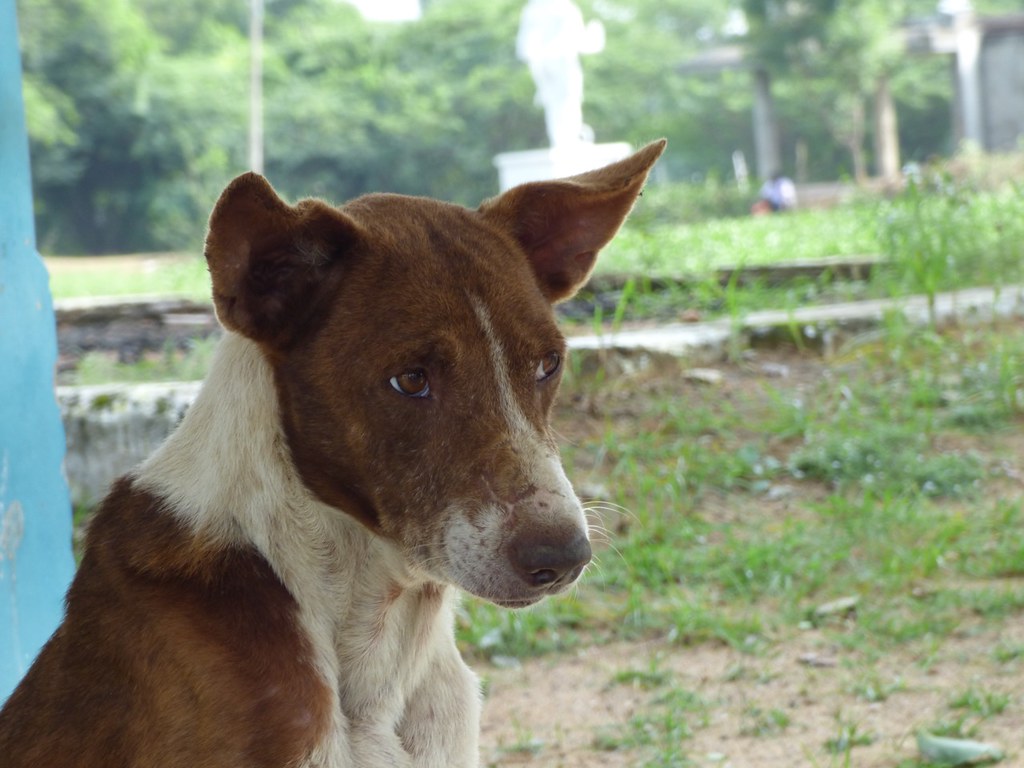
WBI identified a need where greater attention to the collection and reporting of data on dog populations and their trends could make a significant difference for dogs, people and their communities. We also saw that human-dog interactions have been changing in a positive direction (in some cases, changing dramatically) for both people and dogs over the past ten to twenty years, and yet not much attention was being paid to these changes nor to their possible impact on people, communities and dogs across the globe.
One of the preliminary goals of this campaign is to gather data about dog homelessness and existing efforts to address it. Why is this data important for your larger goals? Is there a scarcity of data available specifically regarding the effectiveness of various responses to dog overpopulation?
In WBI’s approach, it is essential that program design, implementation and then evaluation is built upon and informed by the collection and reporting of accurate data followed by sound analysis. However, there is a surprising lack of data, both in the developed world and elsewhere, demonstrating that specific dog (and cat) management approaches are effective. There are also no data storage systems where people can record what their programs are accomplishing or where others can find guidance on how to design their own projects. WBI aims to raise the global awareness of the importance of systematic data collection, data storage and data evaluation to inform and guide effective dog (and cat) management for the benefit of the animals and the communities they inhabit.
There is, unfortunately, a global shortage of data addressing companion animal management, especially for projects implemented for longer than five years. There are only a handful of time series data sets that cover more than a decade. Given that addressing the dog homelessness issue will require at least ten years and probably longer, the need for, and use of time-series data is going to be very important.
In low- and middle-income countries across the world, it is easy to find alarmist reports about the growing stray dog (or stray cat) population. However, when actual surveys are conducted, these claims are mostly unsupported. A few years ago, experienced colleagues surveyed the number of street dogs in an Indian city and estimated there were around 5,800 street dogs. The municipality who had contracted the survey team refused to pay for the survey because, they claimed (without any supporting data) that there were at least 50,000 street dogs in the city. In the USA, conservation biologists claim that outdoor cat numbers are increasing dramatically but the actual data on cat intakes into US shelters indicate that annual intakes (that may reflect just how many stray and feral cats there are in the country) have dropped by more than 50% since the 1970s.
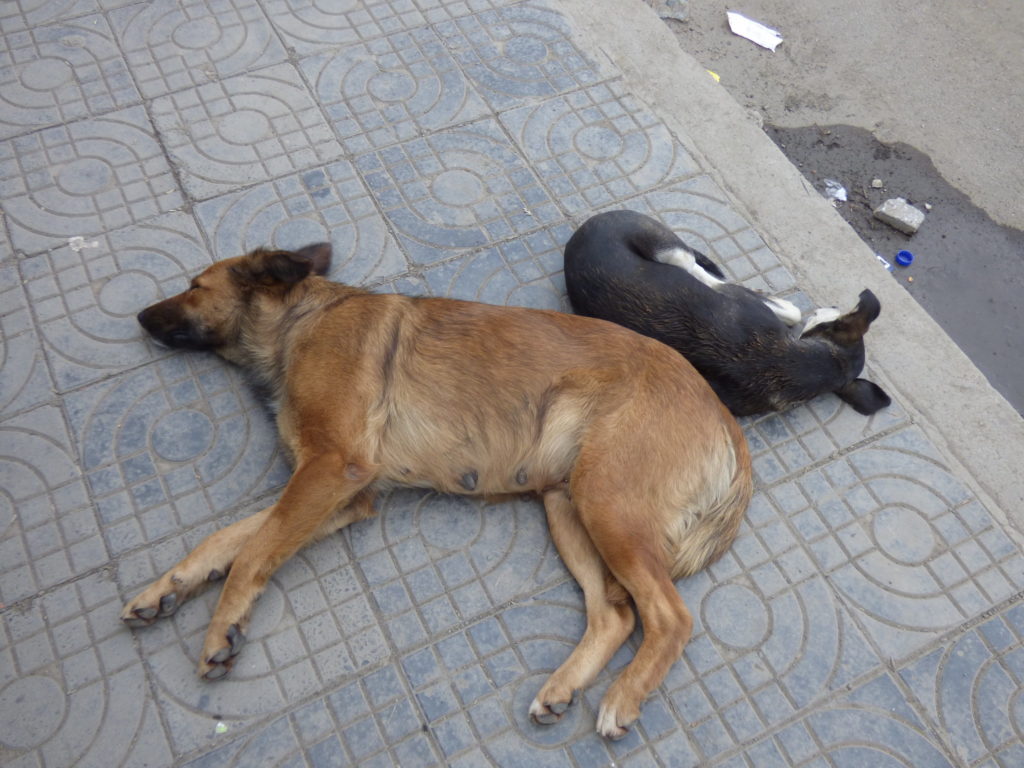
Today, greater attention is being paid to data on dog and cat populations but there are still many gaps and many extravagant and unhelpful claims that complicate attempts to identify appropriate management actions to address homeless and unwanted dogs and cats.
Some efforts to reduce homeless dog populations include culling dogs. What are your thoughts on culling as a response to dog overpopulation, and will the Global Dog Campaign be gathering data about these interventions and their effectiveness as well?
The World Health Organization now states that culling dogs is an ineffective approach to dog management and rabies reduction. This is largely because it is very hard to reduce the roaming dog population sufficiently to prevent a rebound within a year or two. These days, dog culling produces a significant negative public reaction and so municipalities are increasingly looking for alternative management options. Culling still occurs, but there is no data demonstrating that it is an effective response to reduce dog bites, zoonoses or nuisance. At this time, WB’s selected flagship projects do not include communities where dog culls are being implemented.
Higher populations of homeless dogs are associated with low and middle-income countries (LMICs). Why do you think we see a link between more homeless dogs and lower incomes?
The available data do not necessarily link dog homelessness to low average GDP. There are large variations in the number of “homeless” dogs per 1,000 people. Thus, in Pakistan and Afghanistan, the number of “homeless” dogs per 1,000 people ranges from around 10 to 40. In India, the number of homeless street dogs ranges from around 20 to 100. In the Philippines, there are regions where there are as many as 3-400 street dogs (not necessarily all “homeless”) and in Latin America, some rural areas have as many as 800 roaming dogs per 1,000 people.
On the other hand, it is correct that there are very few “homeless” dogs in most high-income countries (with Chile, Greece, Hungary, Panama and Romania being exceptions to this rule). High-income countries have more resources as well as more animal protection organizations and this probably explains why only a few high-income countries have substantial “homeless” dog populations. As WBI collects, stores and analyzes data from its flagship projects, we hope to improve our predictive model incorporating these differences and to improve estimates of homeless dog populations around the globe.
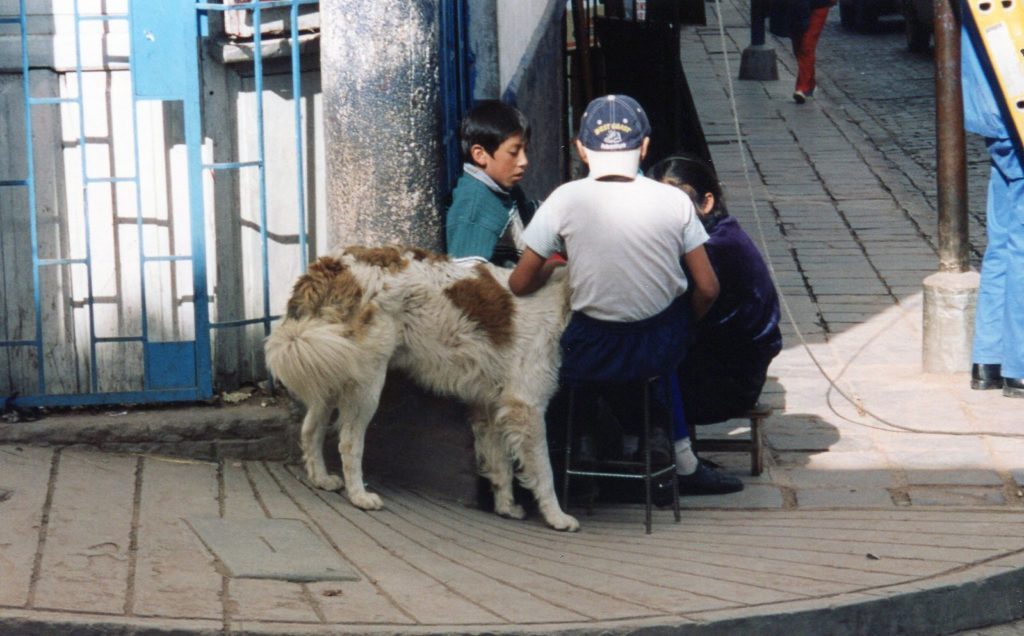
I’m curious about the concept of dog “homelessness,” particularly when there are varying cultural understandings of how dogs and people should co-exist, especially globally. Do you think that making sure each dog has a human home (reducing homelessness) is always the best solution to the animal welfare and public health issues frequently associated with higher populations of free-roaming dogs?
This is a very good question. “Homelessness” is an imprecise term and WellBeing International has been involved in discussions with a group of scholars to discuss just what might constitute homelessness. For example, one recent research report found that 95%+ of the street dogs in two communities in Bali and two townships in South Africa were claimed by homes in those communities. But the dogs spent all their time on the streets, did not receive routine (or any) veterinary care and did not sleep at night in a secure place. It is now becoming clear that many street dogs receive some food and water from homes in the community and that these homes take some, minimal responsibility for the animals. In the end, it was decided that a “homeless” dog was one who spent most or all of their time on the streets, did not have safe shelter, was not vaccinated and did not receive veterinary care (but may receive food scraps and water).
The proportion of a country’s dog population that is “homeless” appears to be changing. In the United States, a 1950 survey of the nation’s dog population estimated there were 32.6 million dogs in the country and that 10 million (one-third) of them were unowned strays (i.e., “homeless”). Today, there are 76.8 million dogs in the country and probably less than one million (or 1%) are unowned strays. In Costa Rica (where one of our Flagship Partners is located), the percentage of dogs who sleep indoors at night has increased from 27% in 2003 to 66% in 2020. WellBeing International expects dog ownership in Costa Rica to continue to evolve to the benefit of dogs, people and the veterinary profession. In contrast, in a country like India, perhaps three-quarters of the dogs are “homeless.” We need to understand why these changes occurred in the United States and are occurring in Costa Rica and accelerate those changes for the 320 million dogs that are “homeless.”
An important component of The Global Dog Campaign’s model is the prioritization of collaboration and community-led solutions. Why is it important to incorporate communities themselves into planning and implementing this initiative, rather than just choosing one solution to use everywhere?
WBI, in keeping with its mission, feels strongly that we must address the interests of people, animals and the environment in order to create and deliver sustainable solutions. WBI will have to structure programs (and produce results) so that communities (not just NGOs but local authorities, commercial interests and the public) recognize the benefits to themselves of such programs. Communities, out of concern for the welfare of the animals and/or the management challenges that animals bring, must recognize that they can effectively manage their animals. The Global Dog Campaign will provide tools, guidance and expertise to help them identify what will work in each community.
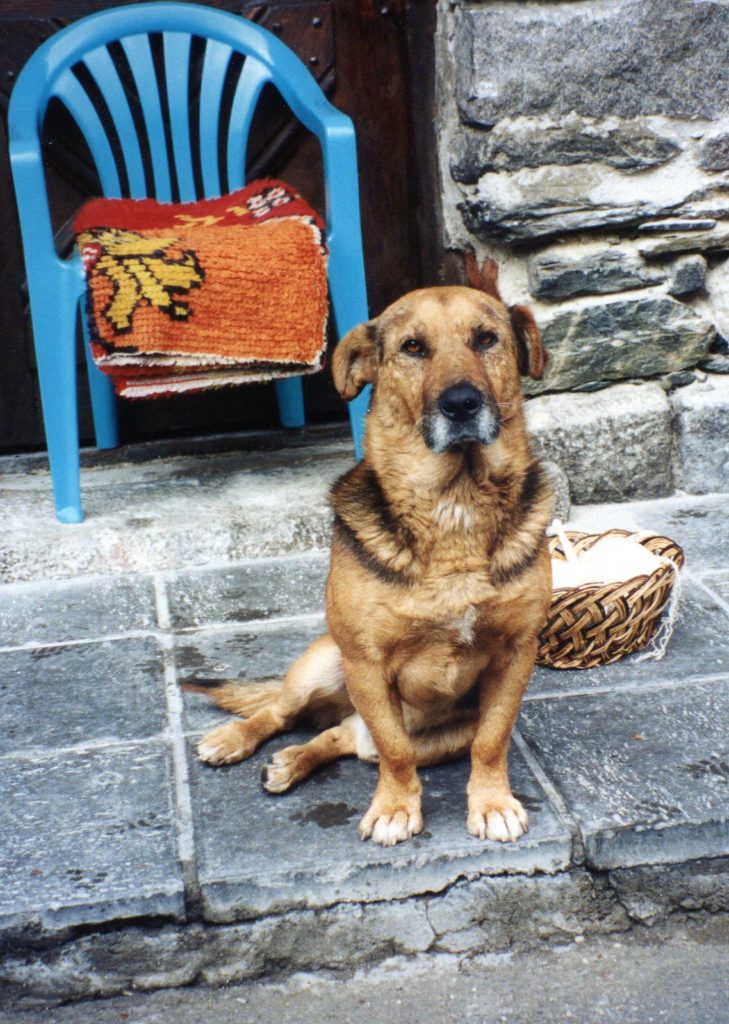
It has been estimated that the direct global cost of rabies is around $2 billion annually. A recent report on the economic and health benefits of dog sterilization for Jaipur, India reported that the economic benefits of the 20+ year sterilization and vaccination program carried out by Help in Suffering, one of our Flagship Partners, amounted to the equivalent of $5.62 million dollars, whereas the total cost of the project amounted to $659,000 (an 8.5 cost-benefit ratio). In addition, those costs were borne by Help in Suffering, whereas the benefits accrued to the people of Jaipur and the municipality.
We are beginning to see growing involvement by relevant authorities in such dog sterilization and vaccination projects in India (e.g., the state of Uttarakhand and the city of Ahmedabad are both expending resources on such projects). As we report on and promote the benefits of CNVR projects, we expect to see more government resources devoted to such programs, in addition to the efforts of animal NGOs, taking the global challenge to scale!
This is a big and ambitious initiative, which I imagine will go through several phases and take time to fully implement. Can you tell me about where in the process you are now?
The Global Dog Campaign is conceived as an overlay of support for the many existing direct care projects aiming to address “homeless” and pet dog welfare issues around the world. It is WBI’s belief that most local projects do not have the funds or inclination to collect data appropriately. WBI will provide the technical support and expertise as well as the necessary platforms to collect, record, store, analyze and report the data needed to track progress and impact and provide guidance on how to use the data to adapt the project as needed. WBI plans to facilitate community outreach including providing support for appropriate staffing and community engagement. For example, we will provide a website page as part of the Global Dog Campaign website and also plan to support engagement of the local community via the Global Dog Campaign social media channel. Finally, WBI will provide some support for the direct care of dogs.
So far, WBI has recruited talented professionals with expertise in the subject matter, survey methods, biostatistics, geospatial analysis and management. The team has the appropriate skill sets to deliver results, who have a demonstrated ability to work as a team, have a sense of humor and who are dedicated to the mission. Most have donated their services in our start-up phase.
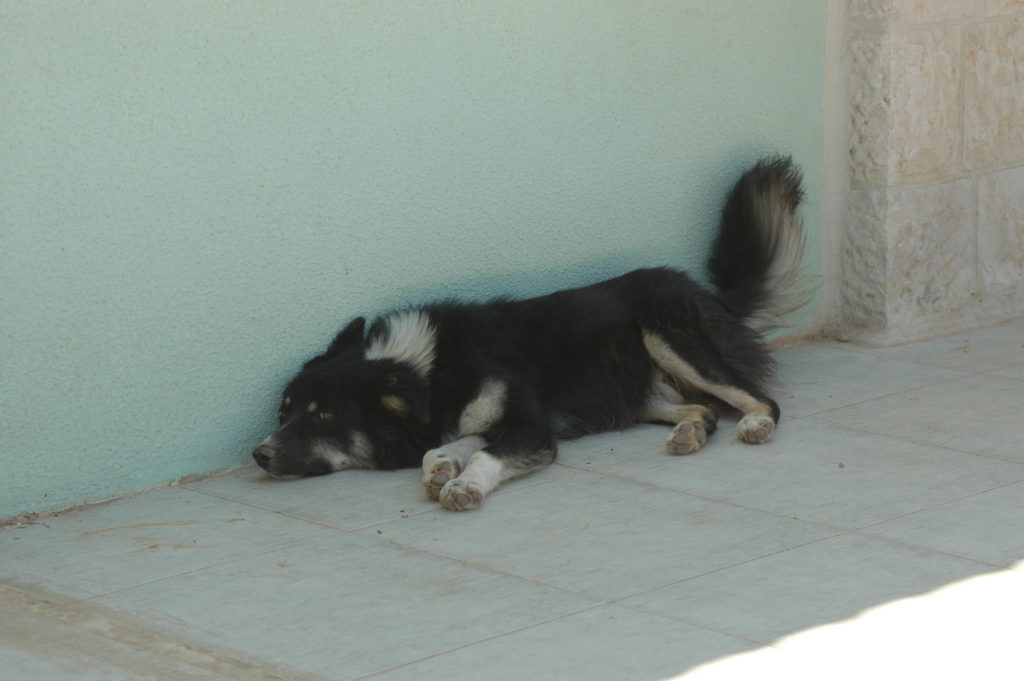
We have recruited four Flagship Partners. The partners are the Asociacion Humanitaria Para la Proteccion los Animal de Costa Rica (AHPPA, Costa Rica), the Blue Cross of India (Chennai, India), Help in Suffering (Jaipur, India) and Mayhew Afghanistan (Kabul). We are planning to develop partnerships in Mexico and South Africa as well. All four have years of experience in conducting dog sterilization and vaccination projects. WellBeing International is mainly engaged in finding resources to continue these programs and collecting and reporting data demonstrating impact.
We have developed and built out the necessary infrastructure:
- developed the survey and statistical tools,
- developed household and street dog surveys,
- designed a GIS mapping database,
- established a data reporting and tracking protocols,
- established the WBI Centralized Data Storage Repository,
- identified and engaged the market research partner,
- created the Global Dog Campaign web platform and social media.
The project tools have been successfully tested in Costa Rica where we completed a survey of Costa Rican households (despite the travel restrictions imposed by the pandemic). The results indicate that the percentage of dogs sleeping indoors at night has increased from 27% to 66% in seventeen years. Over the same period, the percentage of owned dogs that are sterilized has increased from 18% to 62%. These data indicate a major change in human-dog interaction is occurring in the country.
In order to take the campaign to scale, we need to build a global community of stakeholders who recognize the importance of data collection and reporting and who support a productive campaign of collaboration, learning and adaptation. Ultimately, we need local and national organizations to be part of this global initiative because of the benefits to themselves, to the dogs and to their communities. As Father Strickland noted back in 1863, “A wo/man may do an immense deal of good, if s/he does not care who gets the credit for it.”
Visit the Global Dog Campaign website for more information.
Featured image: a free-roaming dog in Taos Pueblo, New Mexico. Image credit Wolf Gordon Clifton / Animal People, Inc.
]]>