Advertise with Googlier.com Maduro Dive | Exclusive Scuba Diving Packages https://www.madurodive.com/ Explore the World's Best Dive Destinations Fri, 23 Oct 2026 13:08:39 +0000 en-US hourly 1 https://wordpress.org/?v=7.1.3 How to Choose the Right Dive Resort for Your Scuba Vacation https://www.madurodive.com/2026/10/23/how-to-choose-the-right-dive-resort-for-your-scuba-vacation/ Fri, 23 Oct 2026 13:06:10 +0000 https://www.madurodive.com/?p=18694 The resort you choose shapes your whole dive trip: which sites you can reach, how much time you spend on boats, and how you unwind between dives. The right fit gives you knowledgeable dive staff, comfortable rooms, and good meals, so you can split your days between underwater adventure and topside relaxation. Ask yourself these […]

The post How to Choose the Right Dive Resort for Your Scuba Vacation appeared first on Maduro Dive | Exclusive Scuba Diving Packages.

]]>
The resort you choose shapes your whole dive trip: which sites you can reach, how much time you spend on boats, and how you unwind between dives. The right fit gives you knowledgeable dive staff, comfortable rooms, and good meals, so you can split your days between underwater adventure and topside relaxation. Ask yourself these questions to choose the right resort for your next dive trip.

What kind of diving is available near the dive resort?

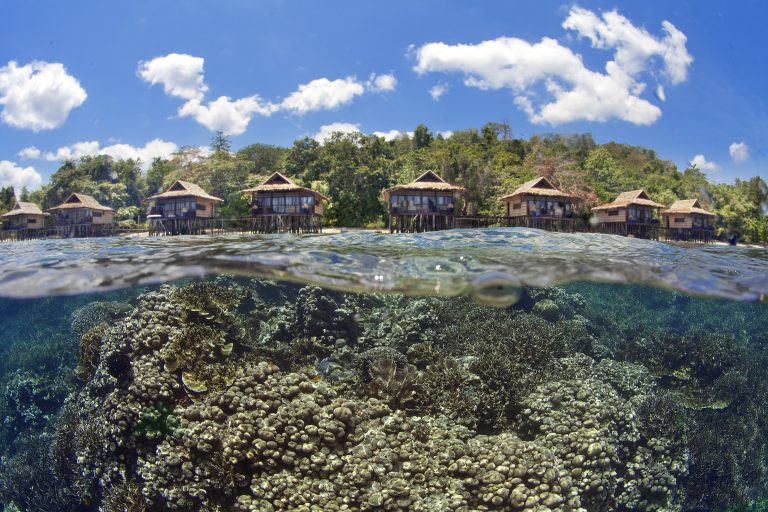
Papua Paradise Eco Resort Indonesia

Each resort’s location determines the marine life and underwater environments you’ll see. Depending on where you go, you can explore historical wrecks, vibrant coral reefs, or unique underwater topography. Some resorts also put you near particular marine species like hammerhead sharks, turtles, and manta rays. Choose a resort close to prime dive sites to cut down on travel time. To make your dive trips more comfortable, especially if you’re a beginner, choose a resort near calm bays and shallow reefs.

Which destinations have the best dive resorts?

Four destinations in particular offer ideal environments for scuba diving: Indonesia, the Cayman Islands, Fiji, and Dominica all offer ideal environments for scuba diving, and each destination offers something unique.

Indonesia

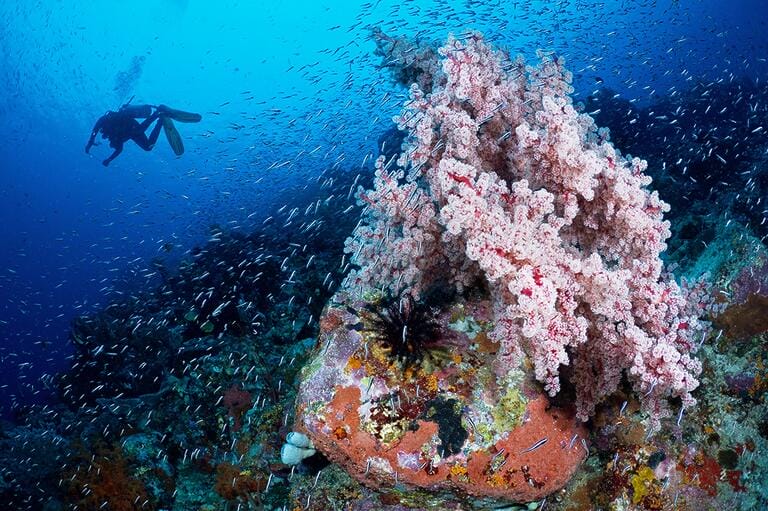
Murex Bangka Resort

Indonesia stands out for its concentration of well-known dive resorts. These include Siladen Resort, Murex Bangka, Murex Manado, and Lembeh Resort, all near North Sulawesi’s signature marine habitats. If you want variety, these properties give you access to both vibrant reefs and famous muck-diving sites.

Cayman Islands

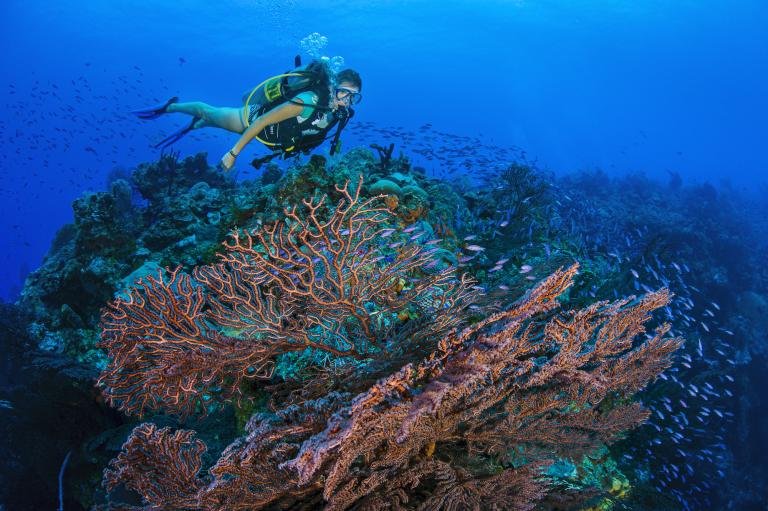
Cayman Islands wall diving

The Cayman Islands have three popular dive destinations: Grand Cayman, Little Cayman, and Cayman Brac. Resorts like Sunset House and Compass Point on Grand Cayman, Little Cayman Beach Resort on Little Cayman, and Cayman Brac Beach Resort on Cayman Brac put you close to the dive sites. Across the islands, you can choose from wall, wreck, drift, moored, and shore diving. Because visibility is typically excellent, you can enjoy long, relaxed dives.

Fiji

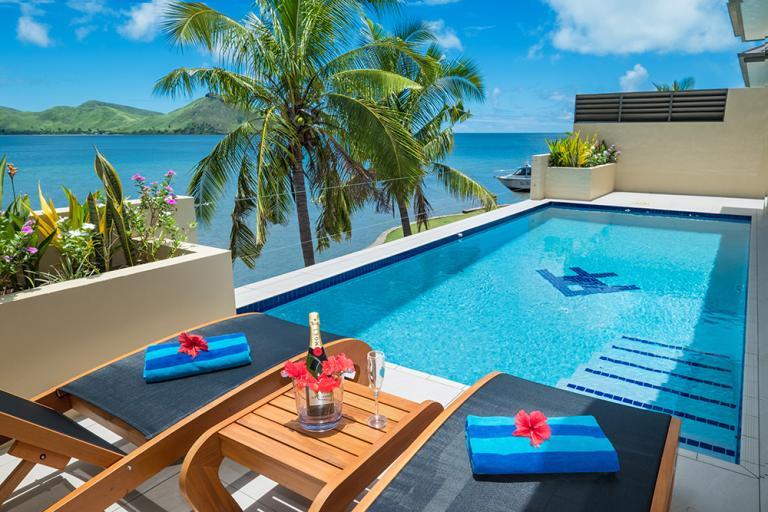
Volivoli Beach Resort

In Fiji, you can choose from several types of resorts. Beqa Lagoon Resort, Namale Resort, Volivoli Beach Resort, and Paradise Taveuni put you near a range of well-established reef areas, where you can explore walls and soft coral landscapes in warm tropical water. Each island group has its own character, but they all offer access to Fiji’s signature dive environments.

Dominica

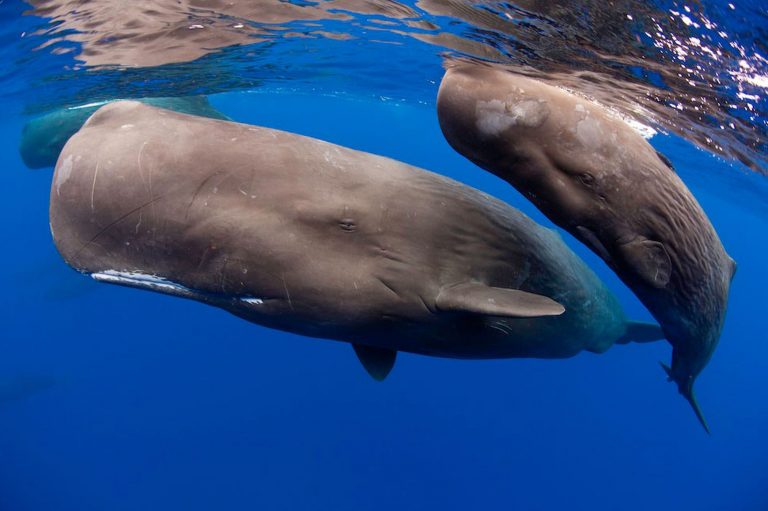
sperm whales in Dominica

Known as the “Nature Island,” Dominica offers resorts like Fort Young and Jungle Bay, with nearby dive sites featuring dramatic walls, vibrant reefs, canyons, and pinnacles. The underwater scenery is as striking as the island’s topside adventures. 

Dominica is also one of the Caribbean’s top spots for whale watching. Sperm whales live in its deep offshore waters year-round, with peak sightings from November to March, and you may also spot pilot whales and false killer whales. Whale encounters here are limited to boat-based whale watching and permitted snorkel tours. Scuba diving with the whales isn’t allowed.

Marine life highlights

  • Indonesia (North Sulawesi): muck-diving critters and colorful reef life
  • Cayman Islands: southern stingrays, sea turtles, and eagle rays
  • Fiji: soft corals and walls numerous marine species with Pacific Harbor bull and tiger sharks
  • Dominica: sperm whales, pilot whales, false killer whales, and reef fish (whale watching and snorkeling only) 

What accommodations and amenities should a dive resort have?

Sunset House in Grand Cayman

These accommodations and amenities can make your stay more comfortable:

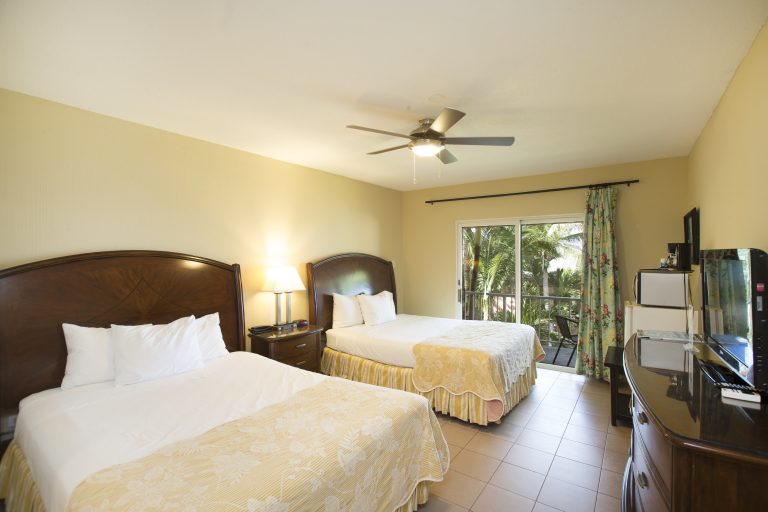
  • Beachfront or ocean-view rooms
  • Garden-view bungalows or cottages
  • Studio-style rooms or condo-style layouts
  • On-site pools or hot tubs
  • In-room kitchenettes (where available)
  • Meal plans or all-inclusive dining options

Compare accommodations, meal plans, and amenities across resorts to find one that fits your diving goals. If you want activities between dives, look for a resort with paddleboarding or a spa.

What safety features should a dive resort have?

Safety standards vary from resort to resort, so check them before you book. Look for:

  • Emergency oxygen kits on the dive boats and at the dive center
  • On-site medical support or quick access to a nearby clinic
  • Clear emergency and evacuation procedures
  • Experienced dive guides and instructors
  • Well-maintained, properly serviced rental gear

Ask the resort how far the nearest hyperbaric chamber is, and make sure you have dive accident insurance before you travel.

Book your next dive trip today

The right resort can shape the quality of your whole dive trip. Focus on properties close to well-regarded dive sites and local highlights, with knowledgeable staff, strong safety practices, and useful amenities. For smooth planning, competitive airfare, and reliable options, contact our Maduro Dive travel specialists.

The post How to Choose the Right Dive Resort for Your Scuba Vacation appeared first on Maduro Dive | Exclusive Scuba Diving Packages.

]]>
Best Underwater Photography Locations for Dive Trips https://www.madurodive.com/2026/10/07/best-underwater-photography-locations-for-dive-trips/ Wed, 07 Oct 2026 16:43:35 +0000 https://www.madurodive.com/?p=18623 Good underwater photography on dive trips starts with choosing the right location. The subjects you want to shoot, whether whale sharks, wrecks or tiny macro critters, should guide where you go, when you go, and whether you stay at a dive resort or on a liveaboard. Here is what you can expect from some of […]

The post Best Underwater Photography Locations for Dive Trips appeared first on Maduro Dive | Exclusive Scuba Diving Packages.

]]>
Good underwater photography on dive trips starts with choosing the right location. The subjects you want to shoot, whether whale sharks, wrecks or tiny macro critters, should guide where you go, when you go, and whether you stay at a dive resort or on a liveaboard. Here is what you can expect from some of the best underwater photography destinations.

Where are the best underwater photography locations?

Each region offers different marine environments. The species you can photograph change with the site you pick, the time of year, and pelagic migrations. If you are an advanced diver, strong currents and steep drop-offs can create dramatic photo opportunities. If you’re a newer diver, moored sites, calm coral reefs, and shore diving offer easier shooting conditions. Here is a summary of top photography locations by region.

Caribbean and Mexico

A Bonaire coral reef

In the Caribbean, you can photograph colorful reefs with tropical fish, reef sharks, eels, turtles and rays. Calm water and good visibility make the region a strong choice whether you are a beginner or an experienced underwater photographer. The Cayman Islands, Bonaire, Saba, and the Bahamas also offer large fish, wrecks, walls, seamounts, and shore and drift diving. Mexico covers both the Caribbean and the eastern Pacific, where you can photograph large pelagic species around Socorro in the Revillagigedo Archipelago.

Central America and the Galapagos

Belize and Honduras offer wall dives, pinnacles, and barrier reef systems, with chances to see larger pelagic species plus plenty of macro life along the reef slopes. Costa Rica offers abundant fish life, and remote Cocos Island adds schooling scalloped hammerhead sharks, manta rays and occasional whale sharks. In the Galapagos Islands, a wide-angle lens lets you capture hammerheads, eagle rays, sea lions, fur seals and, in season, whale sharks.

South Pacific

Fiji clownfish

In the South Pacific, Fiji, Papua New Guinea, and the Solomon Islands offer colorful hard and soft coral gardens, sheer walls, wrecks, and schooling pelagic fish. Fiji's Rainbow Reef and Bligh Water are known for vivid soft corals, and Beqa Lagoon's shark dives put you close to bull sharks. Papua New Guinea's Milne Bay offers excellent muck diving for macro photography, while the Solomon Islands add WWII wrecks around Guadalcanal and reefs in Marovo Lagoon.

Micronesia

Manta rays in Micronesia

In the northern Pacific, Micronesia centers on Palau, Yap, and Chuuk (Truk) Lagoon. In Palau, Blue Corner's currents bring in gray reef sharks, barracuda, and schooling jacks. German Channel is known for manta rays. Yap's Mil Channel is known for year-round manta ray encounters. Chuuk Lagoon holds dozens of World War II shipwrecks, such as the Fujikawa Maru, where coral-covered decks and cargo holds make striking wide-angle subjects.

Southeast Asia

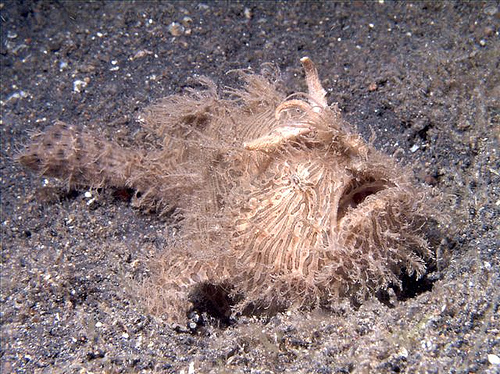
Hairy frogfish at Lembeh Resort

Indonesia, Malaysia, Thailand, and the Philippines are known for their rich variety of corals and fish. You can explore some of the world’s best muck diving along with coral gardens, vertical reef walls, and historic shipwrecks. Currents and visibility vary by site, so you can mix drift dives with calm, macro-focused dives. Soft and hard corals, schooling pelagics, and tiny invertebrates make the region a good fit for both wide-angle and close-up photography.

Marine life highlights

  • Caribbean: reef sharks, eels, turtles, rays, and tropical reef fish
  • Socorro, Mexico: large pelagic species
  • Belize and Honduras: larger pelagic species and macro life on the reef 
  • Cocos Island, Costa Rica: scalloped hammerhead sharks, manta rays, and occasional whale sharks
  • Galapagos Islands: hammerheads, eagle rays, mantas, and seasonal whale sharks
  • South Pacific: hard and soft corals, invertebrates, schooling pelagic fish, and several shark species
  • Micronesia: sharks and manta rays, plus WWII wrecks in Chuuk Lagoon
  • Southeast Asia: muck-diving critters, soft and hard corals, schooling pelagics, and tiny invertebrates

Should you choose a dive resort or a liveaboard for underwater photography?

camera room on the Dewi Nusantara

Liveaboard dive trips typically offer four to five dives a day, and their itineraries typically reach dive sites you can’t get to from a resort. Dive resorts usually offer fewer dives per day but more activities on land. 

If you want to photograph larger open-water species, look for liveaboard itineraries that head far offshore. If you prefer reef life and macro subjects, a resort close to the reef may suit you better. Currents, visibility, and time of day all affect your shots. Your guides can help you plan dives around your interests and pace.

What are underwater photography weeks?

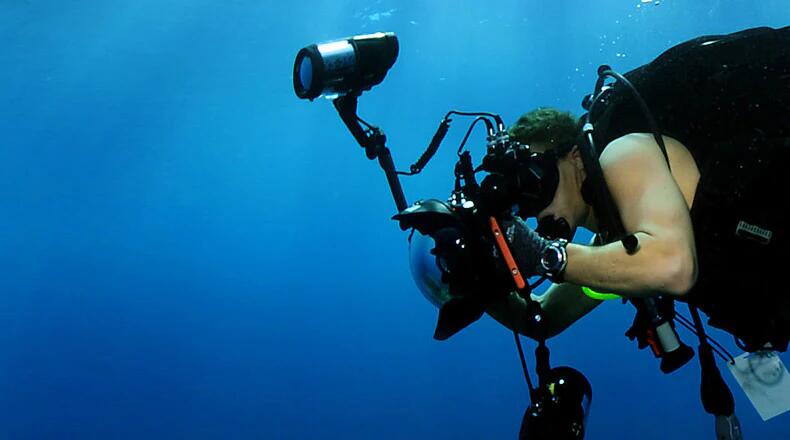
underwater photographer

Some resorts and liveaboards run dedicated photography weeks; some are geared to experienced photographers and others to beginners. Instructors share tips on staying stable, working with currents and photographing marine life without disturbing it. 

With several dives a day, you get more chances to practice in different settings. Dive professionals plan schedules and choose sites to match your experience level, the marine life you want to shoot and your comfort in the water, whether you prefer calm reefs, drift sites or deeper walls.

Book your resort and liveaboard dive trips today

Good underwater photography starts with planning and the right location. Dive resorts and liveaboards give you access to coral gardens, reef walls, wrecks, and drift sites. Work with a Maduro Dive travel specialist to book your trip and build an itinerary around the photos you want to take.

The post Best Underwater Photography Locations for Dive Trips appeared first on Maduro Dive | Exclusive Scuba Diving Packages.

]]>
11 Caribbean Dive Resorts for Unforgettable Experiences https://www.madurodive.com/2026/09/24/11-caribbean-dive-resorts-for-unforgettable-experiences/ Thu, 24 Sep 2026 13:49:43 +0000 https://www.madurodive.com/?p=18558 Caribbean dive resorts aren’t all the same, and what makes one worth the trip usually comes down to its location, marine biodiversity, nearby dive sites, accessibility, and the topside experience it builds around them.  Many Caribbean dive resorts offer all-inclusive packages designed around a specific kind of diving, whether that’s cave exploration, drift diving, or […]

The post 11 Caribbean Dive Resorts for Unforgettable Experiences appeared first on Maduro Dive | Exclusive Scuba Diving Packages.

]]>
Caribbean dive resorts aren’t all the same, and what makes one worth the trip usually comes down to its location, marine biodiversity, nearby dive sites, accessibility, and the topside experience it builds around them. 

Many Caribbean dive resorts offer all-inclusive packages designed around a specific kind of diving, whether that’s cave exploration, drift diving, or reef diving. Here are 11 Caribbean dive resorts with diving opportunities you won’t find just anywhere.

Where can you dive Belize's Great Blue Hole?

Great Blue Hole Belize

The Blue Hole, a UNESCO World Heritage Site, is a giant marine sinkhole 1,000 feet (305 m) across and 400 feet (122 m) deep that stands out as the most famous dive site in Belize. Here you can swim in a vast vertical cavern surrounded by limestone walls with stalactites formed during prehistoric times. The experience involves descending into deep blue waters and exploring the unique cavern formations inside the hole. As you ascend, large schools of tropical fish and occasional rays move around you, creating an ethereal underwater environment.

Nearest resorts to the Blue Hole on Turneffe Island include Blackbird Caye Resort, Turneffe Flats, and Turneffe Island Resort. Resorts on Ambergris Caye, including Ramon’s Village Resort and Sunbreeze Suites, provide access with full-day expeditions and longer boat rides to the Blue Hole. Hol Chan Marine Reserve is easily accessible just offshore. 

These resorts offer experienced divemasters, equipment rental, and training whether you’re a beginner or an advanced diver, making the area accessible no matter your experience level. 

Dive sites here feature plenty of marine life, coral gardens, and vertical drop-offs. This allows you to plan multi-day trips that offer a variety of experiences. 

This combination of marine formations, well-supported diving infrastructure, and topside biodiversity makes Belize a great choice for a dive trip that ticks all the boxes.

Marine life highlights

  • A bucket list dive to the Blue Hole
  • Rays and sharks at Hol Chan Marine Reserve
  • Coral garden species along the reef

Where can you go drift diving in Mexico?

Iberostar Cozumel

Cozumel in Mexico is known for its consistently strong and reliable currents, making it ideal for drift diving. The island features numerous drift dive sites, including several on world-famous Palancar Reef. The steady currents let you glide along the reefs, where coral outcroppings, sponges, and marine life pass gently before you. The all-inclusive Iberostar and Dreams Resorts provide easy access to dive sites and offer many amenities for guests.

Along with its drift sites, Cozumel’s waters host vibrant schools of fish, including endemic splendid toadfish, as well as frequent encounters with sea turtles and rays. Dive resorts on the island provide easy access with custom dive boats, professional guides, equipment rentals, dive instruction courses and their proximity to town. 

Resorts can also arrange a trip for you to dive the freshwater cenotes of the Riviera Maya across from Cozumel. The combination of diverse underwater terrain and accessible resort infrastructure makes Cozumel an ideal spot for varied underwater experiences, whether you’re new to diving or already experienced.

Marine life highlights

  • Endemic splendid toadfish
  • Sea turtles and rays
  • Coral walls and sponges

What makes Curacao a top dive resort destination?

Curacao dive site

Curacao, a Southern Caribbean island out of the hurricane belt, offers extensive coral reef formations and calm waters. The island features more than 65 dive sites, including shallow reefs, deep walls, wrecks, and areas suitable for drift or advanced diving. Klein Curacao lies 6-10 miles offshore with pristine reefs and the opportunity to view sea turtles and large pelagic fish.

Shore diving is available at multiple locations, while boat dives reach more remote reefs. Moorings are common, and currents are generally mild. The island’s sunny, semi-arid climate allows year-round diving. 

Dive resorts are spread across several different areas of the island, with top choices including Lions Dive and Dreams Resorts close to the main area of Willemstad, with boutique options like Tui Blue and All West Apartments about 20-30 miles northwest. 

Marine life highlights

  • Hawksbill and green turtles
  • Superior Producer wreck
  • Stingrays and sharks

How do you choose the right dive resort?

Selecting the right Caribbean dive resort for your vacation helps shape the type of experience you have. Maduro Dive travel specialists will help you choose a quality resort that offers benefits tailored to your requirements for both individual and group travel. 

We also will find destinations that fit your experience level, provide value, quality service and competitive airfare. Contact our dive travel specialists today to explore these and similar dive resorts in ideal locations.


The post 11 Caribbean Dive Resorts for Unforgettable Experiences appeared first on Maduro Dive | Exclusive Scuba Diving Packages.

]]>
Best Scuba Diving Destinations For Your Next Dive Trip https://www.madurodive.com/2026/09/16/best-scuba-diving-destinations-for-your-next-dive-trip/ Wed, 16 Sep 2026 15:30:03 +0000 https://www.madurodive.com/?p=18527 When you’re considering scuba diving destinations, you look for locations that meet your trip objectives, are fun, and offer diverse underwater experiences. You choose based on marine life, your diving style, and whether the site has favorable weather conditions when you’re traveling.  Understanding how factors such as currents, dive site accessibility, and local and migratory […]

The post Best Scuba Diving Destinations For Your Next Dive Trip appeared first on Maduro Dive | Exclusive Scuba Diving Packages.

]]>

When you’re considering scuba diving destinations, you look for locations that meet your trip objectives, are fun, and offer diverse underwater experiences. You choose based on marine life, your diving style, and whether the site has favorable weather conditions when you’re traveling. 

Understanding how factors such as currents, dive site accessibility, and local and migratory fish species affect a specific area helps you plan dive trips that meet your goals. Here are several of the destinations you should consider for your next dive trip, each offering a different type of underwater experience. 

Where can you dive Australia's Great Barrier Reef?

Great Barrier Reef

Stretching 1,400-miles (2,253 km), the Great Barrier Reef is the largest coral reef system in the world with around 3,000 individual reefs and 900 islands. Base yourself on Australia’s northeast Queensland coast for access to hundreds of dive sites along the reef. 

In some locations, shallow reefs exist alongside deeper sections, which allows for a range of diving experiences and abilities. Marine biodiversity includes 1,500 species of fish, 4,000 types of mollusks, and 1,000 species of echinoderms, along with countless other marine organisms. 

Because the reef is so extensive, there are many different areas to explore during a trip. Liveaboards run many different itineraries to these areas:

  • Cairns and Port Douglas (Outer Reefs): both spots offer day-boat access to popular sites like Milln Reef, Flynn Reef, Hastings Reef, and Thetford Reef, where you'll find coral bommies, clownfish, and reef sharks at depths suited to divers of every level. Most liveaboards leave from Cairns.
  • The Ribbon Reefs: this remote chain of 10 outer reefs near Lizard Island is best known for the Cod Hole, where you can get close to large, tame potato cod in clear water.
  • The Coral Sea: features steep drop-offs and pelagic action at remote atolls like Osprey Reef, plus the SS Yongala wreck off Townsville, one of the world's top wreck dives and home to bull rays, sea snakes, and schooling barracuda.
  • Southern Great Barrier Reef: offers more than 20 sites around Heron Island and Lady Elliot Island, two coral cays known for manta ray cleaning stations and seasonal turtle nesting.

You're certain to encounter marine life such as turtles, dolphins, potato cod, and sharks. Expect colorful, species-rich coral reefs and seasonal migrations of larger pelagic fish. Water temperatures are generally warm. Dive excursions of different lengths are offered regularly throughout the year. Conditions at your specific location will vary depending on the area and season.

Marine life highlights

  • Turtles, dolphins, and potato cod
  • Reef and pelagic sharks, including seasonal migratory species
  • 1,500+ fish species, 4,000 mollusk species, and 1,000 echinoderm species
  • Vibrant, biodiverse coral across 2,900+ reefs

Why is Bonaire ideal for shore diving?

Bonaire shore diving

If you're a shore diver looking to travel, Bonaire gives you access to over 50 officially recognized sites along its west coast. Many of these dive sites are shallow with an easy shore entry, so they're accessible even if you're less experienced. Most resorts offer unlimited shore diving all year, with roughly 86 to 97 total moored sites across the island.

  • Klein Bonaire: this uninhabited island is just a 15-minute boat ride from the major resorts, giving you even more sites to explore beyond the mainland.
  • Bonaire's sloping reefs: most of the mainland's reefs, like the Forest and Sharon’s Serenity, slope gently, so you'll find them approachable at any experience level.
  • Karpata: a steep vertical wall, a contrast to Bonaire's typical sloping reefs, and a good pick if you want more depth and drama.
  • Salt Pier: the pillars here create shifting light patterns that often draw larger fish, plus schools of smaller reef species sheltering underneath.

While exploring Bonaire's vibrant reefs you may encounter tropical fish, squid, seahorses, octopus, and tarpon. Another dive site highlight is the Hilma Hooker, a 236-foot (72 m) Dutch cargo freighter that sank on its side in 1984 in 130 feet (40 m) of water. 

The calm waters within the Bonaire National Marine Park are protected. Visibility runs 65 to 100 feet, making the area well-suited for underwater photography. Bonaire's water and surface temperature stay fairly consistent year-round, and since the island lies outside the hurricane belt, you can plan your trip for any month.

Marine life highlights

  • Colorful tropical fish, seahorses, octopus, and squid
  • Tarpon and barrel sponges
  • Marine life around the Hilma Hooker wreck
  • Vibrant reefs within the protected Bonaire National Marine Park

Where can you dive in Fiji?

Fiji soft corals

Fiji is often called the soft coral capital of the world. Nutrient-rich currents running between its more than 300 islands feed dense, colorful coral growth on both fringing and barrier reefs. 

The islands of Viti Levu and Vanua Levu offer different diving environments. There are calm, shallow reefs, stronger-current drifts, and shark dives. Water temperatures stay warm year-round. Visibility on many outer reefs regularly tops 100 feet (30 m).

  • Shark Reef Marine Reserve (Viti Levu): known for pelagics, particularly sharks, and an ideal site if you're an experienced diver. You may see bull sharks, blacktip reef sharks, and tawny nurse sharks. Tiger sharks and whale sharks are typically seasonal.
  • Great Sea Reef (Vanua Levu): off the northern shore of Vanua Levu and also known as Cakaulevu Reef, this 120-mile (193 km) stretch ranks as the world's third largest barrier reef system, with extensive soft coral formations, the highest percentage of Fiji's hard coral and reef fish species, and larger reef fish such as humphead parrotfish, dolphins, and turtles.
  • Taveuni Island: excellent dive experiences and diverse marine life, with soft, colorful coral, abundant fish species, and drift diving in the Somosomo Strait, including the famous dive sites of Rainbow Reef and the Great White Wall.

Marine life highlights

  • Bull sharks, blacktip reef sharks, and tawny nurse sharks (with seasonal tiger and whale sharks)
  • Extensive soft coral formations
  • Humphead parrotfish, dolphins, and turtles
  • Colorful drift-diving reefs at Rainbow Reef and the Great White Wall

Where can you dive shipwrecks and sharks in Micronesia?

Micronesia shipwrecks

Micronesia spans thousands of islands across the western Pacific. Each destination here offers a distinct kind of diving: strong currents and pelagics in Palau, historic wrecks in the calm, clear waters of Chuuk (Truk) Lagoon, and gentle drift dives alongside manta rays in Yap. Water temperatures stay warm year-round. While many of the best sites are best reached by liveaboard, land-based diving is also available at each destination.

  • Palau: a well-known shark sanctuary with challenging drift dives at sites such as Blue Corner, where strong currents carry nutrient-rich water along the reef channel, concentrating smaller fish and drawing in larger marine animals. In higher-current zones, experienced divers use a reef hook to hold position and watch passing sharks without excessive movement.
  • Yap: manta rays year-round, along with a large variety of fish species, including reef sharks, turtles, and eagle rays.
  • Chuuk (Truk) Lagoon: over 60 WWII wrecks, making it one of the greatest wreck dive destinations in the world.

Marine life highlights

  • Grey reef sharks at Blue Corner (Palau)
  • Manta rays year-round at Yap
  • Reef sharks, turtles, and eagle rays
  • Marine growth on 60 WWII wrecks at Chuuk Lagoon

Schedule your next dive trip today

Planning a dive trip takes the expertise of a specialist who's familiar with dive destinations around the world. Every Maduro Dive travel specialist is both an experienced travel agent and a certified diver, so they can build you an itinerary with the right resorts, liveaboards, and airfare for your trip. 

Partner with experts who can streamline everything from choosing your destination to handling the logistics, saving you money, and eliminating stress. Contact us to start planning your next dive trip.

The post Best Scuba Diving Destinations For Your Next Dive Trip appeared first on Maduro Dive | Exclusive Scuba Diving Packages.

]]>
How To Combine Dive Trips And Local Culture https://www.madurodive.com/2026/09/08/how-to-combine-dive-trips-and-local-culture/ Tue, 08 Sep 2026 15:59:08 +0000 https://www.madurodive.com/?p=18491 As a diver, your primary travel goal may be to spend as much time underwater as possible, but many destinations have rich local cultures worth exploring during your topside time. Combining experiences both underwater and on land will only deepen your understanding of a destination's history and people and enrich your vacation memories. Here are […]

The post How To Combine Dive Trips And Local Culture appeared first on Maduro Dive | Exclusive Scuba Diving Packages.

]]>
As a diver, your primary travel goal may be to spend as much time underwater as possible, but many destinations have rich local cultures worth exploring during your topside time. Combining experiences both underwater and on land will only deepen your understanding of a destination's history and people and enrich your vacation memories. Here are several ways you can blend dive trips and local culture.

Where can you dive historic World War II shipwrecks?

A wreck in Truk Lagoon

Truk Lagoon in Micronesia offers some of the world's most famous historic shipwreck diving. Dives here immerse you in the region's World War II history. Dive liveaboards give you direct access to the Ghost Fleet, where you can dive on over 50 ships and plane wrecks from the Japanese Navy sunk during Operation Hailstone in 1944. 

This underwater museum features plenty of intact artifacts left behind from the war. Items include tanks, trucks, and personal items like gas masks and dishware. Exploring these wrecks connects you with the local Micronesian communities who lived through the war and still share its history today. A visit to the Kimiuo Aisek Memorial Museum lets you view remnants of these wrecks on land.

Marine life highlights

  • Schools of snapper and fusilier around the wreck structures
  • Large barracuda and reef sharks patrolling the open water
  • Over 300 species of hard and soft coral, plus sponges, nudibranchs, and shrimp encrusting the wrecks

Where can you see traditional stone money while diving?

Stone money at Manta Ray Bay in Yap

Combine dive trips and local culture by viewing ancient stone money in Yap, part of Micronesia. This experience offers insight into a unique local cultural and economic tradition. When you stay at a resort in Yap, you can visit stone money banks in traditional villages. These massive limestone discs retain ceremonial value, and communities still use them in special exchanges today. 

Guided tours and visits to the Living History Museum show how the stones are arranged within village layouts. You can also explore traditional Bai meeting houses, showcasing wood carvings and thatched roofs that highlight local craftsmanship. Tours often recount the perilous voyages divers took to quarry the stones in Palau and transport them by canoe across the ocean.

Marine life highlights

  • Giant manta rays at cleaning stations 
  • Grey reef sharks cruising the channels
  • Colorful reef fish in warm water with mild currents

Where can you dive alongside ancient Mayan ruins?

Mayan ruins on Riviera Maya

Exploring archaeological ruins in the Riviera Maya of Mexico gives you historical context for the region's unique geography. When you stay at a coastal resort here, you can explore the Mesoamerican Reef and nearby cenotes, then visit inland Mayan sites to learn about the civilization that once inhabited the area. 

These excursions reveal the advanced engineering and astronomical knowledge of the Mayan people. Your archaeological visit might take you to a pyramid in Cobá, one of the tallest in the region and accessible via guided tours, or to ruins surrounded by cenotes, the natural sinkholes that connect to the region's underwater cave systems.

Marine life highlights

  • Sea turtles, especially Akumal's large resident population
  • Whale sharks near Isla Mujeres in summer and bull sharks off Playa del Carmen from November to March
  • Crystal-clear cenotes with dramatic stalactite and stalagmite formations

Where can you experience village culture on a dive trip?

Indigenous culture in Papua New Guinea

Indigenous village trekking in destinations like Papua New Guinea offers a window into the social and spiritual life of local communities. As a guest at the dive resort in Tufi, a remote fjord region in Oro Province, you can combine scuba adventures with cultural experiences. Guided village walks bring you face-to-face with communities who still build traditional sago-palm homes and canoes, weave string bags, and make fishing nets by hand.

Tufi is known for its tradition of female tattooing, a practice once used to mark status and rites of passage that villages still keep alive today. You can watch artisans create tapa cloth from bark and see traditional dances performed in customary dress. Many village visits end with a mumu, a feast of meat and vegetables cooked slowly in an underground earth oven.

Marine life highlights

  • Colorful soft corals, sea fans, and sponges along Tufi's fjord walls and reefs
  • Macro finds like pygmy seahorses, mandarinfish, nudibranchs, and frogfish
  • Reef sharks, barracuda, and schooling fish across Milne Bay's dive sites

Learn more about combining diving and culture

Diving in unique locations often gives you more than encounters with marine life. It opens a window into the local culture and ways of life that have developed alongside these coastal and island environments. 

You can pair your underwater explorations with experiences on land that reveal traditions, artistic expressions, and community practices, showing how people interact with and care for their surroundings.

Reach out to Maduro Dive and our professional dive travel specialists to discover opportunities that combine underwater adventure with cultural insight.

The post How To Combine Dive Trips And Local Culture appeared first on Maduro Dive | Exclusive Scuba Diving Packages.

]]>
Top 5 Tips For Planning Your Next Dive Vacation https://www.madurodive.com/2026/09/01/top-5-tips-for-planning-your-next-dive-vacation/ Tue, 01 Sep 2026 15:13:33 +0000 https://www.madurodive.com/?p=18472 A well-planned dive vacation comes down to a handful of decisions: where you go, how you get in the water, when you book, and how ready you are once you arrive. Get those right and you'll spend more time enjoying great diving and less time troubleshooting once you land. Here are five tips to help […]

The post Top 5 Tips For Planning Your Next Dive Vacation appeared first on Maduro Dive | Exclusive Scuba Diving Packages.

]]>
A well-planned dive vacation comes down to a handful of decisions: where you go, how you get in the water, when you book, and how ready you are once you arrive. Get those right and you'll spend more time enjoying great diving and less time troubleshooting once you land. Here are five tips to help you plan your next dive vacation.

Match the destination to your priorities

Curacao coral reef

Start by figuring out what matters most to you underwater. Are you chasing a particular wreck or fish species? Do you want calm water for photography? Are you working within a tight budget or timeline? Prioritizing your key requirements narrows your destination choices fast. Here are a few examples of how your underwater priorities might help you decide where to go. 

  • Wreck diving: Truk (Chuuk) Lagoon, Micronesia puts you among dozens of naval wrecks at a range of depths, from easy shallow swims to advanced penetration dives.
  • Macro and muck diving: Lembeh, Indonesia is a favorite for underwater photographers chasing mimic octopus, frogfish, and other small, strange critters.
  • Easy reef diving: Curacao offers calm, current-free reefs you can reach straight from shore, a solid pick if you’re a newer diver.
  • Big pelagics and drift diving: Costa Rica’s Cocos Island delivers strong currents that bring in schooling hammerheads and other big pelagics.

Decide between a dive resort and a liveaboard

Little Cayman Beach Resort

Once you decide what you want to see, your dive vacation will look very different depending on how you want to access it. Where you stay should be close to the dive sites so you're not wasting time in transit, but resorts and liveaboards suit different priorities.

  • Dive resort: 1-3 boat departures a day with some resorts also offering shore diving, dive instruction and rental equipment on hand, a range of accommodations and amenities, and easy access to topside activities between dives.
  • Liveaboard: 4-5 dives a day with direct access to remote reefs, wrecks, and protected marine parks. Accommodation options and amenities may be more limited, but the trip is built specifically around diving. The number of guests onboard can vary.
Emperor Harmoni liveaboard

Choose the option that matches the type of experience you want.

Time your dive vacation to the season

Seasonal conditions affect underwater visibility and what you're likely to see, since most destinations have a calmer season and a wetter or rougher one.

  • Calm season: better visibility and easier conditions, though usually fewer plankton-driven pelagic encounters.
  • Monsoon or wet season: rougher surface conditions, but the turbulence often fuels plankton blooms that draw in manta rays, whale sharks, and other pelagic fish.
  • Migration windows: encounters with hammerhead schools, whale sharks, or manta rays frequently happen during specific weeks or months, so timing matters most if you're chasing one of these.

Check the season for your specific destination before you book, and weigh calmer conditions against the chance of rarer encounters. If you'd rather dive somewhere quieter, you can also plan to avoid peak tourist season.

Pack properly

Dive resorts offer a good selection of rental gear, while liveaboards typically have more limited options. For comfort and performance, you'll probably want to bring your own equipment. Depending on your destination, consider packing:

  • A well-fitting mask and spare, fins, and a comfortable BCD. If you’re bringing a regulator, make sure it’s been recently serviced.
  • Additional safety equipment as needed, such as a surface marker buoy, and exposure protection like a wetsuit, drysuit, hood, and booties as needed 
  • A dive computer, underwater light, camera and/or video equipment with lenses, extra batteries, and chargers
  • Spare mask straps, O-rings, zip ties, and basic tools
  • Prescription medications, a travel first aid kit, and reef-safe sunscreen

Find out what you can rent and what your resort or liveaboard requires beforehand, so you don’t arrive at a remote destination missing something you vitally need.

Take a refresher course if necessary

Cayman Brac Beach Resort - Cayman Brac scuba diving training in resort pool

Review your certification level before you book, especially if you're planning advanced dives like deep walls, strong currents, or wrecks. Sign up for an advanced course if you need one for the diving you have planned, and take a refresher course if you haven't dived in the last two years. 

Bring your certification card and logbook (or app) with your dive history so you can confirm your resort or liveaboard's requirements ahead of time. Consider purchasing primary trip insurance to protect your investment.

Start planning your next dive vacation

Dive destinations open up unique possibilities whether you're a new or experienced diver. Maduro Dive gives you access to dive trips at 79 dive locations in 40 countries. Our dive travel specialists help you customize your next dive adventure and can find you competitive airfare to any dive destination. Contact us to start planning your dive trip today.

The post Top 5 Tips For Planning Your Next Dive Vacation appeared first on Maduro Dive | Exclusive Scuba Diving Packages.

]]>
The Benefits of Liveaboard Dive Trips and Why You Should Try One https://www.madurodive.com/2026/08/24/the-benefits-of-liveaboard-dive-trips-why-you-should-try-one/ Mon, 24 Aug 2026 17:29:57 +0000 https://www.madurodive.com/?p=18459 You’ll find liveaboard dive trips in most major dive destinations. They offer specific perks that land-based trips often can’t match, including access to unique dive sites you can’t reach from dive resorts. Here are a few of the benefits of liveaboard dive trips and why you should try one. How do liveaboards give you better […]

The post The Benefits of Liveaboard Dive Trips and Why You Should Try One appeared first on Maduro Dive | Exclusive Scuba Diving Packages.

]]>
You’ll find liveaboard dive trips in most major dive destinations. They offer specific perks that land-based trips often can’t match, including access to unique dive sites you can’t reach from dive resorts. Here are a few of the benefits of liveaboard dive trips and why you should try one.

How do liveaboards give you better reef access?

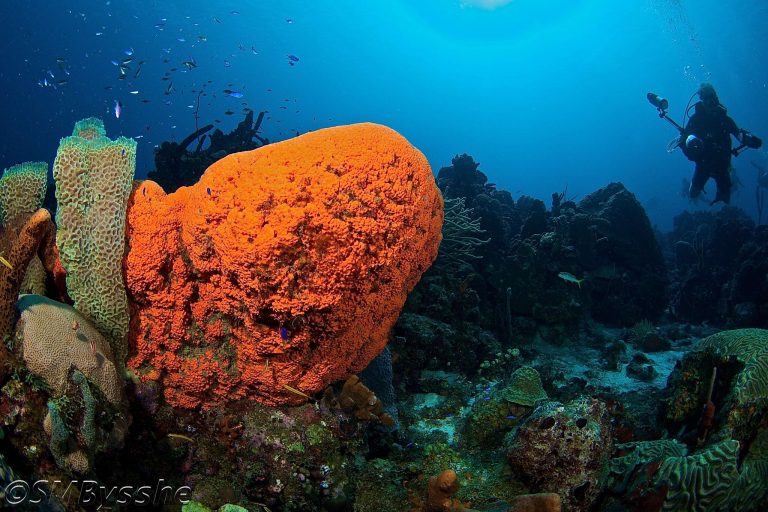
Liveaboard dive trips deliver you to reef systems that day boats can’t reach. These sites often have well-developed, healthy reef structures and a wide mix of pelagic and reef species. Most liveaboards travel overnight, so you’ll wake up at a new dive site each morning. The boat becomes your self-contained base, giving you extended, uncrowded time in the water.

Solomon Islands

Ben's Point, Mary Island, Solomon Islands

The Solomon Islands hold dense coral gardens across hundreds of islands, with heavy macro life alongside the bigger pelagic sightings. A liveaboard is the only way to reach many remote reef systems on one trip, covering far more area than a single land-based resort could.

Marine life highlights

  • Pygmy seahorses
  • Ghost pipefish
  • Reef sharks
  • Manta rays

Why book a liveaboard for wreck diving?

Wreck diving lets you connect with maritime history while you explore the underwater world. Liveaboard dive trips allow you to visit remote wrecks that day boats can’t reach. Some regions feature WWII ships, along with passenger and merchant vessels that feature intact cargo or opportunities for hull penetration. 

Over time, these wrecks become encrusted with coral and turn into habitat for a wide range of marine life. On a wreck-focused liveaboard, you get the time and resources to explore multiple wrecks, often with an onboard nitrox blending system that lets you extend your bottom time if you’re nitrox qualified.

Philippines

Philippines wreck diving

The Philippines’ Coron Bay holds a cluster of Japanese supply and transport ships sunk in a single US air raid in 1944, many resting close enough to the surface for both new and experienced wreck divers. A liveaboard gives you time to visit multiple wrecks without repositioning each day.

Marine life highlights

  • Coral colonies encrusting wreck superstructures
  • Barracuda schools
  • Batfish and sweetlips
  • Turtles resting on deck structures

What destinations can you visit on a liveaboard itinerary?

Liveaboard dive trips typically feature multiple underwater environments in a single itinerary. Routes are often timed to seasonal marine life migrations, so you can catch species at different points in their life cycle. Along the way, you’ll move between shallow reef systems and open-ocean sites, taking in everything from colorful corals and schooling fish to large pelagic species. The extended time on board means you get more out of every stop.

The Bahamas

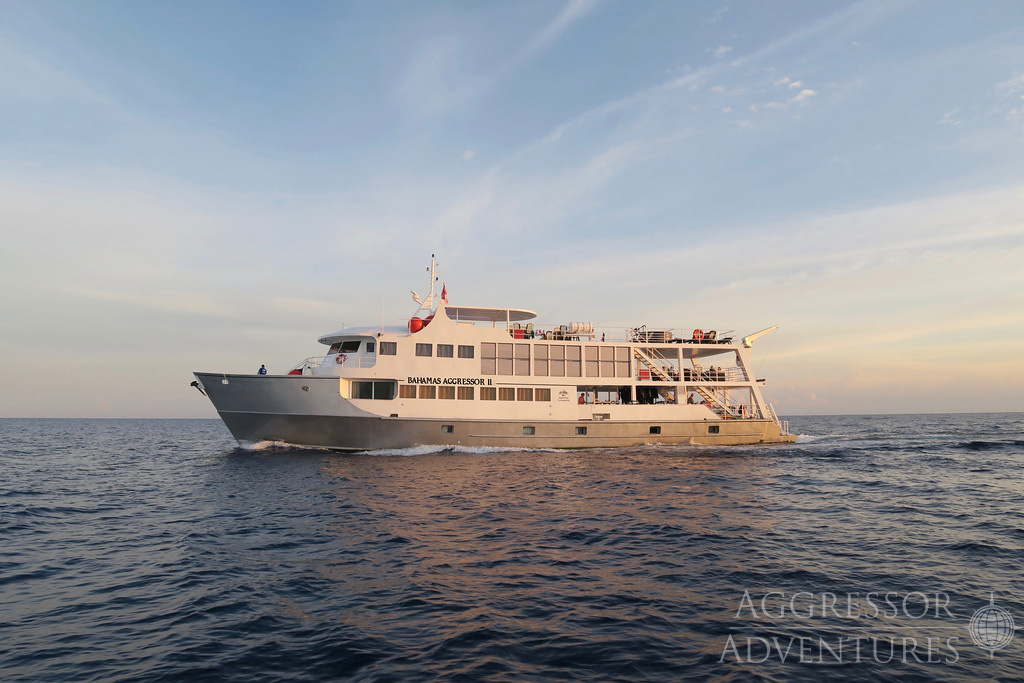
Bahamas Aggressor

A Bahamas liveaboard itinerary usually includes shark dives, wrecks, coral walls, and shallow cays in a single week, giving you a range of dive styles without changing boats or hotels.

Marine life highlights

  • Caribbean reef sharks and tiger sharks
  • Nassau grouper
  • Spotted eagle rays
  • Hawksbill turtles

Can you night dive from a liveaboard?

Liveaboards typically anchor directly above or near the reef, so you can dive at night without a long ride back to shore on a tender. Here's what makes liveaboard night dives different:

  • Immediate reef access
  • A better chance to spot nocturnal predators
  • Fluorescent coral viewing
  • Flexible scheduling around the tides

Since the reef sits right off the boat, you can get in the water fast and spend less time in transit. On some trips, you might spot large predators that are more active at night. And, because your schedule stays flexible, you can time your dives to the tides for the best visibility and marine activity.

What amenities do liveaboard boats offer?

Comprehensive onboard amenities keep you comfortable at sea. You'll find air-conditioned cabins, spacious common areas, and private bathrooms. Dining is a core part of life aboard: the ship's chef prepares a full range of meals, so you get breakfast, lunch, dinner, and multiple snacks without leaving the boat. Many liveaboards also carry an onboard marine biologist and set aside a dedicated space for photography and charging your gear. Depending on your itinerary, you may also get the chance to go ashore for excursions.

How do you plan a liveaboard dive trip?

Liveaboard dive trips let you visit multiple dive sites across different regions without switching hotels or boats. Moving between locations means you get to experience a range of marine environments and species on a single trip. 

Our Maduro Dive travel specialists can help you plan and coordinate every detail for 70 liveaboards worldwide. With decades of experience, we handle the logistics, schedules, and local requirements, so you get a safe, well-organized trip built around what you want. Contact us to start planning your liveaboard dive trip.

The post The Benefits of Liveaboard Dive Trips and Why You Should Try One appeared first on Maduro Dive | Exclusive Scuba Diving Packages.

]]>
3 Unique Dive Destinations For Your Next Dive Vacation https://www.madurodive.com/2026/08/17/3-unique-dive-destinations-for-your-next-dive-vacation/ Mon, 17 Aug 2026 16:22:55 +0000 https://www.madurodive.com/?p=18427 Choosing a dive destination for your first or next dive travel experience should fit your needs and your traveling companions. Whether you're drawn to vibrant reefs, big marine life encounters, or a relaxed learning environment, the right destination makes all the difference in your trip. Here are three unique dive destinations for your next dive […]

The post 3 Unique Dive Destinations For Your Next Dive Vacation appeared first on Maduro Dive | Exclusive Scuba Diving Packages.

]]>

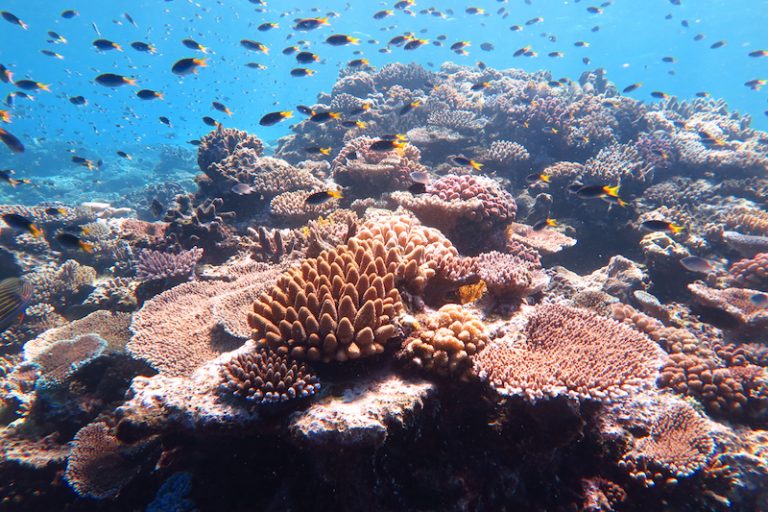
Choosing a dive destination for your first or next dive travel experience should fit your needs and your traveling companions. Whether you're drawn to vibrant reefs, big marine life encounters, or a relaxed learning environment, the right destination makes all the difference in your trip. Here are three unique dive destinations for your next dive travel experience.

Where can you dive Indonesia's incredible marine biodiversity?

Indonesia's 17,000 islands sit inside the Coral Triangle, the richest marine ecosystem on Earth, and Indonesia liveaboards and dive resorts can deliver you to three of its standout regions.

Raja Ampat

Raja Ampat reef scene

Raja Ampat holds more than 1,000 documented fish species and half the world's known soft coral species. You'll dive manta ray cleaning stations, spot pygmy seahorses tucked into gorgonian fans (with the help of an experienced guide), and drift along walls adorned in soft coral. You can stay at dive resorts here or explore by liveaboard, with Indonesia liveaboards running dedicated itineraries through the region's more remote sites.

Komodo

Komodo manta ray

Komodo National Park, a UNESCO World Heritage Site, pairs strong, nutrient-rich currents with big animal encounters. You'll drift with manta rays, cruise through channels stacked with reef sharks, and hunt for macro life on muck dives. Topside, a visit to Komodo Island itself will give you a chance to spot the dragons that give the park its name. Indonesia liveaboards reach Komodo directly, and several extend their route to include Flores between April and August.

Alor

Alor and neighboring Flores reward you with colorful walls, thriving pinnacles, and sandy slopes packed with macro life, with far fewer divers than Raja Ampat or Komodo. You'll find nudibranchs, frogfish, and ghost pipefish on nearly every dive. Some Indonesia liveaboard routes extend into Alor and East Flores, so ask your Maduro dive travel specialist about pairing it with a Raja Ampat or Komodo itinerary.

Marine life highlights

  • Oceanic manta rays
  • Pygmy seahorses
  • Rare frogfish species
  • Nudibranchs and ghost pipefish

Where can you dive the Great Barrier Reef in Australia?

Cairns is your gateway to the Great Barrier Reef and the Coral Sea beyond. Australia liveaboards visit three standout regions from there.

Osprey Reef and the Coral Sea

Minke whale Coral Sea

Osprey Reef sits in open water and holds some of the clearest, healthiest reefs in Australian waters. You’ll drift along dramatic walls, watch sharks fed at North Horn, and have a real shot at seeing dwarf minke whales, humpback whales, and dugongs depending on the season. Australia liveaboards run dedicated Coral Sea itineraries out of Cairns.

Cod Hole and the Ribbon Reefs

Near Lizard Island, Cod Hole puts you face to face with giant potato cod fed by guides for decades. The surrounding Ribbon Reefs, including Yonge Reef and Dynamite Passage, add pristine walls and regular encounters with Maori wrasse, turtles, and rays at nearby False Entrance.

The SS Yongala

Off Townsville, the SS Yongala wreck rests where it sank in 1911 after a strong typhoon. It now functions as an artificial reef, 100 miles from the nearest natural underwater structure. Expect heavy animal traffic: bull rays, guitar sharks, giant groupers, turtles, and sea snakes all use the wreck as a habitat.

Marine life highlights

  • Reef sharks (of the 125+ species in Australian waters)
  • Giant potato cod
  • Dwarf minke and humpback whales
  • Maori (Napoleon) wrasse

Where can you dive Belize's Mesoamerican Reef and Great Blue Hole?

Belize's barrier reef, the second largest in the world, splits into a handful of distinct diving regions, and Belize resorts and liveaboards reach all of them.

Ambergris Caye and Hol Chan Marine Reserve

Hol Chan Marine Reserve stingray

Ambergris Caye sits closest to the barrier reef and gives you easy access to Hol Chan, where spur-and-groove formations shelter nurse sharks, southern stingrays, and dense schools of reef fish. Resorts located here put you a short boat ride from around 40 dive sites.

Turneffe Atoll

French angelfish Turneffe Atoll

Turneffe is the largest of Belize's three atolls and stays comparatively uncrowded. You'll dive walls and patch reefs thick with horse-eye jacks and loggerhead turtles, with whale sharks and migrating whales passing by seasonally. Several Turneffe Atoll resorts offer direct access to the atoll's dive sites.

Lighthouse Reef and the Great Blue Hole

Great Blue Hole, Belize

Lighthouse Reef is home to the Great Blue Hole, a 300-foot-wide, 412-foot-deep sinkhole where you'll dive among ancient stalactite formations. A Belize liveaboard is the most direct way to reach the Blue Hole along with the atoll's surrounding walls.

Marine life highlights

  • Whale sharks (seasonal)
  • Loggerhead and hawksbill turtles
  • Spotted eagle rays
  • Nurse sharks and southern stingrays

How do you choose the right dive destination?

Partnering with Maduro Dive gives you access to multiple unique dive destinations in different parts of the world, so you can focus on preparing your family or group for your trip. Each destination offers varied types of activities, giving you a comprehensive experience whether you explore the underwater world, resort amenities, or topside attractions. Contact our dive travel specialists today to start planning your next diving vacation.

The post 3 Unique Dive Destinations For Your Next Dive Vacation appeared first on Maduro Dive | Exclusive Scuba Diving Packages.

]]>
Unforgettable Experiences at Exotic Dive Resorts Around the World https://www.madurodive.com/2026/08/10/unforgettable-experiences-at-exotic-dive-resorts-around-the-world/ Mon, 10 Aug 2026 18:55:35 +0000 https://www.madurodive.com/?p=18390 Traveling to exotic dive resorts means more than a dive log entry. On land, you're immersed in a new culture, and underwater you get to see bucket-list marine creatures in their natural habitat. Collaborating with a dive travel company helps you decide which resort is the right one for you, depending on what encounters you’re […]

The post Unforgettable Experiences at Exotic Dive Resorts Around the World appeared first on Maduro Dive | Exclusive Scuba Diving Packages.

]]>

Traveling to exotic dive resorts means more than a dive log entry. On land, you're immersed in a new culture, and underwater you get to see bucket-list marine creatures in their natural habitat. Collaborating with a dive travel company helps you decide which resort is the right one for you, depending on what encounters you’re after. Here are a few unforgettable experiences at exotic dive resorts available around the world.

Where can you swim with whale sharks?

whale shark in the Philippines

When you visit exotic dive resorts or liveaboards in the Maldives and Galapagos Islands, you are very likely to encounter whale sharks depending on the season. A dive-travel company is incredibly helpful when it comes to organizing dive trips that deliver you to destinations during peak seasonal migrations, or somewhere they live all year, like the Philippines. Depending on your destination, you may be able to dive alongside them for a more intimate encounter or snorkel with them at the surface. A dive-travel company can help ensure you partner with a reputable, reliable operator for these incredible encounters.

Where are the best coral reefs for diving?

soft corals in Fiji

If coral reefs are what you're after, certain dive resorts and liveaboards can put you front and center on some of the most vibrant reefs surrounding a coast or uninhabited islands. These underwater ecosystems are bustling with marine life including reef fish, cephalopods, and animals which may be endemic to that area alone. Both Indonesia and Fiji are famed for diverse, healthy coral reefs that display an artist's palette of colors. Many dive resorts in Indonesia and Fiji put you close to the action. Short boat rides get you to nearby reef sites fast, and a liveaboard trip gets you even closer.

Where can you dive historic shipwrecks?

a light tank on the deck of the san francisco maru in truk

If wrecks are your main interest underwater, there are dozens of famous sites waiting to be explored. In fact, it’s easy to plan an entire trip around discovering them. Some hold particular historical significance, while others have become home to multiple species of marine life. The diversity of vessels includes naval warships, remains of sailing galleons, passenger ferries, sunken airplanes, merchant ships, as well as the cargo some carried. You can also photograph these wrecks up close and swim through multiple penetration points to explore even further.

Top Wreck Diving Spots

What is a liveaboard diving trip?

All Star Ghani Liveaboard - Red Sea, Egypt

A liveaboard is when you stay on a boat during your diving trip for multiple days. You have the flexibility to dive several times a day and discover different locations as the boat moves from one site to another. With all-inclusive liveaboard trips, you reduce your travel time between dive sites and maximize your underwater experiences. 

This style of travel allows you to fully immerse yourself in the diving lifestyle. Liveaboard vessels can take you to dive sites that are inaccessible to land-based day boats. Activities available on liveaboard trips are limited primarily to diving, though you may also be able to snorkel, kayak, or paddleboard. Professional divemasters usually guide dives and offer plentiful information about the local environment. 

Plan Your Dive Resort Trip

Maduro Dive has access to many different resorts in 79 dive destinations, including Malaysia, Mexico and 38 other countries. Our professional dive travel agents can help you with booking, planning, and logistical arrangements for your dive resort or liveaboard trip. Contact us to learn more about what we have to offer based on your needs and how we can assist in planning your dive vacation and ensuring it is stress-free.

The post Unforgettable Experiences at Exotic Dive Resorts Around the World appeared first on Maduro Dive | Exclusive Scuba Diving Packages.

]]>
Unique Dive Trips Focused on Underwater Archaeology https://www.madurodive.com/2026/08/04/unique-dive-trips-focused-on-underwater-archaeology/ Tue, 04 Aug 2026 16:15:21 +0000 https://www.madurodive.com/?p=18372 Underwater archaeology diving is a niche form of scuba diving that combines exploring submerged shipwrecks, sinkholes, and historical relics with recreational or technical diving.  Certain spots around the world offer a unique experience for divers to explore underwater relics. Shipwrecks and submerged structures can be fascinating for those seeking to combine underwater exploration with historical […]

The post Unique Dive Trips Focused on Underwater Archaeology appeared first on Maduro Dive | Exclusive Scuba Diving Packages.

]]>

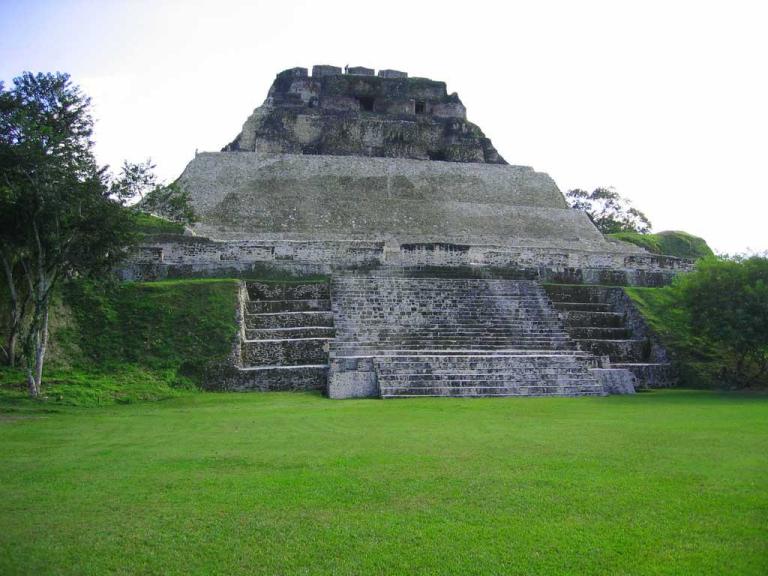
Underwater archaeology diving is a niche form of scuba diving that combines exploring submerged shipwrecks, sinkholes, and historical relics with recreational or technical diving. 

Certain spots around the world offer a unique experience for divers to explore underwater relics. Shipwrecks and submerged structures can be fascinating for those seeking to combine underwater exploration with historical sites. Here are a few unique dive trips focused on underwater archaeology.

  • Micronesia: Japanese WWII naval wrecks in Chuuk (Truk) Lagoon
  • Cayman Islands: The USS Kittiwake and MV Captain Keith Tibbetts wreck dives
  • Mexico: Freshwater cenotes and underground rivers in the Riviera Maya
  • Philippines: WWII wrecks in Coron Bay and surrounding reef dive sites

Micronesia

Nippo Tank Truk Lagoon

Chuuk (Truk) Lagoon in Micronesia is world-famous for dozens of sunken WWII Japanese naval vessels that went down in 1944. Some of the wrecks in this area contain metallic concentrations, including machinery, gear, and structural parts. Depending on the state of preservation, other items such as cargo crates, tanks, or metallic tools are visible in or around these wrecks. 

The lagoon's relatively calm waters and visibility make some wrecks accessible to open-water divers, while deeper wrecks require advanced or technical certification. Most local dive operators include educational briefings that provide general historical background related to the area. These experiences are ideal for divers interested in maritime or WWII history.

Cayman Islands

Kittiwake wreck Grand Cayman

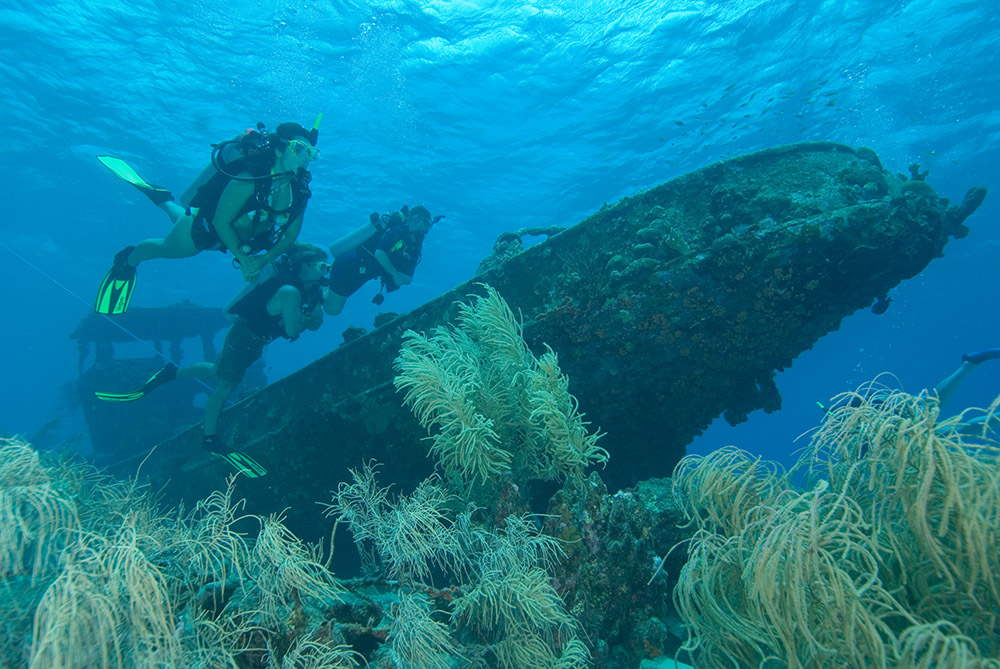
Grand Cayman and Cayman Brac feature two of the Caribbean’s most well-known wrecks. Divers can visit the 251-foot Kittiwake, a naval submarine rescue vessel, on Grand Cayman, and the 330-foot M/V Captain Keith Tibbetts, a Soviet-built frigate and the only wreck of its kind in the western hemisphere, off Cayman Brac. 

Divers to these wreck sites will find structures such as gun mounts, open passageways, and deck components. Good visibility in the surrounding waters can make for excellent photography opportunities. The Kittiwake has been underwater since 2011 and the M/V Captain Keith Tibbetts since 1996, so each wreck has become a habitat for local marine life and colorful coral formations as well. 

Mexico

cenote diving in Mexico

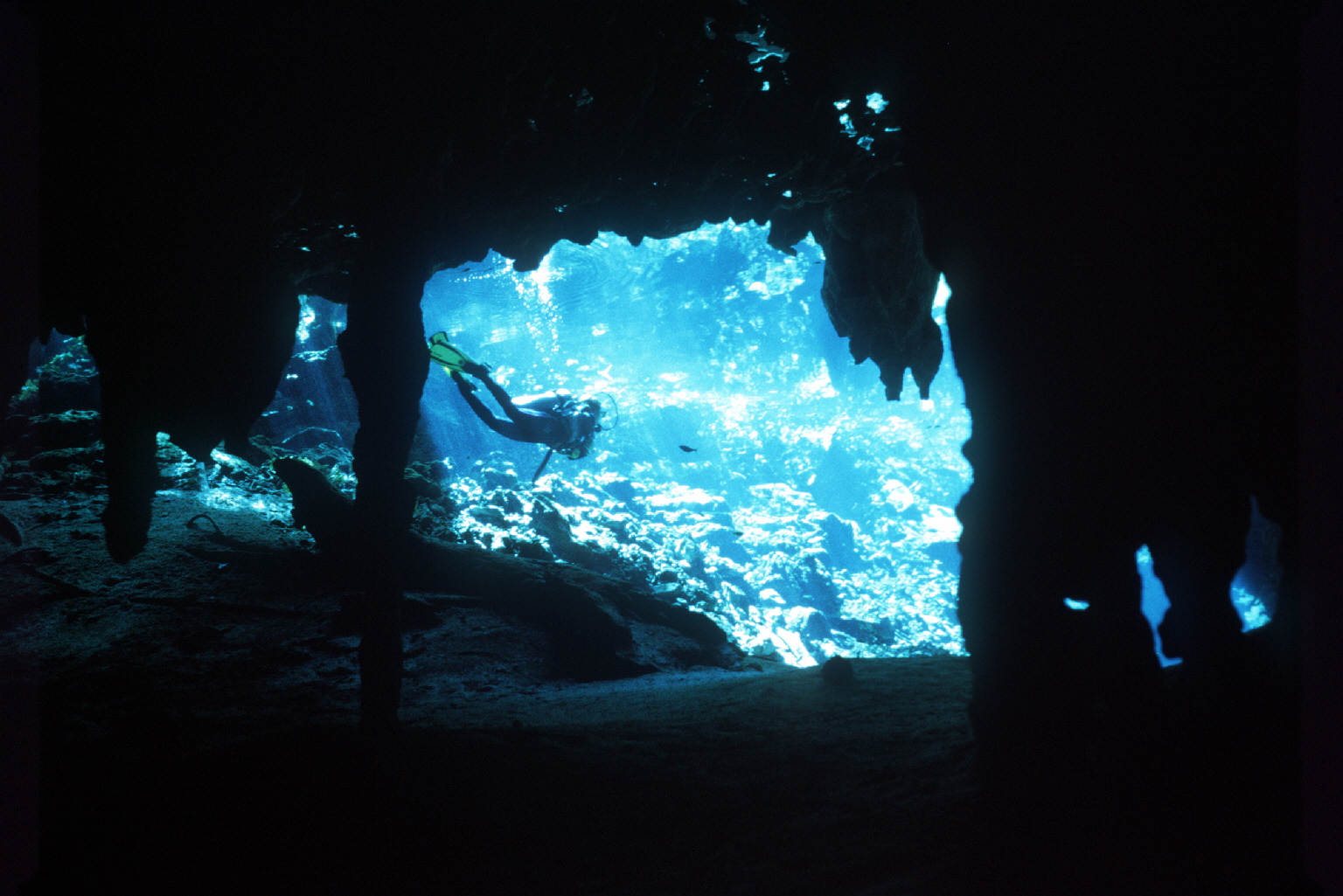
Freshwater cenotes in the Yucatan’s Riviera Maya offer a unique diving experience. A cenote is a natural freshwater sinkhole formed when a limestone cave roof collapses, exposing the underground river below. These formations attract divers, snorkelers, and researchers. 

Well-known cenotes, such as Dos Ojos or Angelita, allow properly certified divers to wander through cavern-like rooms and tunnels covered with stalactites and stalagmites. These complex underground rivers were navigated multiple miles inland by the Mayan civilization.

The clean, clear water and diffuse sunshine in the caverns create a peaceful and aesthetically pleasing environment. Diving in cenotes offers a unique dive experience compared to reef or wreck diving, as the space is more confined, has intersecting pathways, and it occurs in freshwater. These sites may appeal to divers interested in geology, ancient cultures, or unusual underwater terrain.

Philippines 

Coron Bay, along with parts of Puerto Galera and the Visayas, is home to wrecks associated with naval history. Coron offers multiple wrecks of the Imperial Japanese fleet, sunk during a WWII air raid, and the surrounding waters provide additional wreck and reef sites to explore. At some sites, divers can see giant metal structures, propellers, or holes that lead into hulls. The depth and accessibility of these sites vary. 

Some wrecks lie in recreational dive range, while others may require advanced certifications due to conditions or complexity. These sites are ideal for pairing wreck diving with reef diving, offering divers the opportunity to explore both natural and cultural underwater sites.

Plan One-of-a-Kind Dive Trips Today

Dive trips focused on underwater archaeology offer a rare chance to explore submerged ruins, shipwrecks, and ancient artifacts hidden beneath the sea. Maduro Dive can book your dive experience, working with our reliable vendors who guide you at these unique destinations. Schedule your next dive trip today.

The post Unique Dive Trips Focused on Underwater Archaeology appeared first on Maduro Dive | Exclusive Scuba Diving Packages.

]]>