The post Recipes for resilient bones appeared first on SAS Life.
]]>
The previous blog explained that bone health depends on more than calcium—strong bones are supported by a comprehensive lifestyle and eating pattern. Now it’s time to put bone health on your plate.
If you want to nourish your bones without loading up on supplements or consuming lots of dairy, you must be intentional about building a balanced eating pattern. This blog features some tips and recipes high in bone-supportive nutrients to help you get started, even if you don’t. These dishes also include whole, anti-inflammatory foods to help create an internal environment without excess inflammation to foster healthy bone remodeling.
Before diving into new recipes, what tiny tweaks might give you a head start? A spoonful here, a swap there—small changes can help you fit more bone-supportive nutrients into your day.
- Top your salads and side dishes—sprinkle on natural shredded cheese for calcium, slivered almonds for calcium and magnesium, or hemp seeds for magnesium and healthy fats.
- Top bland bowls with a fermented food—such as a dollop of plain yogurt or a forkful of sauerkraut or kimchi—for extra flavor and vitamin K2.
- Add dark leafy greens to leftovers, soups, and marinara sauces for calcium, magnesium, and vitamin K1.
- Switch from peanut butter to almond butter or tahini for a bit more calcium.
- Use your smoothies as a vehicle for protein and/or collagen powder, high-calcium milk, dark leafy greens, and nutrient-rich additions such as chia and hemp seeds.
- Enjoy your meal outdoors and soak up a little sunlight to support vitamin D production.

Beyond the Usual Bone-building Nutrients
Calcium, vitamin D, magnesium, and vitamin K2 tend to get the bulk of the bone-building attention, but a varied eating pattern brings more to the table. Both vitamin K1 and K2 support vitamin K–dependent proteins involved in bone metabolism. Vitamin K1 is found mainly in leafy greens such as kale, collards, spinach, and watercress, and the body can convert some K1 to the K2 form MK-4.
Vitamin C is also important for bone density, resilience and collagen formation.
Plant foods provide trace elements that may support bone health too. Avocados, nuts, raisins, and beans are sources of boron, while whole grains and vegetables such as green beans provide silicon. Early research suggests boron may influence how the body handles minerals involved in bone health, while silicon may help support bone’s collagen-rich framework. Their potential benefits are still being studied, and recommended daily intakes have not been established for either one.
The takeaway: focus on food variety before adding more supplements.
Build better #bones, one bite at a time! Check out these nutrient-rich recipes that support bone health. #saslife
Share on X
Dishes That Pack a Bone-Supporting Punch
Pace yourself for your journey towards a diet that consistently incorporates the essentials for bone health. Start by trying just one new meal, and if it’s not your favorite the first time you make it, make adjustments next time—or move on and try a different recipe the following week. Once you find one worthy of keeping in your rotation, make it a few times before adding something new. When you can prepare it on autopilot, look for another recipe to add. This slow, steady approach will lead you to a bone-supportive eating pattern that doesn’t feel like a full-time job or complicated math problem.

Breakfasts and Snacks
Greek yogurt chia pudding
Greek yogurt, milk, and chia seeds make this pudding a bone-building powerhouse, providing approximately 350–450 mg of calcium, 14–17 grams of protein, and more than 100 mg of magnesium per serving. For a dairy-free version, choose a fortified plant milk and a boost the protein content by mixing in protein powder or collagen peptides.
Berry tahini smoothie
Fortified almond milk, protein powder, flaxseed, and tahini make this berry smoothie a convenient source of calcium, protein, and magnesium, while the berries provide vitamin C to support bone’s collagen framework. Check labels and shake the almond milk well or swap it out for cow’s milk.
Strawberry flax parfait
Greek yogurt provides the calcium and protein foundation for this bone-supportive parfait, while almonds and ground flaxseed add magnesium, and strawberries supply vitamin C to support collagen production. Altogether, it provides approximately 325–375 mg of calcium, 25–28 grams of protein, and about 100 mg of magnesium per serving. Tired of Greek yogurt? Try it with cottage cheese instead.
Tofu scramble
Tofu makes this plant-based scramble a protein-rich breakfast and, when prepared with calcium sulfate, an excellent source of bone-building calcium. Check the label for calcium-set tofu, add leafy greens, and serve with ½ grapefruit for a bone-supportive vegan breakfast.
Avocado toast with eggs + sauteed greens
Pasture raised eggs provide vitamin K2, omega-3s, protein, and a small amount of vitamin D, while avocado, whole-grain toast, and leafy greens supply magnesium, vitamin K, and other nutrients that support strong bones. Choose kale or arugula for more absorbable calcium and add feta for a boost.
Edamame guacamole
Edamame and Greek yogurt give this creamy guacamole a boost of protein and calcium, while avocado contributes magnesium, potassium, and vitamin K. Pair it with crunchy vegetables or magnesium-rich seed crackers.
Ultimate seed crackers
Pumpkin, flax, sesame, and chia seeds make these crunchy crackers a concentrated source of magnesium, calcium, protein, phosphorus, and zinc—all nutrients that help support strong bones. Pair them with edamame guacamole, hummus, Greek yogurt dip, or canned or smoked salmon for an even bigger bone-building boost.
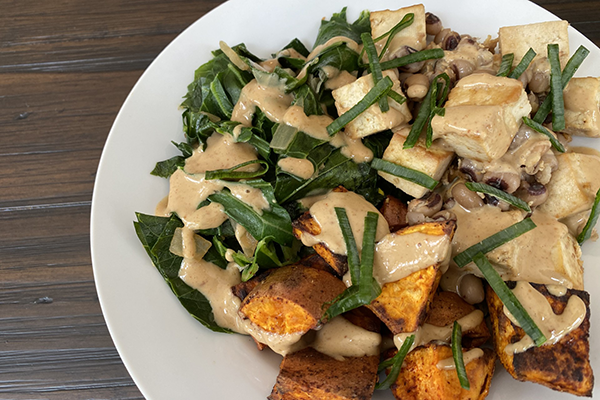
Lunches and Dinners
Carolina harvest protein bowl
Calcium-set tofu, black-eyed peas, collard greens, tahini, and peanut butter provide about 24–28 grams of plant protein, 450–650 mg of calcium, and 175–225 mg of magnesium per serving, along with potassium and vitamin K. Look for tofu that lists calcium (often calcium sulfate) on the ingredients list for the biggest calcium boost.
Tempeh kale hash
Each serving provides about 28 grams of protein, 450 mg of calcium, and 155 mg of magnesium. Kale also supplies lots of vitamin K1, while kale and sweet potato contribute vitamin C to support bone’s collagen framework.
Lentil chard soup
Lentils, Swiss chard, vegetables, and turkey sausage make this hearty soup an excellent source of protein and fiber, providing about 30 grams of protein, approximately 100–175 mg of calcium, and 75–110 mg of magnesium per serving. The veggies also contribute anti-inflammatory phytonutrients. Choose lower-sodium broth and sausage to keep the levels in check.
Oven fried salmon sardine cake over sauteed Swiss chard
Salmon, sardines, almond flour, sweet potato, and Swiss chard make this meal rich in protein, calcium, magnesium, vitamin D, and vitamin K. Depending on patty size, it provides approximately 250–400 mg of calcium, 20–30 grams of protein, and 80–120 mg of magnesium per serving. The omega-3 fats in salmon and sardines, along with the leafy greens, olive oil, herbs, and spices, also give the meal anti-inflammatory benefits.
Salmon spinach bowl
With salmon, white beans, spinach, tahini, and sesame seeds, one serving supplies approximately 350–450 mg of calcium, 45–55 grams of protein, and 180–230 mg of magnesium. It also offers strong anti-inflammatory benefits from salmon’s omega-3 fats and the fiber, antioxidants, and healthy fats in the beans, spinach, tahini, sesame, and lemon.
Buffalo chicken salad and kale chips
This combo provides approximately 40–45 grams of protein, 180–260 mg of calcium, and 55–65 mg of magnesium per serving. Chicken and cottage cheese supply protein, while kale adds extra calcium and vitamin K1 to support bone health.
Instant Pot Mongolian beef with black rice and bok choy
Grass fed, grass finished beef supplies high-quality protein, some omega 3s, and vitamin K2, while whole grain rice, bok choy, carrots, garlic, and sesame seeds add magnesium, calcium, vitamin K1, along with other bone-supportive compounds. Per serving, this dish provides approximately 25–35 grams of protein, 150–250 mg of calcium, and 75–110 mg of magnesium. This recipe also works well with chicken as the primary protein.
Pumpkin seed pesto steak salad
Grass-fed steak, pumpkin seeds, quinoa, and spinach provide approximately 30–40 grams of protein, 100–175 mg of calcium, and 200–300 mg of magnesium per serving, along with vitamin K to support bone structure and muscle strength. Pumpkin seeds, extra-virgin olive oil, spinach, cilantro, garlic, lemon, and spices add fiber, healthy fats, and antioxidant compounds that contribute anti-inflammatory benefits.
Find more bone supportive recipes here.
Greek Yogurt Chia Pudding
Serves 4
Recipe adapted from: iFoodReal
PRINT RECIPE

Ingredients
1 ½ cups plain Greek yogurt
1 ½ cups milk of choice
2 Tbsp maple syrup or honey
1 tsp pure vanilla extract
½ cup chia seeds
Instructions
- In a large bowl, add Greek yogurt, milk, maple syrup and vanilla extract, whisk well.
- Add chia seeds and whisk more. Let chia pudding mixture sit for 5 minutes and then whisk one more time.
- Divide between 4 small jars, cover with a lid and refrigerate overnight or for at least 6 hours.
- When ready to eat, add your favorite toppings and enjoy.
Notes
- Optional toppings: fresh fruit, cacao nibs, nut butter, hemp seeds
- For more mixed in fruity flavor, add frozen fruit to the mixture before refrigerating overnight.
- Store for up to 5 days in the refrigerator.
- Give it a protein boost with protein powder. For each Tbsp of protein powder used, add an additional 1-2 Tbsp of liquid.
The post Recipes for resilient bones appeared first on SAS Life.
]]>The post Beyond calcium: Supporting bone health through menopause and beyond appeared first on SAS Life.
]]>
Bone is living tissue that is continually broken down and rebuilt. Although skeletal health often gets prioritized only after a fracture or a diagnosis of osteopenia or osteoporosis, the habits that protect bone matter throughout life. The good news is that it is never too early—or too late—to support stronger bones.
Learn how different nutrients, exercise, addressing age-related changes, and other lifestyle factors work together to support bone health for life. #saslife #menopause #bonehealth
Share on X
Nutrients You Should Know
Strong, resilient bones require enough protein and a coordinated supply of many minerals and vitamins. A varied eating pattern is more useful than focusing on a single “bone food” or supplement. Some key players include:
- Calcium: Calcium gives bone much of its structure and strength. Significant food sources include dairy, calcium-fortified plant milks, canned salmon or sardines with bones, dark leafy green vegetables, and beans.
- Vitamin D: Vitamin D helps the body absorb calcium and supports normal bone mineralization. Few foods naturally contain much vitamin D, but sunlight, fortified foods, and supplements, when appropriate, can help optimize levels.
- Protein: Protein helps form the collagen-rich flexible matrix of bone and the muscle needed for balance, mobility, and fall prevention. The most protein-rich foods include meat, fish, dairy, soy, and other legumes.
- Magnesium: Magnesium influences bone metabolism and contributes to bone structure, and most people don’t get enough. Seeds, nuts, beans, lentils, dark leafy green vegetables, and whole grains are reliable sources.
- Vitamin K2: Vitamin K2 is required to activate osteocalcin, a protein that binds calcium to bones. Fermented foods and grass-fed, pasture-raised animal products are the best sources.
Check out this handout for specifics on how to meet your bone health nutrient needs through diet and supplements.

The Big Picture of Lifestyle and Nutrition
Food provides the raw materials for bone, but inflammation levels, digestive health, hormones, muscle strength, certain medications, and everyday habits also affect how bone is maintained.
Choose an overall healthy eating pattern
Focus on what you eat most often. Emphasize a variety of whole plant foods and include protein at meals. Limit excessive caffeine and ultra-processed foods high in added sugars, sodium, industrial fats, and chemicals. Chronic inflammation can contribute to bone loss and osteoporosis. Decrease inflammatory ultra-processed foods like cookies, chips, and other packaged foods high in added sugar and starch and unhealthy fats. Add in plenty of anti-inflammatory plant foods high in polyphenols and cold water fish and certain seeds and nuts that are high in omega-3 fats.
Support digestive health
The gut helps absorb the nutrients needed for bone, and metabolites of gut microbiota play a key regulatory role in the skeletal system. Review strategies for better digestive health for basic gut hygiene. And, seek guidance from a registered dietitian or other health care provider on how to optimize your absorption if you’ve had prolonged gastrointestinal issues or taken medications that reduce stomach acid for a prolonged time.
Vary your exercise to support bone health
High-impact exercise—involving running and jumping—and strength training support bone mineral density. As a bonus, increased strength from different forms of resistance training improves balance, which can reduce fall risk. Weight-bearing activities—including brisk walking, stair climbing and dancing—also challenge the skeleton in a good way. Look here for more specifics on preventing osteoporosis during different life stages with exercise. The best program depends on your health, fitness level, and fracture risk. If you have musculoskeletal concerns, ask a clinician or physical therapist which movements are safe for you.
See your health care provider about hormones
Estrogen helps limit bone breakdown, so bone loss often accelerates during the menopause transition. For those who are appropriate candidates, menopausal hormone therapy may reduce bone loss and fracture risk. If you take an estrogen-blocking medication, talk with your health care provider about ways to support bone health. Menopause can also be associated with pesky weight gain around the midsection. Addressing visceral adipose tissue—the deep fat in and around the abdominal organs—is important for overall health, but be careful not to overly restrict calories to meet unrealistic midlife body standards, as undernutrition can be detrimental to bone health.
Protect bone with daily habits
Get enough sleep, eat enough total food to meet your energy needs, and review medications or conditions that may affect bone with your health care team. Avoid smoking and limit alcohol intake. Strong bones are built through a pattern, not a single nutrient, so use this handout for help building a routine of eating well from with specific nutrients in mind and adopting healthy lifestyle habits to support bone health. If you have had a low-trauma fracture or are concerned about osteoporosis, nutrition and exercise should complement—not replace—recommended screenings and medical consultations.
Salmon & White Bean Spinach Bowl
Serves 2
PRINT RECIPE

Ingredients
For the Bowl
2 wild-caught salmon fillets
10 oz baby spinach, about 8 cups packed tightly
1 ½ cups cooked great northern beans, equivalent to a 15oz can rinsed and drained
1-2 Tbsp avocado oil
1 garlic clove, minced
2 Tbsp sesame seeds
salt, to taste
black pepper, to taste
Lemon Tahini Dressing
¼ cup tahini
2-3 Tbsp lemon juice, or the juice of 1 lemon
2 tsp maple syrup
⅛ tsp salt
warm water, as needed
Instructions
- Set skillet to medium-high heat and toast sesame seeds until lightly browned, about 5 minutes, stirring occasionally. Remove seeds from the skillet and set them aside.
- Pat the salmon dry and season with salt and pepper. Add avocado oil to the heated skillet. Once the oil heats, about a minute, add the salmon skin-side down and cook for 4–5 minutes. Flip and cook for another 3–4 minutes, or until cooked through. Remove from the skillet.
- Reduce the heat to medium. Add the minced garlic, and once it is slightly browned, about 1 minute, add the spinach and the beans. Sauté, stirring occasionally, for about 3 minutes, or until the spinach is bright green and wilted and the beans are warmed through. Add a splash of water or oil if needed and cover to encourage the greens to wilt.
- Whisk the tahini, lemon juice, maple syrup, and salt in a small bowl until smooth and creamy. Add water if needed until the desired consistency is reached.
- Divide the greens and beans between two bowls. Top each bowl with a salmon fillet, drizzle with the tahini dressing, and sprinkle with toasted sesame seeds.

The post Beyond calcium: Supporting bone health through menopause and beyond appeared first on SAS Life.
]]>The post Snack smart with simple ingredients appeared first on SAS Life.
]]>
Healthy snacking doesn't have to be complicated. To help take the guesswork out of grocery shopping, we scoured store shelves and online reviews for convenient, shelf-stable snacks made with simple, nutritious ingredients. The result? A collection of travel-friendly favorites, plus practical tips to help you choose wholesome snacks with confidence.
#Snack smarter, not harder.  Learn how to spot a snack made with simple ingredients and discover better-for-you options. #saslife
Share on X
What to Look for on a Label
When choosing store-bought snacks, pay close attention to the nutrition facts label and ingredient list. Marketing claims can be misleading, so look beyond the front of the package.
Prioritize products that:
- Have a short ingredient list.
- Contain recognizable, high-quality ingredients (the less processed, the better).
Try to avoid or limit products with:
- Added Sugar: If sugar does not occur naturally in a food, it is considered added sugar. Added sugars go by many names, including cane sugar, brown rice syrup, agave nectar, honey, maple syrup, and more. Check the nutrition facts label to see how much sugar a product contains, then review the ingredient list to see where it’s coming from. Aim for snacks with little to no added sugar when possible.
- Artificial Sweeteners: These synthetic sugar substitutes include acesulfame potassium (Sunett, Sweet One), aspartame (Equal, NutraSweet), neotame, saccharin (Sweet ‘N Low), sucralose (Splenda). They are commonly found in products marketed as “sugar-free” or “light.” Read more about artificial sweeteners and their potential pros and cons.
- Processed Carbohydrates: Check for white flour, white rice flour, maltodextrin, and other refined grains on the ingredient list. Compared to whole, intact grains, these starches contain less fiber and may be less satisfying.
- Inulin/Chicory Root: This prebiotic helps boost the fiber content of products, but some people experience bloating, gas or other digestive discomfort from larger quantities. Pay attention to how your body responds.
- Highly Processed Ingredients: Choose snacks with relatively short ingredient lists and ingredients you recognize. While not every ingredient with a scientific name is harmful, minimally processed foods made with simple ingredients are often easier to evaluate and can be a good place to start.
 Build a Balanced Snack

For a satisfying snack, combine nutrient-dense carbohydrates with protein and/or healthy fats. If a snack is low in protein, pair it with a protein-rich or healthy-fat food to keep you satisfied and energized longer. For example, an all-fruit bar contains mostly carbohydrates, so pair it with cheese, a meat stick or a handful of nuts.
Remember: No naked carbs! A carb + a protein/healthy fat is more likely to provide lasting energy and help curb hunger between meals. Use this plate as a visual guide for building balanced snacks.
What to Buy
This list is meant to provide inspiration and a starting point for cleaner eating, not a complete catalog of every healthy snack option. Use the tips above to evaluate products and discover additional favorites that fit your preferences. These products can be found at many grocery and retail stores, including Whole Foods, Trader Joe’s, Publix, Target, Harris Teeter and Costco, as well as online retailers such as Amazon and Thrive Market.

Bars
Portable and convenient, bars can serve as a snack or a meal replacement depending on their nutrient content. Check the nutrition facts label to determine whether a bar fits your needs. For more information on protein bars, scan this guide.
- Rise Bars
- Good & Gather Protein Bars
- RXBars (certain flavors; check for added sugars)
- Lara Bars (certain flavors; check for added sugars)
- Made in Nature Fig ‘N’ Oats Bars (gluten-free; these are fruit and oat based so pair it with a protein/healthy fat)
- That’s It Fruit Bars (these are just fruit so pair it with a protein/healthy fat)

Meat Sticks, Bars and Jerky
These protein-rich options provide protein and fats with little prep. Look for products made with quality ingredients and minimal additives. Enjoy as is or pair with a nutrient-dense carbohydrate like fruit, whole grain crackers or popcorn.
- Paleo Valley (beef, chicken, pork, venison options)
- Epic Bites, Bars or Snack Strips (beef, bison, chicken, pork, salmon, venison options)
- Wild Zora Meat and Veggie Bars (beef, lamb, pork, turkey options)
- Mighty Spark Snack Sticks (chicken)
- Chomps Meat Sticks (beef, chicken, turkey, venison options)
- Archer Meat Sticks or Jerky (beef, chicken, turkey options)
- Lorissa’s Kitchen (beef and turkey options)
- Kirkland Grass-Fed Beef Sticks
Chips
Craving something crunchy? Look beyond traditional potato chips and try alternatives made from fruits, vegetables, seeds and other simple ingredients.
- Bare Fruit Chips
- Dang Lightly Salted Coconut Chips
- Flackers Seed Crackers
- Foods Alive Sprouted Crisps
- Jackson’s Sweet Potato Chips

More Snack Favorites
These snacks don’t fit neatly into a single category but earn a spot on the list thanks to their simple ingredients, convenience and great taste.
- Moon Cheese (all the goodness of cheese, with a crunch and no refrigeration required)
- The Good Bean Roasted Chickpeas (be mindful of ingredients in more seasoned varieties)
- Lesser Evil Organic Himalayan Pink Salt Popcorn
- Good & Gather Organic Olive Oil & Himalayan Salt Popcorn
- Good & Gather Raw Mixed Nut Packets
- Gimme Sea Salt & Avocado Oil Roasted Seaweed
- Foods Alive Trail Mix
- Made in Nature Puffed Fruits & Veggies
- The Only Bean Roasted Edamame
Homemade Snacks
Whenever time permits, try making your own versions of these products. Homemade snacks allow you to control the quality and quantity of ingredients, customize flavors, and often save a few bucks. Here are a few recipes using simple ingredients to get you started:
- Air Fryer Apple Chips
- Copycat RX Bars
- DIY Microwave Popcorn and Popcorn Seasonings
- Granola Bars
- No-Bake Energy Bites
- Protein Bars
- Ranch Roasted Nut + Seed Mix
- Roasted Chickpeas
- Seed Crackers
What wholesome snacks would you add to this list?
Remember, healthy snacking doesn't have to be complicated. Start with simple ingredients, build balanced snacks, and have fun discovering new favorites.
Trail Mix Granola Bars
Makes 12 bars
Recipe from: Clean Food Crush
PRINT RECIPE

Ingredients
1 cup rolled old-fashioned oats
1 cup cooked and cooled quinoa
¼ cup ground flaxseed
1 tsp ground cinnamon
½ tsp sea salt
½ cup raisins
½ cup pistachios, coarsely chopped
½ cup chocolate chips or chopped dark chocolate
2-4 Tbsp pure maple syrup or honey
zest and juice of 1 orange
2 Tbsp natural nut or seed butter
2 Tbsp melted grass-fed butter, ghee or coconut oil
2 tsp vanilla extract
Directions
- Pre-heat oven to 350°F and line an 8x8 baking pan with parchment paper.
- Combine oats, quinoa, flaxseed, cinnamon, salt, raisings, pistachios and chocolate chips in a large bowl.
- Add maple syrup/honey, orange zest and juice, nut butter, butter/ghee/oil and vanilla in a small saucepan.
- Place over low heat and stir continuously until well combined and just warmed.
- Pour warm mixture over oats in the bowl and stir until thoroughly combined.
- Transfer granola mixture to prepared pan and press to an even thickness, going all the way through the corners.
- Bake in the oven for 15-20 minutes, or until the top is golden.
- Allow bars to cool completely before slicing.
- Store tightly sealed in the fridge or freezer.
The post Snack smart with simple ingredients appeared first on SAS Life.
]]>The post A handful of health: why nuts and seeds matter appeared first on SAS Life.
]]>
Crunchy, versatile, and packed with nutrition, nuts and seeds are some of nature's smallest superstars. Whether you're grabbing a handful for a snack, topping a salad, or mixing them into yogurt, it's easy to add more of these nutrient-rich foods to your day. Despite their small size, nuts and seeds deliver an impressive lineup of nutrients that can support health from head to toe.
Nuts vs. Seeds: What’s the Difference?
Many people use the terms nuts and seeds interchangeably – and from a nutrition perspective, that’s fine. Botanically however, there are some unique distinctions.
Botanically speaking,
- Nuts are hard-shelled fruits that contain a single seed, like acorns, chestnuts and hazelnuts.
- Seeds are reproductive plant structures that can grow into new plants, like sunflower, pumpkin, chia, flax and sesame seeds.
Culinarily speaking, things get a little blurry. Foods we often refer to as nuts (like almonds, walnuts, pistachios and cashews) are not true botanical nuts. They’re actually seeds. And peanuts aren’t nuts either – they’re legumes and are related to beans and peas!
Nutritionally speaking, nuts and seeds are very similar, which is why they tend to be grouped together in dietary guidelines.
Crunchy, versatile, and packed with nutrition, nuts and seeds are some of nature's smallest superstars. Learn why they deserve a spot in your daily routine. #saslife
Share on X
Health Benefits
Nuts and seeds have been used for medicinal purposes since ancient times. They are rich in healthy fats, protein, fiber, vitamins, minerals, antioxidants and phytochemicals.
The amounts and types of nutrients in nuts and seeds vary, so one isn’t necessarily better than another. One type may have a little more vitamin E, while another shines with selenium, so it’s best to eat a wide variety to reap the most nutritional benefits.
Nuts and seeds have been shown to:
- Improve heart health
- Promote fullness and satiety
- Stabilize blood sugar
- Support brain health (yay for omega-3s!)
- Benefit gut health

How Much Should I Eat?
In general, research suggests consuming about a handful (1 ounce) of nuts and seeds most days. Enjoying this amount is a simple way to reap the benefits while keeping portions in check.
One study found that eating 1 ounce of nuts and seeds per day was associated with a 21% lower risk of cardiovascular disease, an 11% lower risk of cancer mortality, and a 22% lower risk of all-cause mortality.
Because nuts and seeds are rich in healthy fats, they are more calorie-dense than many other foods. A handful is typically enough to provide important nutrients and health benefits without overdoing it. (But go nuts with variety!)
Go Nuts!
When choosing nuts and seeds, opt for raw, dry-roasted, unsalted, or lightly salted varieties. Many contain added oils, sugar, salt and other ingredients that can diminish their overall nutritional value, so read ingredients lists carefully.
Enjoy a handful as a snack. Use natural nut or seed butters (or better yet, make your own). Sprinkle on salads. Stir into trail mix. Add to oatmeal or yogurt. Blend into baked goods. The options are endless!
In a Nutshell
Whether enjoyed by the handful, sprinkled on a salad, or stirred into your favorite meal, nuts and seeds are an easy way to add flavor, crunch, and nutrition to your day. Small additions can add up to meaningful health benefits over time.
What's your favorite way to enjoy nuts and seeds?
Ranch Roasted Nut + Seed Mix
Makes 4 cups
PRINT RECIPE

Ingredients
1 tsp garlic powder
1 tsp onion powder
1 tsp paprika
1 tsp dried parsley
1 tsp dried dill
1 tsp black pepper
½ tsp salt
2 Tbsp avocado oil
4 cups raw nuts and seeds (I used cashews, pistachios, almonds and pepitas)
Directions
- Pre-heat oven to 325°F and line a baking sheet with parchment paper.
- Mix dried spices, pepper and salt in a small bowl.
- Toss avocado oil with nuts and seeds in a separate bowl.
- Add spice mixture and toss again to coat evenly.
- Spread nut mixture on the prepared sheet pan in an even layer.
- Bake for 20-30 minutes, stirring every 5 minutes, until lightly toasted and fragrant.
- Cool completely before storing in an airtight container.

The post A handful of health: why nuts and seeds matter appeared first on SAS Life.
]]>The post Beyond bloating: what SIBO is and what you can do about it appeared first on SAS Life.
]]>
Chronic bloating, gas, abdominal discomfort, constipation, or diarrhea can be incredibly frustrating — especially when symptoms seem to show up after almost every meal. If you’ve been told “everything looks normal” but you still don’t feel normal, there may be more going on beneath the surface. That chronic bloating could be SIBO.
Small Intestinal Bacterial Overgrowth (SIBO) occurs when bacteria that normally reside in the large intestine begin to overgrow in the small intestine. Normally, your small intestine has a very low bacterial count – most of your gut microorganisms live in the large intestine. When too many organisms set up shop in the small intestine, they can interfere with digestion and absorption and can damage the tissue itself. Considering that your small intestine is where the majority of your gut hormones (that influence your whole body) are produced and where most of the nutrients are absorbed, this can cause some major issues.
Could your bloating be SIBO? Learn the symptoms, causes, treatment options and ways to reduce recurrence. #saslife
Share on X
What Exactly Is SIBO?
SIBO typically develops when natural protections — like stomach acid, digestive enzymes, bile acids, or gut motility — aren’t working properly. This leads to premature fermentation of food, increased gas production, bloating, abdominal pain (mostly from bloating), nausea, heartburn/GERD, and changes in stool (diarrhea, constipation). Since SIBO symptoms are usually triggered by eating, a classic sign is waking up feeling okay and getting progressively more bloated as the day goes on.
Side note: Small Intestinal Fungal Overgrowth (SIFO), while not technically a type of SIBO, can have very similar symptoms but is tested for and treated differently.

How is SIBO Diagnosed?
The best way to test for SIBO is a breath test in which you drink a sugar solution (like glucose or lactulose) and exhale into a collection device over two to three hours. The microorganisms in your GI tract will ferment the solution and produce different types of gas. The type(s) of gas that are overproduced tell you what kind of SIBO you might have.
Different types of SIBO:
- Hydrogen SIBO is the most common (about 60% of cases) and is usually associated with diarrhea.
- Intestinal Methanogen Overgrowth (IMO) involves methane-producing archaea, and its hallmark symptom is constipation, because methane slows motility.
- Intestinal Sulfide Overproduction (ISO) tends to be the most severe (and least common) and is usually correlated with urgent watery diarrhea and other symptoms like bladder irritation and even body pain.
Who Is at Risk for SIBO?
As mentioned earlier, your body has safeguards to prevent overgrowth in the small intestine: stomach acid kills bacteria, bile and digestive enzymes have antibacterial properties, and your immune system clears out invaders. And then there's the Migrating Motor Complex (MMC) – the coordinated muscle contractions that sweep your GI tract clean during fasting.
The MMC is your number one defense against SIBO, and impaired motility is the most common cause.
Things that slow the MMC can include:
- certain medications (NSAIDs, opiates, narcotics, corticosteroids, antibiotics, tricyclic antidepressants, GLP-1 agonists)
- certain disease states (diabetes, hypothyroid, Ehlers-Danlos, scleroderma, Parkinson's, TBI, gastroparesis)
- obstructions or adhesions from abdominal surgery, injury, or endometriosis
Other risk factors include low stomach acid, pancreatic enzymes or bile production (chronic PPI use, H2 blockers, excessive antacid use, aging, chronic stress), dysfunctional gut immunity, having other GI disorders (IBD, celiac, etc.) and food poisoning.

Common Treatment Approaches
Treating SIBO involves reducing excess bacteria in the small intestine and addressing why the overgrowth happened in the first place. You and your healthcare provider will work together to decide what treatment option is right for you.
1. Antibiotics
Xifaxan (Rifaximin) is often the first line treatment for all types of SIBO. Xifaxan is a different kind of antibiotic. It is not systemically absorbed and works mainly in the small intestine. It also has some anti-inflammatory properties. Methane‑dominant SIBO (IMO) usually pairs Xifaxan with neomycin or metronidazole to get to the methane producing archaea that are a little more stubborn.
Herbal antimicrobials like oregano oil, neem, or Allicin can work just as well as prescription antibiotics for certain people with hydrogen or methane dominant SIBO.
Treatments for sulfide overproduction are still in the works. However, pairing Xifaxan with bismuth subsalicylate has been shown to be very effective. Treatment length usually depends on how high the results were.
2. Elemental Diets
Elemental diets are basically a liquid-only formula that provides fully broken-down nutrients – amino acids, simple carbs and fats – in forms that are easily absorbed in the gut without fermentation. You are depriving the bacteria of their food source, so essentially starving out the overgrowth. This is typically done for 14 days. Studies show a success rate of 50-100%, usually depending on the type of SIBO.
This treatment option is usually saved for patients that didn’t see results with antibiotics or couldn’t tolerate the antibiotics – mainly because 14 days of a liquid only diet (that doesn’t taste very good) is not easy!
Prevention Tips: How to Reduce the Risk of SIBO Returning
Recurrence rates for SIBO are high unless you address the cause.
1. Support Gut Motility
Issues with motility are the most common reason for SIBO. So, anything you can do to increase or support the Migrating Motor Complex (MMC) will help reduce recurrence.
This might include:
- Prokinetics – at bedtime
- Herbal or supplement – liquid Iberogast, ginger, etc.
- Or prescriptions for more serious MMC issues
- Space meals 4–5 hours apart – no gum or sweetened beverages
- 12‑hour overnight fast
- Daily movement/activity – especially in the morning (walks, stretching, etc.)
- Having a warm beverage in the morning to stimulate motility
2. Support Digestion
- Slow down at mealtimes, take a few deep breaths before eating, chew your food well and don’t overeat
- Digestive enzymes taken with meals are sometimes necessary
- Probiotics after treatment can be helpful for some
- Stress management – chronic stress can impact stomach acid and motility!
- Must have a daily bowel movement!

What about Diet?
Before treatment: Carbohydrates feed the bacteria, so reducing overall carb intake typically reduces symptoms. Beyond that it can be very individualized. There are more restrictive diets that might help reduce symptoms even more, like a Low FODMAP Diet. However, this kind of restriction is meant to be short-term only. Long-term restrictions shrink your microbiome diversity and can make digestive issues worse, not to mention increasing food fear, feelings of deprivation and increasing your risk of nutrient deficiencies.
During treatment: Eat a well-balanced diet with as much diversity as possible. You don’t need to stick to low carbohydrate intake while on antibiotics (unless you need to for other reasons). You want all the gut microorganisms to be out and about so the antibiotics can take care of them!
After treatment: A well-rounded, lower carbohydrate diet with as much plant diversity and fiber as tolerated is the long-term goal. You might need to start slow though. Don’t forget about the meal spacing mentioned above and the meal hygiene strategies. It can also be helpful to minimize highly processed foods and alcohol.
Start Simple
If you are having chronic GI symptoms, first make sure to talk to your healthcare provider so they can rule out more serious causes first. Then, start to reduce highly processed foods, especially highly processed carbs, fried foods, and sweet drinks (sugar or artificially sweetened). Start to focus meals around protein, non-starchy veggies, healthy fats, and nutrient-dense carbs, and drink about half your body weight in ounces of water. Just these simple steps can help to reduce symptoms. Please work with a knowledgeable dietitian/nutritionist as well rather than white knuckling it alone.
Jerk Chicken & Mango Slaw Bowls with Honey Lime Cream
Makes 4 servings
Recipe Adapted from: Crisp Tastes
PRINT RECIPE

Ingredients
4 large chicken thighs (or 6-8 smaller ones), boneless and skinless
2 Tbsp jerk seasoning
1 Tbsp olive oil
2 cups cabbage, shredded (or coleslaw mix – shredded cabbage/carrots)
1 red bell pepper, sliced
¼ cup cilantro, chopped
¼ cup mayonnaise
1 Tbsp honey
1 lime, juiced
Salt and pepper to taste
1 mango, diced
Instructions
- Preheat the grill to medium-high heat.
- Rub the chicken thighs with jerk seasoning and olive oil.
- Grill the chicken for about 5 minutes on each side or until fully cooked.
- In a large bowl, combine cabbage, red bell pepper, and cilantro.
- In a separate bowl, whisk together the mayonnaise, honey, lime juice, salt, and pepper.
- Pour the dressing over the slaw and toss to combine.
- Once the chicken is cooked, slice it and serve it over the slaw, topped with diced mango.

The post Beyond bloating: what SIBO is and what you can do about it appeared first on SAS Life.
]]>The post The power of a 10-20 minute workout appeared first on SAS Life.
]]>Benefits of a short workout
Reduces stress, improves mood, and benefits brain function
Just ten minutes of movement has been seen to reduce cortisol and release of feel-good chemicals in the brain. Short higher intensity exercise also releases BDNF. This is a key molecule that is responsible for brain health and cognitive function. This molecule is especially important as we age to reduce the risk of Alzheimer's and Dementia.
Helps your heart
Short workouts can also provide meaningful cardiovascular benefits. Activities like brisk walking, cycling, jogging, rowing, or circuit training raise your heart rate and challenge your cardiovascular system. Over time, these workouts can help improve heart health, lower blood pressure, and increase endurance even after just 20min a day!
Benefits bone density and reduces risk of chronic disease
Consistent daily movement can add up to significant long-term improvements in overall health. Regular exercise helps maintain muscle mass, strengthen bones, support metabolic health, improve balance and mobility, and reduce the risk of many chronic diseases. The key is consistency, not perfection.
How to train with limited time
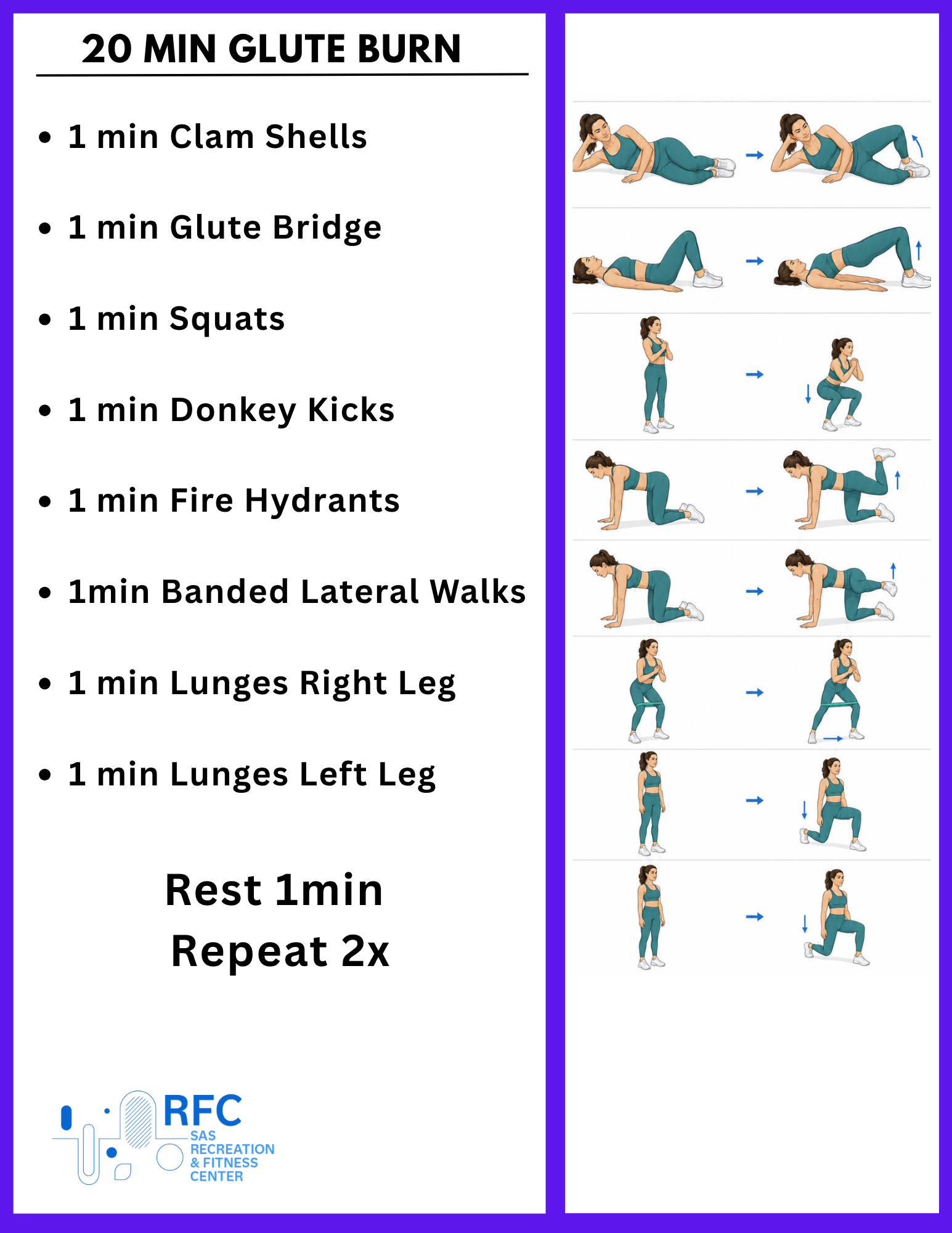
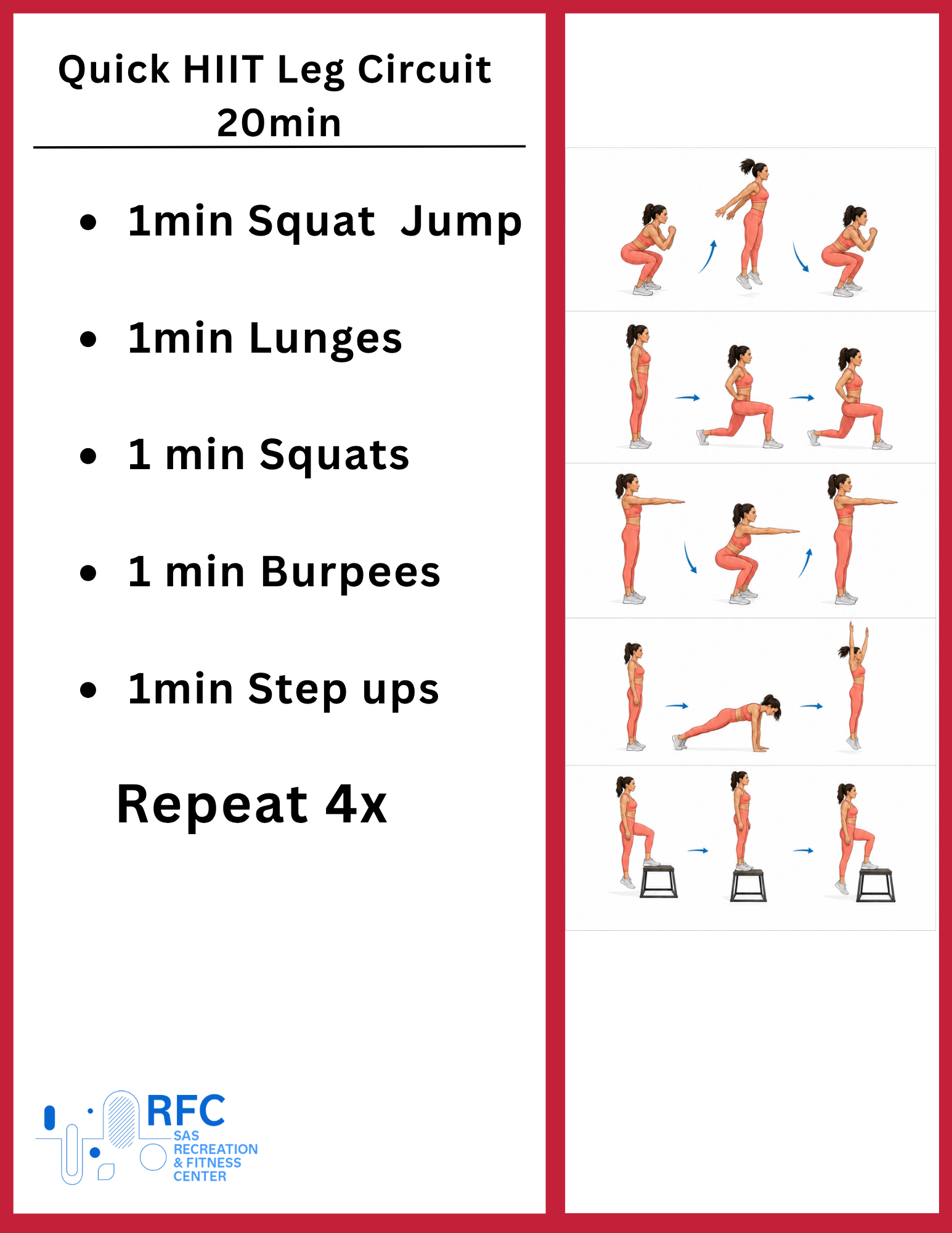
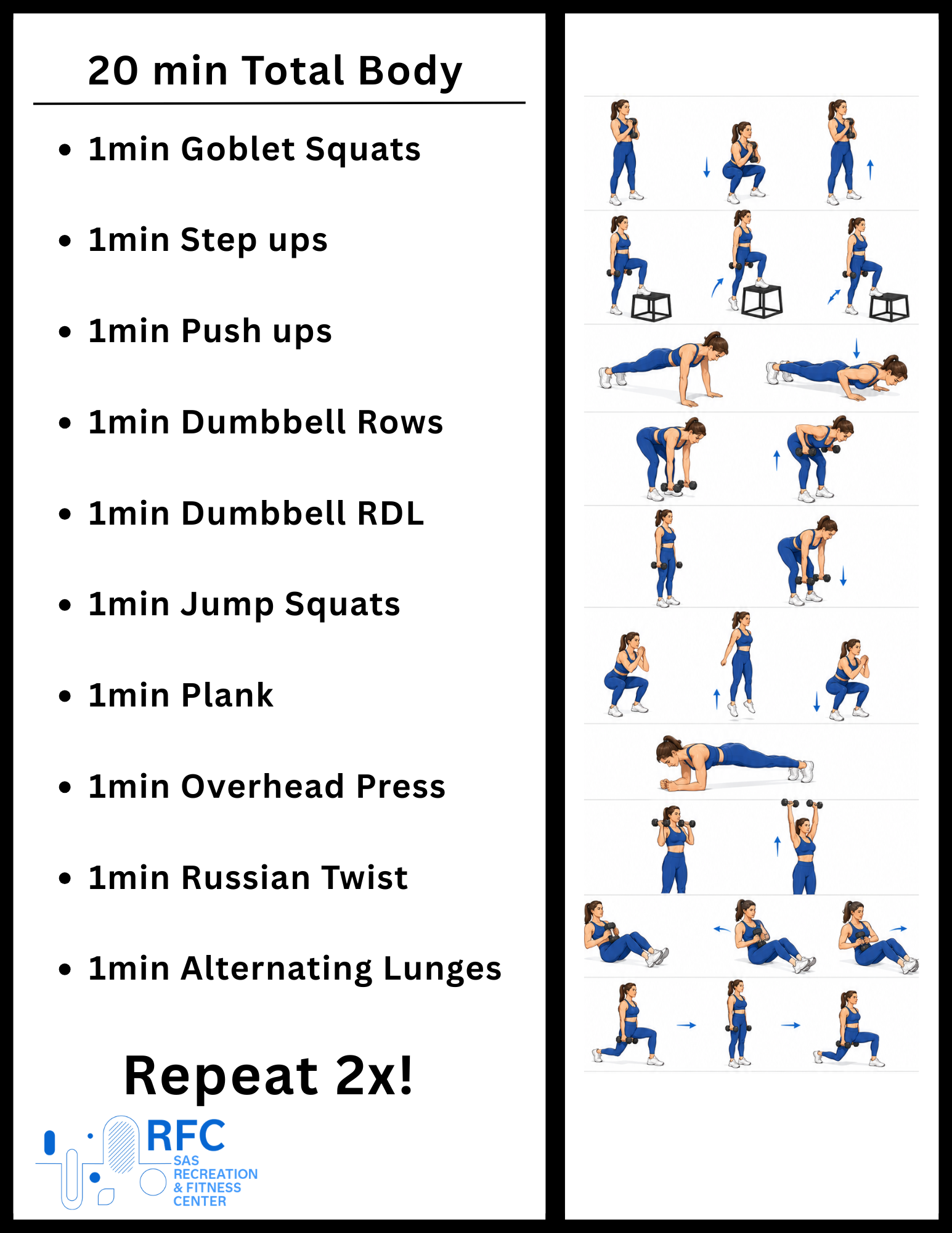
When time is limited, focus on quality over quantity. Instead of spending valuable minutes deciding what to do, go into each exercise with a plan. Challenge yourself on each exercise! If you are only working for 1min each exercise, try to increase the difficulty. You can do this through lifting more, moving faster, or standing on a more unstable surface. See a couple of workout options below.


Sources:
Birinci, Y. Z., Pancar, S., Şimşek, H., Soylu, Y., Konuk, K., & Şahin, Ş. (2026, January 31). Time-dependent comparison of serum BDNF responses following high-intensity interval exercise and moderate- and low-intensity continuous exercise in healthy young men. Nature News. https://www.nature.com/articles/s41598-026-37728-z
Alqahtani, S. M., Al-Kuraishy, H. M., Al Gareeb, A. I., Albuhadily, A. K., Alexiou, A., Papadakis, M., Hemeda, L. R., Faheem, S. A., & El-Saber Batiha, G. (2025, May 17). Unlocking alzheimer’s disease: The role of BDNF signaling in Neuropathology and Treatment. Neuromolecular medicine. https://pmc.ncbi.nlm.nih.gov/articles/PMC12084274/
Karthik Kumar, M. (2021, July 13). Is working out 20 minutes a day enough?. MedicineNet. https://www.medicinenet.com/is_working_out_20_minutes_a_day_enough/article.htm
The post The power of a 10-20 minute workout appeared first on SAS Life.
]]>The post Beyond gout: what high uric acid can mean for your health appeared first on SAS Life.
]]>
Gout has become common enough that most of us know what it is—or at least know someone who has dealt with it. But while gout gets most of the attention, the real issue behind it is uric acid. If you’ve had gout, you may have heard about purines or were told to avoid certain foods, but when uric acid levels stay elevated, the ripple effects can extend well beyond a painful big toe.
Uric acid is a natural waste product that forms when the body breaks down purines. Purines are vital building blocks for DNA, RNA, and many other essential molecules found in our cells. During the normal processes of apoptosis and autophagy—when old cells are dismantled and some parts are recycled into new cells—purines are released from these molecules. Most are then broken down and converted into uric acid. Purines are also found in many foods and drinks, which is where the nutrition conversation usually begins.
The kidneys filter uric acid from the blood, and most of it leaves the body through urine. About 30% is eliminated through the gastrointestinal tract.
Uric acid isn’t just about #gout. Here’s what to know and how nutrition can help. #saslife
Share on X
When Does Uric Acid Become a Problem?
Uric acid becomes a concern when it builds up in the blood. This can happen when the body is producing too much, not clearing enough, or a little bit of both. Either way, elevated uric acid can quietly create problems over time.
When uric acid stays too high for too long, crystals can form and settle in different parts of the body. Most commonly, they collect around joints—especially the base of the big toe, which is the classic gout presentation—but they can also affect the ankles, knees, wrists, and fingers. These crystals trigger an immune response, leading to inflammation, swelling, redness, and pain. They can also collect in the urinary tract, increasing the risk of kidney stones, or accumulate in tendons, bursae, and under the skin.

The Bigger Picture: Uric Acid and Whole-body Health
Here’s where uric acid gets especially important. Elevated levels are associated with oxidative stress, inflammation, and endothelial dysfunction—all key players in the development of cardiovascular disease. In other words, high levels of uric acid increase your risk of cardiovascular disease, including atrial fibrillation and hypertension. Elevated uric acid levels are also associated with chronic kidney disease, diabetes, metabolic syndrome, non-alcoholic fatty liver disease, and neurodegenerative diseases.
*Low blood uric acid levels can also be a problem, but this is much less common and is usually related to certain medications, rare kidney disorders, severe liver disease, or genetic conditions.
Why Uric Acid Levels Rise
Most often, elevated uric acid is related to diet and lifestyle, although certain medical conditions, medications, and genetics can also contribute. Body composition matters too. Obesity and higher levels of visceral fat are directly correlated with elevated uric acid levels because adipose tissue itself produces uric acid. And, elevated uric acid levels can inhibit the activity of the “fullness hormone” leptin, which can lead to overeating, creating a viscous cycle.
One of the biggest modern contributors may be the substantial increase in fructose consumption from processed foods and sweetened beverages. Fructose is catabolized into uric acid, directly contributing to elevated uric acid levels, gout, and many of the related health concerns.
Animal-based foods and alcoholic beverages that are high in purines can also contribute to elevated uric acid levels. Organ meats, game meats, certain types of seafood, yeast extracts, and beer are among the highest. Interestingly, plant-based sources of purines—such as beans, lentils, sea vegetables, spinach, and asparagus—do not appear to have the same impact on uric acid levels or gout risk.
Reduced excretion of uric acid is often related to dehydration or kidney dysfunction, which can result from conditions such as diabetes or insulin resistance. Interestingly, insulin resistance and elevated uric acid levels can perpetuate each other in a vicious cycle. Gastrointestinal issues may also contribute. Remember, about 30% of uric acid leaves the body through the GI tract, so constipation and dysbiosis, among other GI issues, may reduce uric acid excretion.
Look at Your Medications and Supplements
If you struggle with elevated uric acid levels, taking a closer look at medications and supplements may be one helpful step. Some diuretics, including thiazide and loop diuretics, as well as immunosuppressants and high-dose niacin (2 g or more daily), can have a significant impact on uric acid levels. Beta-blockers—specifically metoprolol—along with low-dose aspirin, insulin, and testosterone may also have a moderate effect. Of course, do not stop any prescription medication without first talking with your health care provider.

Dietary Strategies that Can Help Lower Uric Acid
The good news is there are several nutrition strategies that may help bring uric acid levels down.
- Start by reducing highly processed foods, sugary beverages, and alcohol—especially beer and sweet drinks/cocktails.
- Limit concentrated sources of fructose, including anything made with high fructose corn syrup, as well as agave syrup and honey.
- Reduce intake of high-purine animal foods, including organ meats (liver, kidney, etc.), game meats (veal, venison, etc.), and certain seafoods such as anchovies, shellfish, sardines, and mackerel.
On the supportive side:
- Dairy has been shown to lower uric acid levels, and even whey protein has been shown to have a uric acid-lowering effect.
- Hydration matters too. Aim for about 2½ to 3 liters of water per day to help your kidneys flush out uric acid.
Don’t forget about GI function either. Take steps to avoid or improve constipation and optimize your microbiome. Some specific strains have been shown to lower uric acid levels. Currently there are no retail products that contain these specific strains, so focusing on improving overall GI health is a good place to start.
Supplements that May Be Worth Discussing
- Quercetin: 250–500 mg daily may help inhibit xanthine oxidase, the enzyme required for the final step of uric acid production and promote excretion via the kidneys.
- Luteolin: 100 mg daily may also work by inhibiting xanthine oxidase and promoting excretion via the kidneys.
- Vitamin C: 500 mg daily has been shown to lower uric acid levels by increasing excretion through the kidneys.
- Tart cherry powder: 200–400 mg daily may help reduce uric acid production and promote excretion. Be careful with tart cherry juice though, most of what you find on the shelves is a “juice cocktail” that is more apple juice than anything else which is high in fructose.
The Bottom Line
The big picture is simple: build meals around a colorful variety of non-starchy vegetables, lower-fat dairy products, fiber-rich fruits, beans, lentils, and tofu or tempeh.
At the same time, limit high-purine animal foods, alcohol, and foods or drinks high in sugar or fructose—including fruit juice, honey, and agave syrup. When choosing seafood, focus on options rich in omega-3 fatty acids, such as salmon.
Make sure you are moving your body regularly, prioritizing sleep, managing stress, and losing excess body weight if needed.
And, as always, please talk to your health care provider and get regular check-ups.
Korean Tempeh Bowl
Makes 4 servings
Recipe adapted from: Joanne Eats Well With Others
PRINT RECIPE

Ingredients
1 cup brown rice (optional)
For the tempeh
8 oz tempeh, cut into ¾-inch cubes
¼ cup tamari
3 Tbsp rice vinegar
2 Tbsp mirin
1½ Tbsp sesame oil
1 tsp sugar
4 cloves garlic, minced
1 Tbsp minced ginger
1-2 tsp red pepper flakes
1 Tbsp avocado oil
For the vegetables
1½ tsp avocado oil
2 large carrots, cut into matchsticks
2 small zucchini, cut into matchsticks
12 oz broccoli, cut into bite-sized florets
2 Tbsp toasted sesame seeds
Instructions
- Cook the rice according to package directions. Set aside.
- Place the tempeh cubes in a shallow glass bowl in a single layer, if possible. Whisk together the tamari, vinegar, mirin, sesame oil, sugar, garlic, ginger, and red pepper flakes in a separate small bowl. Pour over the tempeh and stir so that it gets evenly coated. Cover and let sit for 20-30 minutes.
- Heat the avocado oil in a large wok or nonstick skillet over medium heat. Place the tempeh cubes in the pan, leaving as much marinade as possible in the bowl. Cook for 7-8 minutes, until browned on all sides. Transfer to a plate while you prepare the vegetables.
- Heat the oil in the same skillet that you used to cook the tempeh. Add the carrots, zucchini, and broccoli to the pan. Cook, stirring frequently, for 3 minutes, or until the broccoli and carrots are starting to become tender. Reduce the heat to low and pour in the reserved marinade from the tempeh. Allow to cook for 3-5 minutes, or until the broccoli is crisp-tender.
- Divide the rice evenly among four bowls. Top each with a quarter of the tempeh and vegetables and sprinkle with the sesame seeds.

The post Beyond gout: what high uric acid can mean for your health appeared first on SAS Life.
]]>The post Strength: the foundation of movement appeared first on SAS Life.
]]>Why does strength matter?
Strength is the ability of your muscles to produce force, and it is the foundation of every movement. Every day, your muscles help you overcome resistance, such as gravity, and move efficiently. By building strength, you can reduce the relative effort required to perform activities of daily life.
Unfortunately, as we age, we naturally lose muscle mass and strength. At the age of 35 individuals who do not strength train will see on average a 1-2% loss in strength each year (LeWine). This gradual decline can make everyday tasks more difficult. Strength training helps combat these age-related changes by preserving and building muscle, allowing you to maintain your physical capabilities for years to come.
Benefits of strength training
Increased muscle mass and metabolism
Muscle is more metabolically active than fat tissue, meaning it requires more energy for your body to maintain. Even when you're resting, your body uses calories to support important functions such as breathing, circulation, tissue repair, and muscle maintenance. Because muscle requires more energy than fat, increasing muscle mass can increase the number of calories your body burns throughout the day. Strength training helps build and preserve muscle while supporting fat loss, a process often called body recomposition. As a result, strength training can be an effective tool for improving body composition, increasing overall energy expenditure, and provide long-term weight management
Improved bone health
Bones respond to the stress placed upon them. Strength training stimulates bone growth and helps maintain or improve bone density, reducing the risk of osteoporosis and fractures as we age.
Stronger joints and reduced injury risk
Through strength training you can increase muscle balance and stability to help stabilize the joints. As strength increases, the body is often better equipped to tolerate physical demands, reducing stress on joints and lowering the likelihood of injury during daily activities and exercise. Research has also shown that strength training can reduce pain and improve mobility in individuals who suffer from osteoarthritis.
Better balance and coordination
Strength training improves the ability of muscles and the nervous system to work together. This can lead to better balance, coordination, and body control, all of which are important for fall prevention as we age, and overall movement quality.
Reduced risk of chronic disease
Consistent strength training has been associated with improvements in blood pressure, cholesterol levels, blood sugar control, and overall cardiovascular health. These benefits can help reduce the risk of many chronic diseases and contribute to a healthier lifestyle.
Improved cognitive function
The benefits of strength training extend beyond the muscles. Research suggests that regular resistance exercise can support brain health, improve cognitive function, and help maintain mental sharpness as we age.
Enhanced hormonal health and mood
Strength training stimulates the release of hormones and other signaling molecules that support muscle maintenance, recovery, and overall health. It can also help reduce stress, improve self-confidence, and boost mood through the release of feel-good chemicals in the brain.
Healthy aging and longevity
Strength training can help preserve independence and quality of life as we age. By maintaining muscle mass, bone density, balance, and functional capacity, strength training helps support healthy aging and allows people to continue doing the activities they enjoy for longer.
The bottom line
Strength training is about much more than building muscle. It helps make everyday life easier, supports healthy aging, improves bone and joint health, enhances metabolism, reduces the risk of chronic disease, and promotes both physical and mental well-being. Whether your goal is to improve athletic performance, manage your weight, stay independent, or simply feel better, strength training is one of the most valuable investments you can make in your long-term health. See examples of strength training workouts below.
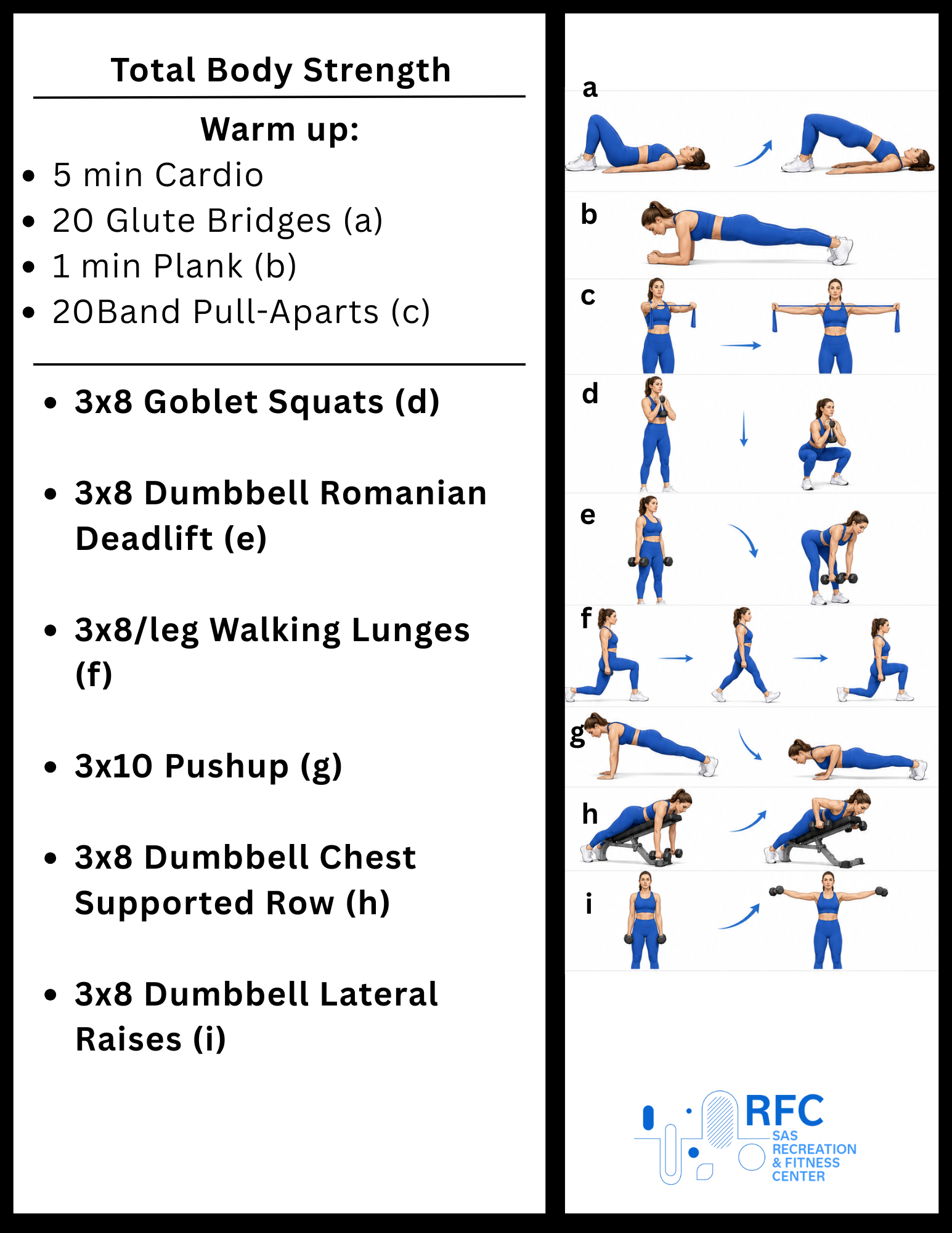
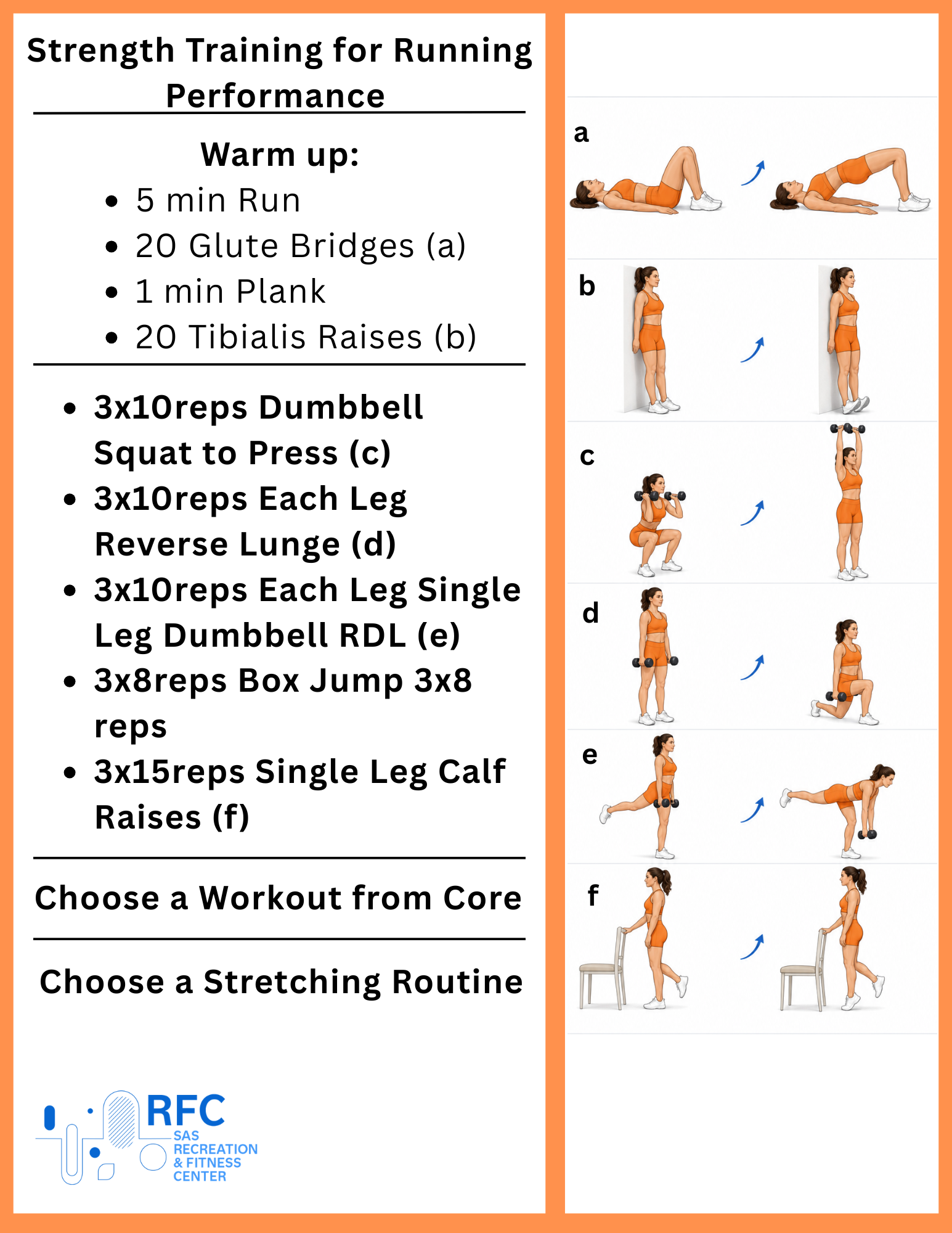
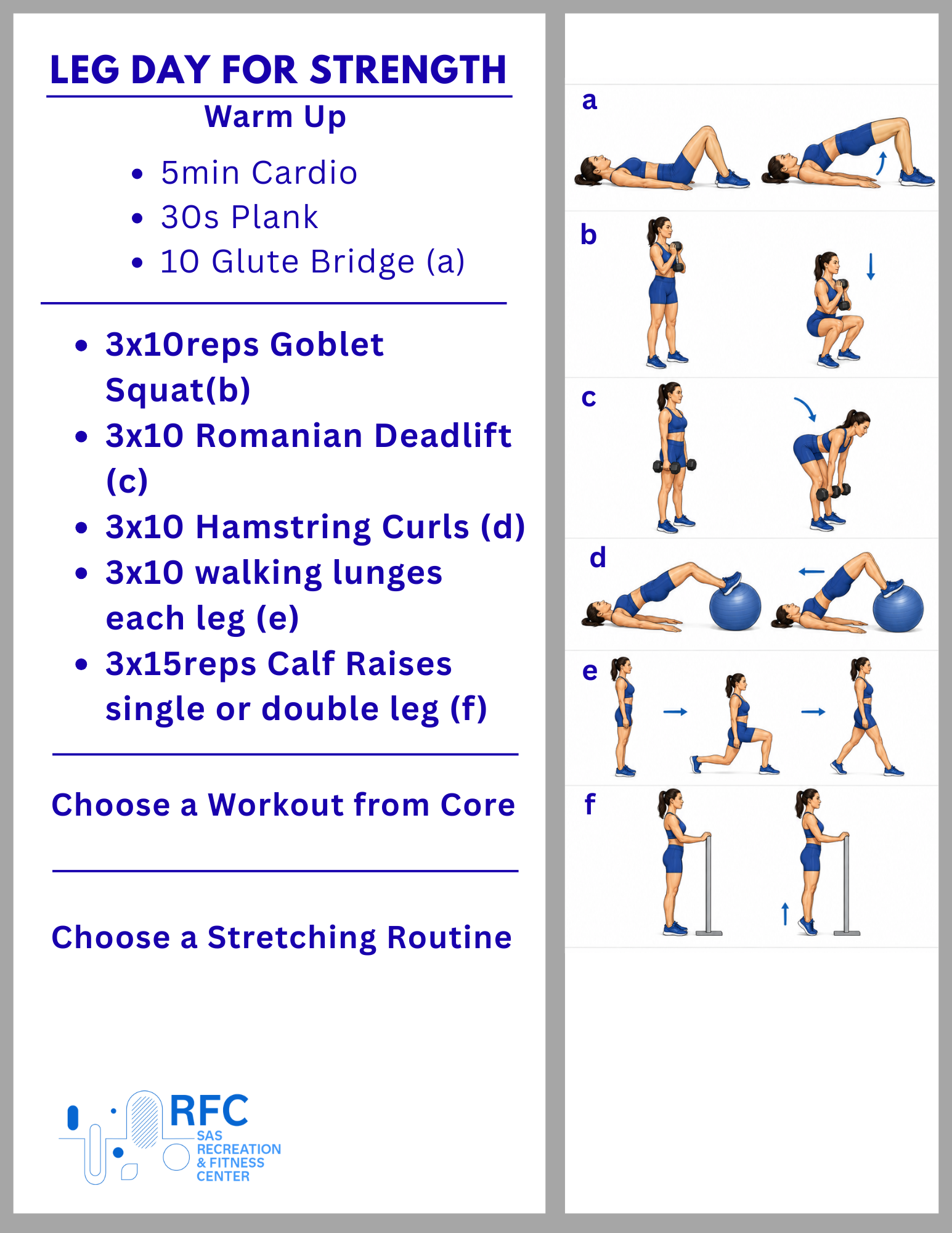
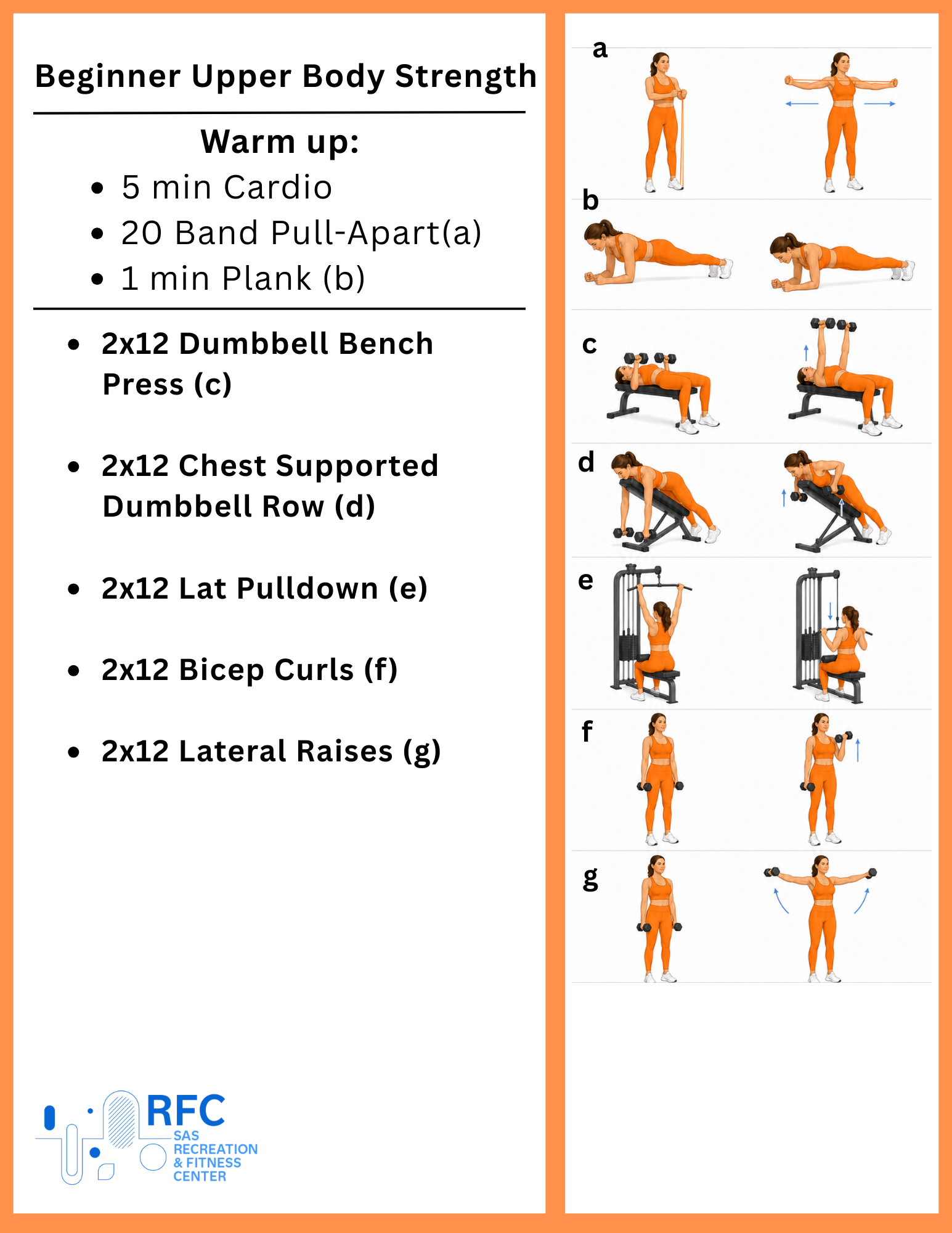
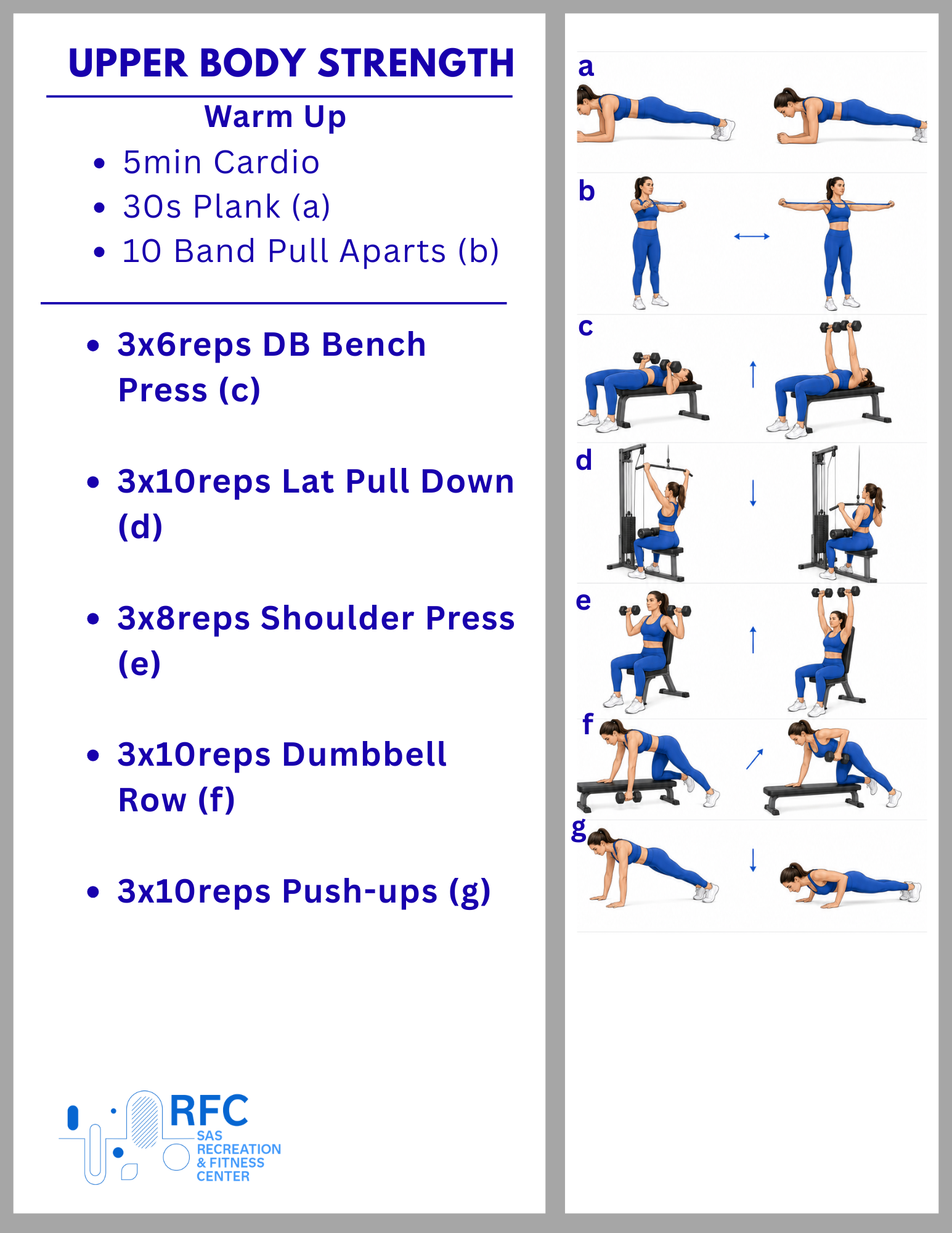
Sources:
LeWine, Howard E. “Age and Muscle Loss.” Harvard Health, 23 Feb. 2026, www.health.harvard.edu/exercise-and-fitness/age-and-muscle-loss-YAQZ7EMP.
“What Does Metabolic Activity Mean?” ScienceInsights, 18 Nov. 2025, scienceinsights.org/what-does-metabolic-activity-mean/.
Demontiero, Oddom, et al. “Aging and Bone Loss: New Insights for the Clinician.” Therapeutic Advances in Musculoskeletal Disease, U.S. National Library of Medicine, Apr. 2012, pmc.ncbi.nlm.nih.gov/articles/PMC3383520/.
The post Strength: the foundation of movement appeared first on SAS Life.
]]>The post What does core strength actually mean and how to train it appeared first on SAS Life.
]]>What does your core actually do?
The muscles of your core all work together to stabilize the spine, transfer force between the upper and lower body, unload pressure from joints, and help us maintain balance and proper posture during movement.
The core acts as the foundation for nearly every movement in daily life. Whether you're carrying groceries, sitting in a chair, reaching overhead, standing, picking something up from the ground, or participating in sports, your core plays a critical role in your daily life.
Why should you train your core?
Your core works every day, but simply using it isn't the same as training it. While everyday activities keep the core active, they often don't challenge the muscles enough to maximize strength, and stability, or preserve muscle mass as we age. Targeted core training helps build a stronger foundation for movement, improving posture, balance, spinal support, and overall function. A well-trained core reduces stress on the back, enhances performance, and makes everyday activities feel easier.
How to train your core
Because the core includes many different muscles with unique functions, effective core training goes beyond crunches and sit-ups. The best programs include exercises that challenge stability, rotation, anti-rotation, bending, bracing, and posture to develop a strong, functional core that supports you in everyday life. See examples of core routines below!
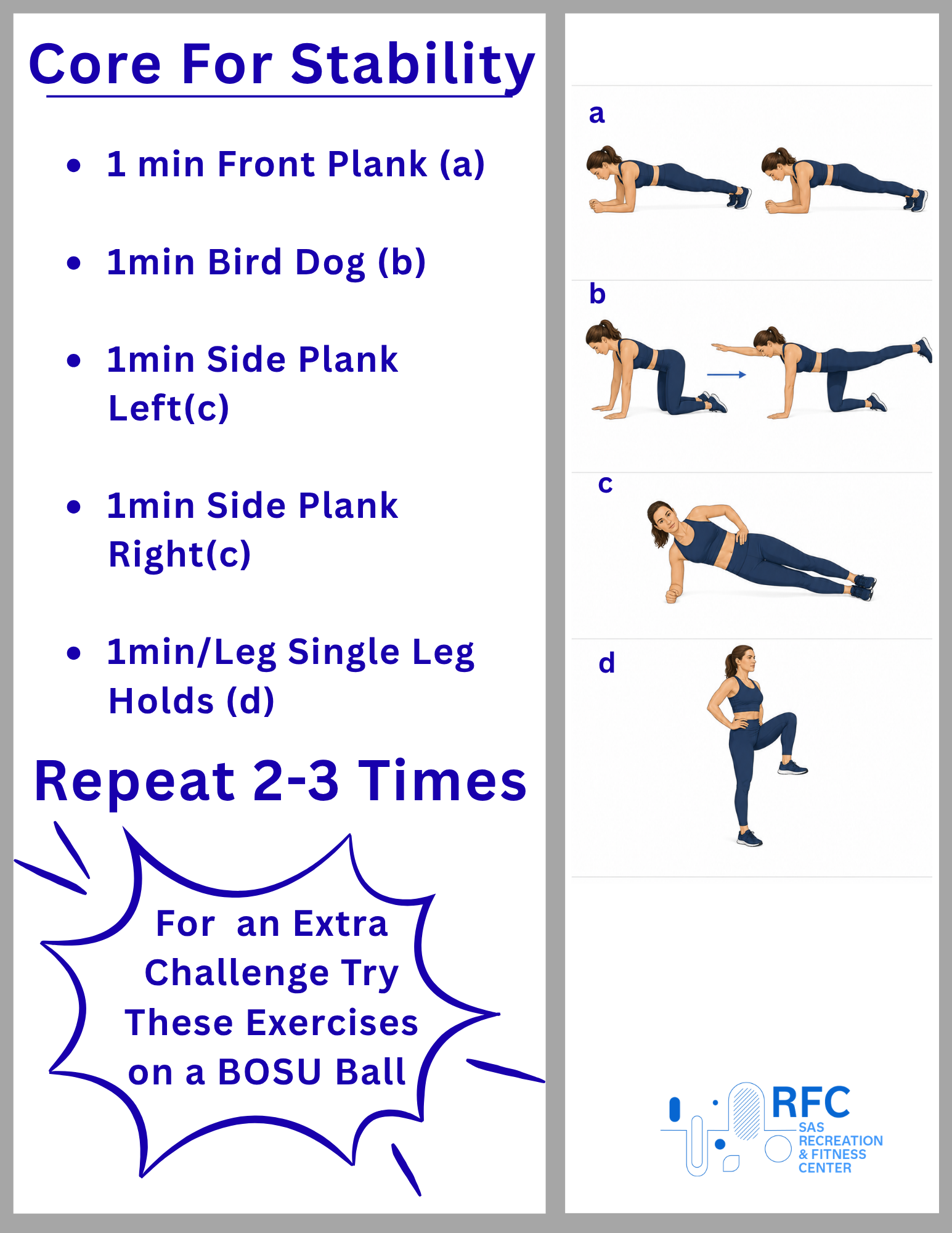
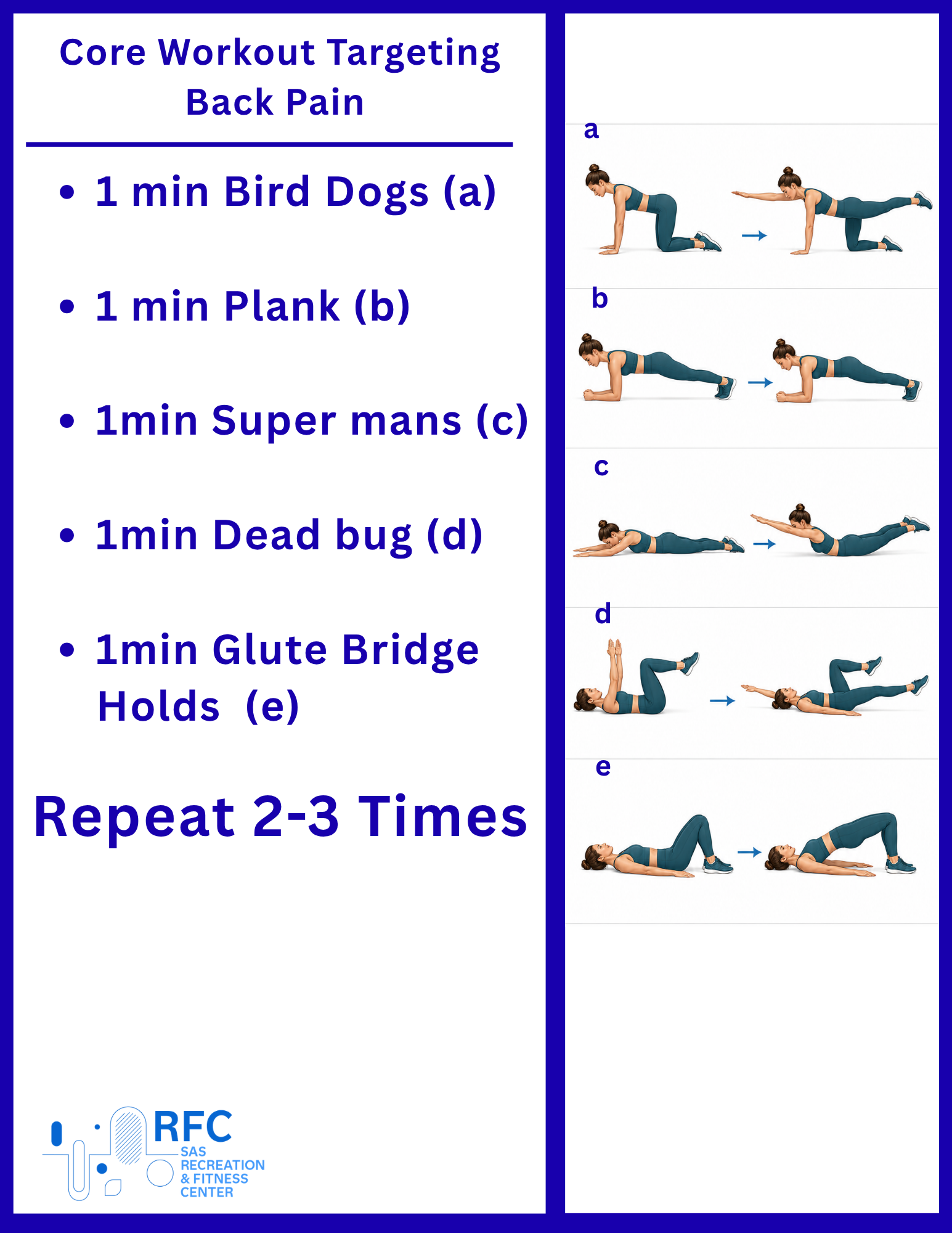
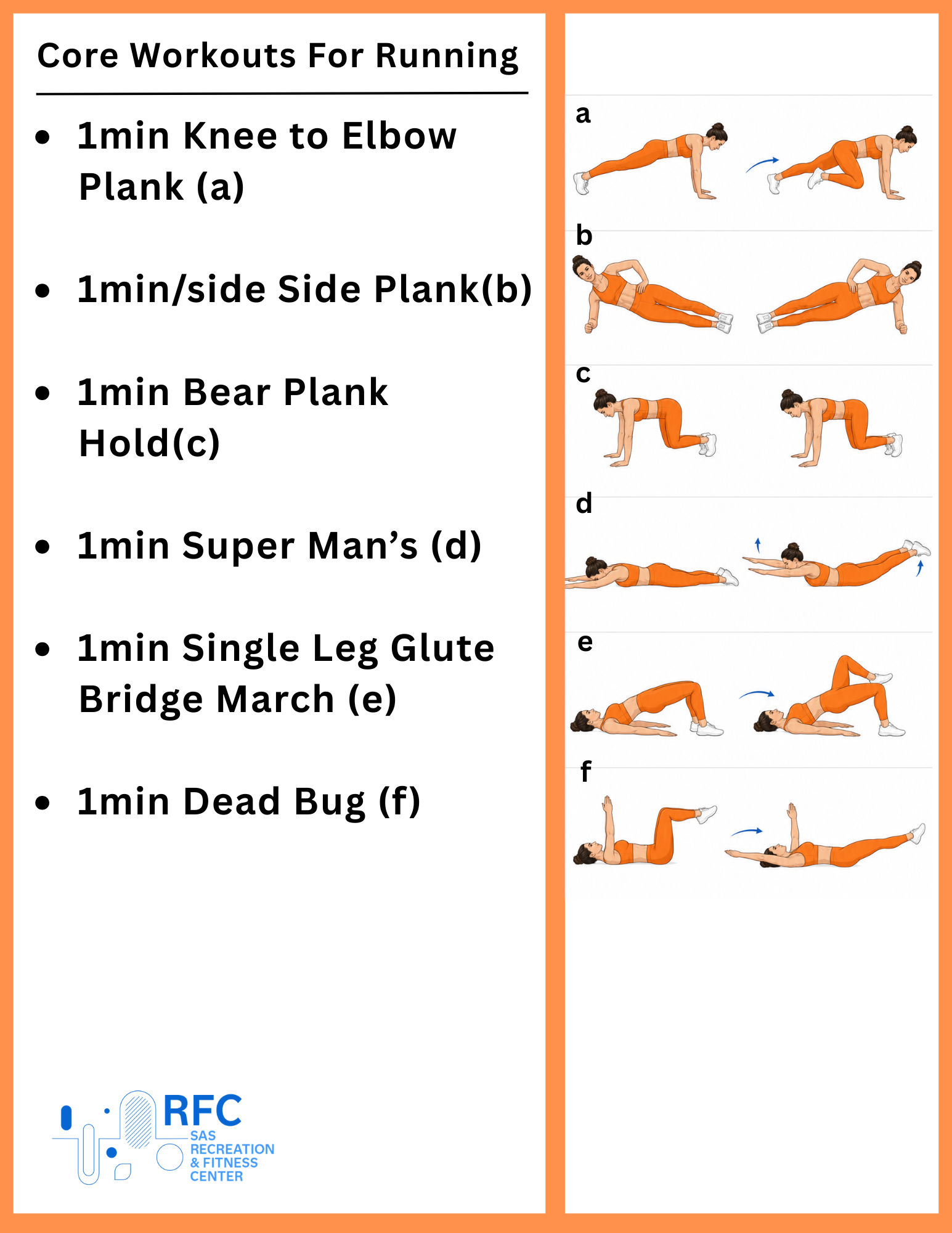
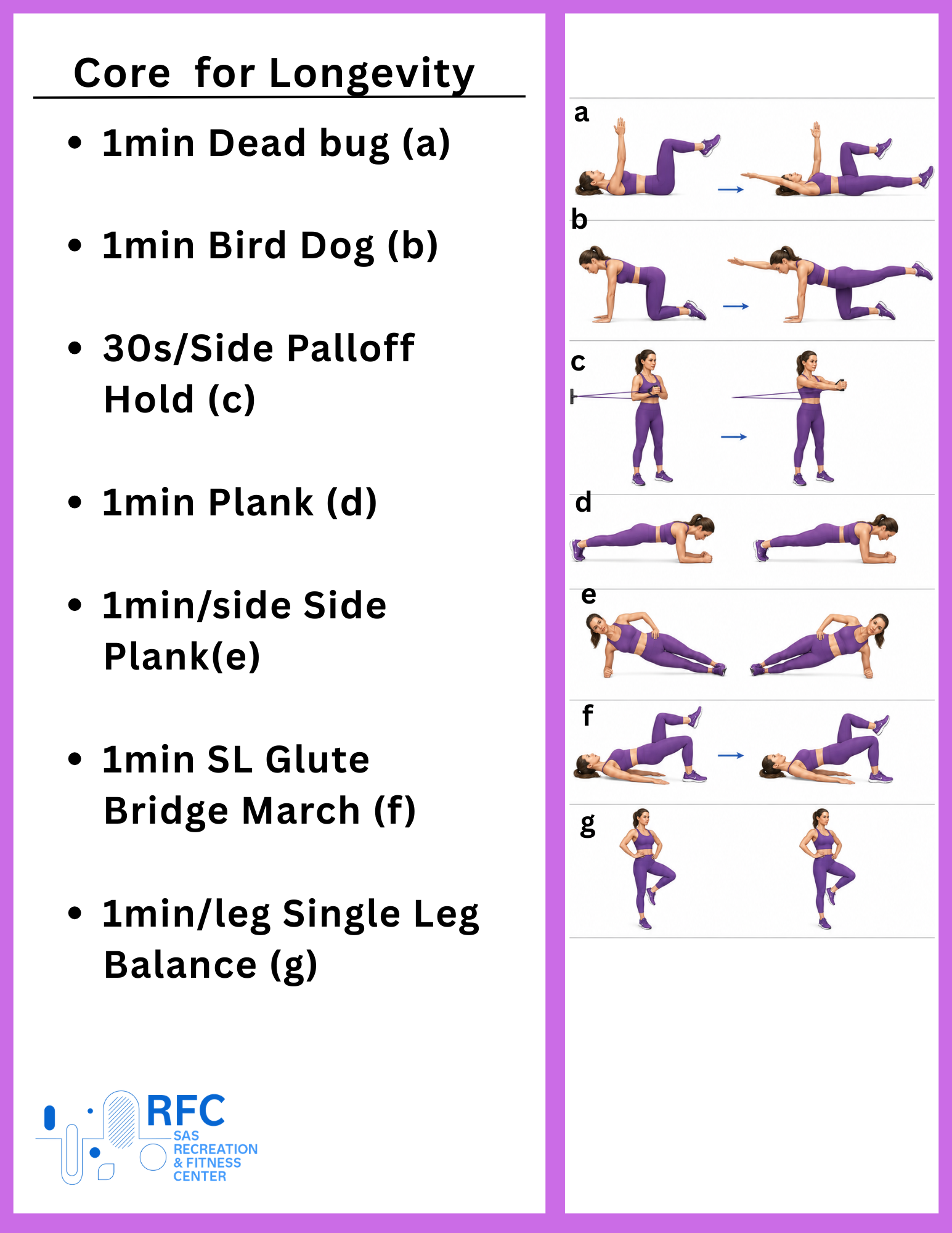
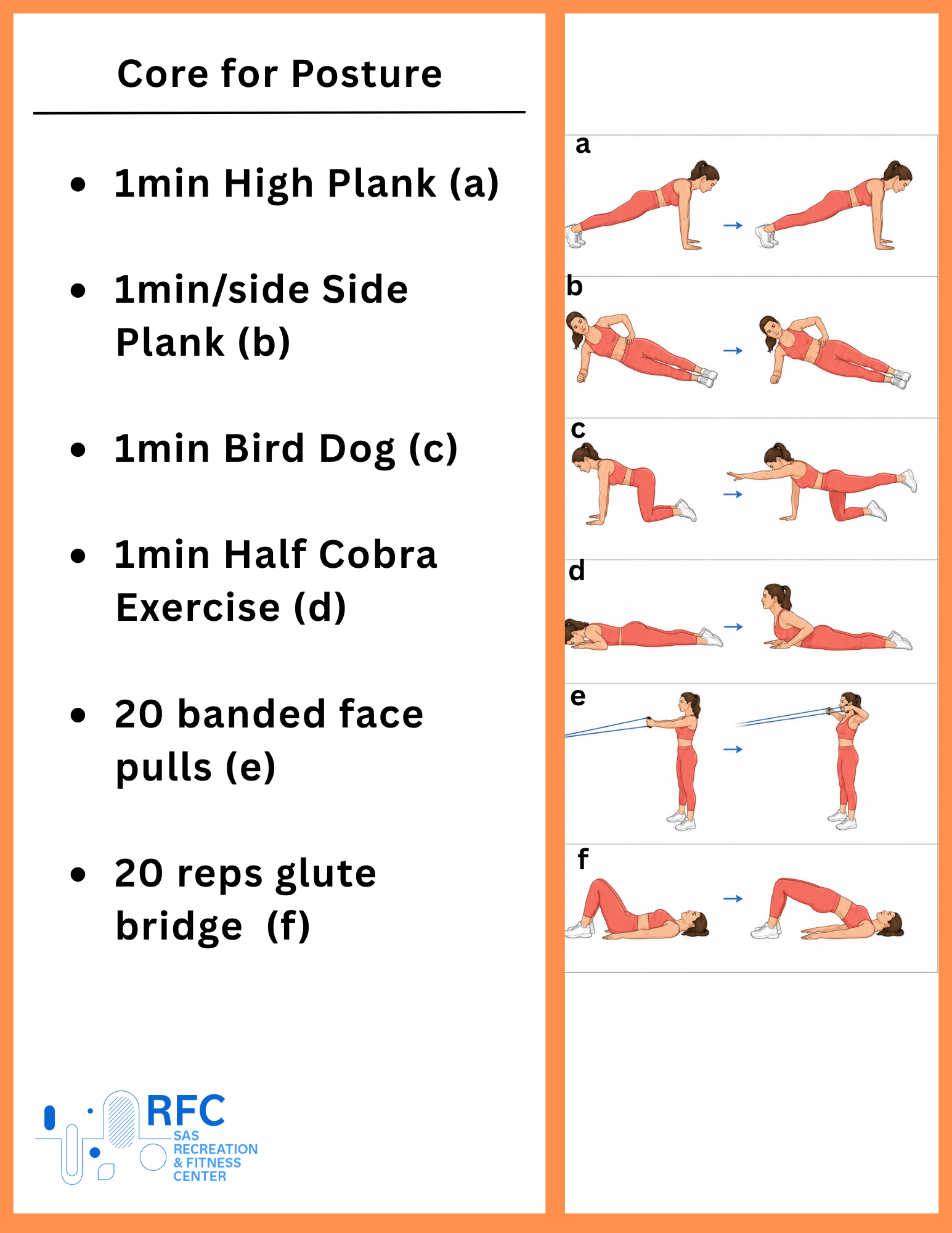
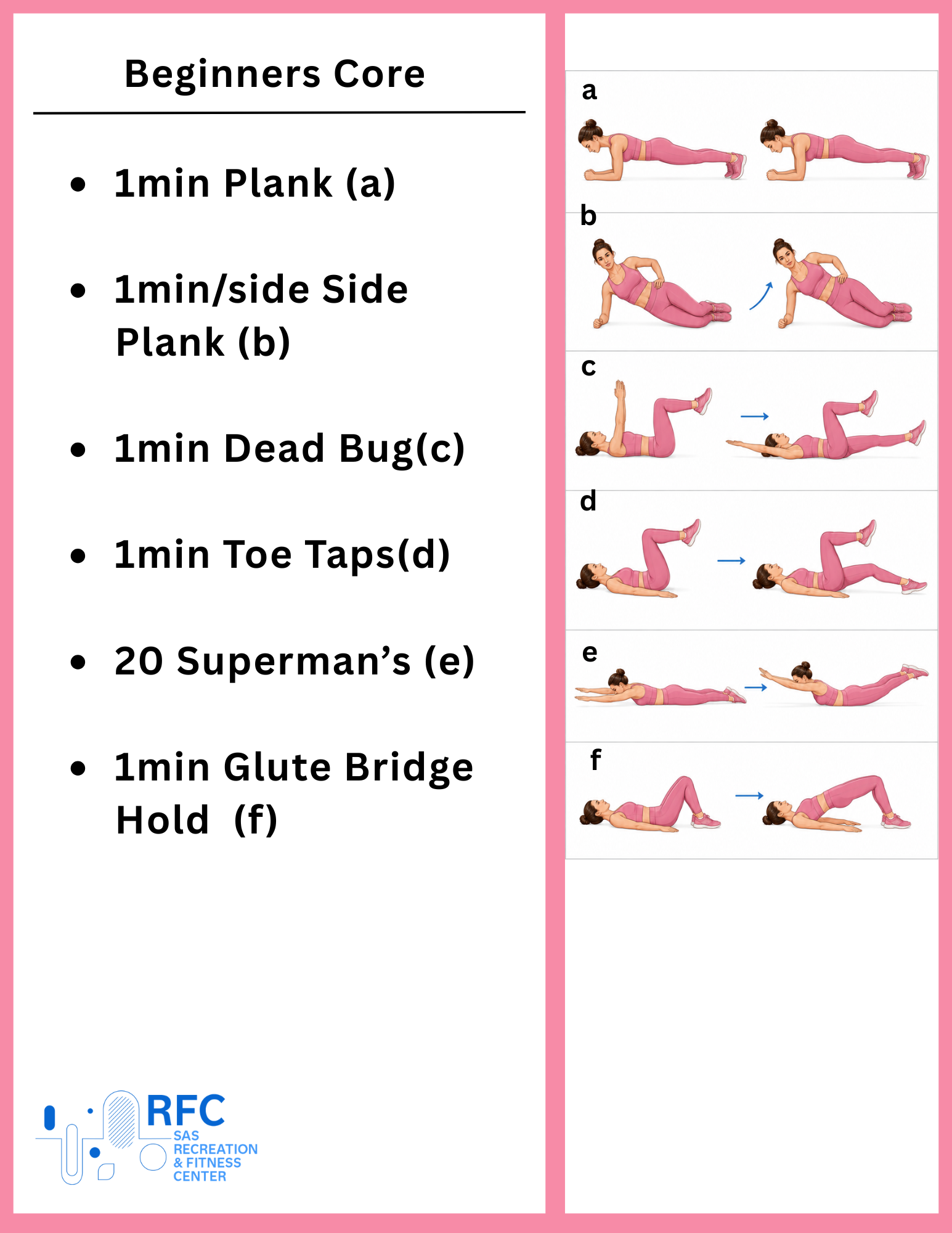
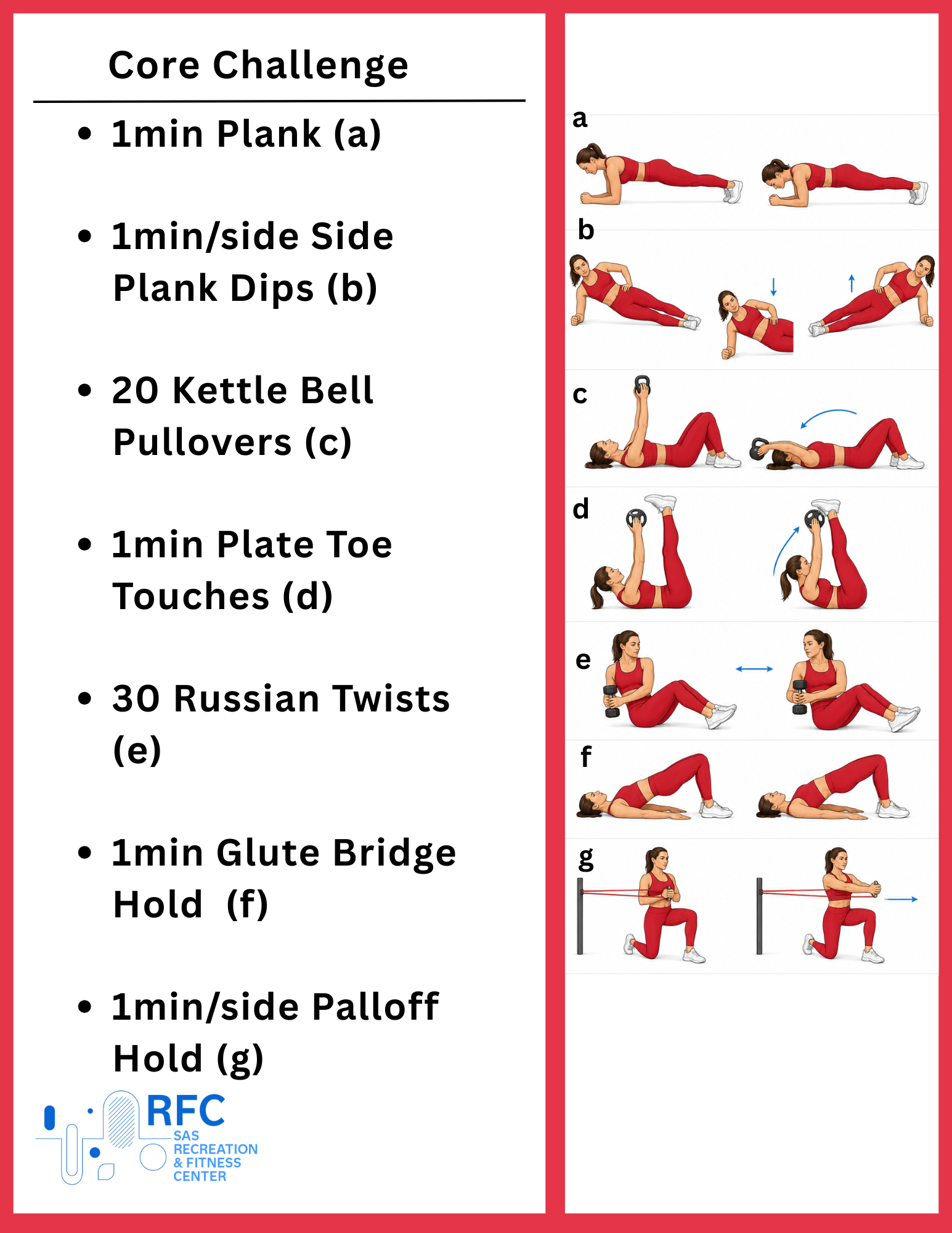
The post What does core strength actually mean and how to train it appeared first on SAS Life.
]]>The post Power performance and healthy aging appeared first on SAS Life.
]]>What is power?
In exercise sports science, power is the ability to produce force quickly.
Power = Strength × Speed
Strength is the total force your muscles can produce. For example, lifting a heavy weight is strength. Power is how quickly you can produce that force. For example, catching yourself when you trip, jumping to reach something on a high shelf, or quickly standing up from a chair, all require power. Simply put, power is strength in motion.
Why does power matter?
Power is a key component of athletic performance. It allows athletes to sprint faster, jump higher, and quickly change direction. Whether you’re a runner, a cyclist, golfer, or a pickleball enthusiast, improving power can enhance performance and make movement feel easier. But athletic performance is only a small part of the story.
Power and healthy aging
As we age power declines at a far more rapid rate than strength. This is important because power is responsible for so much of our daily living. Power is responsible for helping us to catch ourselves when we lose balance, getting up from a chair or a seated position, climbing stairs, carrying groceries, and moving independently. In fact, the ability to generate power is strongly linked to functional independence and fall prevention as we age. While strength helps us to build a foundation, power helps us to react when life happens unexpectedly.
Training to improve power
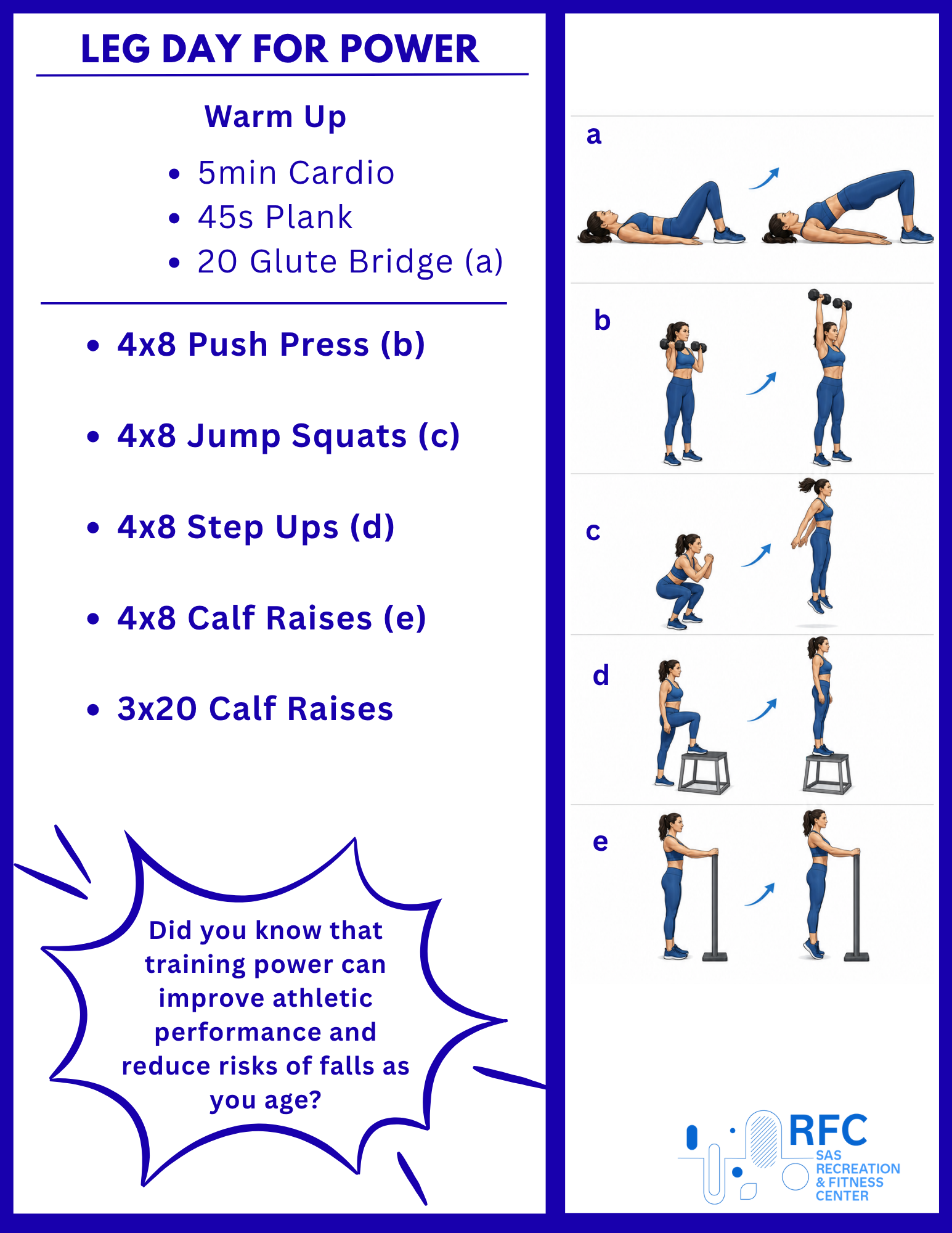
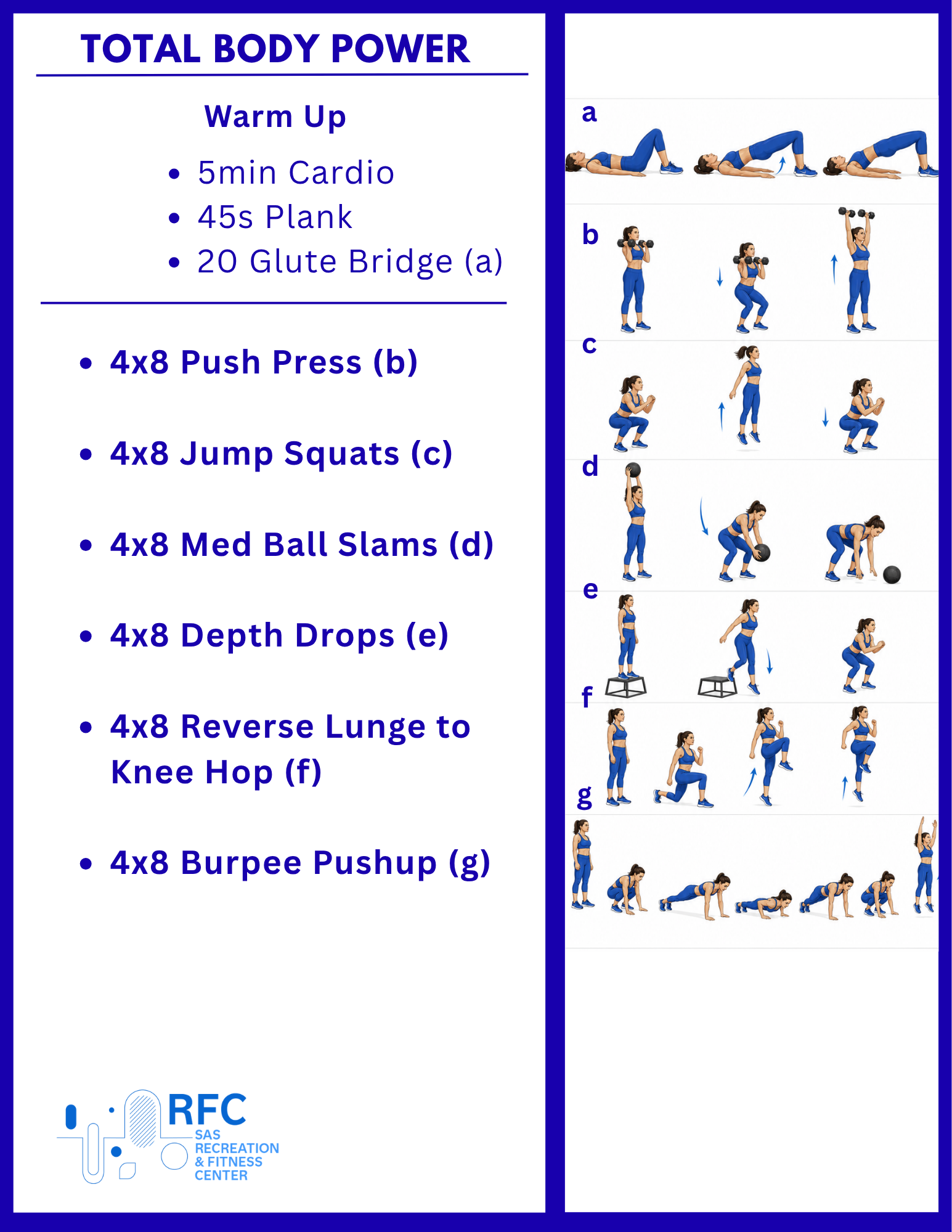
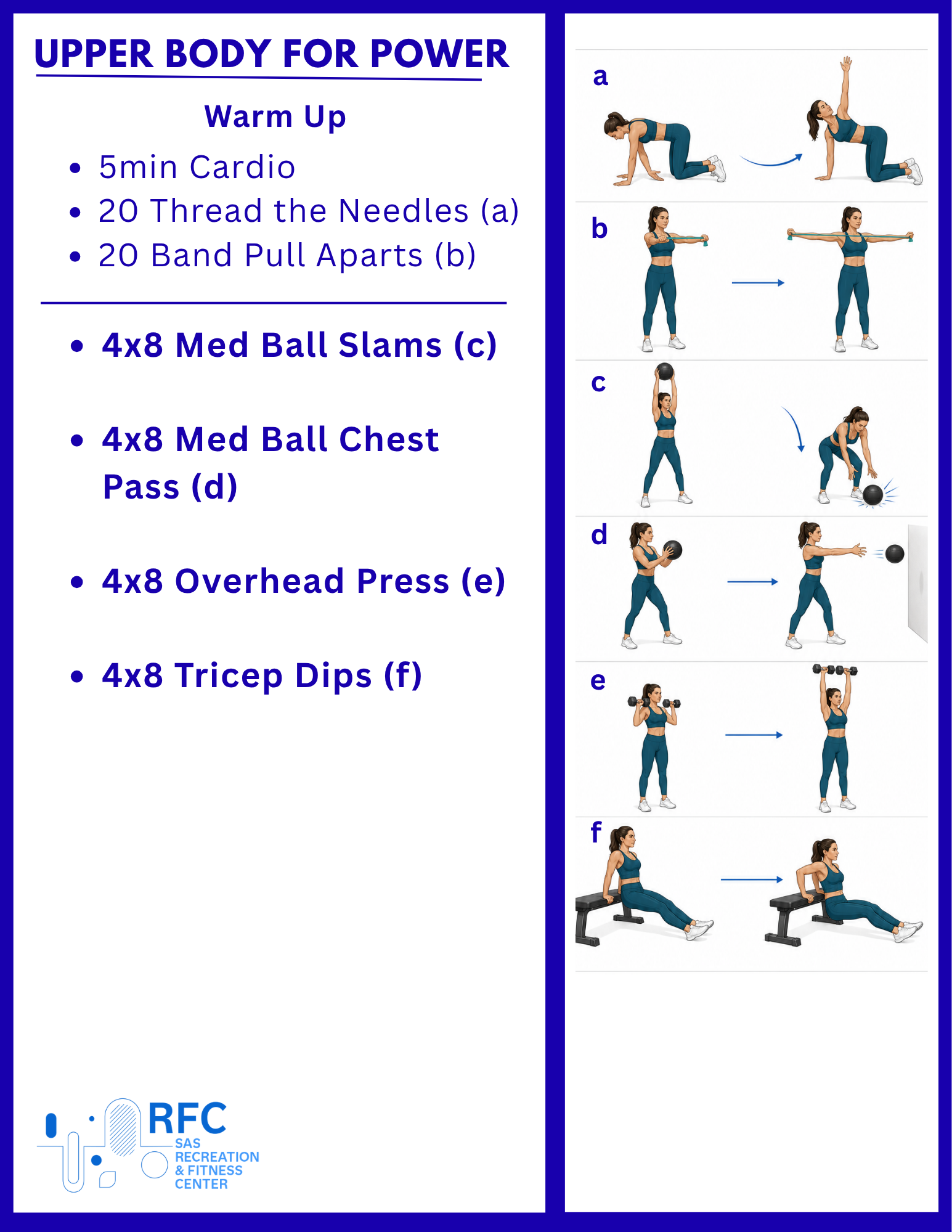
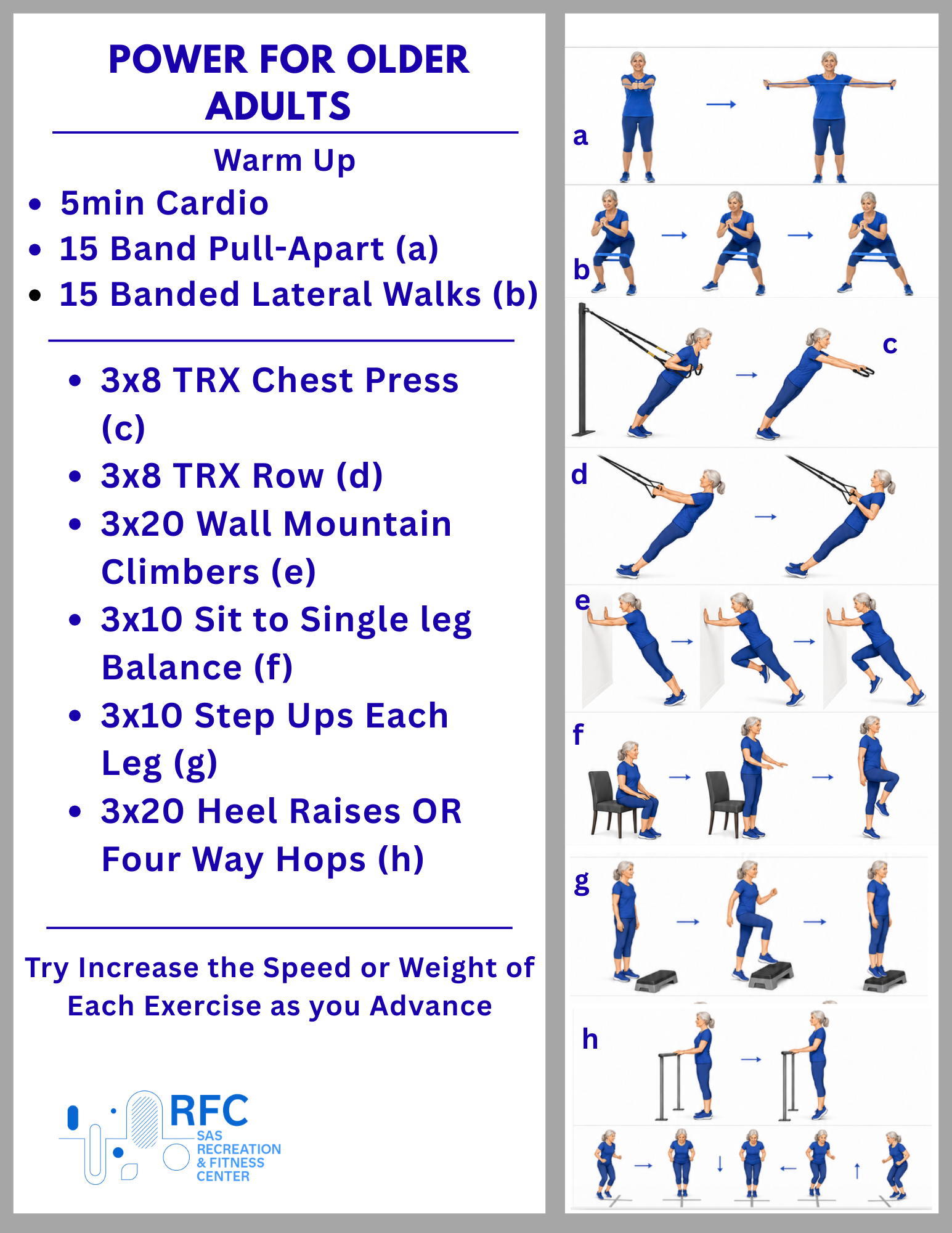
Whether your goal is to improve athletic performance, stay active with your family, reduce your risk of falls, or maintain independence as you age, power is a quality worth training. Explore the workouts below to improve explosiveness, coordination, balance, reaction time, and the ability to generate force quickly. These workouts are designed to help you move better, perform better, and stay capable for years to come.

The post Power performance and healthy aging appeared first on SAS Life.
]]>