Advertise with Googlier.comLearn Travel Italian Blog
https://blog.learntravelitalian.com/
Learn Italian FREE! Advanced Italian Language Blogs, Cultural Notes, and Italian RecipesTue, 10 Dec 2024 18:34:08 +0000en
hourly
1 https://blog.learntravelitalian.com/wp-content/uploads/2015/10/cropped-sllogo-1-32x32.jpgLearn Travel Italian Blog
https://blog.learntravelitalian.com/
3232151556191Lentil Soup brings a Buon Anno Nuovo!
https://blog.learntravelitalian.com/lentil-soup-brings-a-buon-anno-nuovo/
https://blog.learntravelitalian.com/lentil-soup-brings-a-buon-anno-nuovo/#respondFri, 31 Dec 2021 20:00:36 +0000https://blog.learntravelitalian.com/?p=2834Lentil Soup brings a Buon Anno Nuovo! Lentil Soup brings a Buon Anno Nuovo! Called Zuppa di Lenticchie in Italian, it brings a Happy New Year! Lentil Soup brings a Buon Anno Nuovo! Lentil Soup brings a Buon Anno Nuovo! is a partial reprint from a blog originally posted on February 16, 2016, titled: … Continue reading Lentil Soup brings a Buon Anno Nuovo!→
Lentil Soup brings a Buon Anno Nuovo! is a partial reprint from a blog originally posted on February 16, 2016, titled: “Italian Recipe: Lentil Soup (Zuppa di Lenticchie).”
In this updated version, I’ve added a note about what type of pasta is traditionally used for this soup and how to chop the vegetables so they are small enough and uniform shape to cook through evenly.
Also…
I’ve since added Instagram to my social media, and have added a video from Instagram to this post so you can see me cooking in real-time! I hope you like it!
For more recipes like these, as well as French recipes, follow me on my Instagram posts at Conversationalitalian.french.
Lentil soup is said to bring to luck to the family on New Year’s Day. I am not sure if anyone really knows exactly why lentils are supposed to be good luck. Maybe it is because they are shaped like small coins?
Whatever the reason lentils are a preferred dish for the new year, lentils are loved by Italians year round, and make a wonderful, hot, nourishing soup for everyone. Try this recipe, and I think you will agree, even if you’ve never eaten lentils before. Any kind of miniature pasta can be used in this soup. My mother usually breaks regular spaghetti into shorter pieces for her version, although miniature ravioli are fun if you can find them in your local grocery store. For a vegetarian dish, dried ravioli with squash filling, which are pictured in this blog, are a wonderful complement to the lentils.
Warm wishes for a Buon Anno 2022 a tutti! —Kathryn Occhipinti
3 Tablespoons olive oil
1 onion (chopped finely)
2 carrots (chopped finely)
1 stick of celery (chopped finely)
1 package (12 oz.) dried lentils (sorted and rinsed once but not soaked)
1 tsp crushed, dried sage
1 bay leaf
optional: meat stock or broth*
1 can (14.5 oz.) chopped tomatoes
about 6 oz. capellini pasta or dried miniature squash ravioli**
Use a large, wide-bottom pot to make this soup.
Heat the olive oil over medium heat and then add the chopped onion, celery, and carrot and cook, stirring, until both have softened a bit.
Add the lentils and cook the vegetables a bit longer, stirring, but do not let the onions brown. (This initial cooking of the lentils is said to harden the skin, so they will not become too mushy. If you like more mushy lentils, skip the sauté and just add the lentils after the rest of the vegetables have become soft . This will also decrease the overall cooking time.)
Add enough water (or meat stock if you have it and do not want a vegetarian dish) to cover the vegetables—about 6–8 cups—the dried sage, and the bay leaf.
Cover and bring to a boil; uncover, reduce heat, and simmer 45 minutes.
After the vegetables have cooked a bit, taste the soup. See how much the lentils have softened, and if they are still hard, cook longer. If they are about soft enough for your liking, proceed as follows:
Add about 1 Tablespoon of salt (to taste; less can be used) and an additional 2–4 cups of water for the pasta that you will soon be adding. Cover and bring soup back to a rolling boil.
When the soup is at a rolling boil, add the chopped tomatoes and the tomato juice from the can and the pasta. Dried, miniature ravioli with squash filling were used for this blog originally, as pictured above the recipe. Traditional pasta for this dish is capellini pasta, cut into short pieces, as shown in the Instagram video. Any small pasta will do, though, such as ditalini pasta or even miniature ravioli or tortellini.
Cook until the pasta is “al dente” or “to the tooth.”
Remember to remove the bay leaf before serving!
Enjoy with crusty Italian bread on a cold winter’s day!
*Italian “meat stock or broth” is often composed of whatever bones and small pieces of meat are left over from the night before—chicken and pork bones can be combined, for instance, or just one or the other used. When I make this soup for my family, it is usually with pork chop bones and meat left over from Monday night’s dinner. Adding homemade meat broth gives the soup a nice added complexity.
Italian dried squash ravioli used in the Lentil soup pictured above the recipe.
How to Chop Vegetables Carrots: Cut lengthwise to half, and then lengthwise again to get quarters. Line them up side by side and then cut crosswise from the tips to the base of the carrot to get small, even pieces that look like quarters of a circle. Celery: Cut lengthwise through each celery stalk as many times as needed to give pieces the same thickness as the carrot pieces. (You will need more lengthwise cuts at the thicker part of the celery near the base.) Then cut crosswise from the tip to the base to get small, rectangular pieces of celery about the same size as the carrot pieces. Onions: Cut lengthwise through the onion. Turn one of the halves flat side down. Holding the onion together with one hand, cut lengthwise along the green lines through the onion, except for the root holding the onion together at the base. Turn and cut horizontally, from the side away from the stem toward the stem. Just before reaching the stem, flip the onion flat again and make the final cuts. Discard the piece that contains the stem.
—Kathryn Occhipinti
Conversational Italian for Travelers Just the Important Phrases (with Restaurant Vocabulary and Idiomatic Expressions) is YOUR traveling companion in Italy! All the Italian phrases you need to know to enjoy your trip to Italy are right here and fit right into your pocket or purse.
Kathryn Occhipinti, MD, is the author of the Conversational Italian for Travelersseries of books and a teacher of Italian for travelers to Italy in the Peoria and Chicago area. “Everything you need to know to enjoy your visit to Italy!”
Visitlearntravelitalian.com/download.html to purchase/download Conversational Italian for Travelers and find more interesting facts and helpful hints about getting around Italy!Learn how to buy train tickets online, how to make international and local telephone calls, and how to decipher Italian coffee names and restaurant menus, all while gaining the basic understanding of Italian that you will need to know to communicate easily and effectively while in Italy. —From the staff at Stella Lucente, LLC
]]>https://blog.learntravelitalian.com/lentil-soup-brings-a-buon-anno-nuovo/feed/02834Use “Prendere” to Speak Italian Like a Native
https://blog.learntravelitalian.com/use-prendere-to-speak-italian-like-a-native/
https://blog.learntravelitalian.com/use-prendere-to-speak-italian-like-a-native/#respondSun, 10 Oct 2021 03:10:41 +0000https://blog.learntravelitalian.com/?p=2823Use “Prendere” to Speak Italian Like a Native Speak Italian like a native when you use the Italian verb “Prendere”! In this blog, “Use ‘Prendere’ to Speak Italian Like a Native, “ we will focus on how and when to use the Italian verb prendere during daily conversation. This is the second topic in … Continue reading Use “Prendere” to Speak Italian Like a Native→
Speak Italian like a native when you use the Italian verb “Prendere”!
In this blog, “Use ‘Prendere’ to Speak Italian Like a Native, “ we will focus on how and when to use the Italian verb prendere during daily conversation. This is the second topic in a new series, and I will try to post an in-depth analysis of a different Italian verb every few months.
The heart of any language is its verbs. Too often, language teachers focus on verb conjugation drills and provide a few example sentences, assuming that the student then has the tools he or she needs to communicate. Although many Italian verbs have similar meanings to those in English, and it is sometimes easy to transition between English and Italian during conversation, other times the use of an Italian verb will vary from its English counterpart. I believe that to speak fluently in any language it is important to have an in-depth understanding of how each verb is used in real life situations.
In which situation will one verb commonly be chosen over another? How will the point one is making change depending on the verb chosen? How will the meaning of the chosen verb change with use of the reflexive counterpart of the verb? This information must be studied and understood so it can be easily accessible when it comes time to have a conversation. Since this information is not commonly found in text books, I have decided to make it the focus of a blog series.
“Prendere,” the Italian verb that means “to take” and is one of those verbs that is important to “take seriously” if one wants to use it correctly.
Enjoy the second topic in this series: Use “Prendere” to Speak Italian Like a Native.
—Kathryn Occhipinti
Special thanks to Italian instructor Maria Vanessa Colapinto.
Parts of this blog have been reposted from Italian Phrases We Use EVERY Day! – “The Many Uses of the Italian Verb “Prendere” from Conversational Italian! a blog by the same author.
Speak Italian Like a Native:
Italian Verb Prendere
Prendere most commonly means “to take,” but can also be translated as “to bring,” “to pick up,” “to get,” or“to buy/acquire.”
The past participle preso can also be used to describe liking someone or something a lot. This use stretches the meaning of prendere a bit, but there is a similar expression in English — being “taken with” someone — that also expresses the same idea.
In its reflexive form, prendersiis used to convey how a person can “catch/come down with” an illness.
When you are able to visit Italy, use prendere when ordering food in a restaurant to really sound like a native!
Prendereis also commonly used by Italians in reference to earning money, taking medicine, or being “overtaken” by an emotional or physical condition.
Finally, the Italian expressions for “to tease” and “to sunbathe” use prendere. As you can see, this verb is used in many ways in Italian!
The present tense, familiar imperative (command) tense, and future tenses of prendere have a regular conjugation, and are used frequently in daily conversation.
Prendere is also commonly used in the past tense in order to describe what we “took,” “brought,” “picked up,” “got,” or “caught.”
To describe a one-time event that occurred in the past with prendere,we will most often use the helping verb avere(to have)with the irregular past participle preso. For conversation, we will focus on the ioand tu forms. We can begin a statement with the ioform, such as, “Ho preso…”for “I took…” We can ask questions with the tuform by simply stating, “Hai preso…?”
In the expressions that describe the subject “liking,” or “being taken with” a person or a thing, essere(to be) is used as verb that links the subject with the past participle preso.
The passato prossimo for the reflexive verb prendersineeds the helping verb essere, as do all reflexive Italian verbs. Remember to leave out the subject pronoun iowhen you want to say, “Mi sono preso un raffredore ieri.”(I caught a cold yesterday.)And, of course, when using essere as the helping verb with prendere,remember our usual rule for past participles: if you are female, or your subject is a group of people, make sure to change the past participle preso to presa, presi, or prese!
Examples follow below for the many ways to use the Italian verb prendere:
1. Use prendere to describe the act of “taking,” “bringing” or “picking up” something
In order to direct someone to take something and put it in a different place, use prendere. This includes when the object is on the ground or resting on another object, and you must literally “pick it up” from that place.
When directing someone to take something in Italian, it is important to use the command form of prendere, which has the same “i” ending as the tu form in the present tense. (To use the familiar command form, just use the present tense subjunctive mood ending. The familiar command form will not be used in our examples, but more information can be found at Italian Subjunctive (Part 7): Italian Subjunctive Commands).
Remember that for events in the recent future, Italians use the present tense. To emphasize that something will happen for sure in the recent future or well into the future, use the future tense.
Notice that in the past tense we must use avere as the helping verb with the irregular past participle presoto describe what we “took,” “brought,” or “picked up.”
“Prendi quella roba che nessuno vuole e mettila lì!”
“Take that stuff that no one wants and put it there!”
“Prendi il vino a tavola per cena!” (Porta il vino a tavola.)
“Take/Bring the wine to the table for dinner!”
“Quando faccio la spesa domani, prendo la tua macchina. Non voglio camminare con troppi bagagli pesanti.
“When I go grocery shopping tomorrow, I (will take) your car. I don’t want to walk with so many heavy bags.
Prenderò tante cose da portare alla famiglia quando viaggerò in America tra cinque anni.
I will take many things to bring to the family when I travel to America in 5 years.
“Prendi il piatto che tu hai lasciato cadere per terra!
“Pick up the plate that you let drop on the floor!”
“Prendo tutta la spazzatura nella tua stanza e la butto via domani.”
” I will pick up all the garbage in your room and throw it out tomorrow.”
“Hai preso il vino da portare alla nonna per la cena?”
“Did you take the wine to bring to grandma for dinner ieri?”
“Si, ho preso una buona bottiglia di vino specialmente per la nonna ieri sera.”
“Yes, I took/brought a nice bottle of wine especially for grandma last night.”
2. Use prendere to describe “picking up” someone
Use prendere with the verb passare when you want to “pass by” and “pick someone up.”As we’ve already seen in our blog about passare,these two verbs are combined to make the important every day expression “passare a prendere,” which means “to pick (someone) up.”The reference now-a-days is usually to driving in a car, but the same expression could be used when taking someone on a walk.
In the examples given below, the pronouns tiand mi are given in red to demonstrate that they are attached to the end of prendere.
“Passerò/Passo a prenderti alle otto.”
“I will (pass by and) pick you up at 8 AM.”
Grazie! Passa a prendermialle otto! Sto aspettando!
Thanks! Pick me up at eight. I (will be) waiting!
Side note: if you want to ask someone to “pick you up” from a particular place, venire is used with prendere:
“Può venire alla stazione a prendermi?”
“Can you (polite) come to the station and get me?”
3. Use prendere when describing what food you would like to order/eat
“Prendo un piatto di spaghetti per il primo piatto.”
“I will take (have) a plate of spaghetti for the first course.“
“Stammatina prendo un buon caffè prima di andare al lavoro.”
“This morning I will take (have) a good (cup of) coffee before going to work.”
“Dai, prendi l’ultima fetta di pane!”
“Come on, take the last slice of bread!”
“Che cosa vuole prendere per dolce, signore?”
“What would you like to have (take) for dessert, sir?”
4. Use prendere to describe the act of taking medicine
“Devo prendere una pillola ogni mattina per l’ipertenzione .”“I have to take one pill every morning for hypertension.”
5. Use prendere to describe buying, acquiring or earning something
“Ho preso un chilo di mele ieri dal fruttivendolo in piazza.”
“I bought a kilogram of apples yesterday from the fruit vendor in the piazza.”
Lui ha preso la casa per pochi soldi la settimana scorsa.
He aqcuired (bought) the house for very little money last week.
“Ho preso cinquanta euro al lavoro iera sera.”
“I earned 50 euros at work last night.”
Lui non ha preso molti soldi l’anno scorsa a vendere le scarpe.
He did not earn much money last year selling shoes.
6. Use the past participle preso with these expressions to describe liking something or someone a lot.
The phrase “Sono preso da…” is similar to the phrase “Sono innamorato di…” and conveys the ideas of “I really like/I’m in love with…”
Other Italian expressions that describe the different ways we can like someone are: “Sono cotto di…”” I have a crush on…” and “Sono colpito da…”“I am impressed with..”
Notice that some of these phrases take the conjunction da, while others use the conjunction di.
To form the past tense for these phrases, we must add the past participle of essere, which is stato,and change the ending of stato to (a,i,e) as necessary to reflect the gender and number of the subject.
“Sono preso(a) da questo libro.”
“I like this book a lot.” (I am really taken with this book.)
“Sono preso(a) da te.”
“I like you a lot!” (“I am really taken by you!”)
“Sono stato(a) preso da questo libro.”
“I liked this book a lot.” (I was really taken with this book.)
“Sono stato(a) preso da te.”
“I liked you a lot!” (“I was really taken by you!”)
“Io e Anna siamo presi molto l’uno dall’altra.”
“Ann and I (we) like each other very much.”
Anna e Michele non sono presi molto l’uno dall’altra.
Ann and Michael (they) don’t like each other very much.
Side note: if you want to describe how someone or something has so enthralled or dazzled you, in effect “blinding you” literally or figuratively (abbiagliarsi) so that you make a mistake, use the expression prendere un abbaglio.
“Ha preso un abbaglio.”
“I made a mistake.”
7. Use prendersi to describe getting sick, as in “catching a cold,” or “coming down with” an illness
Remember the Italian use of reflexive verbs to indicate “to get” in English. If you would like to review this topic, check out our blog How to Say “To Get” in Italian.
“Mi sono preso un brutto raffredore improvvisamente.”
“I caught a bad cold all of a sudden.”
“Mi sono preso l’influenza ieri.”
“I came down with the flu yesterday.”
8. Use prendere to describe “being overtaken” by an emotion or sickness, and prendersela when offended/angered
“Sono stato preso(a) da un grand tristezza quando ho incontrato il mio amore perduto.”
“I was overtaken by a great sadness when I met my lost love again.“
Me la sono presa con te ieri sera durante la riunone!
I was offended by you last night during the meeting!
9. Two more common phrases that use prendere
Prendere in giro = to make fun of, to tease
Mio fratello maggiore mi prende sempre in giro.My big brother is always teasing me.Non mi prendere in giro! (negative command) Don’t make fun of me!
Prendere il sole =to sunbathe
Oggi prendo il sole sulla spiaggia per tutta la mattina.Today I will sunbathe on the beach all morning.
Remember how to use the Italian verbprendere in conversation and I guarantee you will use this verb every day!
And remember to study our Conversational Italian for Travelers “Just the Verbs” book if you want more real life examples of all the important Italian verbs you will need to know!
Conversational Italian for Travelers “Just the Verbs” book to learn Italian.
Kathryn Occhipinti, MD, is the author of theConversational Italian for Travelersseries of books and a teacher of Italian for travelers to Italy in the Peoria and Chicago area.“Everything you need to know to enjoy your visit to Italy!”
Visitlearntravelitalian.com/download.html to purchase/download Conversational Italian for Travelers and find more interesting facts and helpful hints about getting around Italy!Learn how to buy train tickets online, how to make international and local telephone calls, and how to decipher Italian coffee names and restaurant menus, all while gaining the basic understanding of Italian that you will need to know to communicate easily and effectively while in Italy. —From the staff at Stella Lucente, LLC
]]>https://blog.learntravelitalian.com/use-prendere-to-speak-italian-like-a-native/feed/02823Capresi and Panzanella Salads with Tomatoes and Cucumbers from Your Garden!
https://blog.learntravelitalian.com/capresi-and-panzanella-salads-tomatoes-cucumbers/
https://blog.learntravelitalian.com/capresi-and-panzanella-salads-tomatoes-cucumbers/#respondThu, 16 Sep 2021 21:43:01 +0000https://blog.learntravelitalian.com/?p=2805Capresi and Panzanella Salads with Tomatoes and Cucumbers! Capresi and Panzanella salads are best with fresh tomatoes and cucumbers from your garden! Capresi and Panzanella Salads with Tomatoes and Cucumbers from Your Garden! Capresi and Panzanella Salads with Tomatoes and Cucumbers from Your Garden is a partial reprint from a blog originally posted on … Continue reading Capresi and Panzanella Salads with Tomatoes and Cucumbers from Your Garden!→
Capresi and Panzanella Salads with Tomatoes and Cucumbers from Your Garden is a partial reprint from a blog originally posted on July 28, 2019, titled: “Caprese and Panzanella Salads with Fresh Tomatoes and Basil.”
Need I mention that as an Italian-American tomatoes are always the focus of my Italian summer vegetable garden? And of course, at harvest time I love to make traditional Italian Caprese and Panzanella salads!
I plant several heirloom tomato varieties every spring from the family-run nursery I’ve found where I live now in Chicagoland. Late in the summer, when all the varieties have ripened, I love mixing the the deep red tomatoes with golden yellow tomatoes to make a traditional Carpese salad. You can read all about the best method to make this salad in the reprinted blog below.
You can also read about a method to make Panzanella salad in my original blog on Italian tomato and basil salads, although my family did not make Panzanella salad when I was growing up. As an adult, I had tried this salad in in restaurants and thought it a nice change from the usual Caprese salad, so I added it to my post. Caprese and Panzanella salads, I thought, were the two important Italian tomato dishes. Recently, I learned from a blog by Emiko Davies titled “Bronzino’s Panzanella,” that Panzanella salad is indeed a popular and traditional Italian salad in Tuscany, mentioned by the great Italian writer of the Decameron, Giovanni Bronzino in a poem, prior to the appearance of tomatoes in Italy.
We can assume that Panzanella salad started out as a way to use up old bread, as stale Tuscan bread lends itself well to being softened with a sprinkle of water. A little red onion, perhaps some basil, and olive oil and red wine vinegar might have been all an Italian housewife had available to lend some flavor her bread salad. According to the recipe provided by Bronzino, cucumbers and even some arugula could be added to magically turn the bounty of summer into a crunchy and refreshing summer treat.
Serendipitously, I had been growing Armenian cucumbers in my garden for the very first time this year, when I came across Davies’ blog. When I read about Bronzino’s version of Panzanella salad, I made it myself and posted the result on Instagram on Conversationalitalian.french.
Panzanella salad made Bronzino’s way, with cucumbers, was truly a revelation. The seeds of the Armenian cucumber were easy to remove from the center of the vegetable, and without the skin this variety of cucumber was light, crunchy, and flavorful. There are no real proportions to this salad; use as much reconstituted bread as you like and as much cucumber and other ingredients as you have on hand. Now THAT’s Italian!
Read the reprinted blog below for the best methods to make Caprese and Panzanella Salad with tomatoes!
Also…
I’ve posted below the image with the method for Panzanella Salad with cucumbers!
For more recipes like these, as well as French recipes, follow me on my Instagram posts at Conversationalitalian.french.
Making Caprese and Panzanella salads entails following a couple of simple methods, using whatever you have on hand, rather than following a strict recipe step by step. However, it is best to come as close as possible to the recommended ingredients, as the ingredients themselves will be the stars of each dish.
For the most mouth-watering Caprese salad imaginable, use fresh, vine-ripened tomatoes and soft, fresh buffalo mozzarella. In fact, do not make this salad if you do not have a soft, buffalo mozzarella, as this is the mozzarella that is used in the island of Capri, just outside Naples, where the salad originated. The hard mozzarella is for cooking, as it melts easily; it is too rubbery to be eaten with the soft, vine-ripened tomatoes and will not meld with the tomato juices and olive oil properly.
Coarse sea salt adds extra flavor to the tomatoes and will draw out their juices to meld with the olive oil for the dressing. Top all with a generous drizzle of your favorite pungent or fruity, extra-virgin olive oil from Italy, rather than the a more bland olive oil that you would use for cooking on the stove top.
A note about extra-virgin olive oils: A truly fresh extra-virgin olive oil will have a bit of a peppery flavor. Most olive oils sold in the US are old enough to have lost this peppery overtone, but will retain varying degrees of fruitiness and grassiness. Taste a few first press, 100% extra-virgin olive oils from different regions of Italy and you will be surprised at the nuances in flavor each brings!
For Panzanella salad, which probably originated as a clever way to use up day-old, stale bread with red onion for flavor, be sure to use a crusty loaf of good* Italian bread that is at least two days old and has dried out and hardened. Bread that has become stale naturally will need to be sprinkled with water to soften a bit prior to making this salad. Place the bread in a small bowl and sprinkle it with water the morning before you are planning to make the salad. The end result should not leave the bread mushy; the bread should spring back to life after the water is added if you are truly working with real Italian bread. If the crust is still too hard, it can be removed. Remember that the bread will continue to soften when it is combined with the vinegar and tomato juice when you make the salad.
If you want to make Panzanella salad with fresh Italian bread, you can always cut it into slices and dry it out in the oven just enough to be crunchy, or even add a bit of olive oil and brown it a bit to make croutons.
Panzanella salad originally did not contain mozzarella, but I like to include buffalo mozzerella in small pieces (bocconcini are nice), even though this is not traditional.
And, of course, large, sweet, fresh basil leaves from the garden are an essential ingredient for both Caprese and Panzanella salads!
But, whatever ingredients you have on hand, I’m sure you will enjoy these simple and refreshing tomato and basil salads on a hot summer day! -Kathyn Occhipinti
*Good Italian bread means Italian bread made in a bakery with the correct flour and cooked so that it has the proper, crunchy crust and soft but chewy texture. Only bread that has a good texture to begin with will “spring back” to life when you sprinkle it with water! Do not attempt Panzanella salad with cheap, grocery store bread labeled “Italian bread,” which will usually have a very soft grain and often even a soft crust and turn to mush when moistened again with water. And of course, no American “white bread” please! -Kathryn Occhipinti
Panzanella Salad
Italian Panzanella salad with halved cherry tomatoes, mozzarella, fresh torn basil and bread
Ingredients
(Serves 1-4)
Dry Italian bread, cubed, or large croutons
Sprinkle the dried Italian bread with water to soften
(see comments about the proper bread to use above)
1-2 large, vine-ripened tomato, cut into small wedges
or several cherry tomatoes, halved
sprinkle lightly with sea salt
1/2 red onion, sliced thinly into crescents
Extra-virgin Italian olive oil
Italian red wine vinegar
Mozzarella, preferably soft, cubed or small bocconcini (optional)
Large, freshly picked basil leaves, hand torn
Method
In a large dish, combine small wedges of fresh tomatoes or halved cherry tomatoes and dry Italian bread (as pre-processed as above) and red onions.
Drizzle on extra virgin Italian olive oil and red wine vinegar and combine. Make sure the bread has softened enough to be edible. If not, you may want to let the ingredients sit for a bit before finishing the salad.
Then add the optional mozzarella and torn basil leaves.
Mix gently.
Taste and drizzle with extra olive oil and vinegar if needed.
In an individual or large dish, create colorful layers of tomato slices (sprinkled with sea salt), mozzarella slices, and basil leaves.
If making in a large plate of Caprese salad for a crowd, have the tomato and mozzarella slices lengthwise once they are assembled and place a piece of mozzarella in the center to create a “flower” pattern, as in the picture above. Decorate with extra basil.
Let sit for about 15 minutes for the tomato juices to develop. Drizzle with extra-virgin olive oil.
Serve with Italian bread to mop up the tomato juices and enjoy!
Check out my Instagram post if you’d like to see me actively making a Caprese salad that can be shared by two people. Remember, the correct choice of ingredients is the key to this simple “salad. A touch of sea-salt to bring the juices out of the tomatoes that provide the acid for the “vinaigrette” and a drizzle of your favorite extra-virgin olive oil makes an exquisite summertime treat!
Kathryn Occhipinti, MD, is the author of the Conversational Italian for Travelersseries of books and a teacher of Italian for travelers to Italy in the Peoria and Chicago area. “Everything you need to know to enjoy your visit to Italy!”
Visitlearntravelitalian.com/download.html to purchase/download Conversational Italian for Travelers and find more interesting facts and helpful hints about getting around Italy!Learn how to buy train tickets online, how to make international and local telephone calls, and how to decipher Italian coffee names and restaurant menus, all while gaining the basic understanding of Italian that you will need to know to communicate easily and effectively while in Italy. —From the staff at Stella Lucente, LLC
Capresi and Panzanella Salads with Tomatoes and Cucumbers from Your Garden
]]>https://blog.learntravelitalian.com/capresi-and-panzanella-salads-tomatoes-cucumbers/feed/02805Pesto alla Genovese with Gnocchi: Everything You Always Wanted to Know About Making Pesto!
https://blog.learntravelitalian.com/pesto-alla-genovese-with-gnocchi-everything-you-always-wanted-to-know-about-making-pesto/
https://blog.learntravelitalian.com/pesto-alla-genovese-with-gnocchi-everything-you-always-wanted-to-know-about-making-pesto/#respondSun, 25 Jul 2021 18:06:20 +0000https://blog.learntravelitalian.com/?p=2783Pesto alla Genovese with Gnocchi: Everything You Always Wanted to Know About Making Pesto! Pesto alla Genovese is a method that has withstood the test of time! Pesto alla Genovese with Gnocchi: Everything You Always Wanted to Know! Pesto alla Genovese with Gnocchi: Everything You Always Wanted to Know about Making Pesto! is a … Continue reading Pesto alla Genovese with Gnocchi: Everything You Always Wanted to Know About Making Pesto!→
Pesto alla Genovese with Gnocchi: Everything You Always Wanted to Know about Making Pesto! is a partial reprint from a blog originally posted on October 11, 2017, titled: “Pesto alla Genovese Meets American Aquaponic Farming in Chicago.”
This summer I have had the usual bumper crop of fresh basil leaves from the basil plants in large pots that I keep in a sunny position in my garden and provide with an abundance of water. The plants started to go to seed — make the green and white column of flowers at the end of each stalk — by mid June. So, I dutifully cut back my basil: at first just the flowers, then the stalks with the flowers, and then in mid July did a hard ct-back, taking both stalks and leaves, leaving about 50% of each plant. This will enable the basil plants in the pots to keep growing new stalks with new basil leaves, hopefully into August. (For more information about how to grow basil, visit my Instagram, Conversationalitalian.french.)
This procedure left me with an abundance of basil stalks and leaves, which luckily love to create new roots in a vase of water and will last a few weeks or even a month. I also love to make pesto at least 2-3 times a summer when I have an abundance of fresh basil leaves.
There is truly nothing like the fresh aroma of newly crushed basil over a warm bowl of pasta. And best of all, my children love it!
Read the reprinted blog below to learn “everything you always wanted to know” about making pesto. I give a short history about my experiences trying to make basil, the best (Genovese) basil plant to use and the theory behind the method. I have included a video in the original blog about how to use a marble mortar and wooden pestle — essential equipment — no food processors, please!
Finally, at the end of this blog I have reprinted the recipe with the proportion of basil, garlic and cheeses that I like. Try my method and modify the ratio of ingredients for your family!
Also…
I’ve since added Instagram to my social media, and have added a video from Instagram to this post so you can see me creating pesto in real-time! I hope you like it!
For more recipes like these, as well as French recipes, follow me on my Instagram posts at Conversationalitalian.french.
Pesto alla Genovese is the famous bright green “pasta sauce” from the northern Italian region of Liguria, whose capital is the city of Genoa. My introduction to pesto, which was not a part of my southern Italian upbringing, was from one of those little glass jars I found in a grocery store in Peoria, Illinois. The jar had been labeled “pesto” by an Italian company. Back then, I was trying to learn to cook true Italian “regional” cooking and specifically to expand my sauce-making techniques beyond the ubiquitous and well-loved southern Italian red tomato sauce. Read the full post here: Pasta alla Genovese. —Kathryn Occhipinti
Pesto alla Genovese: Ingredients needed are shown as they are slowly ground together in a marble mortar with a wooden pestle.
Ingredients for Italian Recipe
Kathryn’s Pesto alla Genovese (Serves 4)
Small leaves from 1 small sweet basil plant (Genovese basil is best!)
(about 3 cups of lightly packed leaves, rinsed, patted dry, stems removed)
1 to 2 small garlic cloves, peeled, halved lengthwise
(and bitter green center removed if present)
2 tablespoons Italian pine nuts
2/3 cup freshly grated Parmesan cheese
1/3 cup freshly grated Romano cheese
1/4 tsp salt
3/4 cups of extra virgin olive oil, from Liguria, if possible
If desired: Prosciutto to line the bowl of gnocchi and pesto dressing for serving.
Method for the Pesto
Note: Before starting, set a large pot of well-salted water on the stove to boil, and cook your pasta or gnocchi to “al dente” tenderness (“to the tooth). Time the pasta so it finishes cooking just before the pesto is complete. Keep in mind that fresh pasta and gnocchi will take far less time to cook than dried pasta.
Put the garlic cloves into the mortar with a few grains of salt and begin to crush. Add the pine nuts and continue to crush into a smooth paste.
Remove the garlic/pine nut mixture from the mortar to a small bowl.
Put a few of the basil leaves and a few grains of salt into the mortar and begin to crush, using the method shown in the link to the video in this blog post.
As the basil leaves become crushed and release their essential oils, add a few more. Continue to crush the leaves, adding a few at a time, until all are crushed fairly uniformly.
Add whatever salt is left to the crushed basil leaves, the garlic/pine nut mixture, and then drizzle in a bit of olive oil. Combine.
Add the cheeses and a bit more olive oil. Combine.
Drizzle in the rest of the olive oil while continuously stirring the garlic/pine nut/ crushed basil/cheese mixture until a creamy dressing has formed.
Reserve 1 to 2 tablespoons of pasta water and mix into the pesto to warm.
Quickly drain the pasta and put the warm pasta into a large serving bowl.
Dress with your pesto, mix to coat, and serve immediately!
If desired, as in the Instagram video above, line a large bowl with prosciutto and carefully added your pesto dressed gnocchi. Allow gnocchi to warm the prosciutto a bit, and then serve. This idea from John Coletta’, chef of Quartino Restaurant in Chicago, in his cook book titled: “250 True Italian Pasta Dishes.”
A large bowl lined with prosciutto slices and filled with gnocchi that have been tossed to coat with pesto dressing. This presentation is courtesy of John Coletta, chef of Quartino Restaurant in Chicago.
If you would like to preserve your pesto rather than use it right away, it can be frozen in small plastic containers. Top off with a small amount of olive oil. Leave a small amount of room in the container for the liquid to expand and then cover.
Kathryn Occhipinti, MD, is the author of the Conversational Italian for Travelersseries of books and a teacher of Italian for travelers to Italy in the Peoria and Chicago area. “Everything you need to know to enjoy your visit to Italy!”
Visitlearntravelitalian.com/download.html to purchase/download Conversational Italian for Travelers and find more interesting facts and helpful hints about getting around Italy!Learn how to buy train tickets online, how to make international and local telephone calls, and how to decipher Italian coffee names and restaurant menus, all while gaining the basic understanding of Italian that you will need to know to communicate easily and effectively while in Italy. —From the staff at Stella Lucente, LLC
Pesto alla Genovese with Gnocchi: Everything You’ve Always Wanted to Know about Making Pesto!
]]>https://blog.learntravelitalian.com/pesto-alla-genovese-with-gnocchi-everything-you-always-wanted-to-know-about-making-pesto/feed/02783Stare per: “To be about to” in Italian
https://blog.learntravelitalian.com/stare-per-to-be-about-to-in-italian/
https://blog.learntravelitalian.com/stare-per-to-be-about-to-in-italian/#respondWed, 31 Mar 2021 14:00:26 +0000https://blog.learntravelitalian.com/?p=2772Stare Per: “To be about to” in Italian Use “stare per” when speaking in Italian to let someone know you are “about to” do something! In this blog, “Stare per: ‘To be about to’ in Italian “ we will focus on how to conjugate and use the Italian verb and preposition combination stare … Continue reading Stare per: “To be about to” in Italian→
Use “stare per” when speaking in Italian to let someone know you are “about to” do something!
In this blog, “Stare per: ‘To be about to’ in Italian “ we will focus on how to conjugate and use the Italian verb and preposition combination stare per. This verb combination is the way Italians let others know they are “about to” do something.
The heart of any language is its verbs. I believe that to speak fluently in any language, it is important to have an in-depth understanding of how each verb is used in real life situations. And what can be more important than telling the one you love how special they are to you?
Enjoy the third topic in my blog series about Italian verbs: Stare per: “To be about to” in Italian. —Kathryn Occhipinti
Special thanks to Italian instructor Maria Vanessa Colapinto.
Parts of this blog have been reposted from Italian Phrases We Use EVERY Day! – “To be about to” with Stare per’ from Conversational Italian! a blog by the same author. Check out this blog as well if you are interested in phrases to use every day!
As we’ve seen ina previous blog about the verb stare, although the direct translation of stare is “to stay,” over the centuries stare has also taken on the meaning of “to be” with respect to one’s general health. The verb stare is often used in other ways as well. For instance, with the addition of the preposition per, the “stareper” combination conveys the meaning “to be about to.”
Stare is an –are verb that has an irregular root in the tu and loro forms. In the table below, the regular conjugations of stare are given in green and the irregular forms in brown, in order to make them easier to recognize. The stare conjugation table has been modified from our first blog on this topic to reflect the different meaning with the addition of the preposition per after the verb.
Stare per – to be about to
io
sto per
I am about to
tu
stai
per
you (familiar) are about to
Lei
lei/lui
sta per
you (polite) are about to
she/he is about to
noi
stiamo per
we are about to
voi
state
per
you all are about to
loro
stanno
per
they are about to
Once we have stare conjugated to reflect the speaker, the rest is easy! Simply follow the conjugated form of stare with per and then the infinitive form of the verb that describes what you are “about to” do.
What are some things we may be “about to” do during the course of the day? The actions of going to or returning from a place are very common. For instance, if I were “about to” go to the store to pick up some wine for dinner, and want to inform a family member, the line may go something like this:
Sto per andare a comprare una bottiglia di vino. Preferisci rosso o bianco? I am about to go to buy a bottle of wine. Do you prefer red or white?
Or, maybe your friend is putting on his coat, as if he were about to leave a gathering. Instead, you would like him to stay. You may say something like this (using the familiar command form of restare):
Stai per partire? È troppo presto! Resta qui un ora di più con me! Are you about to leave? It’s very early! Stay here an hour longer with me!
We can continue in this manner with the other verbs of “coming and going” like arrivare(to arrive),venire (to come), entrare (to enter), tornare(to return), or rientrare (to come back).
There are many other daily activities that come to mind where stare per may be useful. We are often “about to” say (dire) something important, or “about to” answer (rispondere) a question. We may be “about to” write (scrivere), send (mandare), or read (leggere) an important text or email.
After hearing sad news, we may be about to cry (stare per mettersi a piangere).
Several commonly used verb combinations given above have been listed in the table below. How many more can you think of?
Stare per andare
About to go
Stare per partire
About to leave
Stare per arrivare
About to arrive
Stare per venire
About to come
Stare per entrare
About to enter
Stare per tornare
About to return
Stare per rientrare
About to come back
Stare per dire
About to say
Stare per rispondere
About to answer
Stare per scivere
About to write
Stare per mandare
About to send
Stare per leggere
About to read
Stare per mettersi a piangere
About to cry
*******************************
Now that we know how to say what we are about to do in the present tense, let’s go one a step further and talk about the past tense. In fact, many of the phrases listed in the last section are more commonly used in the past tense during a normal conversation.
For instance, the phrase, “I was about to say…” is often used when one speaker has interrupted another. “I was about to answer…!” might be used if one feels pressured into saying something too quickly. Or, is one is telling a story about an unfortunate event that has happened to a friend, this story might involve the sentence, “He/she was about to cry…”
In these cases, we have to conjugate stare in the past tense. The imperfetto conjugation is given below. The rest of the sentence structure remains the same!
Stare imperfetto per — was about to
io
stavo
per
I was about to
tu
stavi
per
you (familiar) were about to
Lei
lei/lui
stava
per
you (polite) were about to
she/he was about to
noi
stavamo per
we were about to
voi
stavate per
you all were about to
loro
stavano per
they were about to
Stavo per dire la stessa cosa!
I was about to say the same thing!
Stavo per rispondere, ma non mi hai dato il tempo!
I was about to answer, but you didn’t give me time!
Stava per mettersi a piangere quando le ho detto che nonna è in ospitale.
She was about to cry when I told her that grandma is in the hospital.
*******************************
Another important use for the verb stare is to convey the idea that one is doing something right now. Stare plus the gerund of an action verb creates the present progressive form. In English, the present progressive is the “ing” form of a verb — I am going, coming, doing, etc.
In Italian, the present progressive tense is used sparingly; it is reserved for a happening that is going on at the exact same time as the conversation. In short, where in English we commonly say “I am going,” to mean we will leave anywhere from one minute later to sometime in the near future, in Italian, a simple, “Io vado,” will suffice. To stress that he or she is leaving momentarily, an Italian might instead use stare say, “Sto andando,”** but either tense is correct.
To form the present progressive tense, simply conjugate stare to reflect the speaker. Then add the gerund of the action verb that is to follow.
It is fairly simple to create a gerund to create the present progressive tense in Italian. Drop the -are, -ere, and -ire verb endings to create the stem. Then add –ando to the stem of the -are verbs and -endo to the stem of the -ere and -ire verbs. Most gerunds are regular, which generally makes for easy conjugation, although, of course, there are some exceptions! For more information on this verb type, check out our reference book, Conversational Italian for Travelers “Just the Verbs.”
Let’s take a few of our example sentences one step further, from being “about to” do something, to actually doing it “right away.” Notice how the different use of stare changes the meaning of each sentence!
Sto andando a comprare una bottiglia di vino. I am going (right now) to buy a bottle of wine.
Il treno per Roma sta partendo!
The train for Rome is leaving (right now)!
Stavo dicendo la stessa cosa!
I was (just) saying the same thing!
Stavo rispondendo, ma mi hai interrotto!
I was answering, but you interrupted me!
A couple more points…
*Another common way to convey you are leaving right away is with the phrase, “Me ne vado,” from the verb andarsene, but this is a topic for another blog!
*Instead of saying, “Sto arrivando,” for “I’m coming right now,” Italians commonly say, “Arrivo!”
Conversational Italian for Travelers “Just the Verbs” book to learn Italian. Fina an introduction to the Italian subjunctive mood in this book.
]]>https://blog.learntravelitalian.com/stare-per-to-be-about-to-in-italian/feed/02772Valentines Day Sayings in Italian with “Sentirsi”
https://blog.learntravelitalian.com/valentines-day-italian-sentirsi/
https://blog.learntravelitalian.com/valentines-day-italian-sentirsi/#respondMon, 01 Feb 2021 10:02:11 +0000https://blog.learntravelitalian.com/?p=2753Valentines Day Sayings in Italian with “Sentirsi” Valentines Day Sayings for the one you love with the Italian verb “Sentirsi” ! In this blog, “Valentines Day Sayings in Italian with Sentirsi, “ we will focus on how to conjugate and use the Italian verb sentirsi when talking to your speacial someone on Valentines … Continue reading Valentines Day Sayings in Italian with “Sentirsi”→
Valentines Day Sayings for the one you love with the Italian verb “Sentirsi” !
In this blog, “Valentines Day Sayings in Italian with Sentirsi, “ we will focus on how to conjugate and use the Italian verb sentirsi when talking to your speacial someone on Valentines Day. Or, any day, for that matter!
The heart of any language is its verbs. I believe that to speak fluently in any language, it is important to have an in-depth understanding of how each verb is used in real life situations. And what can be more important than telling the one you love how special they are to you?
Enjoy the second topic in my blog series about Italian verbs: Valentines Day Sayings in Italian with Sentirsi. —Kathryn Occhipinti
Special thanks to Italian instructor Maria Vanessa Colapinto.
Parts of this blog have been reposted from Italian Phrases We Use EVERY Day! – “How to Say ‘I feel…’ on Valentines Day with ‘Sentirsi'” from Conversational Italian! a blog by the same author. Check out this blog as well if you are interested in phrases to use every day!
Valentines Day Sayings in Italian:
Italian Verb Sentirsi
Conjugation:
The verb sentirsi means “to feel” in Italian and therefore sentirsi is the verb Italians use to describe their deepest emotions.
You will immediately notice from the -siending that sentirsi is a reflexive verb. English, on the other hand, does not consider “feeling” a reflexive activity; so when we English speakers put our emotions into words, we do not use a reflexive verb. Because of this important difference, we will really have to learn how to think in Italian to express our feelings with sentirsi!
Learning how to use the verb sentirsiis really not all that tricky, though, once you understand the general idea of how to conjugate a reflexive verb. Just remember to add one of the reflexive pronouns (mi, ti, si, ci, vi, si) before the conjugated form of sentirsi. Then finish the sentence by saying how you feel, just as you would in English.
Sentirsi has been conjugated in full in the table below. Sentirsi is a regular -ire verb, so its conjugations are presented in green. The reflexive pronouns that go with each conjugation are in blue. Since we do not use reflexive pronouns with the equivalent verb “to feel” in English, the Italian reflexive pronouns will not appear in the translation.
Sentirsi – to feel
io
misento
I feel
tu
tisenti
you (familiar) feel
Leilei/lui
sisente
you (polite) feelshe/he feels
noi
ci sentiamo
we feel
voi
visentite
you all feel
loro
sisentono
they feel
*******************************
Sentirsi vs. Stare
People across the globe commonly talk about how they are feeling. and Italians are no different! Let’s try to use our newly conjugated Italian verb sentirsiby creating some simple sentences to describe how we may feel.
From the table above, we can see that the common statement, “I feel…” is, “Io mi sento…” But, of course, we always leave out the Italian subject pronoun, so the phrase that Italians use is conversation is just, “Mi sento…” To complete the phrase, just add how you are feeling after the verb!
One way to use the verb sentirsi in conversation is to say, “Mi sento bene!” which means, “I feel well!” (Notice Italians do not say, “I feel good,” which is actually grammatically incorrect, although we say this in English all of the time.) If we remember how to use our reflexive verbs, we know that if we want to ask someone how they are feeling, we can simply say, “Ti senti bene?” “Are you feeling well?” (By the way, if you need a review of Italian reflexive verbs, please see previous blogs on this topic or our Conversational Italian for Travelers book, “Just the Important Verbs.”)
To have a conversation with one person about another person’s health, we can use the same phrase to relay a fact or to ask a question: “Si sente bene.” “He/she is feeling well.” “Si sente bene?” “Is he/she feeling well?”
(Io) Mi sento bene.(Io) Non mi sento bene.(Io)Mi sento male.
I feel well.I don’t feel well.I don’t feel well.
(Tu) Ti senti bene.
Do you feel well?
(Lei/Lui) Si sente bene.
She/he feels well.
(Lei/Lui) Si sente bene.
Does she/he feel well?
You may have read our Conversational Italian! blog about stare and learned that stare is also used to talk about general well-being, either “good” or “bad,” similar to the sentences above.” Since both stareand sentirsi are used to describe how we feel, the difference in meaning betweenthese verbs can seem insignificant. But, by convention, stare is always the verb used when greeting someone. And, although sentirsi can be used to make generalizations, the use of sentirsiis more often a specific referral about how we feel, either to a health issue or actual feelings of happiness, sadness, etc.
**************************
Adjectives to Use with Sentirsi
The table below is a list of adjectives that you can use to describe how you are feeling. Just add one of these adjectives after the words, “I feel…” in Italian, just as you would in English. Remember that male speakers must use the “o” ending and female speakers the “a” ending for these adjectives that refer back to the subject. If the adjective ends in an “e,” the ending does not need to be changed, of course.
bene
well
contento(a) / felice
happy
male
badly, unwell
nervoso(a) emotionato(a)
nervous excited/thrilled
triste
sad
Some simple example sentences:
Mi sento conteno.
I am happy.(male speaker)
Mi sento contenta.
I am happy.(female speaker)
Mi sento triste.
I feel sad.(male or female speaker)
Notice, that both “contento(a)” and “felice” mean “happy” in Italian. But when an Italian wants to describe an internal feeling of happiness, the word chosen is usually “contento(a).”
Contento also translates into the English word, “content,” meaning to feel comfortable with or about something. The phrase, “Contento lui!” translates as, “Whatever makes him happy!”
Also, a note about feeling “excited” about things. In America, a very common phrase is, “I am excited…” about what I am about to do, or perhaps an event I will attend. In Italy, the word for“excited”or “thrilled” is “emotionato(a).” Although the Italian word emotionato sounds to the English speaker like “emotional,” the Italian adjectives for emotional are actually, “emotivo(a),” or “emozionale.” Be careful! The Italian adjectives emotivo(a) and emozionale are most commonly used to mean “excited” with a negative connotation.
The wordsemotionatoand emotional, which sound like they should have similar meanings in each language, but do not, are often called, “false friends.”
**************************
Valentines Day Sayings with Sentirsi
Now that we know how to make sentences with the verb sentirsi, let’s see how we can tell others how we feel on Valentines Day, or La Festa Degli Innamorati, as the Italians call this day.
One of the legends surrounding Saint Valentines Day is that San Valentino, a priest in the Christian church who was jailed by the Romans, wrote the girl he loved a farewell love letter and signed it ‘Your Valentine.” He knew that this lettera d’amore, would be the last he would write to her before his execution as a Christian. What do you imagine he could have written in this letter?
The Italian phrase for “I love you,” — when talking about love in a romantic way — is easy. It takes just two short words to relay your special feelings for someone: “Ti amo.” But after that, what do you say? How do you tell someone how wonderful they make you feel when you are with them?
Below are a few expressions that one can use on Valentines day,some of which use the verbsentirsi.
Quando ti vedo… mi sento contento(a).
When I see you… I am happy.
…mi sento un uomo fortunato.
I feel like a lucky man.
…mi sento una donna fortunata.
I feel like a lucky woman.
…sento che la mia vita è appena cominciata.*
I feel like my life has just begun.
… sento che il mondo è tutto mio.*
I feel like the world is all mine.
*You will notice from two of our examples above that the verb sentire was chosen for the Italian verb that means “to feel,” rather than the reflexive sentirsi. In these two cases, sentire is used in order to make a general comparison about how one’s feeling relates to something else, rather than to state one’s exact feeling. This type of comparison is called a simile and is used to make an idea more vivid — or in our examples, more “flowery” and romantic. It is easy to spot a comparison in Italian, because “che” will be used to link one’s feeling to the descriptive phrase. In English we can translate che into “like.”
Sentire is used in the following to phrases in our table below as well, but for a different reason. These two examples use the sentence structure, “You make me feel…” which requires sentireto be used in it’s infinitive form.
Mi fai sentire molto contento(a).
You make me feel very happy.
Mi fai sentire che tutto è possibile.
You make me feel that everything is possible.
If the time “feels right” for you and your Italian love to “officially” declare your feelings for each other, you may want to try the important phrases listed here.
Vuoi essere la mia fidanzata?
Do you want to be my girlfriend?
Vuoi essere il mio fidanzato?
Do you want to be my boyfriend?
Vuoi stare insieme a me per sempre?
Do you want to stay together forever?
Vuoi fidanzarti con me?
Do you want to get engaged (engage yourself to me)?
Vuoi fidanzarti con me?
Will you be my fiancée/finance?
Vuoi sposarti con me?
Do you want to get married (marry yourself to me)?
Vuoi sposarti con me?
Will you marry me?
How would you use sentirsi to tell your love how you feel? Please leave some examples. I’d love to hear from you!
One last note…
Italians do not use the words contentaor felice, to wish each other a “Happy Valentines Day,” but instead use “buon/buono/buona,” as for other holiday expressions, as in: Buona Festa degli Innamorati! Click on this blog from expoloreitalianculture.com if you are interested in learning more about the traditions of Valentines Day in Italy.
Buon Festa degli Innamorati a tutti voi!
Conversational Italian for Travelers “Just the Verbs” book to learn Italian. Fina an introduction to the Italian subjunctive mood in this book.
Valentines Day Sentiments in Italian with “Sentirsi”
]]>https://blog.learntravelitalian.com/valentines-day-italian-sentirsi/feed/02753Use “Passare” to Speak Italian like a Native
https://blog.learntravelitalian.com/use-passare-speak-italian-like-native/
https://blog.learntravelitalian.com/use-passare-speak-italian-like-native/#respondTue, 01 Dec 2020 05:40:56 +0000https://blog.learntravelitalian.com/?p=2736Use “Passare” to Speak Italian Like a Native Speak Italian like a native when you use the Italian verb “Passare” ! In this blog, “Use ‘Passare’ to Speak Italian Like a Native, “ we will focus on how and when to use the Italian verb passare during daily conversation. This is the start … Continue reading Use “Passare” to Speak Italian like a Native→
Speak Italian like a native when you use the Italian verb “Passare” !
In this blog, “Use ‘Passare’ to Speak Italian Like a Native, “ we will focus on how and when to use the Italian verb passare during daily conversation. This is the start of a new series, and I will try to post an in-depth analysis of a different Italian verb every few months.
The heart of any language is its verbs. Too often, language teachers focus on verb conjugation drills and provide a few example sentences, assuming that the student then has the tools he or she needs to communicate. Although many Italian verbs have similar meanings to those in English, and it is sometimes easy to transition between English and Italian during conversation, other times the use of an Italian verb will vary from its English counterpart. I believe that to speak fluently in any language it is important to have an in-depth understanding of how each verb is used in real life situations.
In which situation will one verb commonly be chosen over another? How will the point one is making change depending on the verb chosen? How will the meaning of the chosen verb change with use of the reflexive counterpart of the verb? This information must be studied and understood so it can be easily accessible when it comes time to have a conversation. Since this information is not commonly found in text books, I have decided to make it the focus of a blog series.
“Passare,” the Italian verb that means “to pass by” is one of those verbs that is important to “get to know” if one wants to use it correctly.
Enjoy the first topic in this series: Use”Passare”to Speak Italian Like a Native. —Kathryn Occhipinti
Special thanks to Italian instructor Maria Vanessa Colapinto.
Parts of this blog have been reposted from Italian Phrases We Use EVERY Day! – “The Many Uses for “Passare” from Conversational Italian! a blog by the same author. Check out this blog as well if you are interested in phrases to use every day!
Speak Italian Like a Native:
Italian Verb Passare
The Italian verb passare means “to pass,” as in “to pass through,” “pass by,”“pass time,”or “spend time.” This verb is used in many ways in Italian! We use the verb “to pass” or “passed” less often in informal English, often defaulting to more general English verbs like, “get/gone,” put” or “spend/spent” when we really mean “pass or passed.” But in Italian, it is important to be more specific and use the verb passare if you want to sound like a native when describing situations that have come to pass!
1. Use passare when you will “pick up” or “spend time with” someone
Use the Italian verb passare when you want to “pass by” and “pick someone up.” Passare is used in the important everyday expression “passare a prendere,” which means “to pick (someone) up (by car).”
In the same way, use the verb passareto describe “dropping into see” someone or “dropping in to visit” someone with the phrases, “passare a far visita” and “passare a trovare.” The latter phrase is similar to, but not identical in meaning to “andare a trovare,”which you may recall means “to go to visit” someone.
If you are inviting someone to visit you informally, but in an business setting, simply use passare with “in ufficio.”This phrase may be useful if you do not have a specific time you need to see someone on a particular day.
Another common informal phrase is “passare un attimo da casa,” which means, “to drop by the house for a bit.”Use this phrase to invite a friend over for an informal get-together or quick meeting at your house. If you use the verb passarein conversation, this will signal both your familiarity with both the person you are visiting, and with the Italian language!
Passerò/Passo a prenderti alle otto.”
I will (pass by and) pick you up at 8 AM.”
Side note: if you want to ask someone to “pick you up” from a particular place, venire is used with prendere:
“Può venire alla stazione a prendermi?”
“Can you (polite) come to the station and get me?”
And a few more examples:
Domani, passo a far visita a mia zia Anna.
Tomorrow, I will drop in to see my Aunt Ann.
Domenica, passo a trovare la mia amica del cuore Maria.
On Sunday, I will drop in to visit my dear friend Maria.
Per favore, passi in ufficio domani mattina, alle otto o dopo.
Please drop in to my office tomorrow morning, at 8 AM or later. (polite)
La settimana prossima, passeremo un attimo da casa mia.
Next week, let’s drop by my house for a bit.
2. Use passare to mention somebody “passing by.”
If a person has recently “passed by,” someone else or “passed by”/ “gone through” a place, whether walking or driving, we must use essere as our past tense helping verb. Notice that this differs from English, and the English translation uses the verb “to have” instead.
“Ma quando Giovanni è passato davanti a me, l’ho riconosciuto.”
“But when John passed by in front of me, I recognized him.”
Michele non in piazza ancora. È passato!
Michael is not in the piazza anymore. He has passed by!
3. Use passare when making references about time
Use the verb passare to talk about time “passing by” in Italian, just as we do in English. Time “passes by” all by itself, and is the subject of the sentence, so we must use essere(to be) as our past tense helping verb.
“Quanto tempo è passato!” ha detto Maria quando lei ha incontrato una vecchia amica* per strada.
“How much time has gone by!” Mary said when she met an old friend on the street.
*una vecchia amica = an old (longtime) friend; una amica vecchia= a friend that is old in years
If we want to talk about how we were doing something “to pass the time,” in the recent past, or if we have “spent time at” a certain location, we must use the verb passare with avere as our helping verb for the past tense.
To mention that you have “passed the night together with someone,” and imply a close relationship with that person, use the phrase, “passare una serata insieme.”
To express the wish that someone “passes time well”over the holidays, use the verb passare with avere for the helping verb. (Notice the use of the subjunctive tense for avere with the verb sperare(to wish) in the example sentence.)
Ieri, ho passato tutto il pomeriggio a casa di Giulia.
Yesterday, I stayed at Julia’s house all afternoon.
Ieri sera, io e Michele abbiamo passato la serata insieme.
Last night, Michael and I spent the night together.
“Passa un buon Natale a Chicago!”
“Have (spend) a nice Christmas in Chicago!”
“Spero che la famiglia abbia passato un buon Natale!”
Lascia passare i mesi dell’inverno e d’estate pensiamo alle vacanze.
Let the winter months pass and in the summer we will think about vacation.
4. Use passare when talking on the telephone
Use the verb passareto ask someone to “put through” another person talking on the telephone to you. This situation is encountered most often at work, of course, when trying to reach an individual important enough to have a secretary to screen calls. The first example given below is therefore in the polite tense. Now-a-days many individuals have cell phones, so it is less common, but still possible, to call a land-line at home and have a family member answer, so the same question may also be useful in the familiar tense.
When describing the act of passing the phone to someone in the past tense, use the helping verb avere(to have).
I’ve put Michael through to you. (Italian “a te” not frequently used.)
Ti ho passato Michele!
I’ve put Michael through to you!
Te l’ho passato!
I’ve put him through to you!
5. Use the reflexive passarsi to exchange things with someone
Finally, the reflexive verb, passarsi, has a slightly different meaning from the non-reflexive form that we have been discussing above. The reflexive verb passarsimeans “to exchange” something and is used in the same way as the verb scambiarsi. Both verbs take essere in the past tense, of course, because they are reflexive!
“Allora, ci siamo passati i numeri di telefono per tenerci in contatto d’ora in poi.”
“Anyway, we exchanged telephone numbers and will stay in contact from now on.”
Remember how to use the Italian verbpassare in conversation and I guarantee you will use this verb every day!
Kathryn Occhipinti, MD, is the author of the Conversational Italian for Travelersseries of books and a teacher of Italian for travelers to Italy in the Peoria and Chicago area. “Everything you need to know to enjoy your visit to Italy!”
Visitlearntravelitalian.com/download.html to purchase/download Conversational Italian for Travelers and find more interesting facts and helpful hints about getting around Italy!Learn how to buy train tickets online, how to make international and local telephone calls, and how to decipher Italian coffee names and restaurant menus, all while gaining the basic understanding of Italian that you will need to know to communicate easily and effectively while in Italy. —From the staff at Stella Lucente, LLC
]]>https://blog.learntravelitalian.com/use-passare-speak-italian-like-native/feed/02736Chick Pea Soup with Ribs (Ceci con le Costine) for All Souls Day
https://blog.learntravelitalian.com/chick-pea-soup-with-ribs-ceci-con-le-costine-for-all-souls-day/
https://blog.learntravelitalian.com/chick-pea-soup-with-ribs-ceci-con-le-costine-for-all-souls-day/#respondSun, 01 Nov 2020 10:02:44 +0000https://blog.learntravelitalian.com/?p=2724Chick Pea Soup with Ribs for All Souls Day Chick Pea Soup with Ribs (Ceci con le Costine) is a tradition in the northwest Italian region of Liguria as part of the celebration of All Souls Day. Make a warm bowl of Chick Pea Soup for your family on November 2nd! Today, I’m told, … Continue reading Chick Pea Soup with Ribs (Ceci con le Costine) for All Souls Day→
Today, I’m told, Italians celebrate the Halloween that we in America have popularized around the world with costumes, candy for the children, and parties for the adults. Of course, this is all great fun and my children always celebrate Halloween on October 31st. But, I’ve also been told that the Italian traditions for the days after Halloween, All Saints Day and All Souls Day on November 1st and 2nd are still followed in Italy, and the food traditions have remained intact.
Since my father passed away almost 5 years ago, I have come to realize the importance of a day like All Souls Day. I want my children to remember the times they shared with their grandfather and other relatives who are no longer with us. Setting aside a special day to get together and reminisce about the past is one way to make sure we remember the times we cherished together as a family. After all, our connections to the past help to shape our future as well.
I was especially happy when I recently came across a blog by Cinzia from Instant Italy about All Souls Day. I discovered that in Liguria Italians celebrate All Souls Day with a special chick pea soup that uses ribs to flavor the broth, called ceci con le costine. I’ve made my own version of this soup to for my Sunday “remembrance” dinner in November this year. Given the circumstances (i.e. given that it is still 2020), this soup will be a warming treat I can present in decorative jars and drop on a few doorsteps.
Why not try to make this soup for your family? My version is like a simple minestrone soup, but without the pasta and the cooking time can be split up into two days. It’s a great way to start off the fall season!
If you’d like to read Cinzia’s blog to learn more about how Italians celebrate the Halloween season, just click on this link: All Saints’ Day in Italy.
-Kathryn Occhipinti
Recipe is listed below. Check out my latest Instagram video from Conversationalitalian.french and watch me make the dish if you like!
Chick pea and rib soup for All Souls Day in Italy (Cece con le Costine)
Ingredients
For the Broth
(Best if made a day ahead)
1 lb. pork ribs or veal soup bones
Olive oil
2 cloves of garlic, papery skin removed
1 medium onion, skin removed and quartered
2 stalks of celery, chopped coarsely
3-4 carrots, chopped coarsely
1 bunch fresh parsley tied with cooking twine
1 lb. bag of dried chick peas, soaked in water overnight to soften -or- 2 cans (16 oz.) chick peas, drained
Ingredients
For the Soup (To be added to the broth)
1 onion, finely chopped
3 carrots, finely chopped
2 stalks of celery, finely chopped
chick peas, either dried/soaked or canned (as above)
1 can (28 oz.) Italian plum tomatoes, chopped
Fresh or frozen Swiss Chard or Spinach
Procedure
Make the Broth
(Day 1)
Use a large soup pot or stock pot for this recipe.
Pour 2 Tbsp. of olive oil into the stock pot. Add the pork ribs or veal bones and 2 cloves of garlic, intact but flattened with the back of a knife. Salt and pepper the ribs. Brown the ribs on all sides over medium heat, turning while they cook.
Add 16 cups of water and the coarsely chopped onion, celery, carrots and the bunch of parsley. Stir.
Cook the broth uncovered as follows: Bring to a boil over high heat and then lower to medium low heat to keep the broth at a simmer until the meat has cooked and is falling off the bone, about 2 -3 hours. Skim off any foam that forms on the top of the soup periodically, but do not stir the soup while the broth is cooking.
After the broth has cooked long enough to gain flavor from the ribs and vegetables, remove the ribs and vegetables and parsley.
Put the pot of broth into the refrigerator if you have two days to make the soup. This will allow any fat to float to the surface and harden so it can be skimmed off the next day. Otherwise, proceed to make the soup.
Make the Soup
(Day 2)
The next day, take the broth out of the refrigerator and skim the fat off the top.
Put the pot on the stove. Add the soaked chickpeas and cook until they have softened, about 1 hour. (If you have a bag of old chick peas have been sitting in the cupboard for awhile, they may take longer to soften.)
Remove 1 cup of the pre-cooked chick peas and puree. Add back to the soup.
If using canned chick peas instead of dried, add the canned chick peas, with one cup pureed, at this time into the soup.
Add the finely chopped onion, celery, carrot and chopped plumb tomatoes with their juices from the can. Add salt and pepper to taste.
Cook until all vegetables have softened.
Add Swiss chard leaves or spinach leaves. Cook until the greens have wilted.
Serve the soup hot, with grated Parmesan cheese and a loaf of crusty Italian bread.
Conversational Italian for Travelers Just the Important Phrases (with Restaurant Vocabulary and Idiomatic Expressions) is YOUR traveling companion in Italy! All the Italian phrases you need to know to enjoy your trip to Italy are right here and fit right into your pocket or purse.
Kathryn Occhipinti, MD, is the author of the Conversational Italian for Travelersseries of books and a teacher of Italian for travelers to Italy in the Peoria and Chicago area. “Everything you need to know to enjoy your visit to Italy!”
Visitlearntravelitalian.com/download.html to purchase/download Conversational Italian for Travelers and find more interesting facts and helpful hints about getting around Italy!Learn how to buy train tickets online, how to make international and local telephone calls, and how to decipher Italian coffee names and restaurant menus, all while gaining the basic understanding of Italian that you will need to know to communicate easily and effectively while in Italy. —From the staff at Stella Lucente, LLC
Chick Pea Soup with Ribs (Ceci con le Costine) for All Souls Day
]]>https://blog.learntravelitalian.com/chick-pea-soup-with-ribs-ceci-con-le-costine-for-all-souls-day/feed/02724How to Talk About: Movies and TV in Italian
https://blog.learntravelitalian.com/how-to-talk-about-movies-and-tv-in-italian/
https://blog.learntravelitalian.com/how-to-talk-about-movies-and-tv-in-italian/#respondThu, 01 Oct 2020 13:00:26 +0000https://blog.learntravelitalian.com/?p=2696How to Talk About: Movies and TV in Italian How to talk about movies and TV in Italian: Important Italian phrases and vocabulary you need to know when talking about the shows you watch with Italian friends and colleagues! This blog series, “How to Talk About… in Italian” will focus on the topics … Continue reading How to Talk About: Movies and TV in Italian→
How to talk about movies and TV in Italian: Important Italian phrases and vocabulary you need to know when talking about the shows you watch with Italian friends and colleagues!
This blog series, “How to Talk About… in Italian” will focus on the topics that have come up most frequently in my everyday conversations with Italian family, friends and colleagues. We willfocus on the important Italian phrases and Italian vocabulary we all need to know to become more fluent when we speak about everyday events in Italian!
The topic for this month —movies and TV — comes up frequently during daily conversation, both when making small talk with acquaintances and also when planning activities with family, friends, and co-workers. In the “How to Talk About Movies and TV in Italian” blog for this month, we will focus on common Italian phrases needed to describe the type of show you have watched, if liked it, and why . As usual, the focus will be on common Italian expressions that can be used to describe your own interests.
Enjoy the third topic in this “How to Talk About…” series, “How to Talk About Movies and TV in Italian.” —Kathryn Occhipinti
In Italian, a few simple sentences will suffice to say if we liked what we saw — or not. You may recall that Italians use the irregular verb piacere to convey the idea that they like something. For a refresher on how this verb works, please refer to the beginning Italian blogs in my Conversational Italian! blog, “Piacere — How Italians Say, ‘I like it!” and “Piacere: How Italians Say, ‘I liked it!’
The most important thing to remember is that the conjugation ofpiacerewill have to agree with the number of things that are being liked.
So, when speaking in the present tense, if one thing is liked, simply use the third person singular conjugation piace.
If many things are liked in the present, use the plural third person, which is piacciono.
For the past tense, we can use the passato prossimo third person singular forms “è piacuto” and “è piaciuta”for the one-time event when we liked something.
If many things are liked, the third person plural forms “sono piaciuti”for the masculine plural (and mixed group plural) and“sono piaciute”for the feminine plural are used.
Then put the indirect object pronoun “mi” before the verb to make the simple sentence: “ To me, this is/was pleasing!” Or, as we would say in English, “I like/liked this!”
To ask a friend if they like or liked something, put “ti“ before the verb, for “Is/was this pleasing to you?” Or, as we would say in English, “Do/Did you like this?”
If, for some reason, we do NOT like what we have watched, just start your sentence with the word “non.”
What we might say about our favorite TV show or movie that we like:
Mi piace questo film.
I like this movie.
Mi è piaciuto questo film.
I liked this movie.
Mi piace molto questo film.
I really like this movie.
Mi è piaciuto molto questo film.
I really liked this movie.
Ti piace questo film?
Do you like this movie?
Ti è piaciuto questo film?
Did you like this movie?
What we might say about our favorite TV show or movie that we did NOT like:
Non mi piace questo film.
I don’t like this movie.
Non mi è piaciuto questo film.
I didn’t like this movie.
Mi piace molto questo film.
I really don’t like this movie.
Mi è piaciuto molto questo film.
I really didn’t like this movie.
Ti piace questo film?
Don’t you like this movie?
Ti è piaciuto questo film?
Didn’t you like this movie?
Using common expressions to say we like a TV show or movie…
Of course, there are many common expressions in Italian that go beyond the simple: ” I like it” or “I didn’t like it.” Just like in English, we might say, “It was cool,” or “It was out of this world,” It seems like new expressions are invented almost every day for how we feel about things! So, it should come as no surprise that Italians also have invented colloquial expressions that express feelings that go deeper than simply liking. Here are a few you might want to try to surprise your Italian friends.
If you want to ask your friend if it is worth your time to watch a certain movie, you can use the phrases, ” Vale la pena?” for “Is it worth it?” “Voleva la pena il film?” means, “Was the film worth it?”
In the table beloware some answers to this question that you might hear from a native Italian if they liked the film you are talking about:
Mi piace un sacco!
I like it a lot! (lit. a sack full)
Mi è piaciuto un sacco!
I liked it a lot!
È stato bello!
It was great!
È / È stato meraviglioso!
It is / was wonderful!
È / È stato stupendo!
It is / was amazing / cool!
È / È stato fantastico!
It is / was fantastic / cool!
È / È stato fico / figo!
It is / was cool!
È / È stato fichissimo / fighissimo!
It is / was the coolest!
È / È stato da paura!
It is / was cool!
È / È stato il meglio!
It is / was the best!
È il migliore film che io abbia mai visto.
It is the best film that I have ever seen.
How do I say, “TV show” and “movies” in Italian?
The programs we watch on a television set ( il televisore) or on a screen (lo schermo) are referred to most commonly in both English and Italian as “TV.” The pronunciation, of course, is different in each language. In Italian, “TV” is pronounced as an Italian would pronounce the letters “t” and “v”, which sounds like “tee-vooh.” Notice from the table below that there is an Italian word for TV, “la televisione,” and therefore the abbreviation is feminine as well.
TV
La TV / La televisione
Cable TV
La TV via cavo
Satellite TV
La TV sattelitare
RAI-TV
Italian state television (Radio-Televisione Italiana)
Television set
Il televisore
TV or computer screen
Lo schermo
TV show
Un programma Un programma televisivo
TV series
Una serie TV Un telefilm
Episode
Una puntata
Situation Comedy
Una serie TV sitcom Una commedia
Comedy show
Un programma comico
To talk about a movie in Italian, we could refer to “la pellicola,” but this word is no longer in common use. Instead, Italians most often refer to a movie in general with the word “film.” Movies in general are either “i film,” with the borrowed English word preceded by the plural masculine definite article in Italian, or “il cinema,” a collective masculine noun.
The usual verbs for “to watch,” “guardare,” and “to see,”“vedere,” describe the act of watching a screen to see a TV show or movie.
Movie theater
Il cinema
Film studio
Lo studio cinematografico
Movie
Il film (La pellicola)
Movies
I film / Il cinema
to capture an image for a film
filmare / riprendere / girare
to be recorded
essere filmato
to watch a movie
guardare un film
to watch a movie
vedere un film
Using common expressions to say what we prefer…
The verb preferiremeans “to prefer,”which is a regular -isc conjugated -ire verb.“I prefer,“ is “Io preferisco…” To ask a question of someone else, say, “Tu preferisci…?”
If you want to say you prefer one movie genre over another, just use the adjective preferito. This also works for your favorite movie, TV show, color, etc. Just make sure to change the ending of preferito (a,i,e)to reflect what it is you are describing, whether masculine or feminine, singular or plural.
Here are examples from the dialogue below:
È il tipo di film che io preferisco. It’s the type of film that I prefer.
Non per me. Il mio film preferito è un buon giallo. Not for me. My favorite movie is a good mystery movie.
If you might want to say, “I liked (film) better than…” use the sentence construction:
“Mi piace… (film) più di + definite article… (film).
Ma mi piace La Vita è Bellapiù delCommissario Montalbano. I like La Vita è Bella more than Detective Montalbano.
Another way to make a comparison between films:“This film is much better than…”
“Questo film è molto meglio di + definite article…”
Questo film è molto meglio delCommissario Montalbano, sono sicuro! This film is much better than Detective Montalbano, I am sure.
Finally, to mention who has written or directed a movie, use the conjunction “di” to mean “by.”
Some common movie genres
Action
Film d’azione
Adventure story
Storia d’avventura
Costume drama (historical TV show with costumes)
Sceneggiato in costume
Costume drama (historical film with costumes)
Film in costume
Comedy
Film comico / commedia
Comedy drama
Commedia drammatica
Dark comedy
Commedia nera
High comedy
Commedia sofisticata / da intenditori
Low comedy (bawdy)
Commedia popolare
Slapstick comedy
Farsa / Pagliacciata*
Musical comedy
Commedia musicale
Romantic comedy
Commedia romantica
Documentary
Un documentario
Drama
Storia drammatica
Drama movie
Film drammatico / Dramma
Detective movie
Un poliziesco / Un giallo**
Film noir (thriller genre)
Film noir
Foreign Film
Film straniero
Horror
Film horror / Film dell’orrore
Mystery
Un giallo**
Science Fiction / Sci-fi
Film di fantascienza
Psychological thriller
Thriller psicologico
Thriller (suspense film)
Thriller / Giallo
Western
Film Western
*Reference to the opera “Pagliacci,” whose main character is a clown that performs slapstick humor with puppets.
**Mystery books and films are referred to by the color “giallo,” which is derived from the yellow cover all mystery books were given in the past.
Below is a simple dialogue between two friends, Maria and Anna, talking about their favorite movie and TV show. There are, of course, many variations. Think about your favorite movie and create your own!
Maria:
Ieri sera, ho guardato il film, La Vita è Bella, di Roberto Benigni.
Last night, I watched the movie, “Life is Beautiful,” by Roberto Benigni.
Anna:
Ne è valsa la pena?
Was it worth it?
Maria:
Si, vale la pena.
Mi è piaciuto molto questo film!
Yes, it is worth it. I really liked this film!
Anna:
È una storia drammatica?
Is it a drama?
Maria:
Si, è una storia drammatica, ma la prima parte è anche un po’ comica.
Yes, it is a drama, but the first part is also a bit funny.
Anna:
Ah, una commedia drammatica.
I see, a comedy drama.
Maria:
È il tipo di film che io preferisco.
It’s the type of film that I prefer.
Anna:
Non per me.
Il mio film preferito è un buon giallo.
Not for me. My favorite movie is a good mystery movie.
Commissario Montalbano è figo.
Detective Montalbano is cool.
Maria:
Boh. Ho visto molte puntate del Commissario Montalbano sul TV.
Well. I have seen many episodes of Detective Montalbano on TV.
Ma mi piace La Vita è Bella più del Commissario Montalbano.
I like La Vita è Bella more than Detective Montalbano.
Questo film è molto meglio del Commissario Montalbano, sono sicuro!
This film is much better than Detective Montalbano, I am sure.
Anna:
Allora, devo guardare La Vita è Bella un giorno.
Well, then, I will have to watch La Vita è Bella one day.
Remember how to talk about movies and TV in Italian and I guarantee
you will use these Italian phrases every day!
Conversational Italian for Travelers Just the Important Phrases (with Restaurant Vocabulary and Idiomatic Expressions) is YOUR traveling companion in Italy! All the Italian phrases you need to know to enjoy your trip to Italy are right here and fit right into your pocket or purse.
Kathryn Occhipinti, MD, is the author of the Conversational Italian for Travelersseries of books and a teacher of Italian for travelers to Italy in the Peoria and Chicago area. “Everything you need to know to enjoy your visit to Italy!”
Visitlearntravelitalian.com/download.html to purchase/download Conversational Italian for Travelers and find more interesting facts and helpful hints about getting around Italy!Learn how to buy train tickets online, how to make international and local telephone calls, and how to decipher Italian coffee names and restaurant menus, all while gaining the basic understanding of Italian that you will need to know to communicate easily and effectively while in Italy. —From the staff at Stella Lucente, LLC
]]>https://blog.learntravelitalian.com/how-to-talk-about-movies-and-tv-in-italian/feed/02696Tartufo — Gelato but Even Better!
https://blog.learntravelitalian.com/gelato-2702-2/
https://blog.learntravelitalian.com/gelato-2702-2/#respondTue, 01 Sep 2020 13:00:16 +0000https://blog.learntravelitalian.com/?p=2702Tartufo — Gelato but Even Better! Tartufo is two flavors of gelato ice cream in a ball, made even better with a cherry in the center and a chocolate shell! Make tarfufo ice cream treats and surprise your family tonight! “Tartufo — Gelato but Even Better” is a reprint from a blog originally posted … Continue reading Tartufo — Gelato but Even Better!→
“Tartufo — Gelato but Even Better” is a reprint from a blog originally posted on July 31, 2016 entitled, “Tartufo: Summertime Gelato Treat.” I’ve since added Instagram to my social media, and have added a video from Instagram to this post so you can see me cooking in real-time! I hope you like it!
For more recipes like these, as well as French recipes, follow me on my Instagram posts at Conversationalitalian.french.
The word Italian word “tartufo” refers to the round, brown-and-white truffles found in the densely forested Apennine Mountains that run down the spine of Italy. These slightly irregularly shaped round balls are found nestled between the roots of old beech, birch, and pine trees by specially trained dogs. A similarly shaped sweet French candy made from chocolate and cream, known as “ganache,” is also referred to as a truffle.
We present here a method for a round, chocolate-coated ice cream treat made from vanilla and chocolate Italian gelato ice cream that is also called “tartufo.” In the version that follows, there is a surprise in the center—a real Italian marinated Amarena cherry.* Try our recipe as is, or make your own version with any of your favorite Italian gelato flavors. Enjoy a cold, refreshing treat this summer with our simple method! —Kathryn Occhipinti
Recipe is listed below. Check out my latest Instagram video from Conversationalitalilan.french and watch me make the dish if you like!
Let the vanilla and chocolate ice cream soften slightly in the ice cream cartons so it is easy to scoop out. (If it is too soft and watery, it will not make good ice cream balls.)
Using an ice cream scoop, scoop out 4 balls of vanilla ice cream and place each ball on a piece of plastic wrap. Pull the plastic wrap above the ball and twist to seal.
Quickly put the balls into a freezer-safe container and back into the freezer. (Plastic tray containers from Chinese take-out food work well because they are just the right size for four balls and have a cover.)
The same way, make 4 ice cream balls from the chocolate ice cream, wrap each ball in plastic wrap, and place the wrapped balls into a second freezer-safe container. Quickly return the container to the freezer.
Freeze overnight. If you want, after the ice cream balls have refrozen, form them into a more rounded shape with the plastic still on and return them to the freezer.
The next day, or when the ice cream balls have frozen through completely and are hard, remove one vanilla and one chocolate ball from the freezer at a time.
Unwrap each ball quickly and save the plastic wrap.
Turn each ball over so that the smooth, round end of each ball is facing up.
Slice each ball in half and make a tiny well in the center of each half that is the size of half a cherry. Quickly press a cherry into the center of one of the ice cream halves, and then top with an ice cream half of the other flavor so that the final balls are half vanilla and half chocolate.
Wrap each ball in the original plastic wrap again and place them back into the freezer container.
Repeat the last 5 steps until all 8 ice cream balls have been used.
Freeze overnight.
If desired, you can form each ball into a more smooth circle after it has frozen again while the ball is in the plastic wrap.
Make the Chocolate Coating
**A note about baking chocolates: I like to use 1/2 bittersweet chocolate and 1/2 semisweet chocolate for children; you can use all dark chocolate if you like. Unsweetened chocolate is not recommended. Make sure to use good quality baking chocolate, whatever your choice.
On the third day, after the combined ice cream balls have completely frozen through, they are ready to coat with chocolate.
Microwave the chocolate and the canola oil in a small glass bowl (best) or glass measuring cup for about 2 minutes on medium heat (50%). Stir, and if all chocolate dissolves, set aside. Or microwave 30 seconds more, check and repeat as needed, until all chocolate is melted.
After the chocolate has melted, let it cool slightly. This is a crucial step, because if the chocolate is too hot, it will melt the chocolate balls; if the chocolate cools too much, it will start to harden. A glass bowl is best for coating the ice cream balls because it can be put into the microwave to melt the chocolate again if it starts to harden before you are finished working with it.
One at a time, take out an ice cream ball from the freezer, remove plastic wrap from the ice cream ball, and immediately place each ball into the chocolate, rolling the ball over once with a large spoon to coat the top and bottom of the ball.
Immediately set each chocolate-covered ball onto a cookie sheet or small tray covered in aluminum foil and place back into the freezer.
Repeat the last two steps until all ice cream balls have been coated with the chocolate. There will be just enough chocolate to coat 8 balls, so work quickly and reheat the chocolate as necessary, scraping down the sides of the bowl to use all the melted chocolate efficiently.
Freeze all chocolate balls uncovered at least 2 hours.
If you are not serving the tartufi right away, cover them lightly in aluminum foil or place them back into covered containers and store in the freezer.
When ready to serve, cut each tartufo in half with a serrated knife and place on a small plate.
Or place each tartufo ball as is in the center of a large fancy ice cream cup and watch everyone crack open the chocolate shell, dig in, and enjoy their summer treat!
*To find Amarena cherries if you do not have an Italian specialty shop in your neighborhood, simply search online. Look for the Fabbri brand pictured here.
Amarena cherries
The cherries, in heavy syrup, come in a beautiful white-and-blue decorated jar. Save the jar when you have used all the cherries and use it as a lovely decorative glass piece to give your kitchen a true Italian flair.
—Adapted from a cooking class given for the Italian-American Society of Peoria, by Kathryn Occhipinti
Conversational Italian for Travelers Just the Important Phrases (with Restaurant Vocabulary and Idiomatic Expressions) is YOUR traveling companion in Italy! All the Italian phrases you need to know to enjoy your trip to Italy are right here and fit right into your pocket or purse.
Kathryn Occhipinti, MD, is the author of the Conversational Italian for Travelersseries of books and a teacher of Italian for travelers to Italy in the Peoria and Chicago area. “Everything you need to know to enjoy your visit to Italy!”
Visitlearntravelitalian.com/download.html to purchase/download Conversational Italian for Travelers and find more interesting facts and helpful hints about getting around Italy!Learn how to buy train tickets online, how to make international and local telephone calls, and how to decipher Italian coffee names and restaurant menus, all while gaining the basic understanding of Italian that you will need to know to communicate easily and effectively while in Italy. —From the staff at Stella Lucente, LLC
Lentil Soup brings a Buon Anno Nuovo! Called Zuppa di Lenticchie in Italian, it brings a Happy New Year!
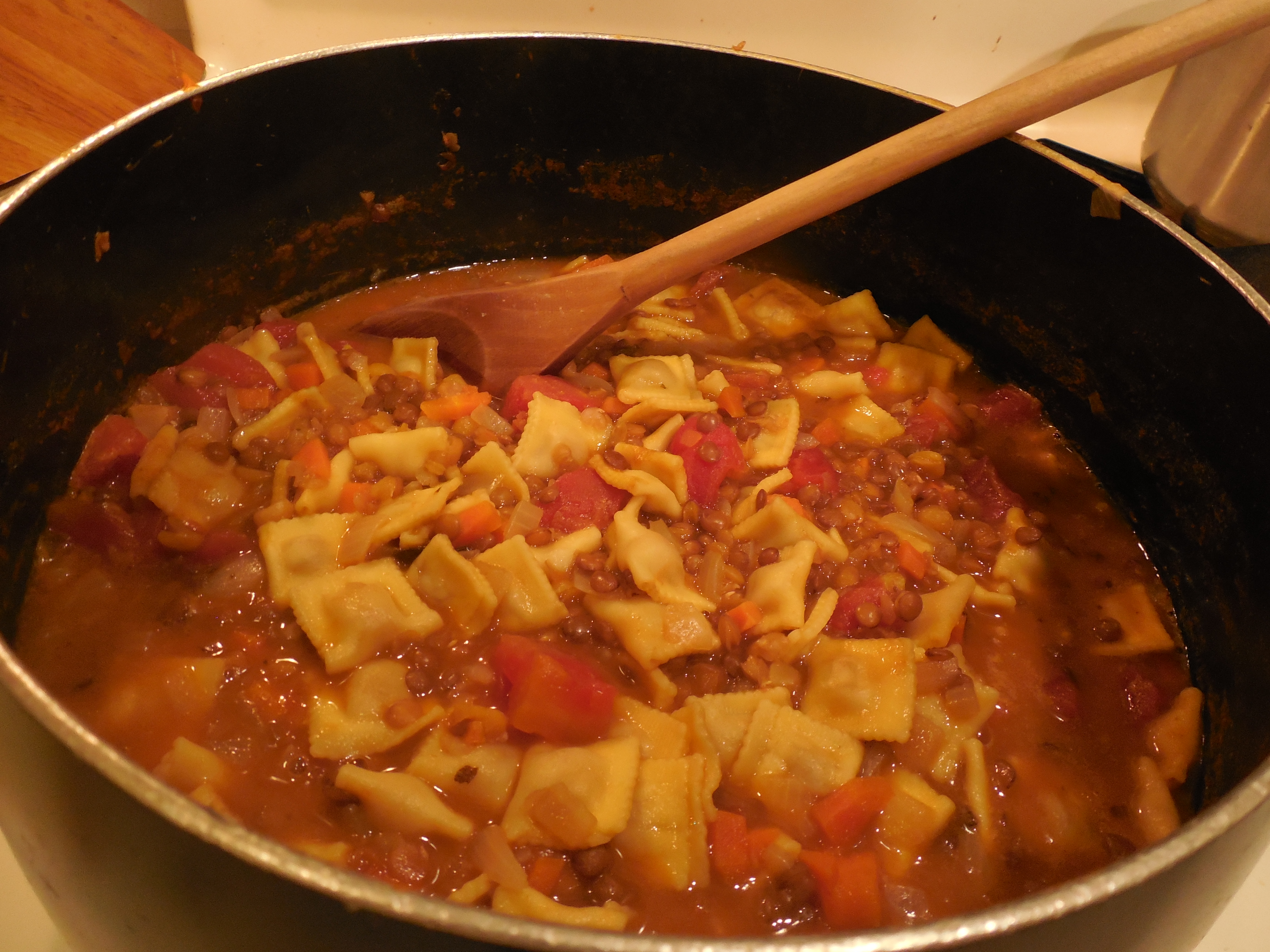




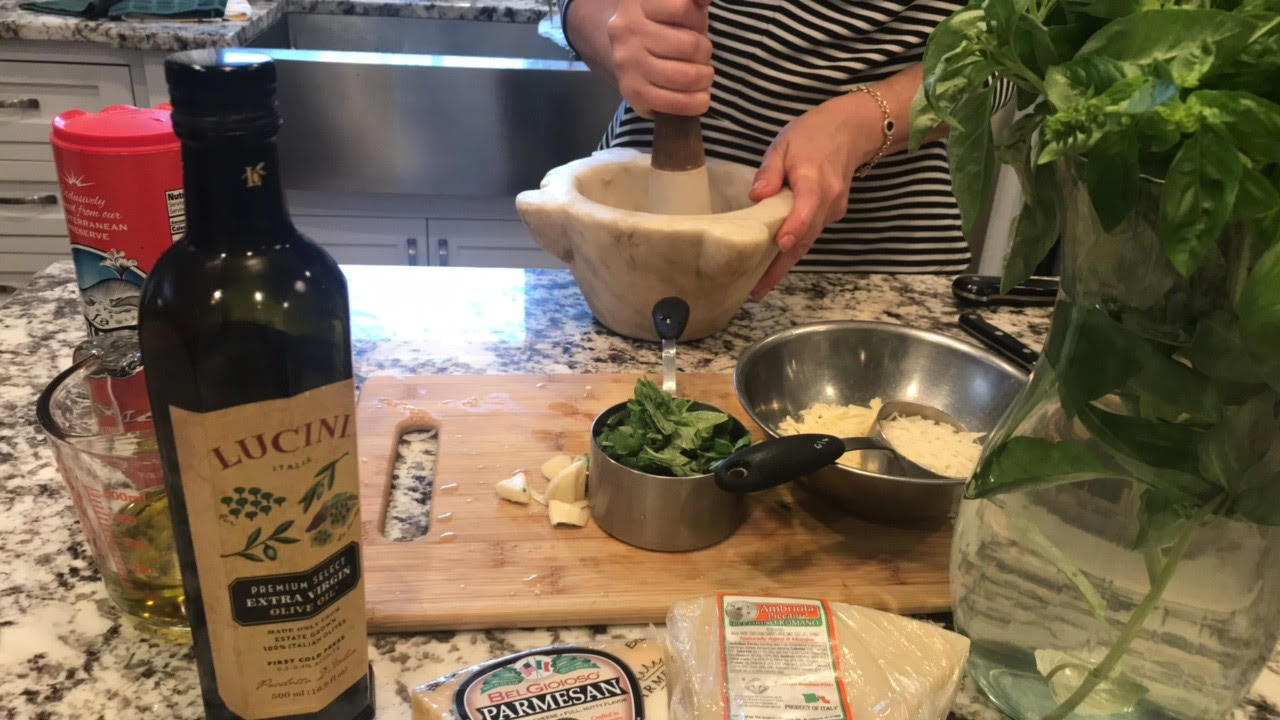
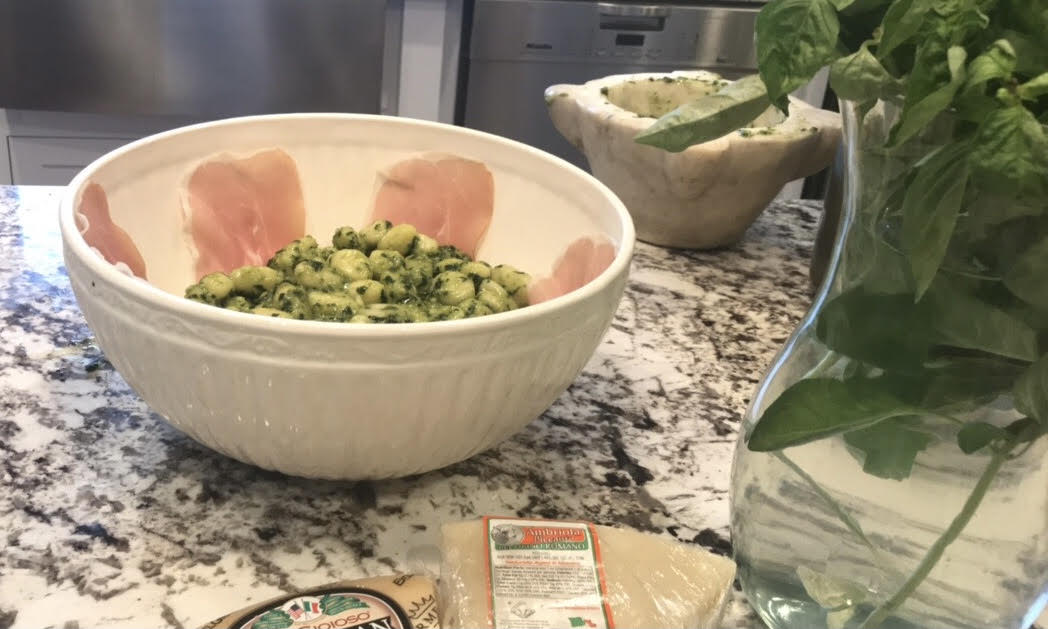

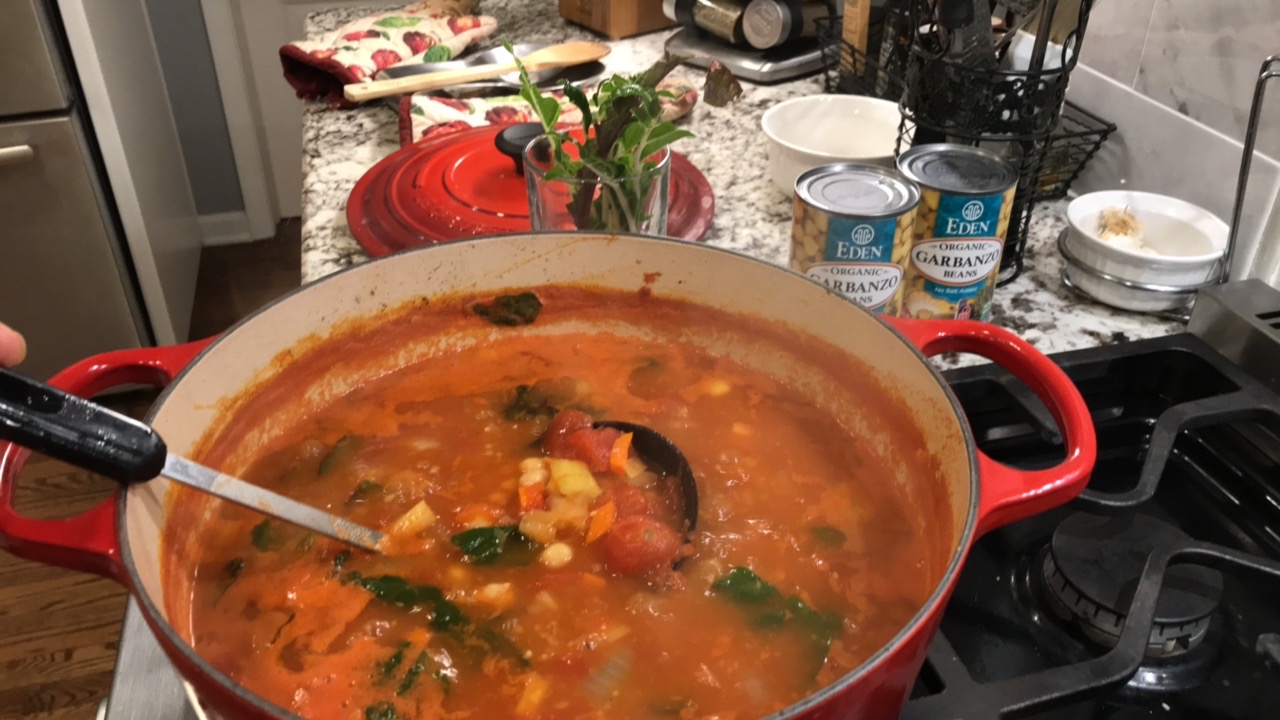
 #gelatoartigianale #gelatoartigianaleitaliano #tartufo #tartufobianco #tartufoestivo #tartufoitaliano #tartufogelato #gelatotartufo #gelatomania #gelatoitaliano
 #gelatolove #gelatolovers #gelatolover #foodblogger #foodbloggersofinstagram @niaf #italianicecream