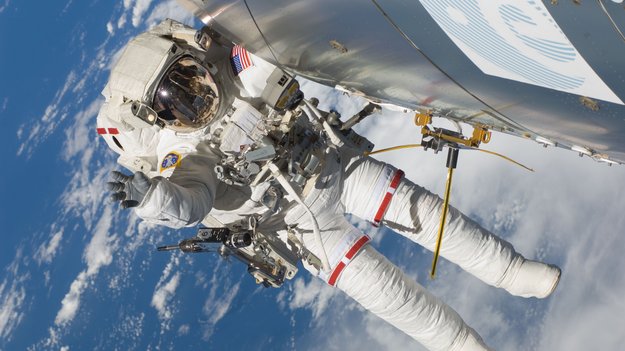
[iframe title=”Beyond Series – Looking beyond Beyond E09″ src=”https://www.podbean.com/media/player/35c3y-d43ef4?from=usersite&skin=1&share=1&fonts=Helvetica&auto=0&download=1&version=1″ height=”122″ width=”100%” style=”border: none;” scrolling=”no” data-name=”pb-iframe-player”]
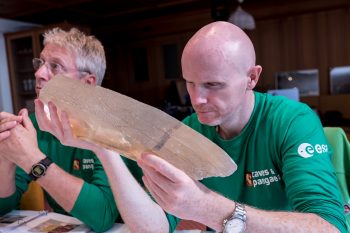
Aidan Cowley examines a large gypsum crystal. ESA–S.Sechi
In episode nine of ESA Explores, we consider how we might overcome some of these challenges to move beyond the International Space Station and low Earth orbit and how students and young researchers are enabling ESA to test early stage concepts.
From your kitchen microwave to the lunar surface, delve deeper with ESA Explores – the official podcast of ESA astronaut Luca Parmitano’s Beyond mission to the International Space Station. All episodes available on Podbean, Spotify, Apple Podcasts, Stitcher, Soundcloud and most other popular podcast platforms.
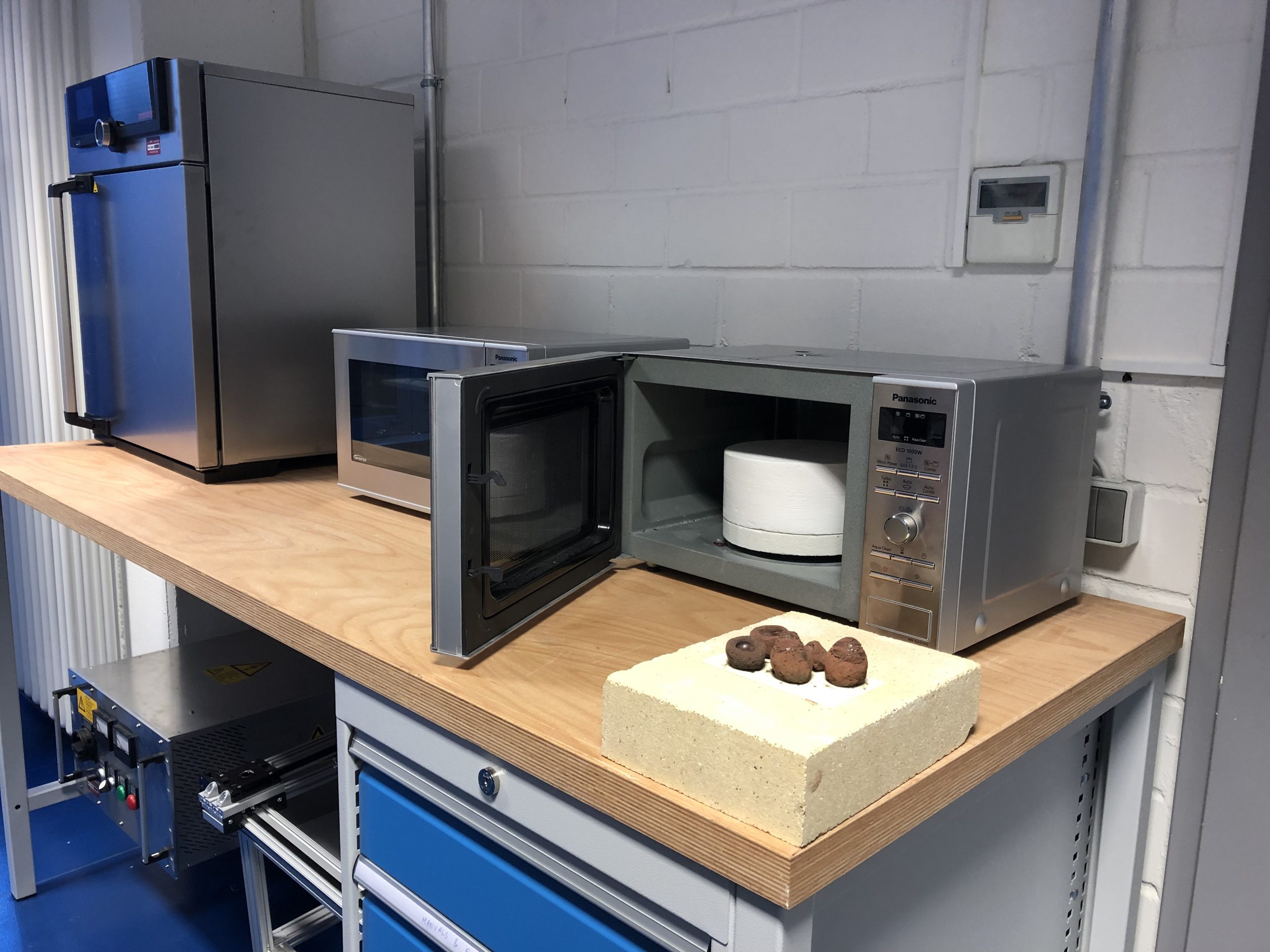
Microwaving simulated Moon dust. ESA-A.Koehler
]]>
This news conference started at 12:30 CET (11:30 GMT) with an introduction from the Head of EAC Frank De Winne, followed by statements from ESA Director General Jan Wörner and Director of Human and Robotic Exploration David Parker. Luca then took questions from media in both English and Italian.
]]>The news conference at ESA’s European Astronaut Centre (EAC) in Cologne, Germany, will take place in English and Italian at 12:30 CET (11:30 GMT) Saturday 8 February. It provides media with one of the first opportunities to ask questions of Luca since he returned from his second space mission, known as ‘Beyond’.
[iframe id=”ls_embed_1581156940″ src=”https://livestream.com/accounts/362/events/6350312/player?width=960&height=540&enableInfoAndActivity=true&defaultDrawer=feed&autoPlay=true&mute=false” width=”960″ height=”540″ frameborder=”0″ scrolling=”no” allowfullscreen]
Luca will share the stage with ESA’s Director General Jan Wörner and ESA Director for Human and Robotic Exploration David Parker.
Head of EAC Frank De Winne will host the event. Frank was the first European in command of the International Space Station during his OasISS mission in 2009, paving the way for ESA astronaut Alexander Gerst during Horizons in 2018 and – most recently – Luca, during Beyond.
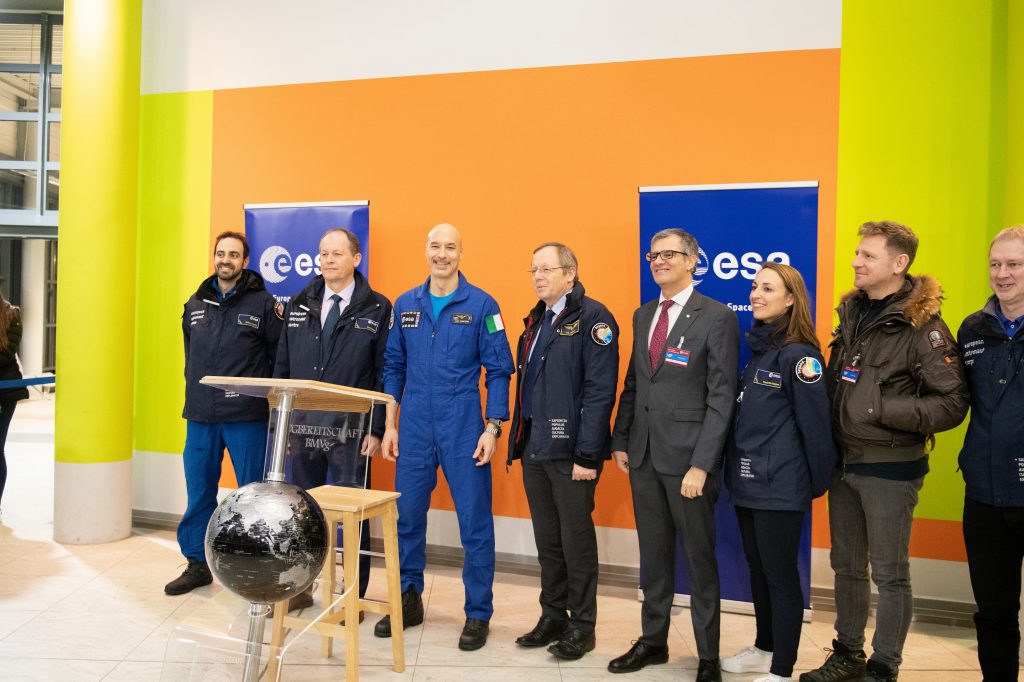
Luca Parmitano at the Cologne military airport after returning from his Beyond mission. ESA – P. Sebirot.
The conference starts at 12:30 CET (11:30 GMT) with short statements from the speakers and will run for one hour. The entire conference will be streamed live on ESA Web TV, with regular photo and text updates also available on Twitter via @esaspaceflight.
During his Beyond mission, Luca spent 201 days living and working on the International Space Station. It was an action-packed mission in which he set the European record for the longest cumulative spacewalking time, became the first ESA astronaut to lead a spacewalk, supported over 50 European and 200 international experiments in microgravity and shared countless images of his experiences with those back on Earth.
Hear more from Luca about his experiences in this video of his first interview after returning to Europe – also available in Italian.
]]>An astronaut emerges. @astro_luca appears reborn after his journey back to #Earth in #SoyuzMS13 today. As footage and images continue to roll in, Luca is making his way back to @esa’s Astronaut Centre in Cologne, Germany. Reflect on the journey so far: https://t.co/ALKdeakV4q pic.twitter.com/PgPdezJQzO
— Human Spaceflight (@esaspaceflight) February 6, 2020
https://platform.twitter.com/widgets.js
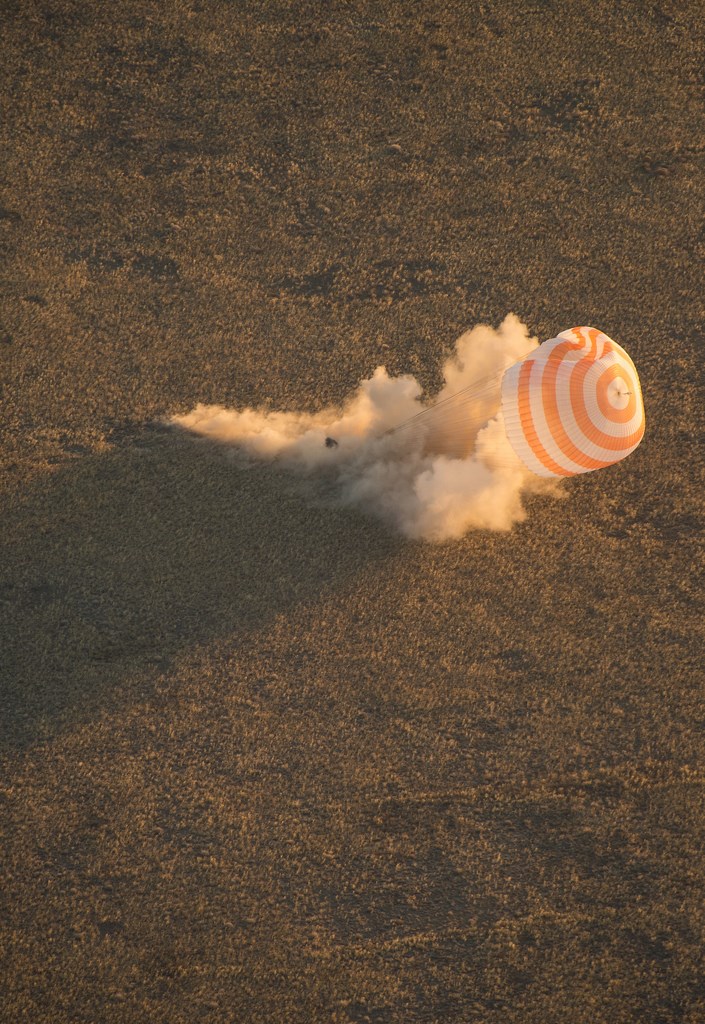
Luca’s return to Earth marks the end of his second International Space Station mission known as ‘Beyond’. He travelled back alongside NASA astronaut Christina Koch and Roscosmos Soyuz commander Alexander Skvortsov, and landed in the snowy steppes of Kazakhstan where he was met by expert teams from Roscosmos, ESA and NASA.
Luca was third to emerge from the module, with all three space travellers waving and smiling at those there to meet them.
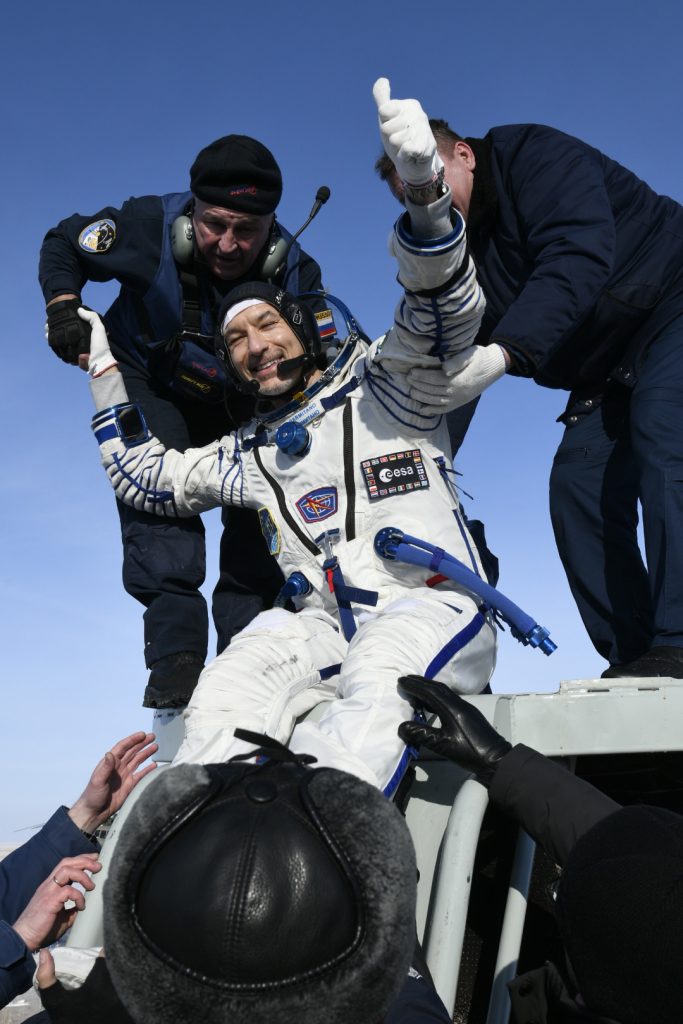
Luca Parmitano emerges from Soyuz MS-13. ESA-M.Pedoussaut.
After a number of traditional ceremonies, he will fly directly to Cologne, Germany, where he will continue to be monitored by ESA’s space medicine team as he readapts to Earth’s gravity at ESA’s European Astronaut Centre (EAC) and DLR’s ‘:envihab’ facility.
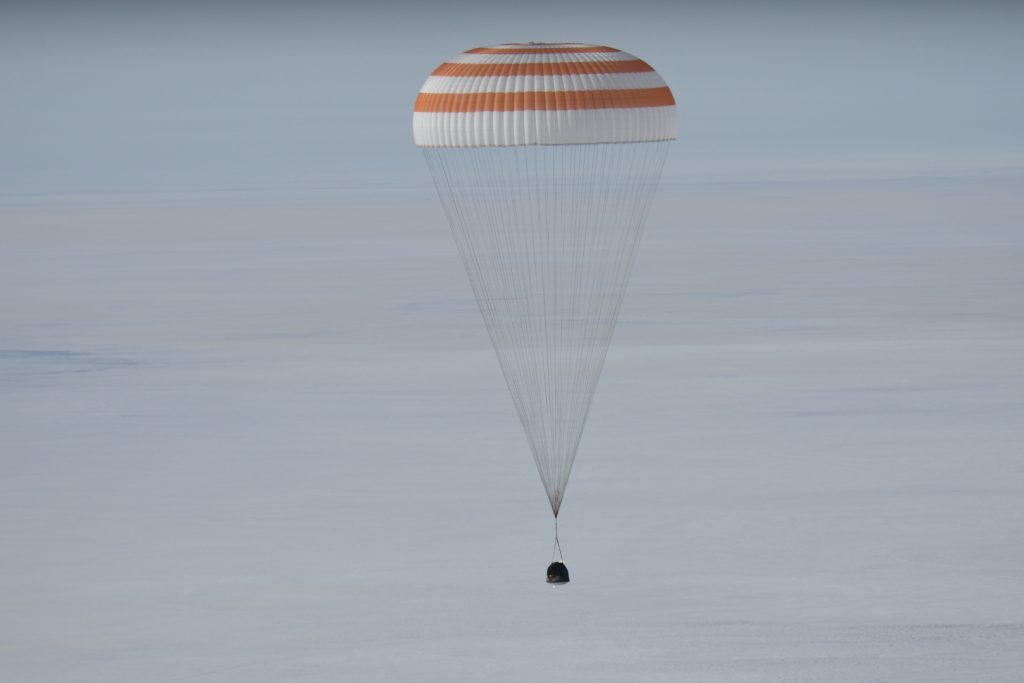
Soyuz MS-13 returns to Earth. ESA-M.Pedoussaut
During his Beyond mission, Luca became the third European and first Italian in command of the International Space Station, performed four complex spacewalks to maintain the cosmic-ray-detecting Alpha Magnetic Spectrometer AMS-02, gained the European record for most cumulative hours spent spacewalking at 33 hours and 9 minutes, remotely operated a rover in the Netherlands as part of the Analog-1 experiment, delivered an important climate change message to leaders at the UN climate change conference in Madrid, and supported over 50 European experiments as well as 200 international experiments in space.
He also played the first ever DJ set in space and shared numerous images of our planet and his activities on the Station.
Back on Earth, Luca will continue working with European researchers on experiments including Acoustic Diagnostics that looks into the impact of the Space Station environment on astronaut hearing, the TIME experiment that looks at whether astronauts judge time differently in space, and two experiments known as Grip and GRASP that look into the physiology behind eye-hand coordination and the role of gravity in regulating grip force, among others.
The findings of research conducted as part of Luca’s Beyond mission will help shape the future of human and robotic exploration while enhancing technological developments on Earth.
Find out more about what it takes to return an astronaut to Earth in the latest episode of the Beyond mission podcast ESA Explores.
[iframe title=”Beyond Series – Back to Earth E08″ src=”https://www.podbean.com/media/player/8ifet-cfa2d9?from=usersite&skin=1&share=1&fonts=Helvetica&auto=0&download=1&version=1″ height=”122″ width=”100%” style=”border: none;” scrolling=”no” data-name=”pb-iframe-player”]
]]>
Luca was the third European in command of the Space Station, after ESA astronauts Alexander Gerst in 2018 and Frank De Winne in 2009. He was also the first ever Italian commander.
The change of command will occur during a short ceremony in which Luca will hand a symbolic hatch key to Oleg and a bell will be rung indicating the start of Expedition 62.
Watch the change of command ceremony live on NASA TV from 14:40 CET (13:40 GMT) Wednesday 5 February.
Luca’s time in command
‘Beyond’ is Luca’s second International Space Station mission.
While in command of the Station, he held the lead role of EV1 in the first three of four complex spacewalks to maintain the cosmic ray detecting Alpha Magnetic Spectrometer AMS-02. This was the first time a European astronaut had ever done so. During this spacewalk series he also surpassed ESA astronaut Christer Fuglesang’s European record for the longest cumulative spacewalk by one hour and three minutes. Luca has now spent a total 33 hours and 9 minutes spacewalking over the course of six EVAs.
The AMS spacewalks were considered even more challenging than those to repair the Hubble Space Telescope, as the bus-sized instrument was never designed to be serviced in orbit. The spacewalks were four years in the planning, and required the development of new procedures as well as more than 20 new tools.
In addition to these spacewalks, Luca supported over 50 European experiments in orbit, including Analog-1 in which he controlled a rock-collecting rover in the Netherlands, from space.
Find out more about Luca and his second space mission in the Beyond brochure – available to download in English and Italian – as well as Beyond mission podcast, ESA Explores, and the Beyond playlist over on YouTube.
See how it began in the below replay of Luca accepting command of the International Space Station from Russian Cosmonaut Aleksei Ovtchinin on 2 October 2019.
]]>After five hours and two minutes outside the Space Station today, Luca will also hold the European record for the most cumulative spacewalking time. This is currently held by ESA astronaut and Swedish physicist Christer Fugelsang who has performed five spacewalks or EVA.
The below video provides an overview of tasks ahead of Drew and Luca during this fourth and final EVA for AMS.
You can watch the entire spacewalk live on ESA Web TV and stay tuned to @esaspaceflight on Twitter for regular updates. Both Luca and Drew are wearing helmet cameras. Luca is helmet cam 18 while Drew is helmet cam 20.
Preparing for a spacewalk
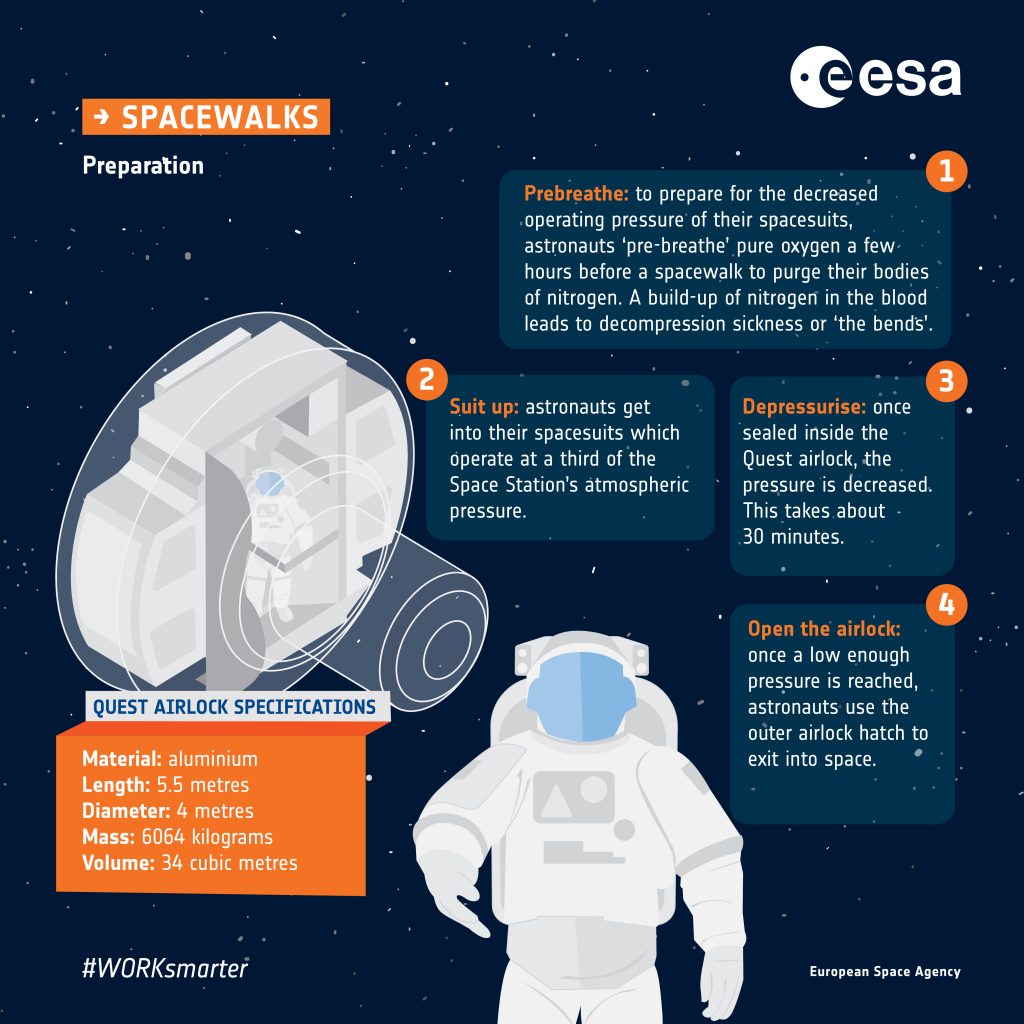
Before our spacewalkers step out, they need to prepare their bodies and their suits. This infographic provides a nice little guide to the final four steps to a spacewalk.
A spacewalk officially begins when the spacewalkers switch their spacesuits over to internal battery power. Today’s spacewalk began at 13:04 CET (11:04 GMT).
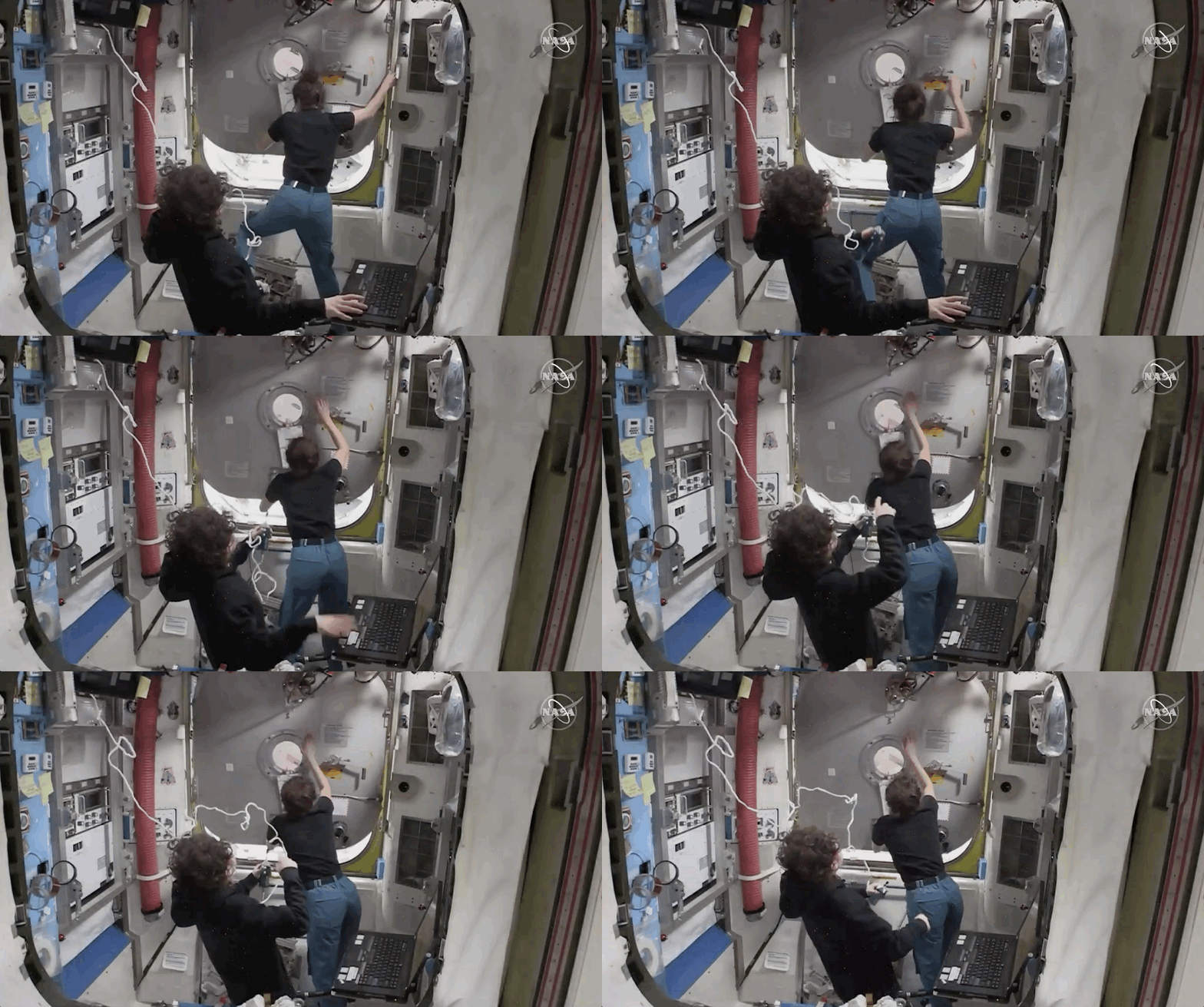
Drew and Luca are supported by NASA astronauts Jessica Meir and Christina Koch. Christina will operate the robotic arm, transporting Drew to the AMS worksite.
Here the pair are shown closing the hatch between the crew lock and equipment lock enabling Luca and Drew to begin depressurisation – a process that takes about 30 minutes.
Upon first closure today a strap from a bag got caught in the hatch. This meant it was not completely airtight. Once the issue was recognised, the crew lock section was repressurised, the hatch was reopened and the strap was removed enabling the hatch to be securely fastened and depressurisation to begin once more.
Legs eleven
Here we see Luca’s legs as he emerges from the airlock. As EV1, Drew Morgan exited the airlock first today, followed by Luca. Drew wears the spacesuit with red stripes, while Luca’s spacesuit is completely white.
One of the first tasks for Drew today is to connect to the Canadarm2 robotic arm, which will be used to transport him to the AMS worksite. Christina Koch will operate this from inside the Station.
Luca will make his way manually to the worksite as he works to prepare tools and the site for Drew’s arrival.
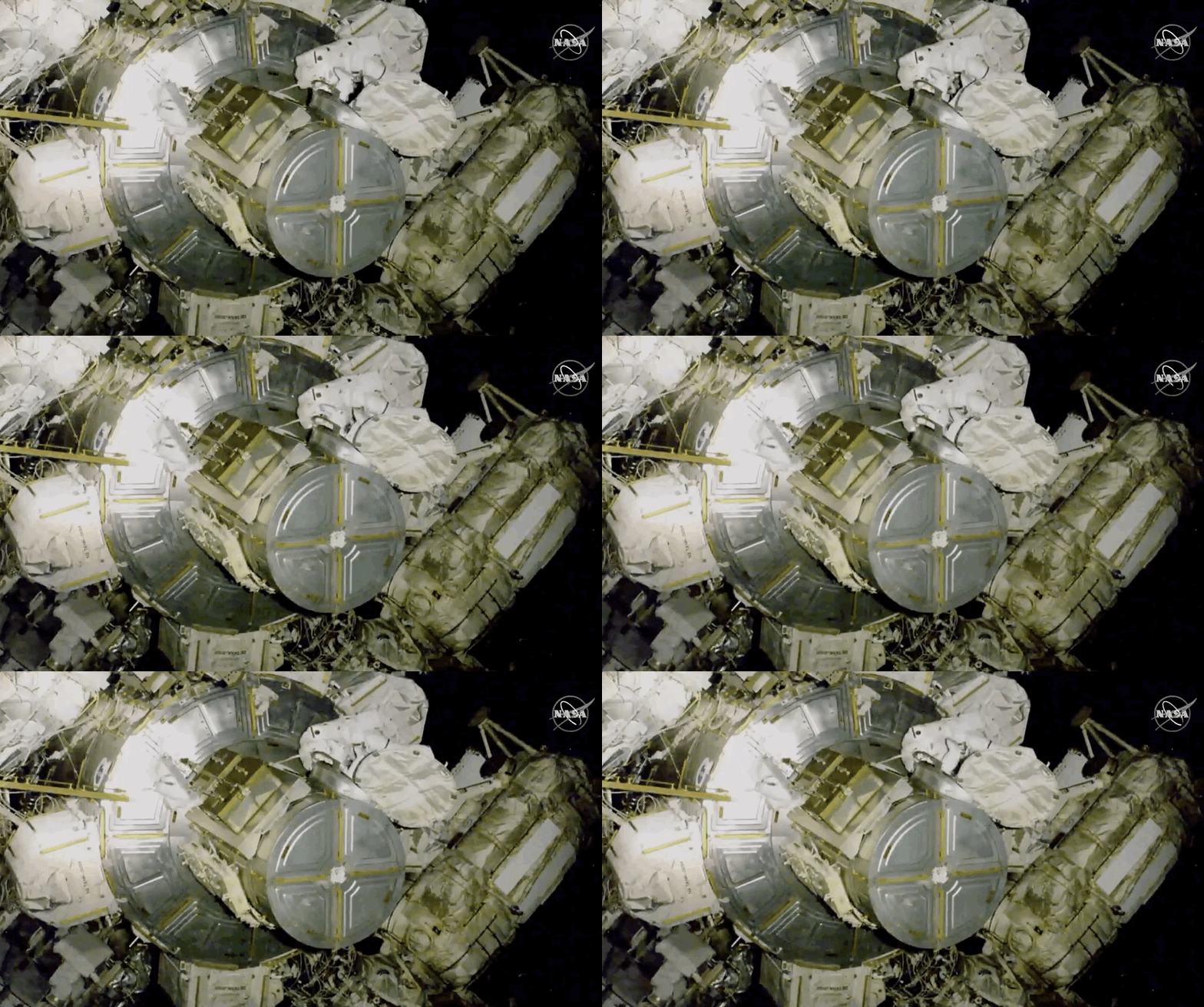
The eight leak checks that Luca and Drew perform today will determine whether the spacewalk series has been a successful, enabling teams on the ground to restart the cosmic ray detector AMS-02. If they get time, they may also perform what are known as get-ahead tasks.
Out in space
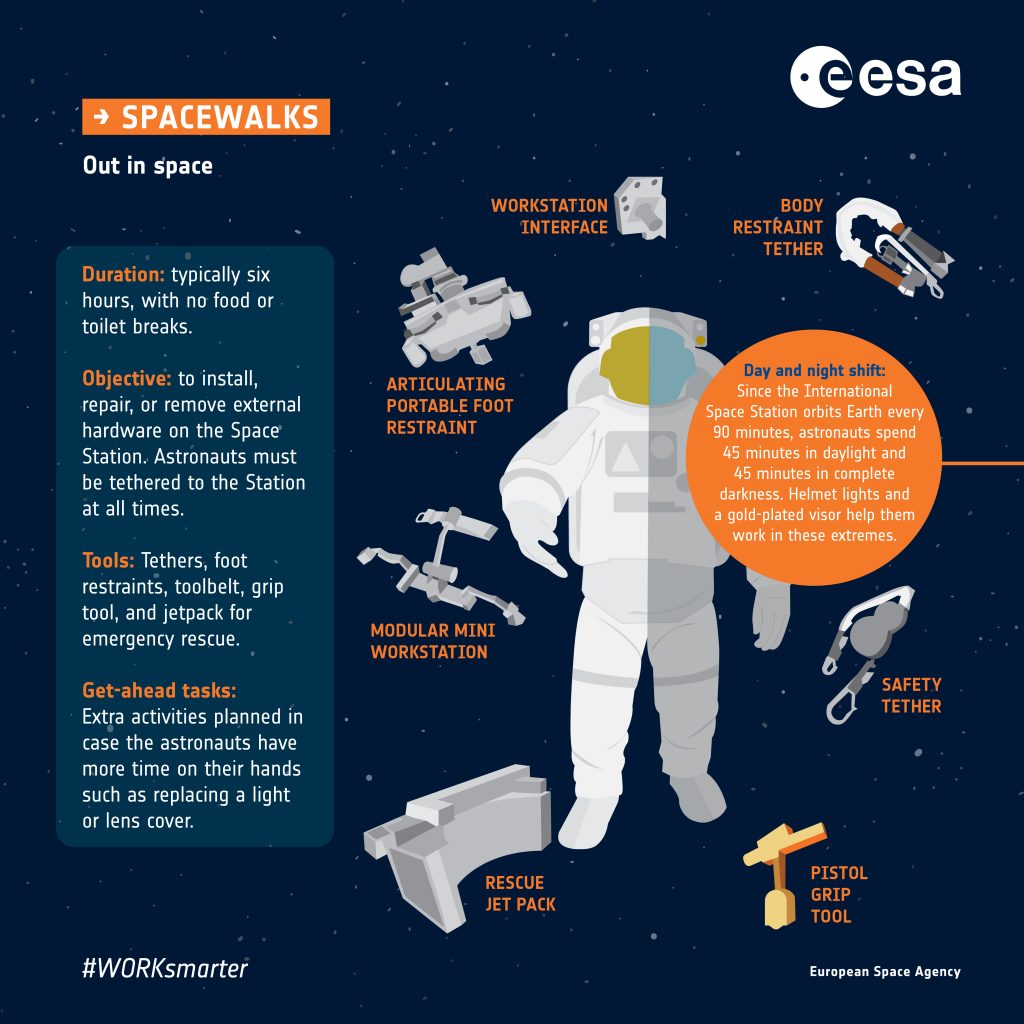
The acronym of today is VLI. This stands for visual leak indicator.
A slight leak was identified on the first two tubes our spacewalkers performed leak checks on. Luca will continue running through procedures to check the tubes to follow.
The final tube checked by Luca worksite is in good condition. No further leaks have been found. The pair will recheck the leaking tube one hour from the time Luca tightened the connection to ensure this is sealed securely.
There are three options upon rechecking the tube: no leak – good to go, slight leak – tighten again and restart the clock, or big leak – reevaluate next steps with crews on the ground.
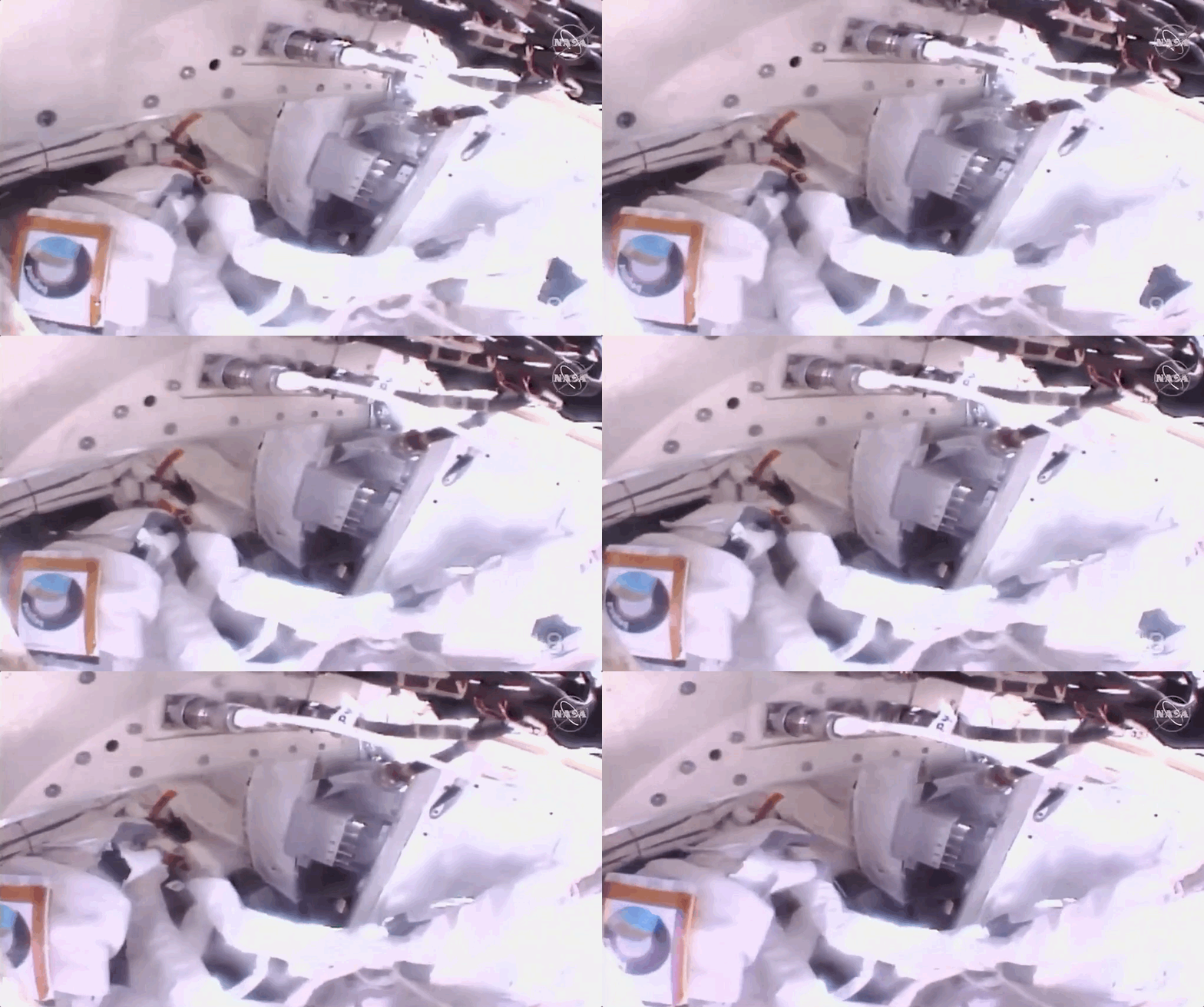
Luca identified a leak upon rechecking tube number five. Upon instruction from the ground he retightened the connection, restarting the dwell clock. He will recheck this tube in an hour from the time it was retightened. If a leak is still present, he will work to install a jumper that will work around this leaking connection. Just in case this is necessary, Luca returned to the Space Station airlock to pick up contingency bags.
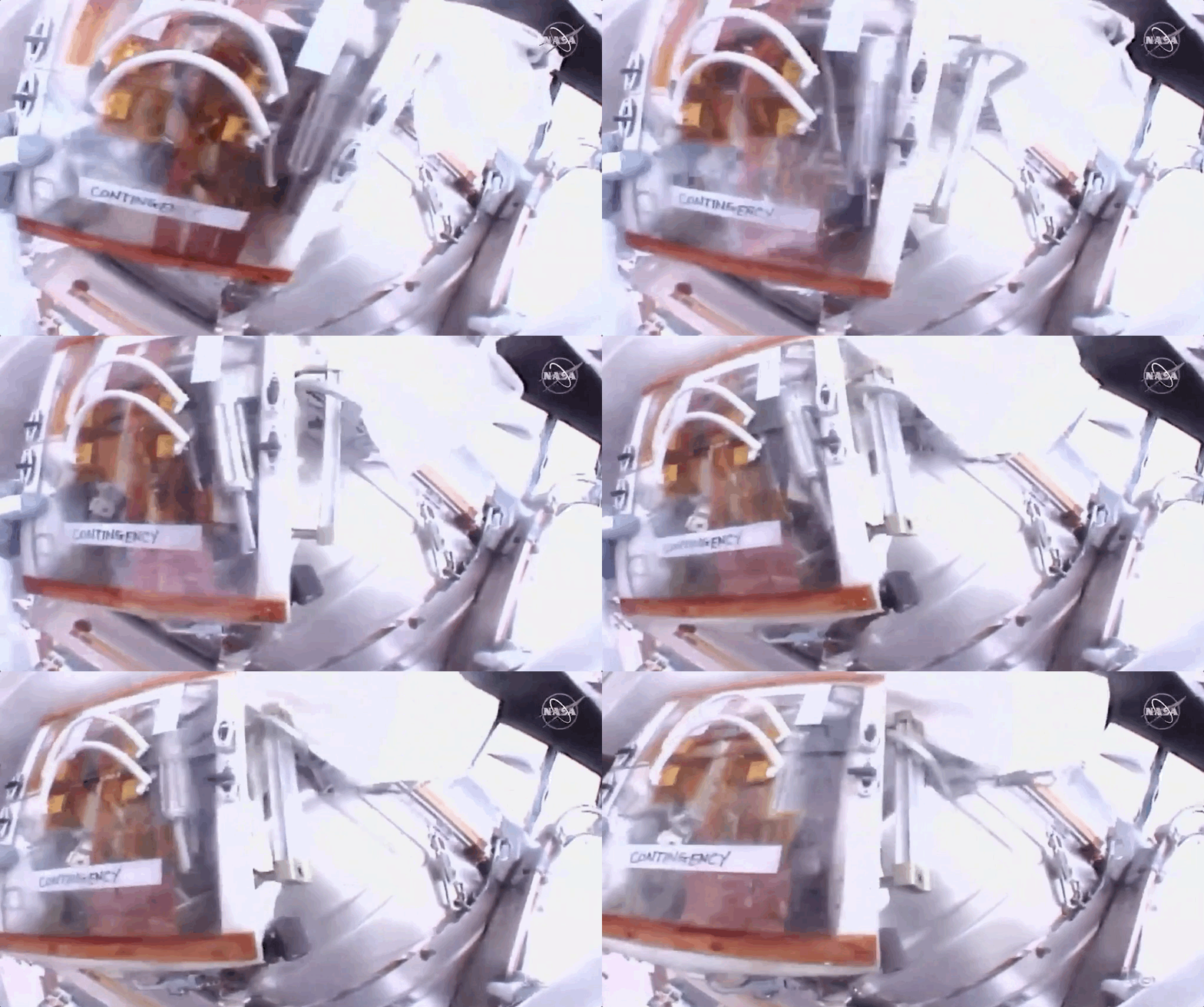
Luca rechecked tube number five, 17 minutes earlier than scheduled. This third check revealed no leak, indicating that work to tighten the connection has been successful. The spacewalk is back on schedule. Next step is to apply the MLI tent, closing out and protecting the site.
Luca also opened the accumulator valve which will pressurise the new system, ensuring all cooling lines are holding pressure as expected for the resumption of AMS-02.
CERN say spacewalks a success
The team at the AMS payload operations control centre are all smiles as the instrument’s new pump system is declared leak-free.
Congratulations @astro_luca and @AstroDrewMorgan, the AMS pump system is now leak tight. The #SpacewalkForAMS series is a success!
Find out more about these spacewalks: https://t.co/EAJWHIJhho pic.twitter.com/K43Bl5at7H
— CERN (@CERN) January 25, 2020
https://platform.twitter.com/widgets.js
Mud flap and shower cap
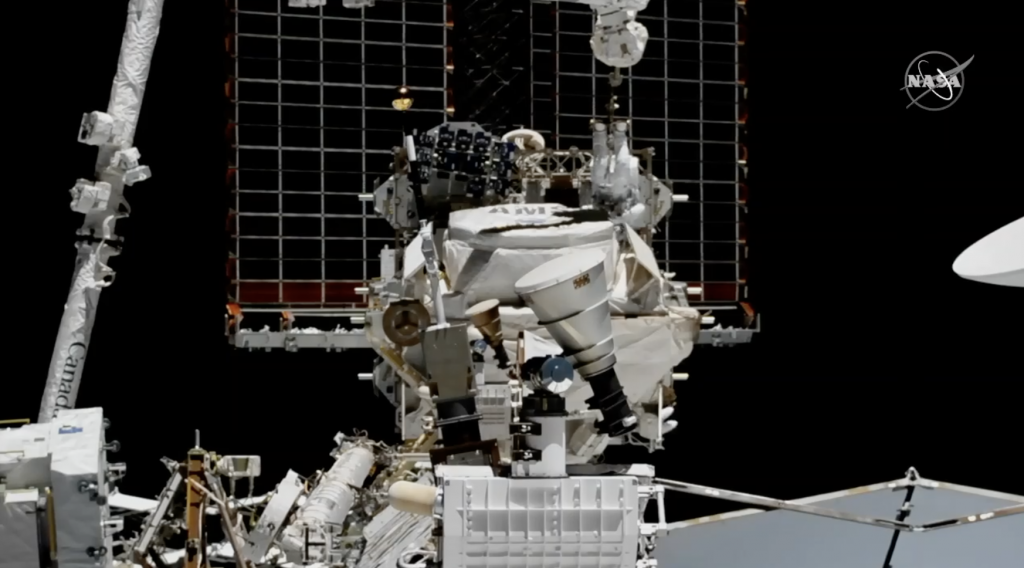
Get-ahead
Following the completion of all AMS tasks, Luca and Drew are off to replace lens caps that have fogged up on the Space Station’s external high definition cameras.
Five hours and two minutes into this spacewalk, Luca secured the European record for longest cumulative spacewalking time. This was previously held by Swedish ESA astronaut Christer Fugelsang.
Luca has now spent 33 hours and 9 minutes spacewalking over the course of six spacewalks. In another fun fact, the crew of Expedition 61 have now spent a combined total of 61 hours spacewalking over the course of their increment.
Reentering the airlock
The end is reminiscent of the beginning
As EV2, @astro_luca reenters the airlock first followed by @AstroDrewMorgan. pic.twitter.com/i8ka6LrolV
— Human Spaceflight (@esaspaceflight) January 25, 2020
]]>Finishing with a fist bump
@Astro_Jessica opens the hatch between the crew lock and equipment lock, welcoming the weary spacewalkers home. pic.twitter.com/dF6PwFNjZZ
— Human Spaceflight (@esaspaceflight) January 25, 2020

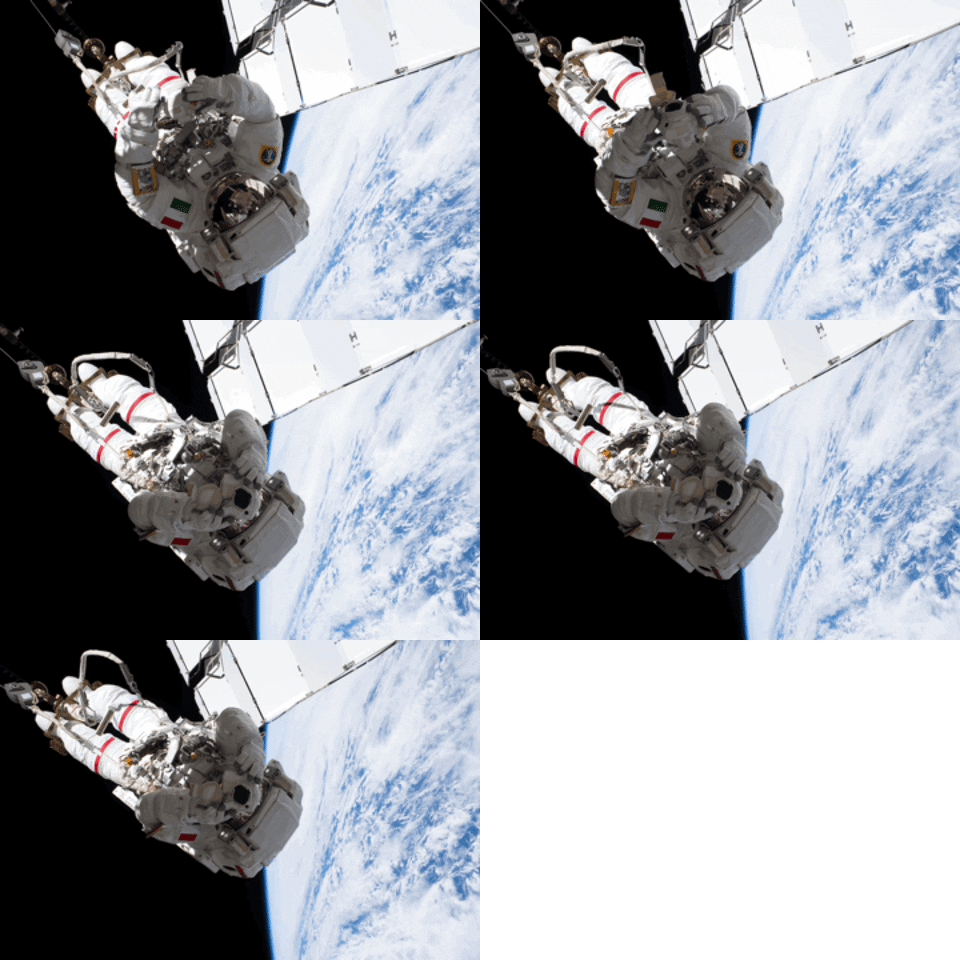
During this final #SpacewalkForAMS, Luca and Drew will check the particle detector’s upgraded pump system. After approximately three hours, their checks should reveal whether it is now leak-tight, ready to support further research into the origins of our Universe.
How to tune in
Live spacewalk coverage starts at 12:15 CET (11:15 GMT) on ESA Web TV – following the premiere of Luca and Drew’s hour-long Space Station tour at 11:00. The pair are scheduled to exit the airlock around 12:50 CET (11:50 GMT) and the entire spacewalk, from exit to their return to the airlock, is expected to take six hours.
This time Drew will hold the lead spacewalking role, called EV1, and be transported to the worksite by robotic arm. As EV2, Luca will wear a white spacesuit without stripes. He will start by making his way around the outside of the Station to the Earth-facing side of AMS where he will prepare tools for Drew ahead of the first leak check.
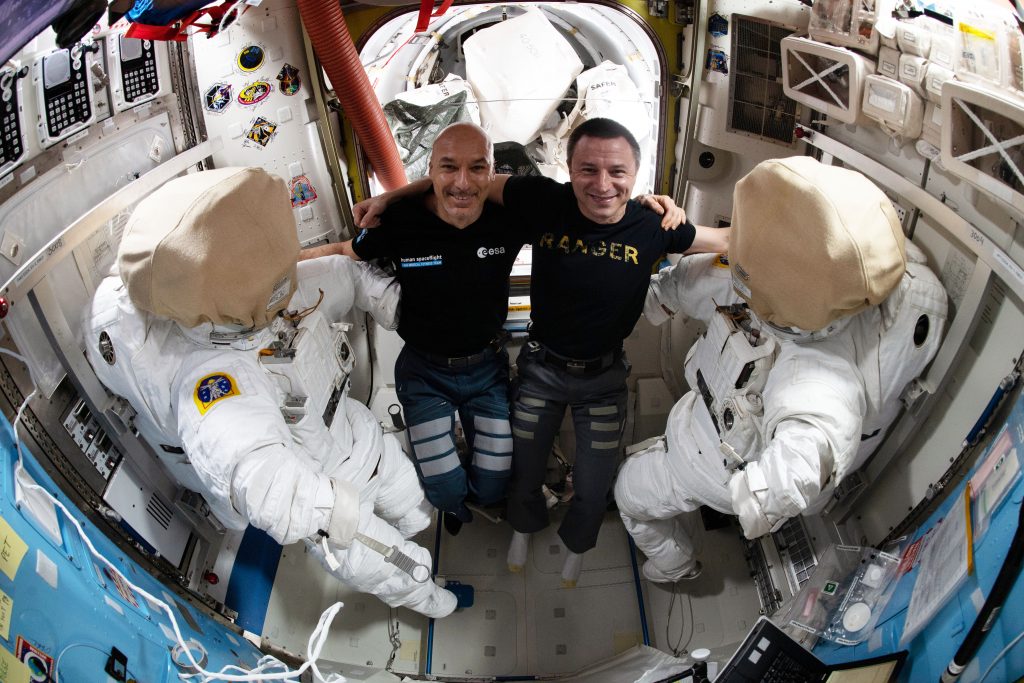
Once all leak checks are complete, scientists will know whether the spacewalk series has been successful and – if so – reinitiate the instrument’s operation from the AMS Payload Operations Control Centre (POCC) at the European laboratory for particle physics, CERN, in Switzerland.
To round out the spacewalk, Luca and Drew will close the site with multi-layer insulation (MLI), clean-up and return to the airlock.
Final spacewalk of Beyond
The final spacewalk for AMS-02 will also be the last of Luca’s Beyond mission as he prepares to return to Earth in February after six months in space.
Prior to spacewalk coverage, ESA Web TV will premiere a comprehensive Space Station tour filmed by Luca and Drew. Tune in from 11:00 CET to watch this hour-long tour complete with unedited commentary from the duo.
Schedule in Central European Time:
| Begin spacewalk preparation | 08:00 |
| Premiere of Space Station tour on ESA Web TV (not live) | 11:00 |
| Start ESA Web TV coverage | 12:15 |
| Begin airlock depressurisation | 12:30 |
| Exit the airlock | 12:50 |
| Luca arrives at worksite | 13:50 |
| Conduct leak check nadir side | 14:20 |
| Conduct leak check Vertical Support Beam (VSB) | 15:00 |
| Install multilayer insulation (MLI) tent | 15:40 |
| Close-out zenith side of AMS and clean-up | 16:40 |
| Re-enter the airlock | 18:20 |
ESA astronaut Luca Parmitano’s second mission is drawing to a close. In just a few short weeks he will return from six months on board the International Space Station, alongside NASA astronaut Christina Koch and Russian cosmonaut Alexander Skvortsov.
The trio will make the journey back to Earth in a Russian Soyuz spacecraft, and when they do they be welcomed home by support teams on the ground.
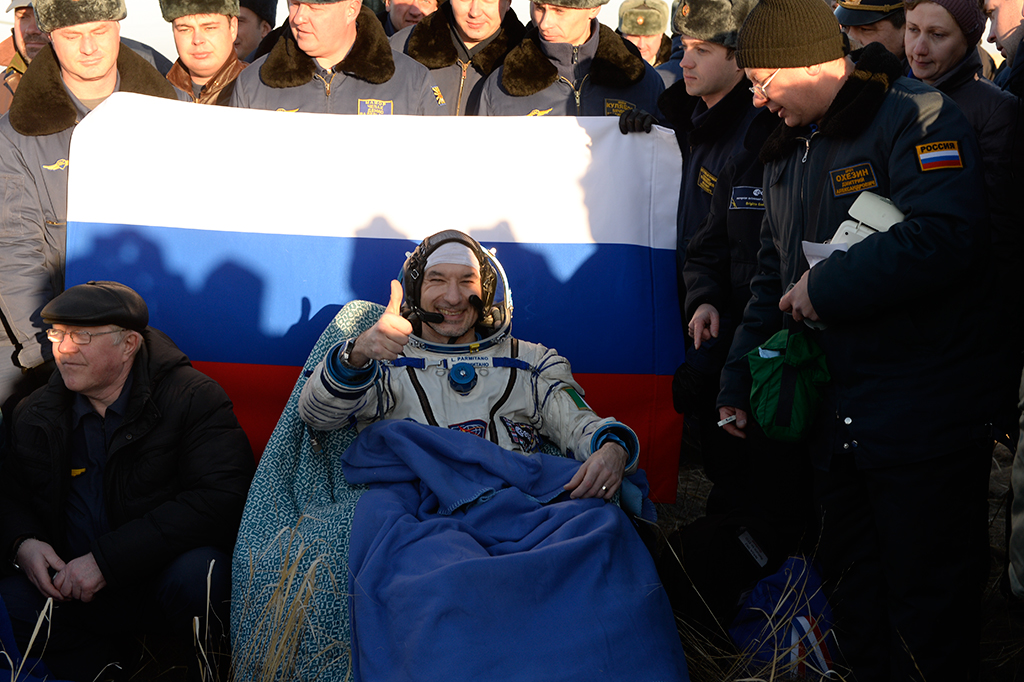
Flight surgeon Maybritt Kuypers is an emergency and wilderness medicine physician and part of ESA’s space medicine team. As prime flight surgeon for Luca, she is well versed in the impact human spaceflight can have on the human body. She works closely with ESA’s astronauts before, during and after their missions to minimise this impact and ensure they are fit and well.
In this episode of the Beyond mission podcast ESA Explores, Maybritt explains a bit more about her role as well as what lies ahead for Luca upon landing in the Kazakh Steppe and when he returns to ESA’s astronaut centre in Cologne, Germany.
We also want to know what you’d like to ask Luca upon his return. Send your questions to @esaspaceflight on Twitter using the hashtag #AskLuca for the chance to have these included in the first interview with Luca when he returns from space.
You can find this and all previous episodes of ESA Explores on all major podcast platforms including Spotify, Stitcher, Apple Podcasts, Podbean and Soundcloud.
[iframe title=”ESA Explores” id=”multi_iframe” style=”border: none;” scrolling=”no” allowfullscreen=”” src=”https://www.podbean.com/media/player/multi?playlist=http%3A%2F%2Fplaylist.podbean.com%2F4891345%2Fplaylist_multi.xml&vjs=1&size=240&share=1&fonts=Helvetica&auto=0&download=1&skin=1″ width=”100%” height=”440″] ]]>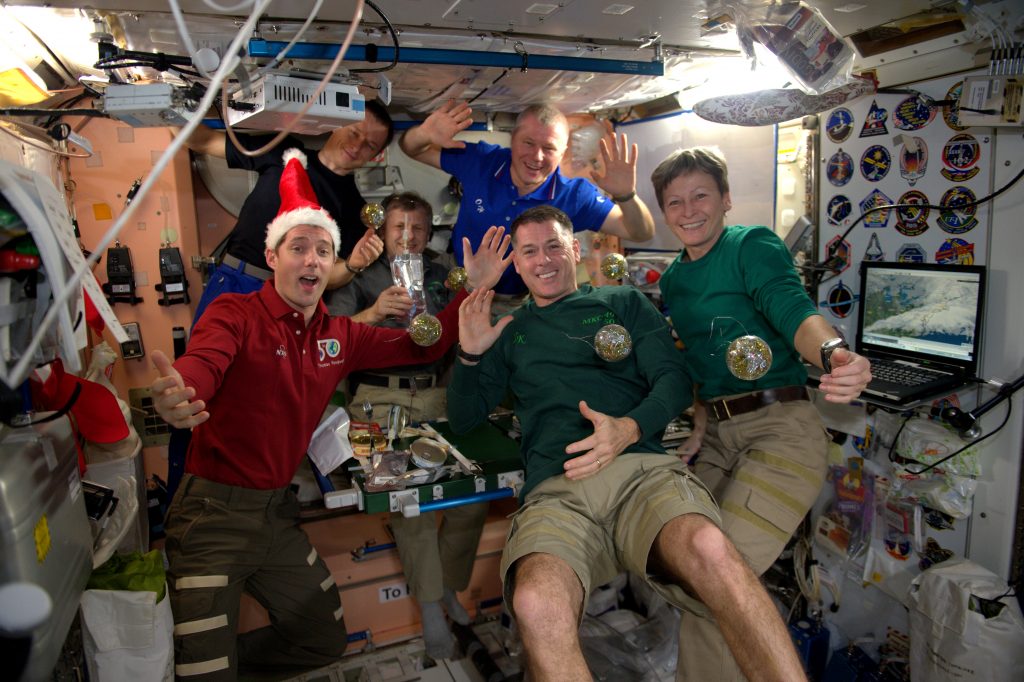
The holiday period is in full force, but what is it like to celebrate special occasions in space? That’s exactly the question hosts Ally Koehler and Stephen Ennis put to guests ESA astronaut Thomas Pesquet and BME/Eurocom coordinator Andrea Boyd in the December episode of Beyond mission podcast ESA Explores.
[iframe title=”Beyond Series – Space celebrations E07″ src=”https://www.podbean.com/media/player/4tzbq-cb8759?from=usersite&skin=1&share=1&fonts=Helvetica&auto=0&download=1&version=1″ height=”122″ width=”100%” style=”border: none;” scrolling=”no” data-name=”pb-iframe-player”]From Thanksgiving to birthdays and Russian Christmas, discover how astronauts mark special occasions 400 km above Earth. And how they’re supported by teams back on Earth.
For everyone who has been following Luca Parmitano’s Beyond mission and the mission podcast this year, we wish you all the best for the holiday season. The podcast will be back in the New Year with an episode on Luca’s upcoming return to Earth.
The ESA Explores podcast is available on all major podcast platforms including Apple Podcasts, Spotify, Stitcher and SoundCloud.
]]>From fires in the Amazon and Hurricane Dorian to disappearing atolls and shrinking sea ice, ESA astronaut Luca Parmitano on board the International Space Station has captured evidence of Earth’s fragility and our impact as humans. This week, he will share that view once again with world leaders at the United Nations Climate Change Conference COP 25 in Madrid, Spain as they take the next crucial steps for our planet.
Below is a selection of photographs from Luca’s current Beyond mission and his first mission Volare in 2013. Tune into NASA TV or the UN COP 25 webstream from 16:05 CET Wednesday 11 December to watch the live call. Today is the #TimeForAction.
From #space, I’ve seen our world change with the rising temperatures. It’s #TimeForAction: join me this afternoon as I speak with world leaders about our changing #climate at the @UNFCCC #COP25 in Madrid – live from the @Space_Station
From 16:05 CET https://t.co/i2fEOeGz1z pic.twitter.com/j5i8Nunzg0
— Luca Parmitano (@astro_luca) December 11, 2019
https://platform.twitter.com/widgets.js

Rocks, snow, glaciers and deep blue waters in the Coast Mountains range, Canada. ESA/NASA-L.Parmitano (Volare).
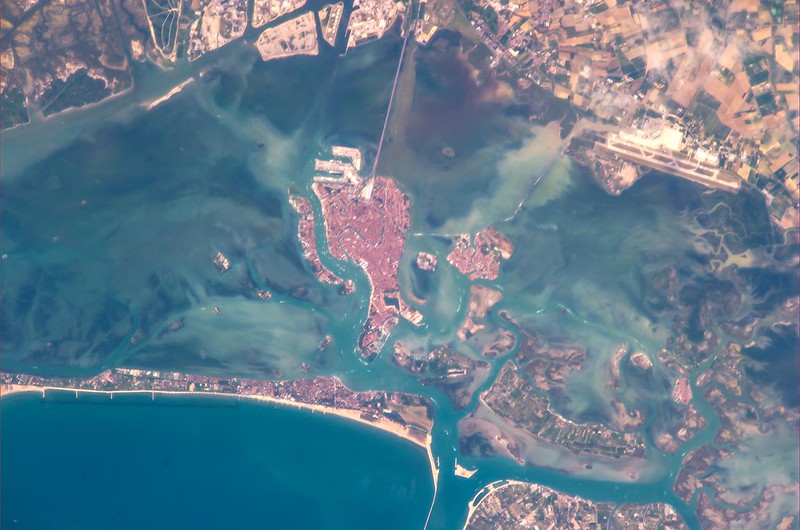
Venice and the Laguna. ESA/NASA-L.Parmitano (Volare).
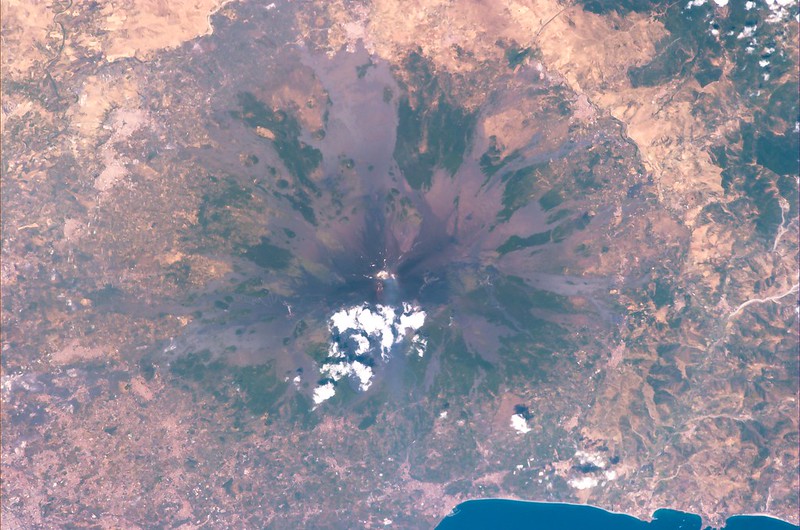
Mount Etna. ESA/NASA-L.Parmitano (Volare).
Did you know Europe also has one of the world’s largest Earth observation programmes? ESA satellites provide unprecedented information on the retreat of glaciers, sea level rise, the increase of greenhouse gases in the atmosphere and deforestation worldwide.
Find out more about Earth observation on the ESA website and follow Luca on Twitter and Facebook for the latest images from his Beyond mission.
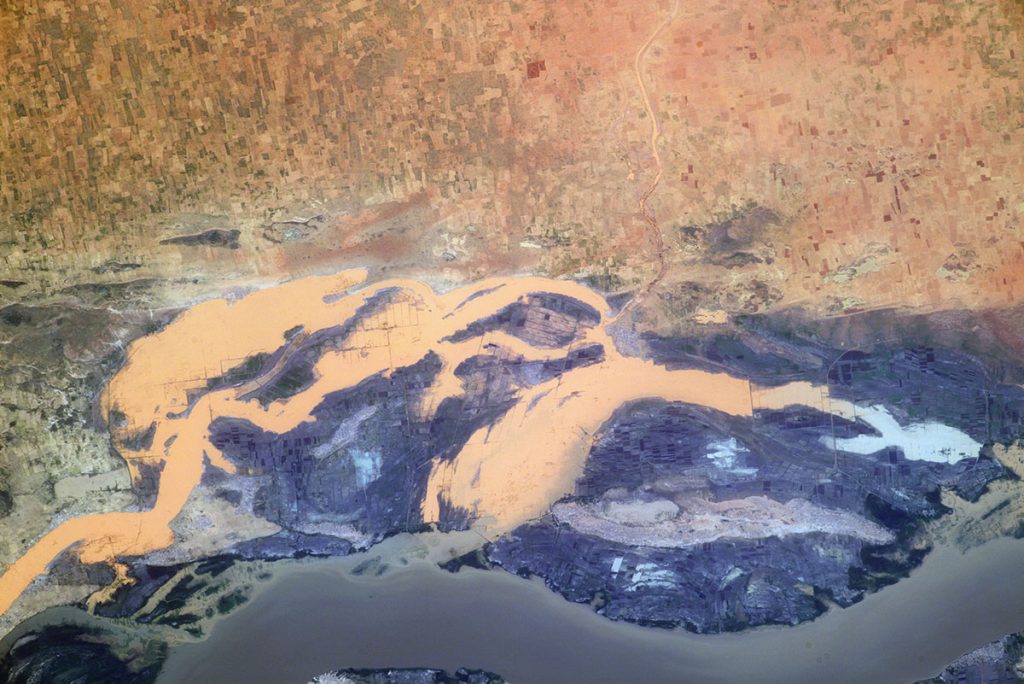
Flooding of the White Nile in Sudan. ESA/NASA-L.Parmitano (Beyond).
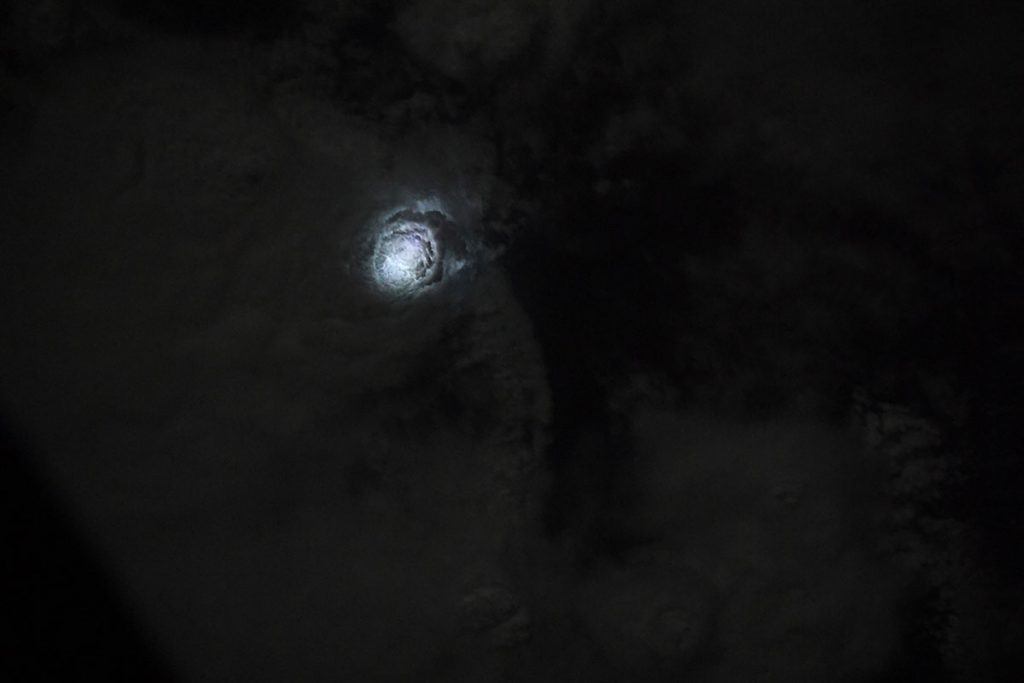
Monsoon storms. ESA/NASA-L.Parmitano (Beyond).
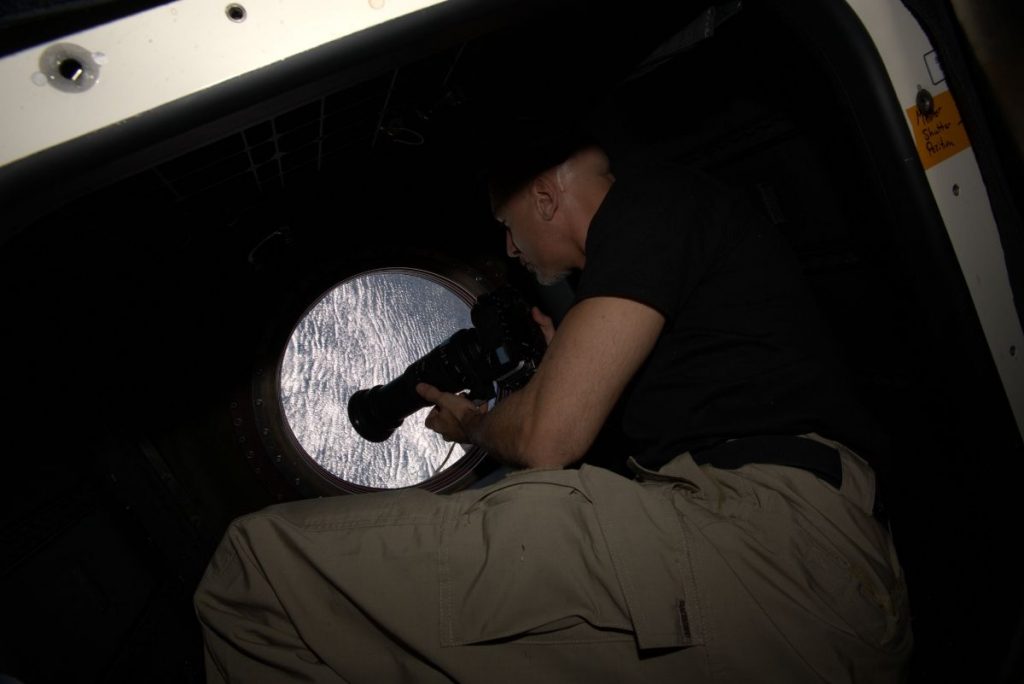
Hunting for Dorian. ESA/NASA-L.Parmitano (Beyond).
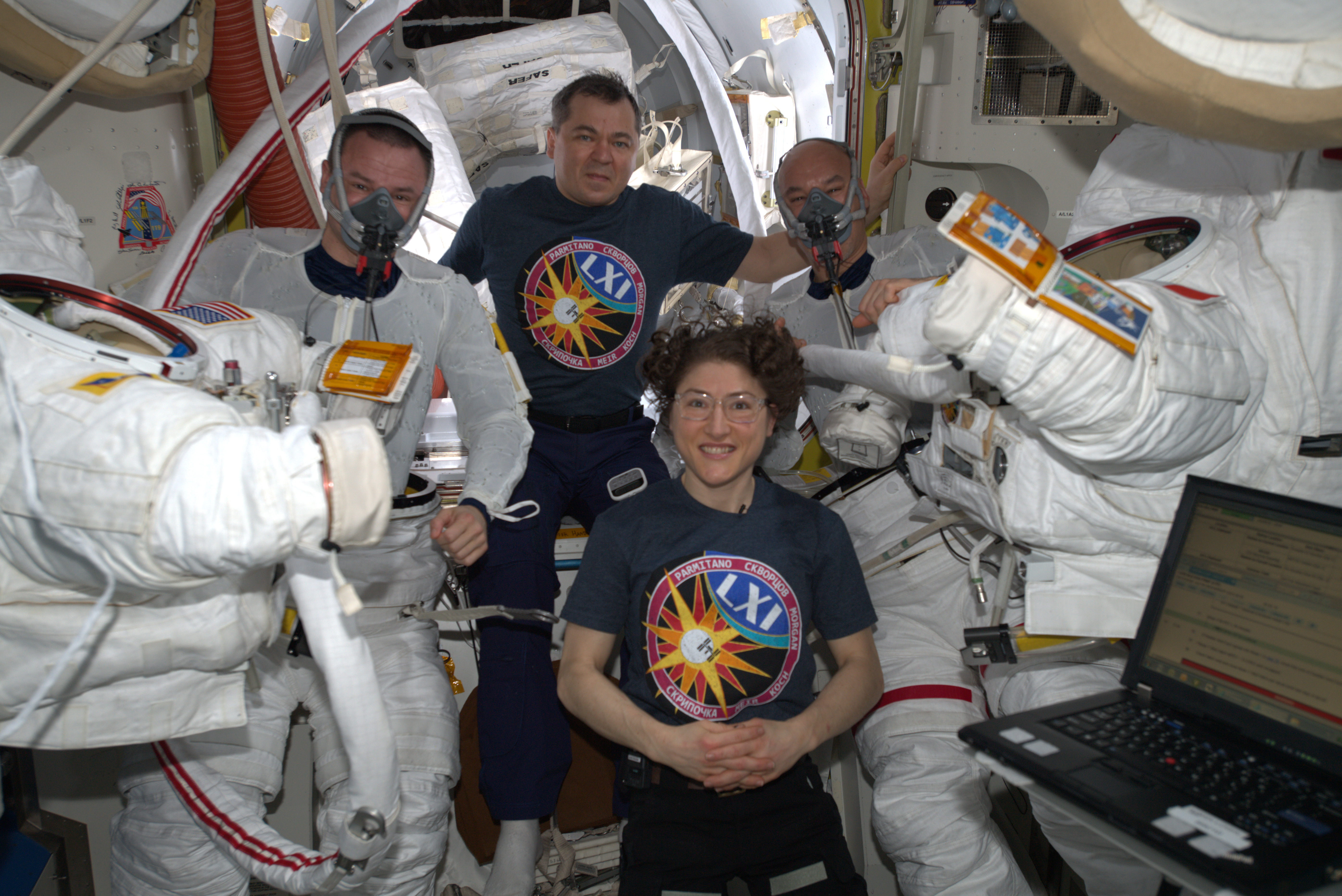
Preparing for the second spacewalk to service AMS-02. ESA/NASA.
After two spacewalks during which Luca and Drew removed the instrument’s debris shield and cut tubes in preparation to install the new cooling system, this spacewalk is named “The Money Run”. It will see the duo connect the Upgraded Tracker Thermal Pump System (UTTPS) to extend AMS-02’s life in space.
The spacewalk will start at around 12:50 CET (11:50 GMT) when Luca and Drew exit the Quest airlock and is expected to take around seven and a half hours.
The entire spacewalk will be streamed live on ESA Web TV. Coverage starts at 12:15 CET (11:15 GMT) and spacewalk commentary will be provided by NASA. Regular updates will also be posted via @esaspaceflight on Twitter.
Identifying astronauts
As lead spacewalker – a position known as EV1 – Luca will once again wear the American EMU spacesuit with red stripes. His partner Drew is EV2, will wear the white suit with no stripes. They will be supported by NASA astronauts Christina Koch and Jessica Meir who will operate the Canadarm2 robotic arm from inside the Station to move Luca to the worksite.
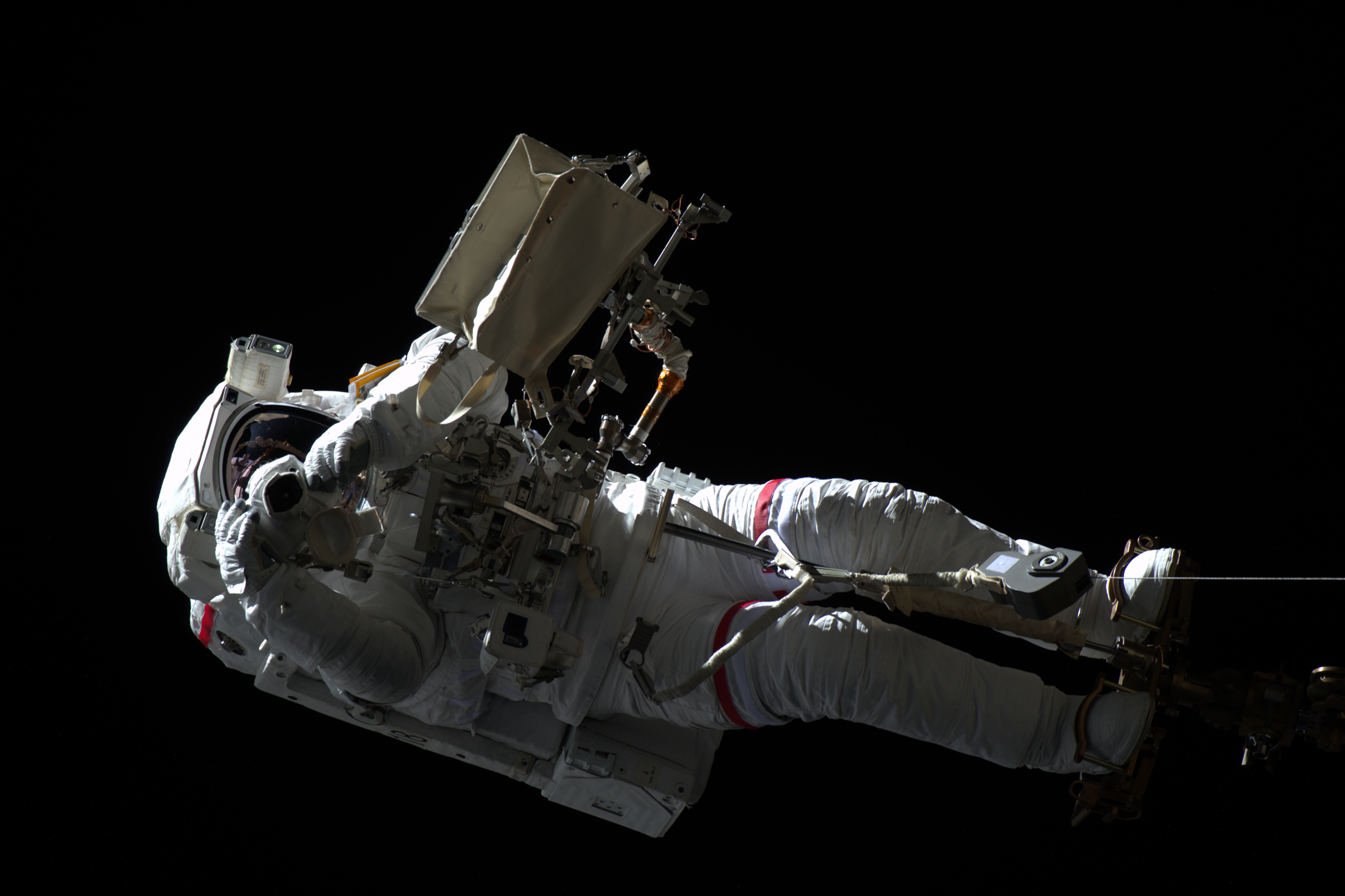
As lead spacewalker, EV1, Luca wears the white EMU spacesuit with red stripes. ESA/NASA.
The task ahead
While every spacewalk in the AMS-02 series holds its own set of challenges, this third spacewalk is particularly significant. This is when Luca and Drew will bring the new AMS-02 pump system out of the airlock and install it on AMS itself.
Once Luca has connected the eight tubes that were cut during the previous spacewalk to the new pumps, engineering teams on the ground will be able to pressurise the upgraded pump system. This will mark the completion of AMS servicing, with one final spacewalk expected to check for any leaks and ensure all is working as expected.
Below is a rough schedule of tasks Luca and Drew will perform during the third spacewalk for AMS. All times are in CET:
| Begin spacewalk preparation | 08:00 |
| Start ESA Web TV coverage | 12:15 |
| Begin airlock depressurisation | 12:30 |
| Exit the airlock | 12:50 |
| Move new pump system from airlock to robotic arm | 13:05 |
| Luca rides on robotic arm | 13:35 |
| Start attaching new AMS pump system | 14:10 |
| Luca moves to the second worksite by robotic arm | 14:55 |
| Begin connecting first six fluid tubes to new pump system | 15:30 |
| Move to third worksite by robotic arm (Luca) | 17:10 |
| Begin connecting final two fluid tubes | 17:40 |
| Luca returns to airlock by robotic arm | 18:40 |
| Re-enter the airlock | 19:55 |
| Hatch closure and repressurisation | 20:15 |
Learn more
Find out more about the tasks Luca and Drew carried out during their second AMS spacewalk on Friday 25 November in this blog post.
The ESA Web TV replay of the first AMS spacewalk featuring commentary from ESA experts Frank De Winne, Hervé Stevenin, Andrea Boyd and German AMS-02 project lead and astrophysicist from RWTH Aachen University Stefan Schael, as well as input from the European laboratory for particle physics CERN and principal investigator Samuel Ting, is available to view on demand.
You can also learn more about what it takes to prepare for a spacewalk in episode five of the Beyond mission podcast ESA Explores.
[iframe title=”Beyond Series – Spotlight on spacewalking E05″ src=”https://www.podbean.com/media/player/hp7uv-c3574c?from=usersite&skin=1&share=1&fonts=Helvetica&auto=0&download=1&version=1″ height=”122″ width=”100%” style=”border: none;” scrolling=”no” data-name=”pb-iframe-player”]
]]>[iframe title=”Beyond Series – Fit for space E06″ src=”https://www.podbean.com/media/player/wv4hv-c8e191?from=usersite&skin=1&share=1&fonts=Helvetica&auto=0&download=1&version=1″ height=”122″ width=”100%” style=”border: none;” scrolling=”no” data-name=”pb-iframe-player”]
In episode six of the Beyond mission podcast, ESA Explores, we discuss why exercise is important at every stage of a space mission and how astronaut health is supported by teams and technology on Earth.
Our interviewees are exercise team lead for ESA Nora Petersen and biomedical engineer for ESA Beate Fischer.
Nora and her team of exercise specialists at ESA’s astronaut centre in Cologne, Germany work to provide optimal physical support to European astronauts. She explains the need to equip astronauts with the knowledge and skills to exercise autonomously while on Station, but also while training all around the world as – when ESA astronauts are not in space – they’re not always in Europe. She also touches on what exercise might look like during future missions to the Moon and Mars.
In the video below ESA astronaut Thomas Pesquet demonstrates exercise equipment on the International Space Station during his Proxima mission.
As a biomedical engineer for ESA, Beate is an advocate for astronaut health and wellbeing. She and her team work to ensure astronauts have a balanced workload while on the International Space Station with sufficient free time, lunch breaks and opportunities to spend downtime with other crewmembers. ESA’s biomedical engineers also keep an eye on environmental data such as CO2 levels on Station and ensure astronauts have a healthy environment in which to live and work.
One tool that helps Beate and her team in this is an app called Everywear. In the podcast she explains how this is being used as a nutritional tracker for astronauts as well as a way to protect medical data and collect information for researchers on the ground.
Tune into the ESA Explores podcast via all major podcast platforms including Spotify, Apple Podcasts, Stitcher and Podbean. You can also listen to ESA Explores via ESA’s Soundcloud channel.
]]>This second spacewalk in the AMS series will see Luca Parmitano and Drew Morgan exit the Station to complete four main stages: setup, preparing and accessing the worksite, tube cutting and clean-up.
12:00 The crew is starting to move Luca and Drew into the Quest airlock, where they will begin the process of depressurisation. Before they head out into space they “prebreathe” to purge their bodies of nitrogen. Luca and Drew have been breathing pure oxygen for two hours – their bodies will no longer have any nitrogen.
12:18 Ground teams give the GO for depressurisation. Inside the International Space Station the astronauts live in air at pressures similar to on Earth. Astronauts go through a depressurisation process before going into outer space – their spacesuits work at a third of the Space Station’s atmospheric pressure.
12:25 The hatch between the crewlock and equipment lock of the Quest airlock is now closed. Once sealed inside the Quest airlock, the pressure is decreased. This takes about 30 minutes.
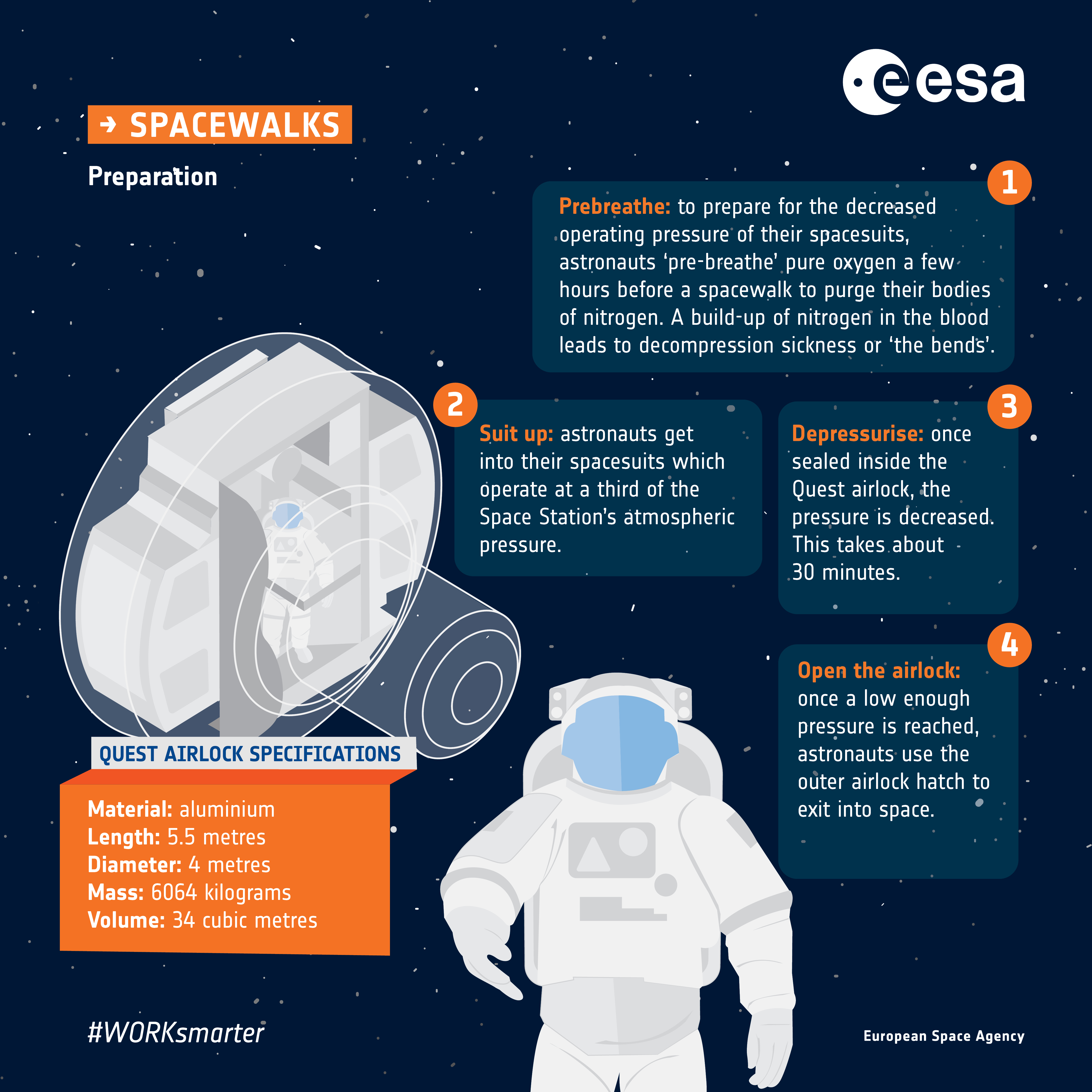
Preparing for a spacewalk infographics. Credits: ESA
12:44 Leak check completed.
13:02 Switching to battery power for the suits/
13:15 Hatch is open with Luca exiting the Space Station first.

Credits: NASA
13:20 Luca reaches the Space Station’s robotic arm for his ride to the AMS-02.
13:29 Luca starts his ride on the end of Canadarm2 to the AMS-02 worksite.
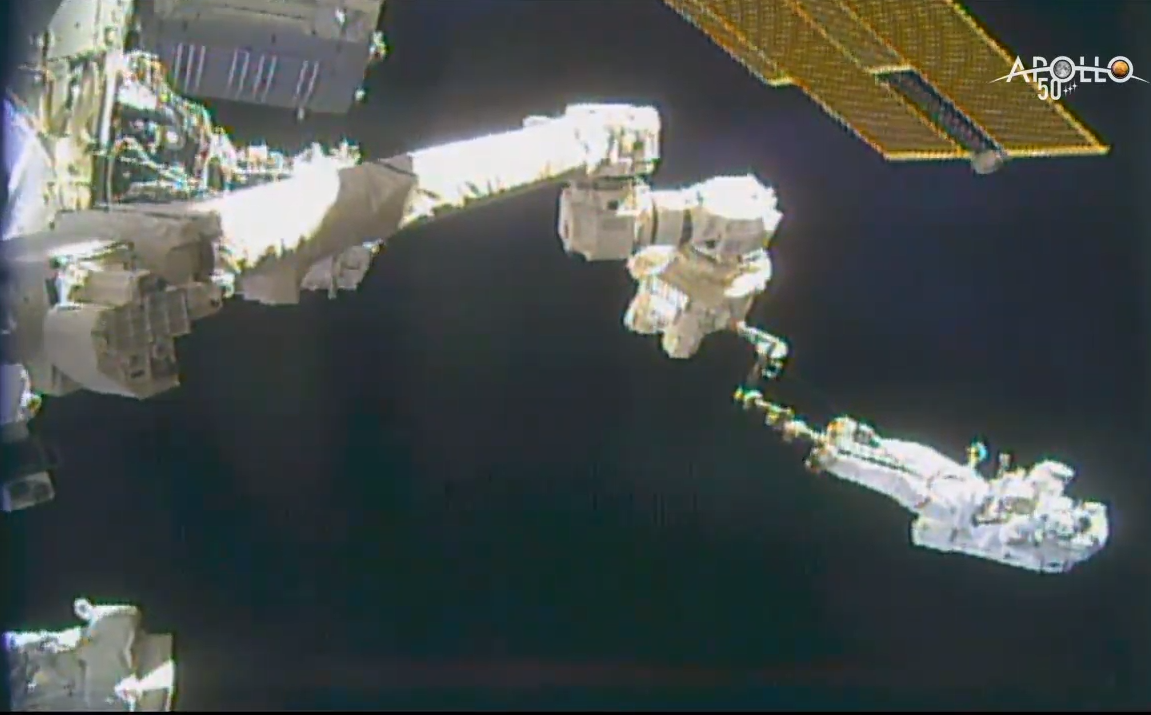
Credits: NASA
13:55 Luca arrives at AMS-02.
14:10 Working on removing cable ties for the Power Cable Preparation task. Luca exposes the power cables that will eventually power the Alpha Magnetic Spectrometer.
14:24 First task of the day complete: power cables exposed.

Credits: NASA.
14:55 NASA astronaut Jessica Meir positions Luca into optimum position with the help of the Station’s robotic arm.
15:00 Luca prepares for the next task: installing the Mechanical Attach Device (MAD).
15:10 Spacewalk gloves check.
15: 17 Using the pistol grip device to install the MAD. This will hold the upgraded thermal tracker pump system to be installed during the next spacewalk.
15:40 Repositioning to start the second task of the spacewalk – cutting the current CO2 line that has been cooling the AMS. Find out more about this action in this blog entry.
16:15 First depress cut complete. The old AMS cooling system has been permanently disabled in preparation for the new one.

Credits: NASA.
16:35 A second cut was needed to make the pressure drop quicker.
16:50 Third of eight cuts in today’s spacewalk.
17:05 Sixth out of eight tubes cut.
17:30 Luca and Drew clean up and prepare to move to the next area.
17:44 Luca moves to the other side of AMS-02 to cut two more tubes.
18:05 Luca arrives at the new work site and starts removing insulation to access the tubes.
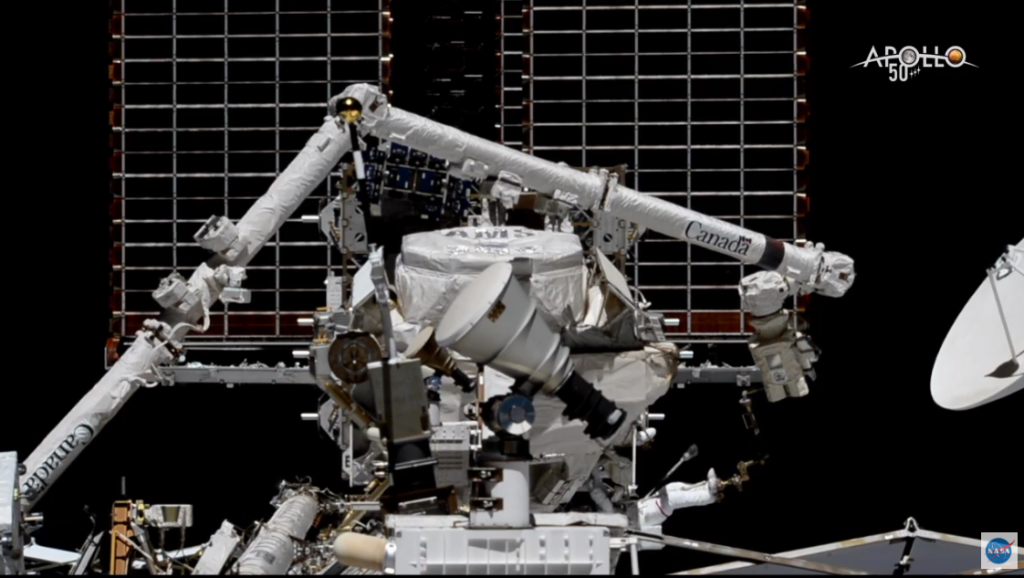
Luca’s feet visible around the new work site. Credits: NASA
18:20 The last two tubes are cut. All eight complete.
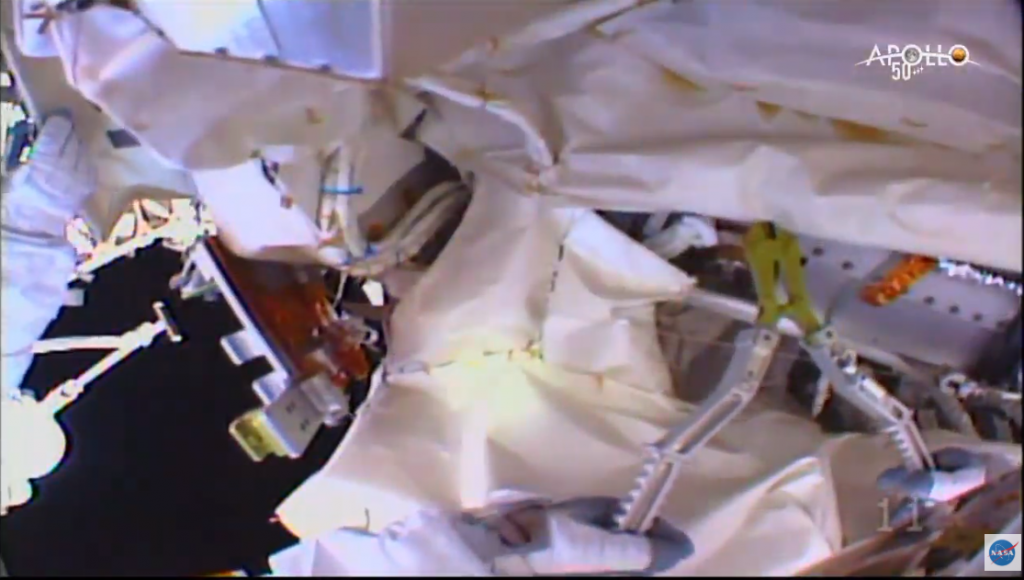
18:39 Mission control: “That wraps it up Luca. Take yourself home”. Luca and Drew complete capping the tubes and start to clean up.
19:10 Luca arrives back at the airlock on the robotic arm
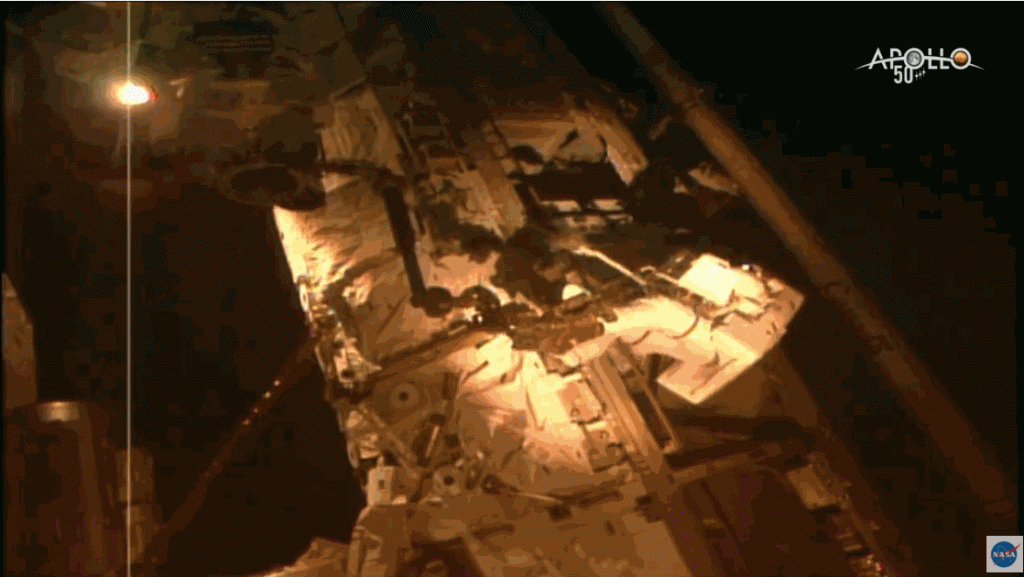
19:29 Luca and Drew are inside the airlock and preparing to close the hatch.
19:33 Hatch is closed.
19:36 After six hours and 33 minutes the spacewalk is officially over as the Quest airlock is repressurised.
20:00 The inner hatch of the Quest airlock is opened by Oleg and Christina.
20:18 Oleg and Christina start to remove the EMU spacesuits from Luca and Drew.
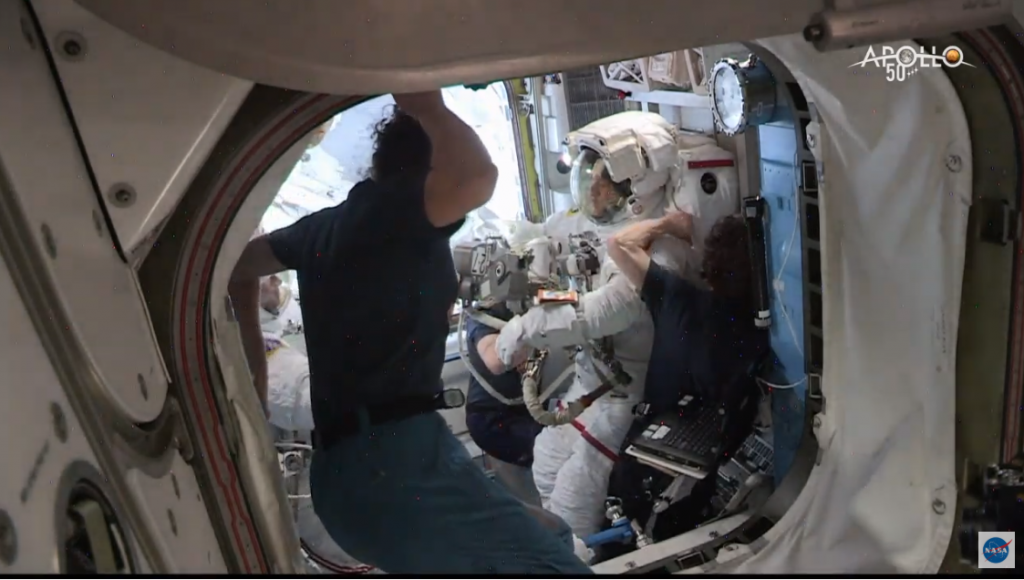
Credits: NASA
20:30 Coverage ends after a spacewalk completing all tasks. Next spacewalk for AMS-02 planned for 2 December 2019.
]]>
In their first AMS spacewalk, Luca and Drew managed to complete just under two hours’ worth of tasks that were scheduled for spacewalk number two. As they have already broken the carbon fibre cover of the Vertical Support Beam (VSB) and jettisoned this, this task is no longer on the cards for this spacewalk. Instead, the pair will move ahead with cutting a 6mm tube to vent existing CO2 from the instrument’s cooling system and cutting tubes within the VSB that will be rerouted to the new pump components during the next spacewalks.
After exiting the airlock, Luca will begin once again by attaching himself to the Station’s 16-m long robotic arm as Drew ferries equipment by hand along the Station’s exterior to the AMS. Luca’s journey to AMS on the Canadarm2, which will be remotely operated by NASA’s Jessica Meir and Christina Koch inside the Space Station, is expected to take 35 minutes.
Once at the worksite, Luca and Drew will start to prepare the site and power cables and install a Mechanical Attach Device (MAD) to a beam on the AMS. Later in the series, they will attach the Upgraded Tracker Thermal Pump System (UTTPS) to this MAD support structure – this is the new pump/CO2 refill device that will be connected to the cut tubes.
Once the MAD has been installed, Luca will conduct what’s called a “depress cut”. Using a cutter tool he will cut the 6mm fill port tube and wait for around 10 minutes until Mission Control verify a pressure drop in the AMS system. He will then move onto the next stage – cutting six of eight tubes in two locations within the VSB.
This tube-cutting activity is what gave the second spacewalk its name.
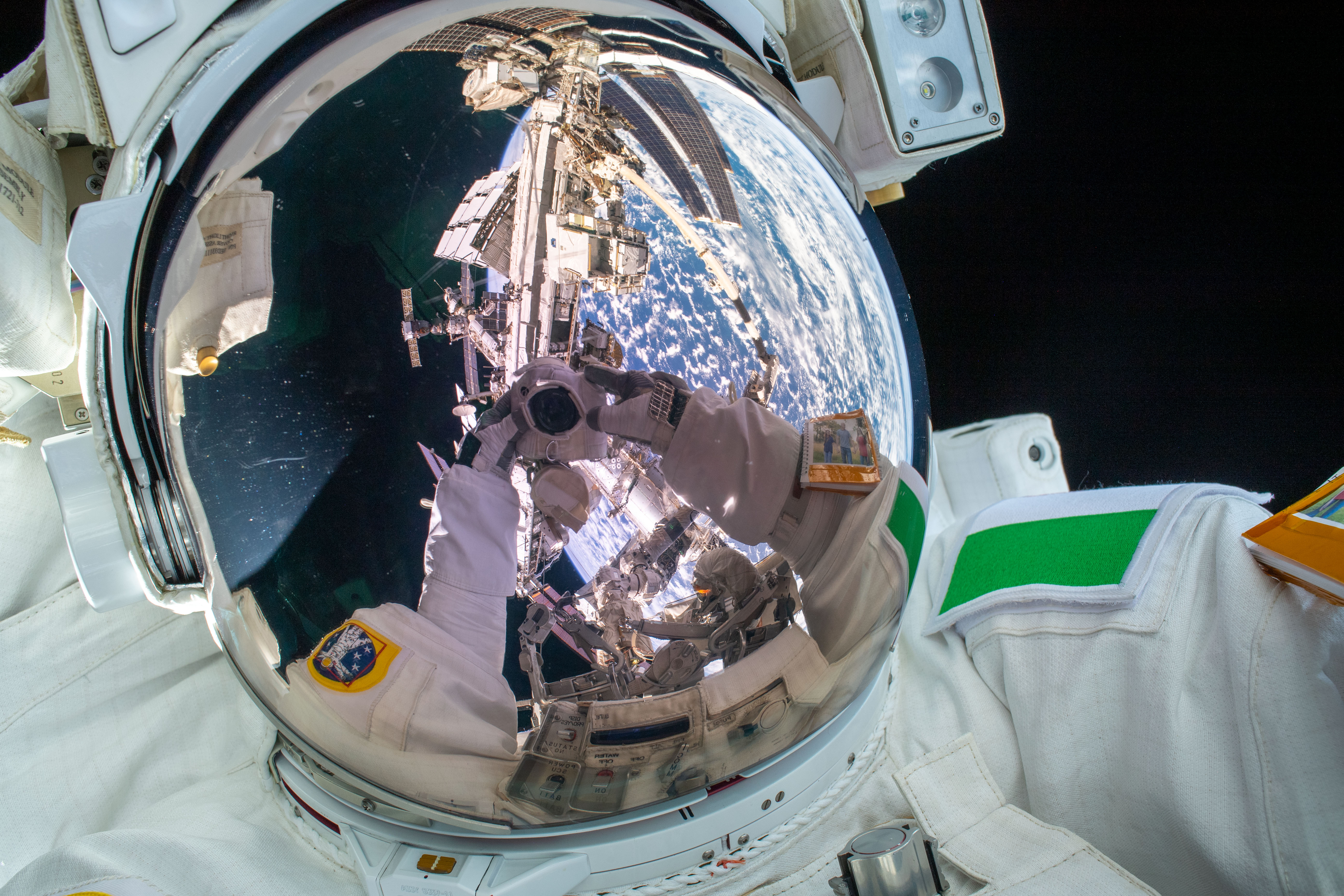
Luca Parmitano takes an out-of-this-world “space-selfie”. ESA/NASA.
To help them in this activity Luca and Drew have other special tools. One of these is a tube cutting guide marked with red and green lines that indicate which tubes should be cut.
Once the tubes have been cut, they need to be pushed back into the VSB. The pair will also need to take photos of the worksite and GoPro video showing the cut tube locations.
Multilayer insultation (MLI) will then be applied to close the VSB. Components will be wrapped up like a burrito and Luca must ensure all vital areas are covered.
Safety precautions
The work that Luca and Drew need to perform in these AMS spacewalks is surgical in nature. The leading role of EV1 is like a surgeon, while EV2 could be compared to a scrub nurse and anaesthesiologist combined. Their task is made all the more difficult by their pressurised suits and gloves and because AMS was never designed for maintenance in orbit, one of the major risks is sharp edges.
Both Luca and Drew must be very cautious to ensure their gloves are not damaged in any way by AMS components or tools. They will check their gloves regularly throughout the spacewalk. Even a small hole in a pressurised spacesuit can cause a big problem, so they will need to remain vigilant throughout the full six and half hours.
The pair will also document their spacewalk and the tasks they carry out by taking photos and videos at every step of the way. This is important for support crews on the ground as they plan the next phase of operations.
Clean-up and return
Once the pair have completed their spacewalk tasks, and any ‘get-ahead’ tasks if time allows, they will proceed with clean-up. This includes carrying out an inventory of the crew lock bags they brought with them to make sure all tools and equipment is accounted for.
Once the duo and mission control are satisfied, our spacewalkers will make their way back to the airlock. As per the first spacewalk, Drew will return along the truss of the Station while Luca will be transported back on the robotic arm.
After his journey on the arm, Luca will recover his first safety line (he also has a second safety line attached to the robotic arm) and make his way back to the airlock.
Reentering the airlock will take around 20 minutes. First in are the crewlock bags containing tools and equipment, followed by Drew and then Luca who will close the thermal cover and then the hatch – marking the end of the spacewalk.
After around six and a half hours of highly concentrated work in open space, the pair will no doubt be relieved to be back inside where NASA astronauts Jessica Meir and Christina Koch will help them out of their suits and into the relative safety of the Space Station.
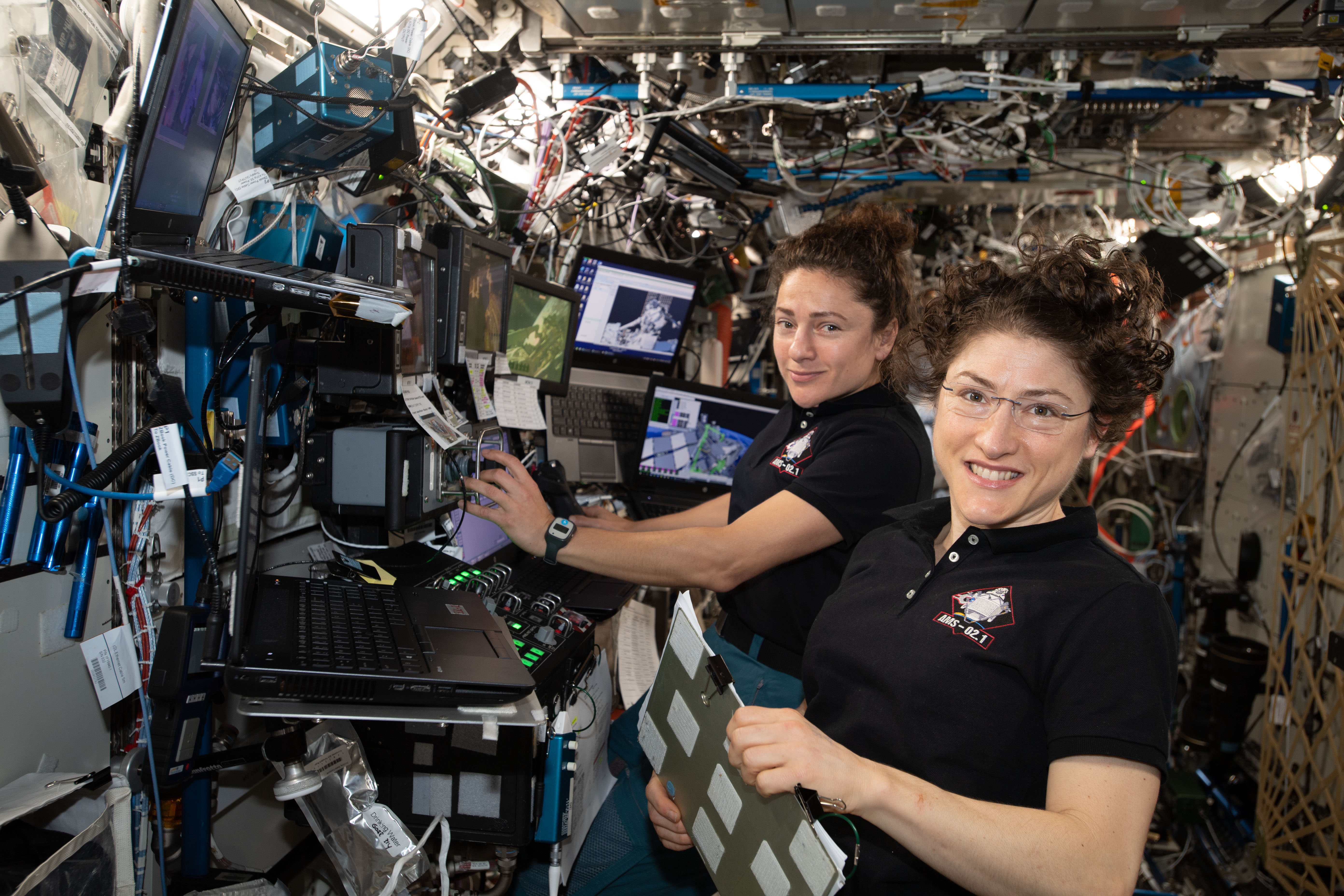
NASA astronauts Jessica Meir and Christina Koch at the robotics workstation controlling the Canadarm2 robotic arm. NASA.
Watch live
You can watch the entire second AMS spacewalk live on ESA Web TV from 12:30 CET (11:30 GMT) with commentary from NASA. As EV1, Luca will be wearing a white suit with red stripes, while Drew will be in an all-white spacesuit.
You can also follow the action on Twitter via @esaspaceflight where we’ll be tweeting throughout the spacewalk and ask any questions using the hashtag #SpacewalkForAMS.
Below is a rough timeline of events for the second spacewalk. Please note, all times are in GMT.
| Preparation starts for second spacewalk | 07:00 |
| Airlock depressurization starts | 11:30 |
| Live coverage starts | 11:30 |
| Exit the airlock | 11:50 |
| Luca starts ride on robotic arm | 12:10 |
| Work start on preparing power cable | 12:45 |
| Cutting tubes starts | 14:15 |
| Removing insulation material | 16:45 |
| Robotic arm takes Luca back to airlock | 17:30 |
| Return inside airlock | 18:15 |
| Hatch closure and repressurisation | 18:45 |
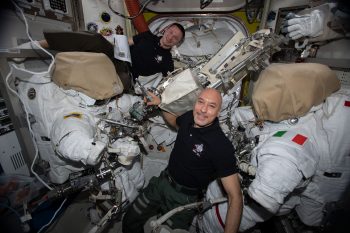
Drew and Luca by their spacesuits on the International Space Station. Credits: ESA/NASA
ESA astronaut Luca Parmitano and NASA astronaut Drew Morgan will exit the International Space Station on Friday 15 November on a spacewalk to service the anti-matter hunter AMS-02. A carefully planned and detailed affair, all spacewalks require coordination and lots of work from many people on ground. The four spacewalks for AMS-02 are exceptionally difficult as the bus-sized facility was never designed to be maintained in space.
The cooling pumps for AMS-02 are failing and without them it will no longer be able to collect data on the cosmic rays that are bombarding our planet. The first question spacewalk designers had to answer was “is it even possible?”
Spacewalk to remove cover and prepare worksite
The six-hour spacewalk needs to be thought through in detail and is choreographed minutely. Every detail, down to the order in which tools and equipment are attached to the astronaut’s suits is worked-out in advance.
All spacewalks start with “prebreathing” for up to two hours. The pressure inside Luca and Drew’s so-called EMU suits is kept lower than the Space Station atmosphere which is pressurised at sea level – this is to make it easier to move the spacesuit, the lower the difference in pressure the less the astronauts will need to exert themselves. Similar to scuba divers, astronauts would suffer from the ‘bends’: quickly changing pressure can turn the nitrogen in human bodies into bubbles with serious symptoms. To avoid this, astronauts breathe pure oxygen to purge their bodies of nitrogen.
NASA astronauts Jessica Meir and Christina Koch will help the spacewalkers into their suits, which is an ordeal in itself in weightlessness. Once suited up the duo will enter the Quest airlock and begin lowering the pressure. When they open the outside hatch, scheduled for 13:10 CET (12:10 GMT), their spacewalk will officially begin.
Outside
Once out of the airlock the first task is to do a ‘buddy-check’ to ensure all equipment is as it should be and to orient themselves in this new environment. The astronauts must always be tethered to specific Space Station supports, much like rock climbers or cave explorers.
They frequently check their suits and especially their gloves that are the most fragile and come into contact with the most objects. Even a small hole in a pressurised spacesuit in space is not a good idea. This is of special concern for the AMS spacewalks as the facility was not designed for in-orbit maintenance so has small and potentially sharp edges.
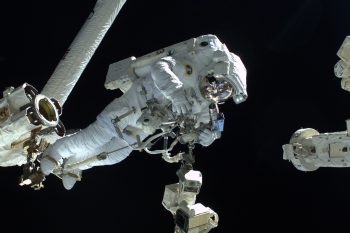
Luca strapped to the end of the Station’s robotic arm during his spacewalk in July 2013. Credits: ESA/NASA
Luca and Drew will separate and find their own way to AMS. Luca will attach himself to the 16-m long robotic arm Canadarm while Drew will ferry handrails and equipment to AMS by hand – literally using his hands to move along the Space Station’s exterior.
Luca will install foot restraints to slip into and then wait for Jessica to operate the arm from inside to move him over the Space Station for a wild ride to the AMS-02.
Removing the debris shield
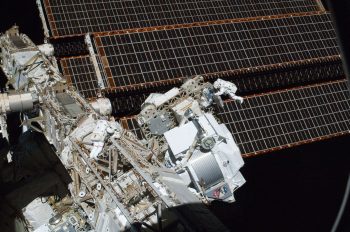
Newly installed AMS-02 in May 2011 with spacewalkers. The debris shield that Luca will remove is visible bottom-right with AMS logo. Credits: NASA
Getting Luca to AMS will take over an hour, when he arrives Luca will start removing the debris shield on AMS that protects the facility from any micro-meteorites that might hit it. Removing the shield will take roughly three hours and is the main task for this spacewalk. As Luca works, Drew will make multiple trips back and forth from the airlock with tools and equipment.
Luca will install a hand-rail to help hang on to the shield before removing about over a dozen fasteners to release the debris shield. Great care must be taken to avoid losing the fasteners. At orbital speeds of 28 800 km/h even small flecks of paint can cause major damage to a spacecraft.
Drew will install a foot restraint near the AMS so he too will have his hands free to take the debris shield once it is removed. Drew has the honour of literally throwing the debris shield away in a controlled manner for it to slowly lose altitude and burn up harmlessly in our atmosphere. Returning the large debris shield inside the Space Station is not practical.
Roughly four hours after the start of the spacewalk the duo will install three more handrails for better access in the next series of spacewalks.
At around the five-hour mark the spacewalkers will start cleaning up and return to the airlock, expected to be around 19:30 CET (18:30 GMT).
Back inside
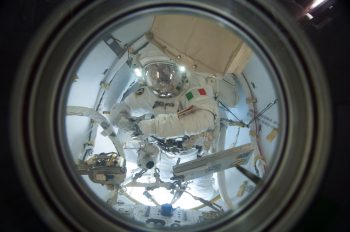
Luca in the Quest airlock during 2013 spacewalk. Credits: ESA/NASA
All these operations will take around six hours. For all this time there will be no food and no toilet break. Water is supplied in a pouch with a drinking straw. The work is tiring as the astronauts fight against the pressurised suit that becomes stiff in the vacuum of space. A spacewalk is a test of patience and alertness.
Throughout the spacewalk they will check their suit and especially their gloves for wear and tear. Every 90 minutes the Space Station orbits Earth so Luca and Drew will be continuously working around half the time daylight the other half in complete darkness. The spacesuits have lights for the dark moments, but as the Sun rises it can be blinding for a few seconds.
Jessica and Christina will be waiting to welcome them and help them out of their suits.
Watch live
Live coverage starts at 12:50 CET (11:50 GMT). The spacewalkers can be recognised by a red stripe on the suit. Luca will be “extravehicular crew member 1” or EV1 wearing a suit with red stripes while Drew will be EV2 in an all-white spacesuit. Follow the spacewalk on Twitter from @esaspaceflight.
]]>In a special live transmission between ESA’s astronaut centre in Cologne, Germany, and the European laboratory for particle physics CERN in Switzerland, experts will provide commentary and insight into what is being described as the most complex series of spacewalks since the repair of the Hubble Space Telescope. Coverage of the entire spacewalk, including the opening two hours of expert commentary, will be streamed live on esawebtv.esa.int
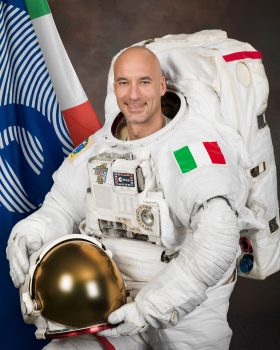
Luca poses for his official portrait in a US spacesuit at NASA’s Johnson Space Center. Credit: NASA.
Luca and his spacewalking partner NASA astronaut Andrew Morgan will exit the Space Station airlock at around 13:05 CET (12:05 GMT) equipped with special tools designed to maintain the cosmic-ray-detecting Alpha Magnetic Spectrometer AMS-02.
It is the first of at least four spacewalks the pair will perform to upgrade AMS-02’s cooling system and extend the experiment’s life.
As the lead spacewalker, known as ‘EV1’, Luca will wear a white spacesuit with red stripes while Andrew wears a white spacesuit with no stripes.
The pair will be supported by NASA astronauts Christina Koch and Jessica Meir who will operate the Canadarm2 robotic arm from inside the Station. This will help position Luca at to the hard-to-reach work site, located on top of the Station’s S3 Truss structure between a pair of solar arrays and radiators.
Speakers:
Speakers at the European astronaut centre include ESA ISS Operations and Astronaut Group leader Frank de Winne, Head of ESA EVA Training Unit Hervé Stevenin, ESA Eurocom Team Coordinator Andrea Boyd and Stefan Schael, German AMS-02 Project lead and astrophysicist from RWTH Aachen University.
These speakers will be supported by scientists at CERN and a special pre-recorded interview with particle physicist and Nobel Prize winner Samuel Ting.
Viewers are encouraged to tweet their spacewalk questions to @esaspaceflight or @cern using the hashtag #SpacewalkForAMS. The live event will also be streamed via ESA’s Facebook page and CERN’s social channels.
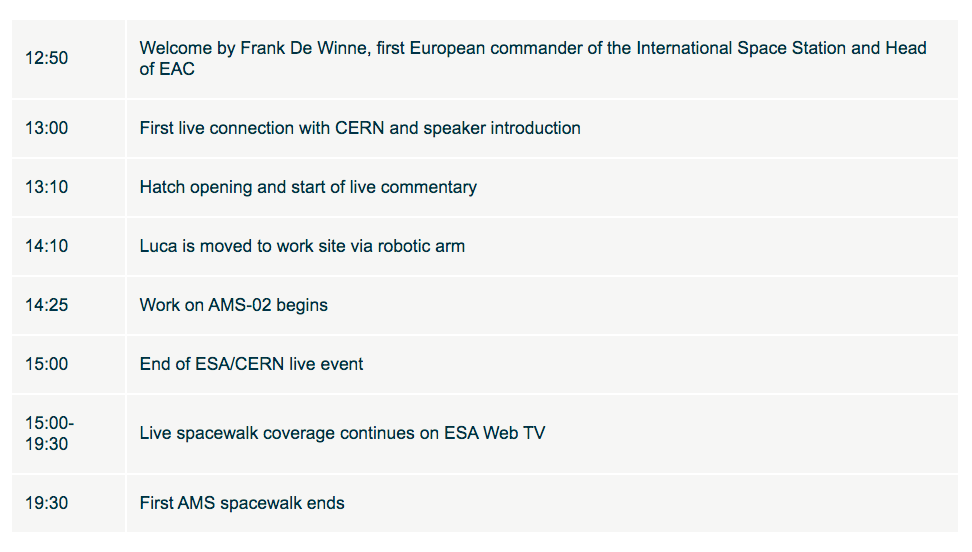
Programme:
[iframe title=”Beyond Series – Spotlight on spacewalking E05″ src=”https://www.podbean.com/media/player/hp7uv-c3574c?from=usersite&skin=1&share=1&fonts=Helvetica&auto=0&download=1&version=1″ height=”122″ width=”100%” style=”border: none;” scrolling=”no” data-name=”pb-iframe-player”]
Head of ESA’s EVA and parabolic flight training unit Hervé Stevenin is a spacewalk instructor for European astronauts and leads the team that develops and implements spacewalk training at ESA’s astronaut centre in Cologne, Germany. He has more than 20 years’ experience in astronaut training and providing operational support for astronauts, and has received extensive astronaut training himself – including in both the American and Russian spacesuits. We brought him in to tell us more about how astronauts prepare before flying to the International Space Station.
Listen in and find out more from Luca about the suit he’ll wear when he steps into space.
ESA Explores is available via all major podcast platforms including Apple Podcasts, Spotify, Stitcher, Podbean and SoundCloud. Subscribe to stay up-to-date as episodes are released and watch this space for bonus Italian episodes coming soon.
]]>For eight days the International Space Station operated at full capacity with nine astronauts. With the extra set of hands in space the science teams on Earth got busy scheduling the astronauts’ days to get the most research time out of their time in orbit.
 United Arab Emirates astronaut Hazzaa Al Mansoori completed a number of experiments for European researchers, adding more data to the pool of results. Just a day after arriving, Hazzaa set up the Fluidics experiment that consists of two transparent spheres containing liquid that can mimic satellite fuel tanks as well as help researchers understand ocean currents.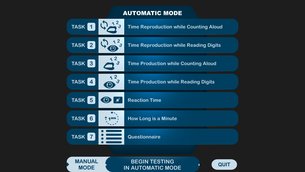
Time probably flew for Hazzaa who has already returned to Earth alongside NASA astronaut Nick Hague and Russian commander Alexei Ovchinin in Soyuz MS-12.
EveryWear is everywhere
The astronaut app EveryWear was developed for Thomas Pesquet’s Proxima mission in 2016, and it is now a useful aid for recording all kinds of scientific data. On 2 October, ESA astronaut Luca Parmitano and NASA astronaut Drew Morgan wrapped up their third and last session of the Acoustic Diagnostics experiment. The session needed to be scheduled on their 80th day in space. Similar to the Time experiment but with sound, the astronauts wore headphones and answered questions on what they heard using the EveryWear app. The experiment will assess how hearing is affected in weightlessness as well as measure background noise on the International Space Station. Listen to this episode of ESA’s Beyond podcast for more on sounds in space:
Luca and Drew also did a second session for Grip, both in a seated and standing position. This experiment monitors how astronauts’ brains assess grip force when reaching for an object.
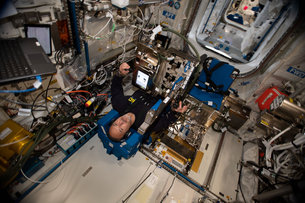
Linked to bone loss is the EDOS-2 experiment, Russian cosmonaut Alexander Ovchinin did a third and final in-flight session by taking samples of his blood. In true International Space Station style, NASA astronaut Christina Koch put the samples into the Station’s –80°C European-built freezer where they will stay until they are returned to Earth for analysis. Astronauts lose up to 1% of their bone mass each month they stay in space – a form of advanced osteoporosis – and finding way to limit this is important for further exploration. For researchers, having a pool of healthy subjects to study that experience acute osteoporosis is a fascinating opportunity, as osteoporosis on Earth takes years to develop and is harder to study.
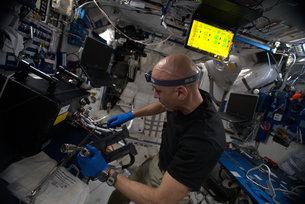
On 10 October Russian Cosmonaut Alexander Skvortsov set up Europe’s Electromagnetic levitator so ground control could programme it ahead of another batch of melting and solidifying metals in microgravity. This facility is helping understand the deeper secrets of metallurgy and space-age alloys.
Constant monitoring

Luca also did periodic check of the DOSIS-3D radiation monitors dotted around the Space Station. These devices are charting radiation throughout the outpost to understand how to best protect astronauts from cosmic rays in the next generation of spacecraft.
Outside the Space Station, the space storm-hunter ASIM continues to track lightning events above thunderclouds while the Vessel-ID antenna monitors global marine traffic. The receiver underwent a “periodic maintenance powercycling performed by deactivation and reactivation of SUP1 J03 outlet” on 9 October, in other words, it was turned off and on again. Even in space it is good practice to try turning it off and on again.