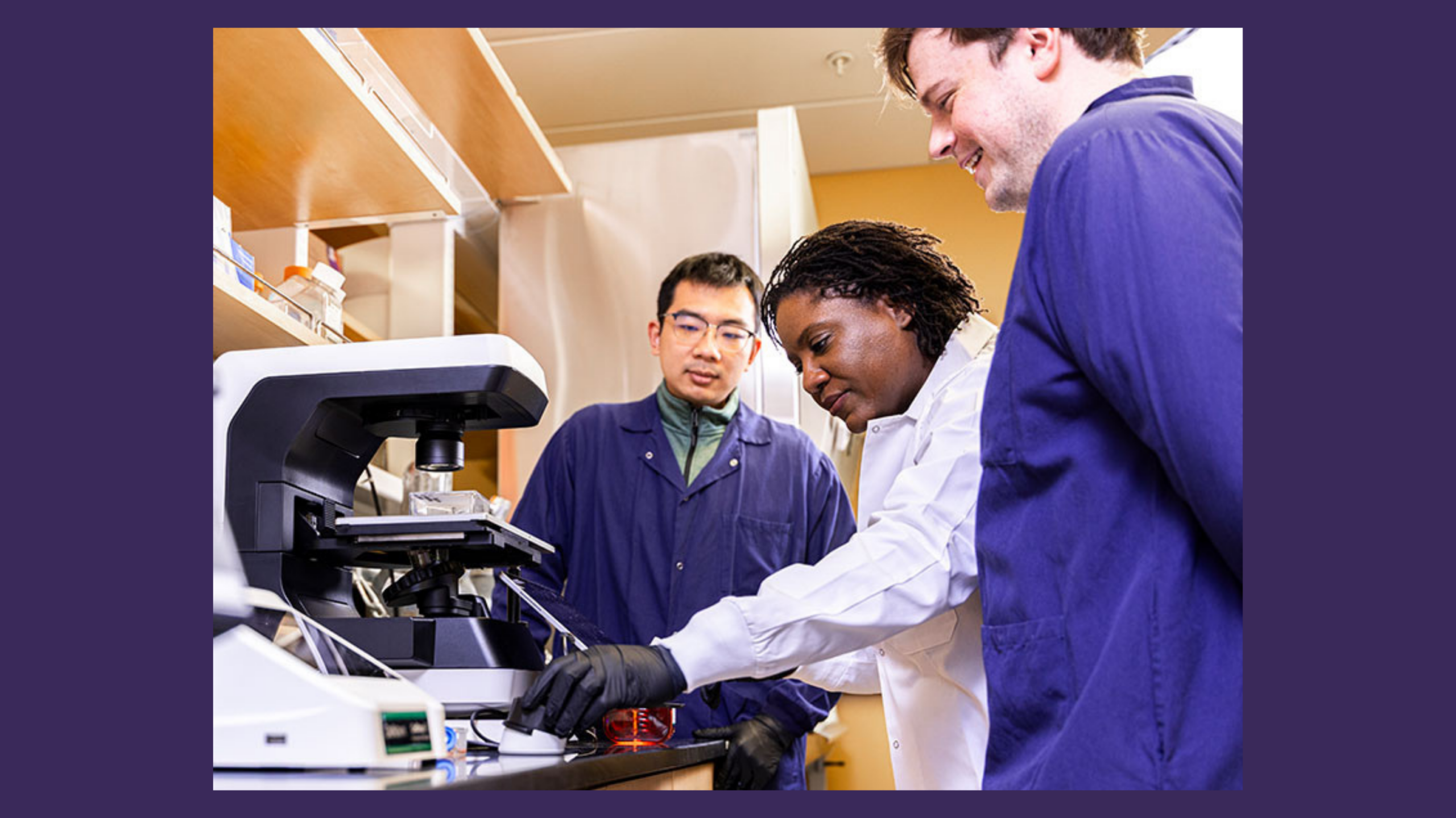
 As part of the inaugural round of Engineering Program Enhancement Fee investments, the UW College of Engineering is funding upgrades to Bioengineering’s instructional wet lab. The project will benefit approximately 500 students each year across multiple departments by expanding access to updated equipment and strengthening the hands-on learning experiences that help prepare students for careers in engineering, medicine and biotechnology. Every undergraduate in the department uses the lab while earning their degree.
Students learn fundamental subjects in the lab, such as the diagnosis of disease or genetic risk by analyzing blood or tissue, the physics behind medical devices, and the chemical processes that drive life. Improvements to the lab will give students access to state-of-the-art tools that they will use throughout their careers in medicine, research, and industry. New equipment will include an incubator to grow cell cultures for study and experiments, a miniPCR machine to replicate DNA, and a fluorescent inverted microscope to observe cells and tissue.
The investment will also be used to build a Biosafety Level 2 (BSL-2) space for engineering students. BSL-2 safety cabinets are required when working with human cells, pathogens, and other materials in order to reduce researchers’ health risks. BSL-2 and mammalian cell culture skills are among those most frequently sought by bioengineering employers.
“The majority of our students are initially attracted to bioengineering by the medical advances generated by modern wet-lab research. Access to state-of-the-art technology and techniques not only provides career-building experience that is traditionally gained only through research in faculty laboratories, it also builds a technical foundation that our graduates will build on when designing next-generation medical instrumentation,” said Professor Christopher Neils, a leader in experiential learning and design-based courses.
The plan for the lab updates was developed by Niels, Professor Patrick Boyle, Facilities and Instructional Lab Operations Manager Kristen Hadley, Department Chair Princess Imoukhuede, Director of Finance and Operations Kristin Martinez, and Professor Wendy Thomas.
The updated lab will support Bioengineering’s senior capstone experience, in which student teams design, build, and test devices and processes with the mentorship of faculty or professionals from local companies. The newly renovated space will support a wide range of biological projects. Master of Applied Bioengineering students will complete similar projects in the lab, as will student organizations like the local Biomedical Engineering Society chapter, Bioengineers Without Borders, and the iGEM synthetic biology program.
“We consistently assess and improve our facilities to support the most up-to-date training. Wet lab upgrades are challenging due to cost and unique technology, so this refresh award is particularly valuable,” Neils said. “We are fortunate to have an outstanding space where we can develop a career-oriented setup that serves a broad spectrum of students, courses, and projects.”
This work is supported by the UW Engineering Program Enhancement Fee. Recommended by a committee of faculty leaders and undergraduate students selected by the Engineering Student Council, it is enriching the student experience and expanding hands-on learning for an evolving engineering profession.
“The Engineering Program Enhancement Fee was created to invest directly in opportunities that enhance student learning and success,” said Dean Nancy Allbritton of the College of Engineering. “Projects like this one provide students with access to modern equipment and hands-on experiences that connect classroom concepts to real-world practice. These investments help ensure UW Engineering students graduate with the knowledge, skills, and practical experience needed to make an impact from day one.”
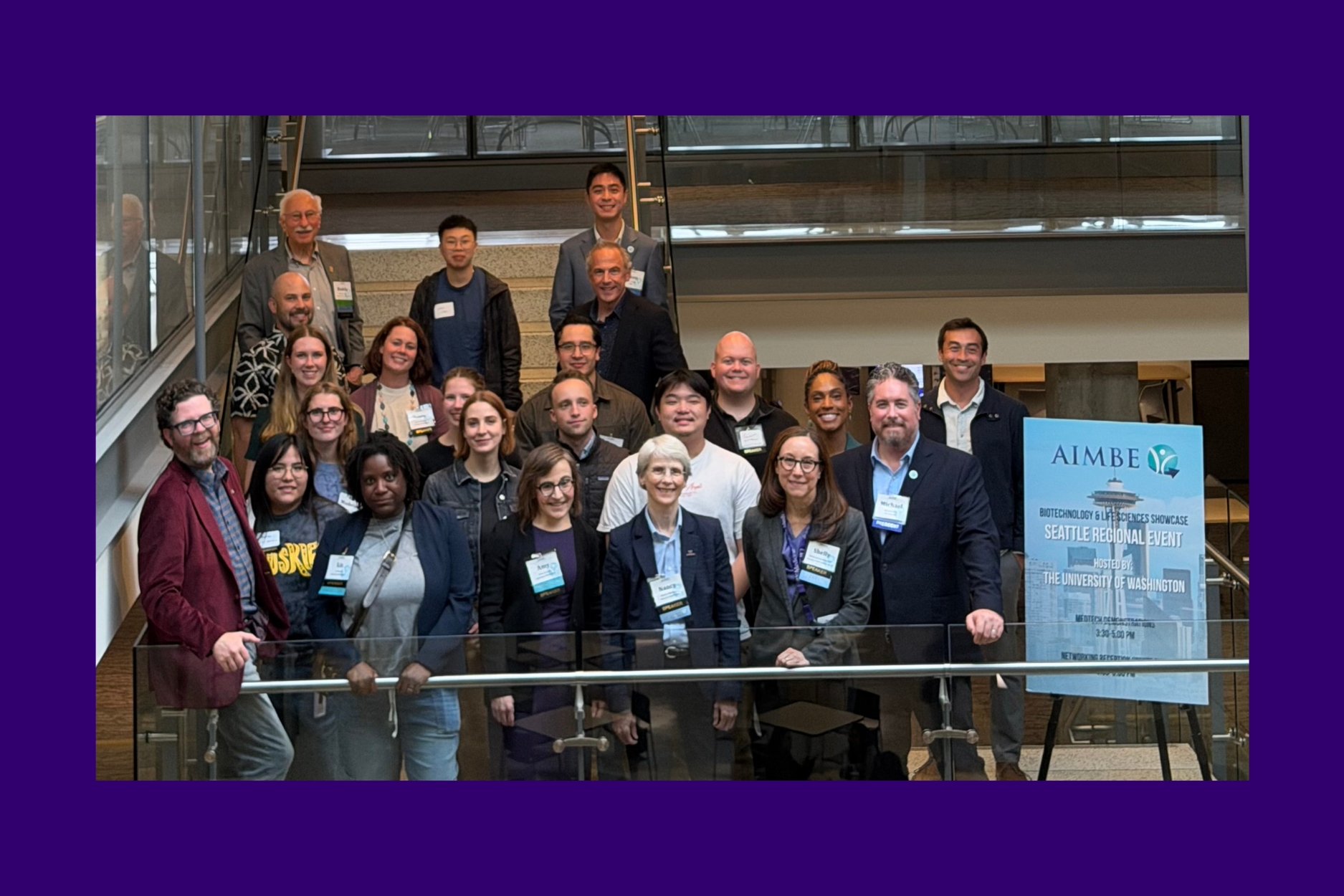 Lawmakers, educators, researchers, and members of the American Institute for Medical and Biological Engineering (AIMBE) took an in-depth look at UW Bioengineering research in early October, during an afternoon visit to campus. AIMBE hosted the event as part of its annual regional advocacy series.
“We were honored to have members of Congresswoman DelBene’s team and Congressman Smith’s team be a part of the day. Our relationships run deep, and the advocacy they provide reminds everyone of our faculty, students, and alumni’s powerful impact,” said Sang Han, Deputy Director of UW’s Office of Federal Relations. AIMBE President Michael King, who is a bioengineering professor at Rice University, attended, as did representatives from the Allen Institute and United Imaging.
Visitors saw a range of new technologies from across the department, such as portable dialysis approaches, imaging to better manage eye disease, biosensors to track the body’s response to drug treatments, point-of-need diagnostic tools, and devices to track how sex-dependent hormonal changes impact tissue regeneration.
“Our regional advocacy events underscore the importance of federal funding on the local economy, universities, and companies. Seattle and the University of Washington are vibrant contributors to a state that has led in medtech and healthcare for decades. This work is crucial, and AIMBE is always pleased to partner with our members to highlight it,” said King said.
More than 35 UW Bioengineering core, adjunct, and affiliate faculty members are AIMBE Fellows and AIMBE Emerging Leaders. Professors Amy Orsborn (an AIMBE Emerging Leader) and Michael Regnier (an AIMBE Fellow) organized the event locally. It also included demonstrations by members of the Department of Mechanical Engineering’s faculty and local startups.
“Some of the best ideas begin with a single conversation, and all of the best ideas are driven by the people we serve throughout the community. Our collaboration with AIMBE on this event supported those conversations beautifully,” said Department Chair Princess Imoukhuede.
Demonstrations and lab tours at the AIMBE regional advocacy event included:
- Atomic-Scale Simulations to Understand Genetic Diseases, Professor Matthew Childers
- Human Mobility and Assistive Robots, Professor Kim Ingraham (Department of Electrical & Computer Engineering)
- Self-Powered Microfluidics: Medication Monitoring at the Point of Need, Professor Ayokunle ?lánrewájú
- Brain-Computer Interfaces to Restore and Rehabilitate Movement, Professor Amy Orsborn
- Portable Dialysis, Professor Buddy Ratner (AIMBE Fellow) and Kuleana Technology, Inc.
- Sensor Systems for Robotics, Medical Devices, and Human-Computer Interaction, Professor Joshua Smith (Department of Electrical & Computer Engineering)
- Cellular Force Measurements for Advancing Human Health, Professor Nate Sniadecki (Department of Mechanical Engineering)
- Bioprinting Human Organs, Professor Kelly Stevens (AIMBE Fellow)
- Optical Coherence Tomography and OCT Angiography for Eye Health, Professor Ricky Wang (AIMBE Fellow)
- Cellular Biosensors to Predict Drug Responses, Professor Elizabeth Wayne (AIMBE Emerging Leader
|
|
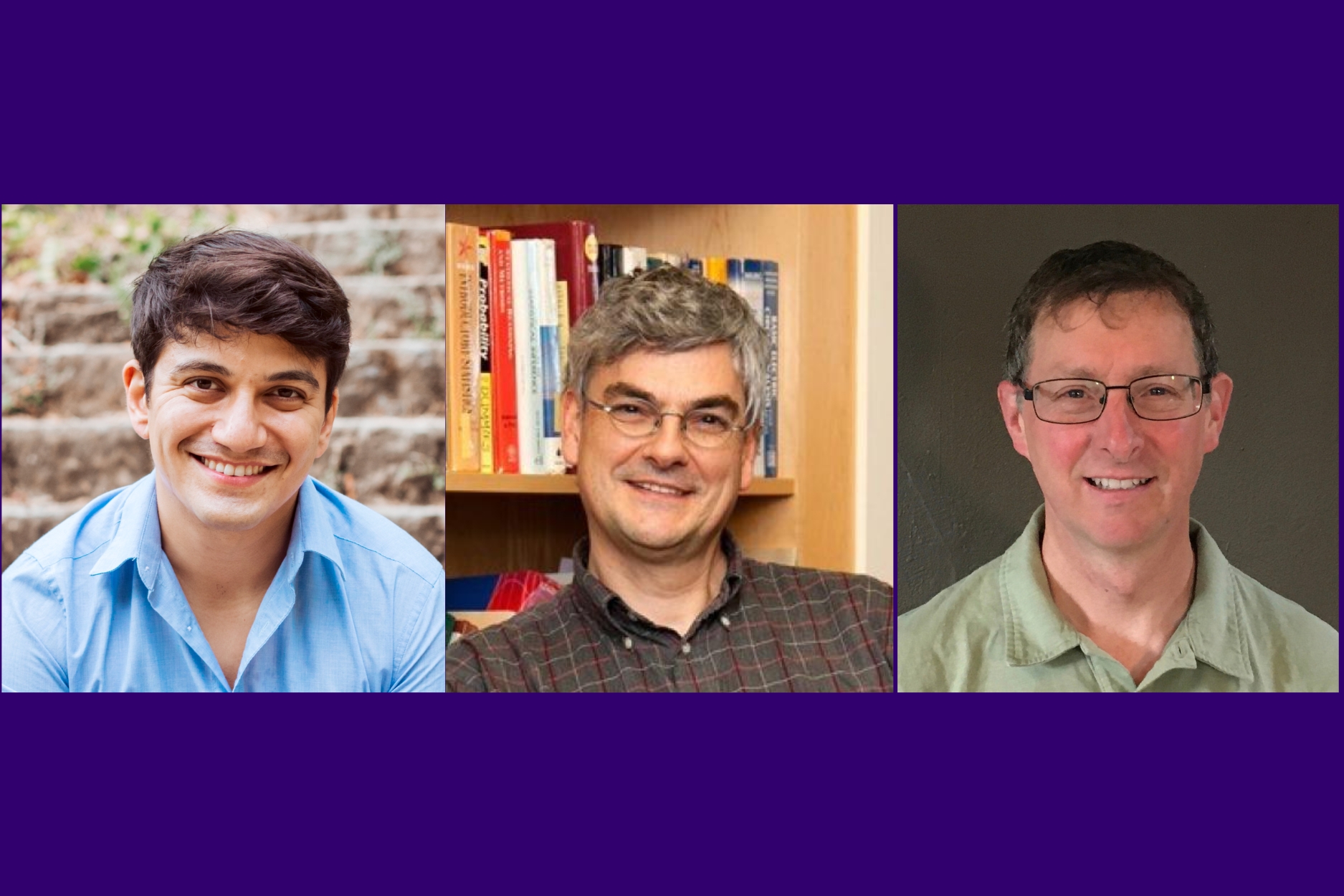
NIH-funded project will expand Smoldyn software to simulate the complex interactions by which cells divide, move, and engulf other materials.
Computer modeling is an important tool in modern cell biology, but it typically requires specialized, custom-built software. No general-purpose simulator currently represents proteins, filaments such as DNA and actin, and dynamic cell membranes within a single framework.
These features are needed to study fundamental biological processes, including the ways cells move, divide, pass on genetic information, and engulf external materials.
UW Bioengineering’s Professor Herbert Sauro, who leads the multi-institutional Center for Reproducible Biomedical Modeling, is part of a team that will add those features to a widely used software platform for the spatial modeling of cellular systems called Smoldyn. The effort is supported by a recent grant from the National Institutes of Health’s National Institute of General Medical Sciences. It includes Steven Andrews, Smoldyn’s principal developer, and Professor Matthew Akamatsu of UW’s Department of Biology.
Smoldyn has been integral to computational biology for more than 20 years. The 2004 paper introducing the software is among the top 10 percent of articles cited within the community, according to OpenAlex. Papers based on models created with Smoldyn appeared in Communications Biology, Journal of Molecular Biology, npj Digital Medicine, and Journal of Computational Chemistry last year alone.
“Herbert and the Smoldyn team are an epicenter of computational biology,” said Department Chair Princess Imoukhuede. “He has set the standard for the field, and his leadership brings people and ideas together. When a tool is integrated into Smoldyn, we can be sure that it is going to be leveraged by leading researchers around the world for important findings and real progress.”
The work offers significant opportunities to connect computational modeling with modern experimental cell biology. New algorithms will enable Smoldyn users to simulate filament behaviors such as bending, twisting, branching, and interactions with molecules and cellular surfaces. Researchers will also be able to explore the behavior of the protein actin. A backbone of the cell, actin supports and directs the cell membrane. Understanding actin’s behavior will help scientists reveal how forces generated by actin, the organization of the actin cytoskeleton, and membrane shape influence one another during endocytosis.
“Modern microscopy allows researchers to observe cellular structures in extraordinary detail, but our computational models have not kept pace,” Sauro said. “Our goal is to develop tools that allow researchers to model these structures and their interactions in a realistic and computationally efficient way.”
The project will involve close collaboration with the broader modeling and experimental community. The team will support integration of Smoldyn with other modeling tools and contribute to the development of standardized languages for describing spatial cellular models.
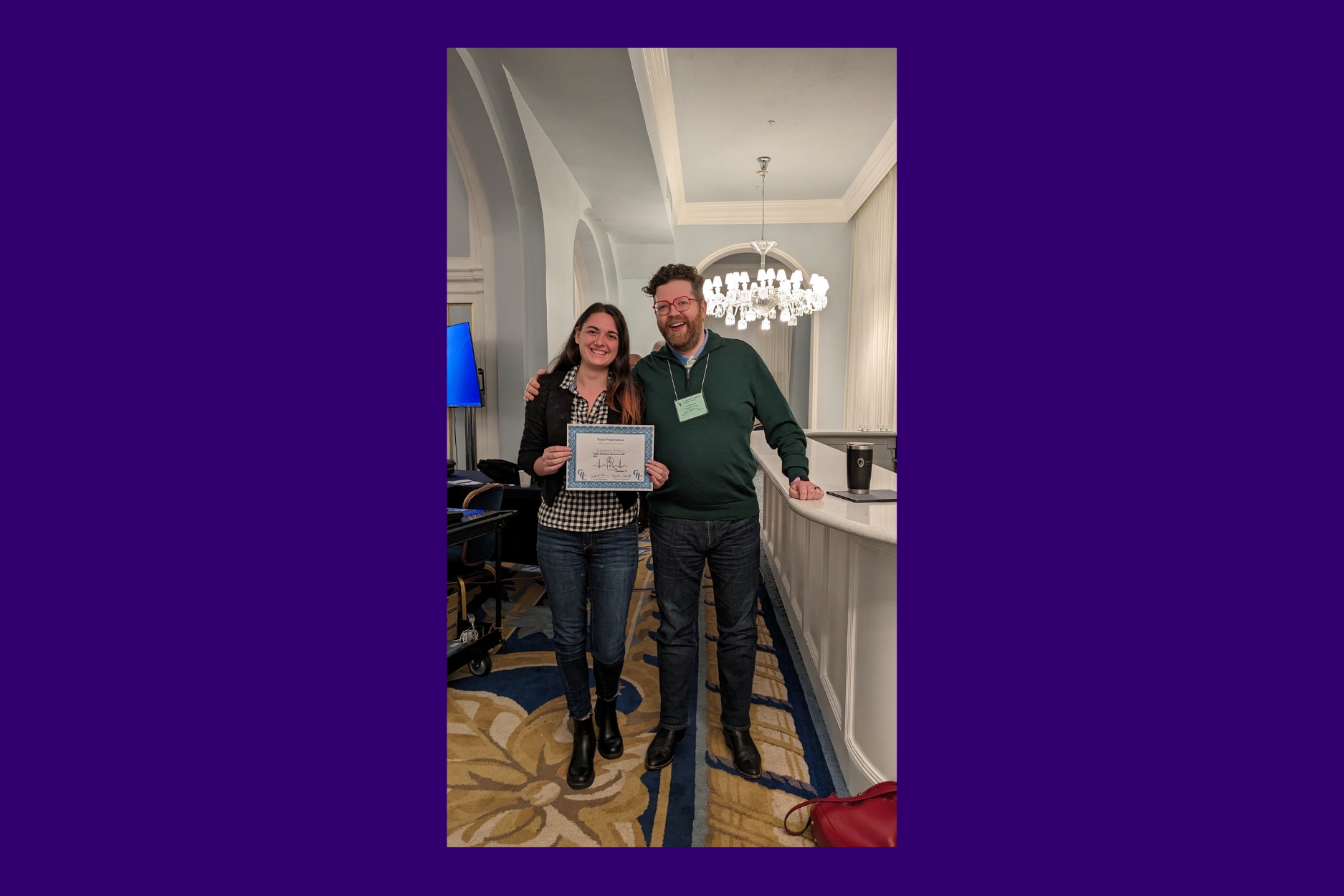 UW Bioengineering alumnus Savannah Bifulco has really built a career for herself. Literally. She was the first therapy development scientist to be part of the electrophysiology division, helping to define a new way of bridging disparate parts of the $20 billion medical device company.
Now, only about three years after hiring on, she leads this cross-functional activity globally for the company.
“I got a LinkedIn message from one of the directors,” at Boston Scientific, she explained. “He said, ‘I have this idea…I’m looking for talented scientists who can partner with our internal marketing teams, primarily to interface with our key doctors in the field and core customers.’”
“I sit at the crux of these three pillars. The research side, the scientific communications side, and the clinical side. There needs to be someone who can speak the doctor’s language. Who really understands the research, understands the company’s portfolio, who understands the fundamental science and clinical implications, and understands a procedure from A to Z.”
She spends much of her time helping bring new ablation technologies to market. In an ablation procedure, a portion of heart muscle is electrically isolated from the rest of the heart using heat, cold, or electrical pulse. It is often used to treat a type of irregular heartbeat known as atrial fibrillation.
In her role, she fields questions from doctors who might be curious about Boston Scientific’s ablation tools or who might have ideas for how to improve them. She explains them at conferences and in closed-door briefings. She leads research into pulsed field ablation-related preclinical studies from protocol design to publication.
She even sits in on first-in-human procedures, as the expert in the technology.
“Savannah is a really shining example of a successful transition from academia to industry,” Professor Patrick Boyle, Bifulco’s PhD advisor, said. “She has published research papers, but also she has been a leader in the deployment of new technology in the clinical context. She works very closely with clinicians and other healthcare professionals on a daily basis and has traveled the world to be the ‘engineer in the room’ on groundbreaking trials of new cardiac mapping and ablation technology.”
Organic and Interactive
Bifulco was one of the first two students to join Boyle’s Cardiac Systems Simulation (CardSS) lab in 2018. She used computational modeling to study which patients most benefited from ablation treatments and which were less well-suited. During her time there, she was supported by an Bioengineering Cardiovascular Training Grant from the National Institutes of Health and an R01 grant to Boyle’s lab from NIH’s National Heart Lung and Blood Institute.
“We were all fresh out of the gate, and Pat’s right in there with us. He’s working in these coding scripts he’s written himself. I’m watching him go into the BIOS [the most basic set of instructions that get a computer up and running when it turns on],” she said.
“Alex [the other graduate student at the time] and I are sitting on either side of him, like ‘Oh, what does that code do? How did you complete that?’ And at the same time, he’s narrating what’s going on.”
The collaborative nature of the CardSS lab played a significant role in her professional development. They earned her a spot at the competitive Simula Summer School in Computational Physiology and a fellowship from the ARCS Foundation. She was also lead author on a paper in Communications Medicine that was what Boyle described as the CardSS lab’s “first big push to incorporate AI/machine learning alongside our computational physiology, or anatomically similar digital twins, research.”
“With some [PhD advisors], you’re doing a weekly meeting or monthly touch-up. This was much more organic and interactive,” she said. While the lab grew in complexity, impact, and personnel during her five years, its personality stayed much the same. Boyle created and Bifulco embraced a lively lab culture that grew important skills and a network of contacts.
“At conferences it wasn’t like ‘I’m going to show up and I’m going to present my poster and I’m going to go back to my room.’ He was always introducing us to other people, always joking. We were meeting his old lab mates and old colleagues.”
Boyle takes that work seriously. So do many other faculty within the department and the University of Washington as a whole. “Many UW Bioengineering graduate students get opportunities to present their work at conferences, which can be very beneficial for professional development,” said Ken Yasuhara, director of the College of Engineering’s Office for the Advancement of Engineering Teaching & Learning. “The department works with us to survey research trainees, and they have described how mentors play a critical role in ensuring they get the most out of networking opportunities like conferences.”
Taking it to Heart
New paths are rarely the easiest to travel, and Bifulco’s experiences have reflected that. As a native of western Florida considering college, Bifulco was moved by the Deepwater Horizon oil spill and studied biochemistry while an undergraduate.
“I’m bright-eyed and bushy-tailed. But I got into the lab, started chemistry research, and I was like ‘Oh my, I hate this. I hate this,’” she said. Then there was a summer internship at Johns Hopkins. She worked on ALS research and found that she’s “not big on the blood and guts sort of thing, so I probably didn’t want to be a doctor.”
She found that she enjoyed the applied side of things, though. That’s what led her to Boyle’s lab. She also worked closely with UW Medicine’s Dr. Nazem Akoum, who was a member of her PhD committee and an important clinical mentor.
“I was at this crossroads where I didn’t know what I wanted to do. I just had a bunch of no’s. Choosing UW Bioengineering was really a decision on choosing the people I wanted to be around, and choosing Pat was choosing the mentor I wanted to be around,” Bifulco said.
“I’d gotten a lot of advice to choose your mentor wisely. I really took that to heart.”
 Darienny Stover expanded her skills through the online master’s program, advancing her career at one of the largest pharmaceutical production facilities in the world.
As an undergraduate in Brazil, Darienny Stover knew she “wanted to go big.”
She studied materials science, researched ultrasonic sensors to assess oil composition with sponsorship of Brazilian’s largest energy company, Petrobras, and was well on her way to a career in that industry. Then she headed to the United States with an eye toward improving her English and then returning home to start her career. Instead, she immigrated and landed at Merck – a drug giant rather than an oil giant.
Her Master of Pharmaceutical Bioengineering (PharBE) from the University of Washington has helped her make sure she can continue to “go big” throughout her career.
“I was used to dirty hands from the mechanical and petroleum laboratories rather than the sterile environment,” Stover said. “I knew I liked what I was learning at Merck, but I also knew I needed more. I needed to understand the background biology and the chemical processes better.”
That’s exactly what the PharBE is meant to provide. The program encourages professionals to study a range of topics in the pharmaceutical industry, while providing the flexibility of a part-time, online degree.
“Darienny is such a good example of our PharBE students and what a PharBE degree can do to advance your career,” said Professor Robbie Wong, who directs the program. Courses taught by Wong were an important part of her studies, according to Stover.
“She is curious, driven, and was ready to learn as much as she could from the faculty and the industry experts who are taking drug candidates from concept to market every day.”
Stover started as a contractor at Merck only six years ago. She received her most recent promotion soon after completing her PharBE and is now a senior quality assurance specialist in West Point, Pennsylvania. The West Point site is one of the biggest pharmaceutical production facilities in the world, with more than 10,000 employees producing hundreds of millions of doses of vaccines annually.
Stover is responsible for quality management systems, working as a Site Topic Lead across multiple integrated production teams. The production teams are focused on vaccines manufacturing, including Gardasil for preventing human papilloma virus and certain cancers; Varivax, a live vaccine for chickenpox; PedvaxHIB, which protects against Haemophilus influenza type B; Recombivax HB, a Hepatitis B vaccine; Vaqta, a Hepatitis A vaccine; Rotateq, which prevents rotavirus infection in infants; M-M-R II, a live vaccine for measles, mumps and rubella; and ProQuad, a combination vaccine of M-M-R II plus varicella, protecting children from measles, mumps, rubella, and chickenpox. She is also a reviewer for documents on global vaccine operations for Merck, and she is a Doctorate of Engineering candidate at George Washington University.
“I get to constantly question things in my role,” she said. “Not everything is clear in the SOPs [standard operating procedures], and now I can help to write and approve SOPs supported by my background. The PharBE sped up my learning on the job and gave me a theoretical understanding of the decisions and guidance I have to provide.”
 UNIVERSITY OF WASHINGTON
DEPARTMENT OF BIOENGINEERING
ALLAN S. HOFFMAN LECTURE
PRESENTS:
Prof. Gordana Vunjak-Novakovic, PhD
“Translational Studies of Engineered Human Tissues”
Thursday, October 8, 2026
4:00pm – 5:00pm
Foege South Auditorium & Zoom Webinar (click/tap here)
Reception to follow | Foege North (Bioengineering) Lobby
All tissues and organs in the human body originate from populations of stem and progenitor cells that grow, differentiate, and organize into functional structures in response to dynamic spatial and temporal cues from their microenvironment. These regulatory signals orchestrate cellular behaviors and interactions, giving rise to organs with remarkably diverse architectures and highly specialized functions essential to human health and survival.
Tissue engineering emerged more than three decades ago at the convergence of cell biology, medicine, and engineering, drawing on principles of human physiology to design biologically inspired environments that guide cell fate, tissue formation, and function. This lecture will explore the translational potential of tissue engineering through a series of studies spanning two complementary areas: regenerative medicine aimed at repairing or replacing tissues at the clinical scale, and disease modeling using microscale organs-on-chip that recapitulate organ-level and systemic functions. Particular emphasis will be placed on the opportunities and challenges involved in translating these technologies toward meaningful applications in human health.
Professor Gordana Vunjak-Novakovic is a Columbia University Professor, the institution’s highest academic distinction, and the first engineer ever appointed to this prestigious rank. The focus of her lab is on engineering functional human tissues for regenerative medicine and patient-specific “organs-on-a-chip” for studies of human patho/physiology. She is a highly cited investigator (top 1%), has mentored over 250 trainees, and launched five biotech companies. Among her many awards are the Pierre Galletti Award of the AIMBE, Lifetime Achievement award of TERMIS, Pritzker award and Shu Chien award of the BMES, Jensen Tissue Engineering award and, most recently, the Forbes “50 over 50” for innovation and L’Oréal–UNESCO International Award for Women in Science (laureate for North America). She was elected to the Academia Europaea, , National Academy of Engineering, National Academy of Medicine, National Academy of Inventors, Royal Society of Canada Academy of Science and the American Academy of Arts and Sciences.
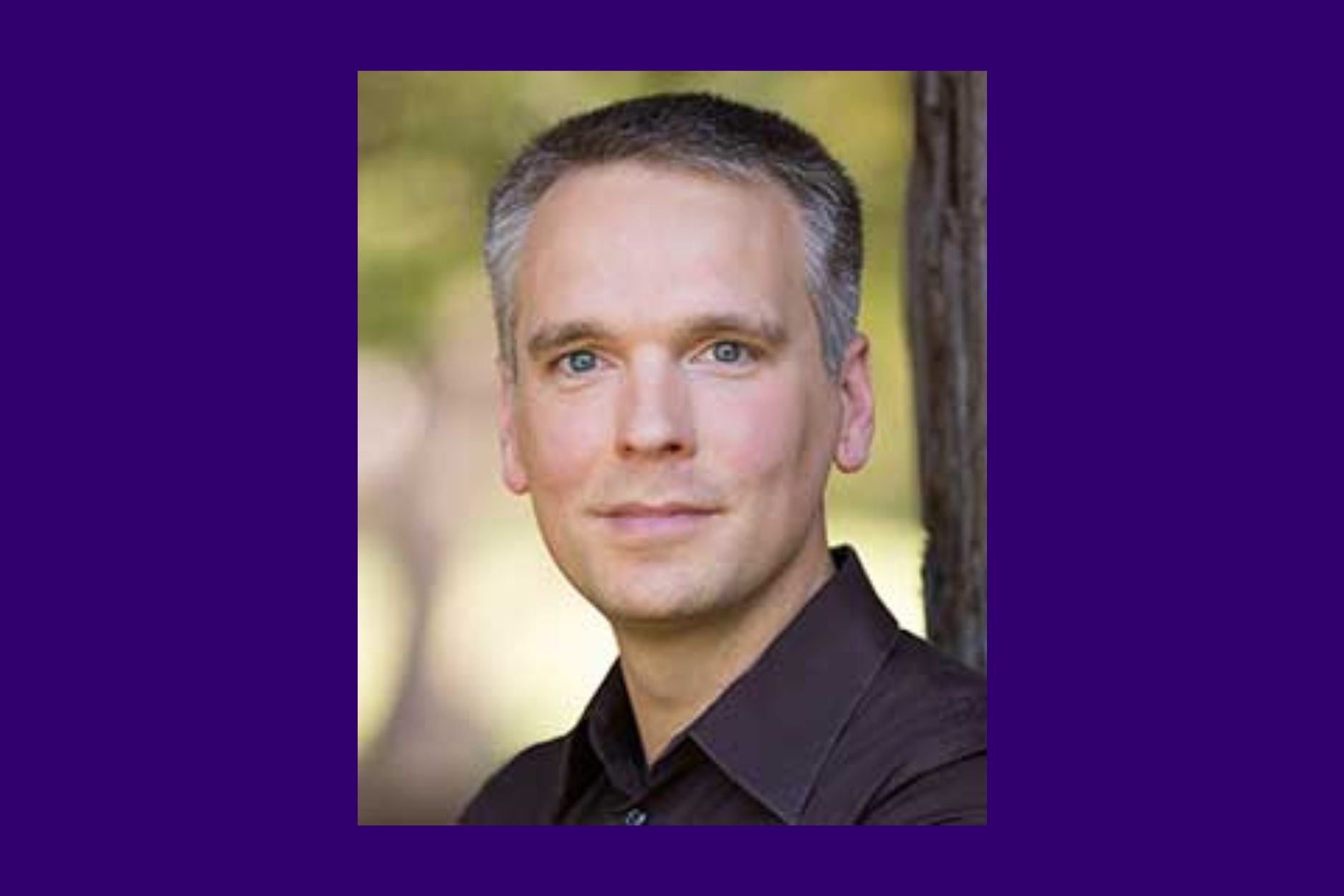 UW Bioengineering’s Professor Andre Berndt and his team will develop a new generation of biosensors with a Maximizing Investigators’ Research Award (MIRA) from the National Institutes of Health.
These multiplexed, protein-based sensors will monitor the oxidative pressure and antioxidant capacity of individual cells and quantify intracellular redox states using fluorescence lifetime imaging microscopy. They will allow researchers to profile the redox imbalances that signal cell damage.
“The regulation of redox pathways are critical to human health and disease, but the tools for monitoring them are not sensitive or sophisticated enough to capture the level of detail that we need to study the pathways’ impact on muscle cells and neurons,” according to Berndt.
“New sensors will make it possible to optically screen and track these processes – and that will reveal subtle clues of cell damage that are missed by the methods used to measure and understand redox pathways today.”
Recently, the Berndt Lab engineered similar genetically encoded hydrogen peroxide sensors and an optical screening platform. This system improved the dynamic range and spectral flexibility of studies that track the damage caused by hydrogen peroxide, revealing new aspects of redox signaling in a paper in Nature Chemical Biology last year with colleagues from across UW Bioengineering and UW Medicine. Justin Lee, a Bioengineering alumnus and postdoctoral researcher in the Berndt Lab, was first author on the paper.
“NIH’s MIRA program is built for the nation’s most promising researchers, and Andre is certainly among that high-impact group,” said Department Chair Princess Imoukehuede. “The broad-based, multiyear support that the program provides is any faculty member’s ideal funding scenario, and I know that Andre and his students will make the most of it.”
MIRA funding is often referred to as an “R35 grant” among university faculty members. Berndt’s support comes from NIH’s National Institute of General Medical Sciences and runs through 2031.
 UW Bioengineering’s Professor Patrick Stayton and clinical colleagues Professors Eoin West and Shawn Skerrett in the UW School of Medicine are developing a new means of treating pneumonia. If successful, the inhaled drug would improve therapy and prevent common side effects and protect the gut microbiome.
The work is backed by Wellcome Leap’s $50 million Focused Antibiotics program, which addresses the grand challenge of delivering antibiotics to treat infections while sparing the gut microbiome and reducing drug resistance.
The project draws on long-standing partnerships between the UW College of Engineering and the School of Medicine, which jointly house the Department of Bioengineering. The engineering challenge is to build multiple pharmaceutical functions into one new drug, while achieving manufacturability at high global scales and with cost effectiveness. UW has been a leader in developing innovative pulmonary drugs, helping this program deliver better therapeutics to patients who need them.
“Pneumonia is generally the leading infectious cause of death in the United States, with approximately 1.5 million hospitalizations annually. Lower respiratory infections globally cause about 2.5 million deaths per year, with especially high impacts in lower resource populations,” Stayton said. “We hope to provide better therapeutic options for patients across an inter-connected world when it comes to pulmonary infectious disease and antibiotic resistance.”
The standard treatment is based on a common pair of drugs that have been paired with one another for decades, amoxicillin and the beta-lactamase inhibitor clavulanate. It’s an effective combination that’s prescribed more than 30 million times per year in the United States alone, according to the CDC’s Outpatient Antibiotic Prescriptions Report.
Its frequent use and efficacy come at a significant cost. Taken as a pill, the antibiotic kills bacteria in the microbiome unnecessarily and leaves other, drug-resistant bacteria free to reproduce. This “resistance factory,” as Wellcome Leap calls it, allows pathogens to thrive. People whose guts become overloaded with that resistant bacteria are 20 times more likely to develop an infection that does not respond to amoxicillin in the future.
“A pill lands in the gut first, where it hits the microbiome,” Stayton said. “That is where patients’ digestive side effects come from, and it is where resistance can get generated, because you are exposing a dense community of bacteria that was never the target. From there the drug goes systemic and travels throughout the body. Only a small fraction reaches the lung, which is why the doses have to be so high. We are delivering into the lung directly and hitting efficacious levels with hopefully fewer and lower doses, so the infection gets more drug and the microbiome gets far less.”
West and Skerrett, along with the larger pulmonary antibiotic leadership at UW, bring the patient-needs experience and pneumonia models that move a new drug candidate faster toward human trials.
“We’ve come to expect collaborations like these, but it doesn’t make them any less powerful. It only increases their impact and assures that there are more great things to come from this team and other teams,” said Professor Nancy Allbritton, Dean of the UW College of Engineering. “The Department of Bioengineering stands out and succeeds, in no small part, because of the way it bridges our College of Engineering and UW Medicine.”
“Wellcome Leap describes their investments as ‘optimized to deliver breakthroughs.’ Professor Stayton’s work has reflected that approach for decades, and this new project with Professors West and Skerrett will do the same.”
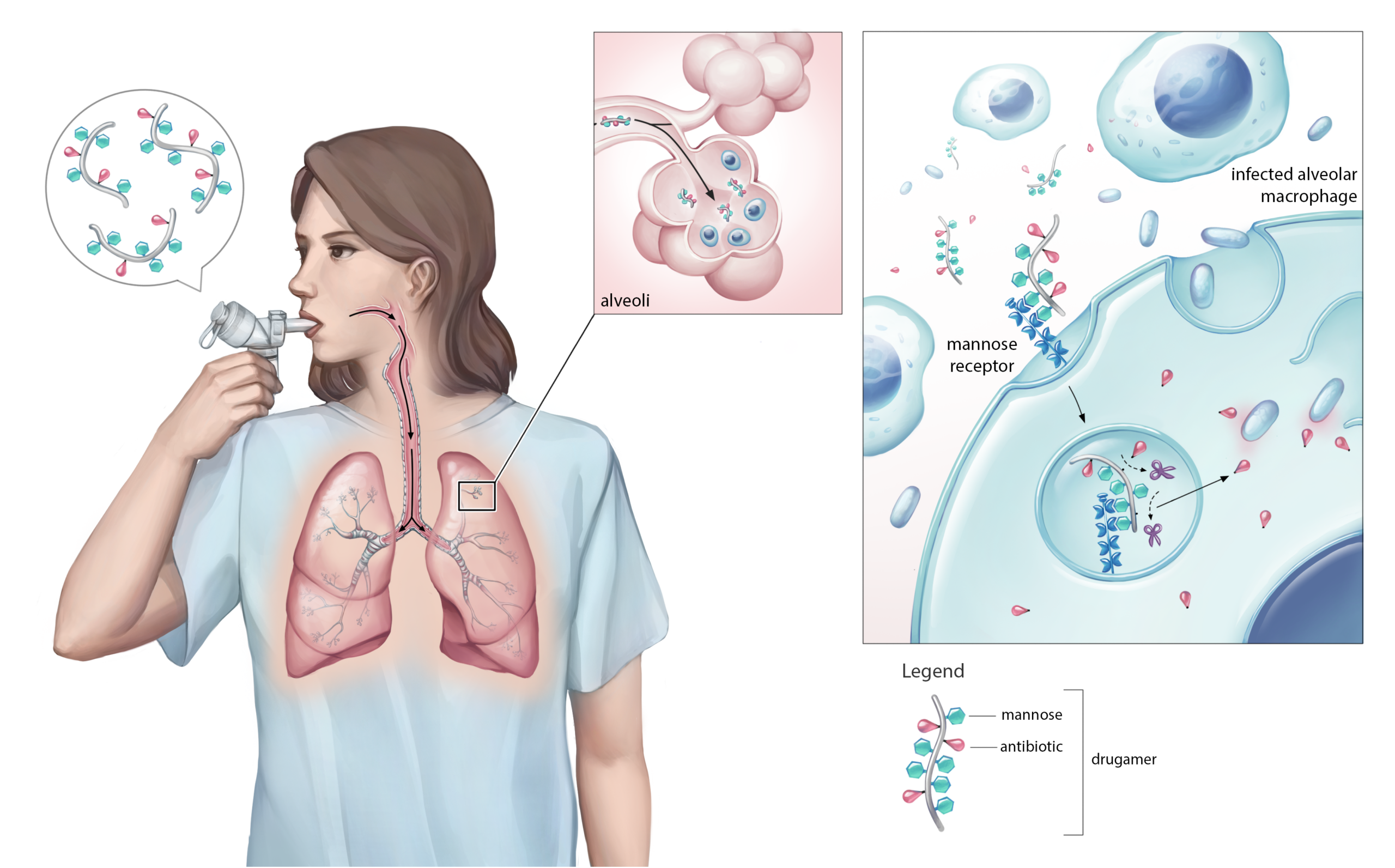
The team’s version of the amoxicillin-clavulanate combination will be what is known as a polymer prodrug. Instead of a pill that is poorly targeted and spends time in the digestive system, the new treatment would be packaged into a custom-designed polymeric prodrug. It would be delivered using nebulizer or inhalation devices.
The new polymer prodrug platform being developed by the UW team is based on previous work by the UW team. The antibiotic polymer prodrug is taken up by immune cells in the lung, where it can be held and release the active drug directly to where the bacteria are, over a period of days rather than hours. Drug exposure at the infection lasts longer, so a course of treatment can be given in fewer doses. And because the antibiotic is concentrated in the lung, far less of it ever reaches the gut, where it would otherwise kill good bacteria and leave resistant ones behind that can serve as a source of drug resistance.
Wellcome Leap will support the team as they develop and test potential polymers for the amoxicillin-clavulanate, pairing in-animal models and human lung cells and tissue. They will also develop a similar fluoroquinolone antibiotic that is similarly used in community acquired pneumonia settings.
Wellcome Leap is a U.S. nonprofit founded by Wellcome Trust to accelerate breakthroughs in human health.
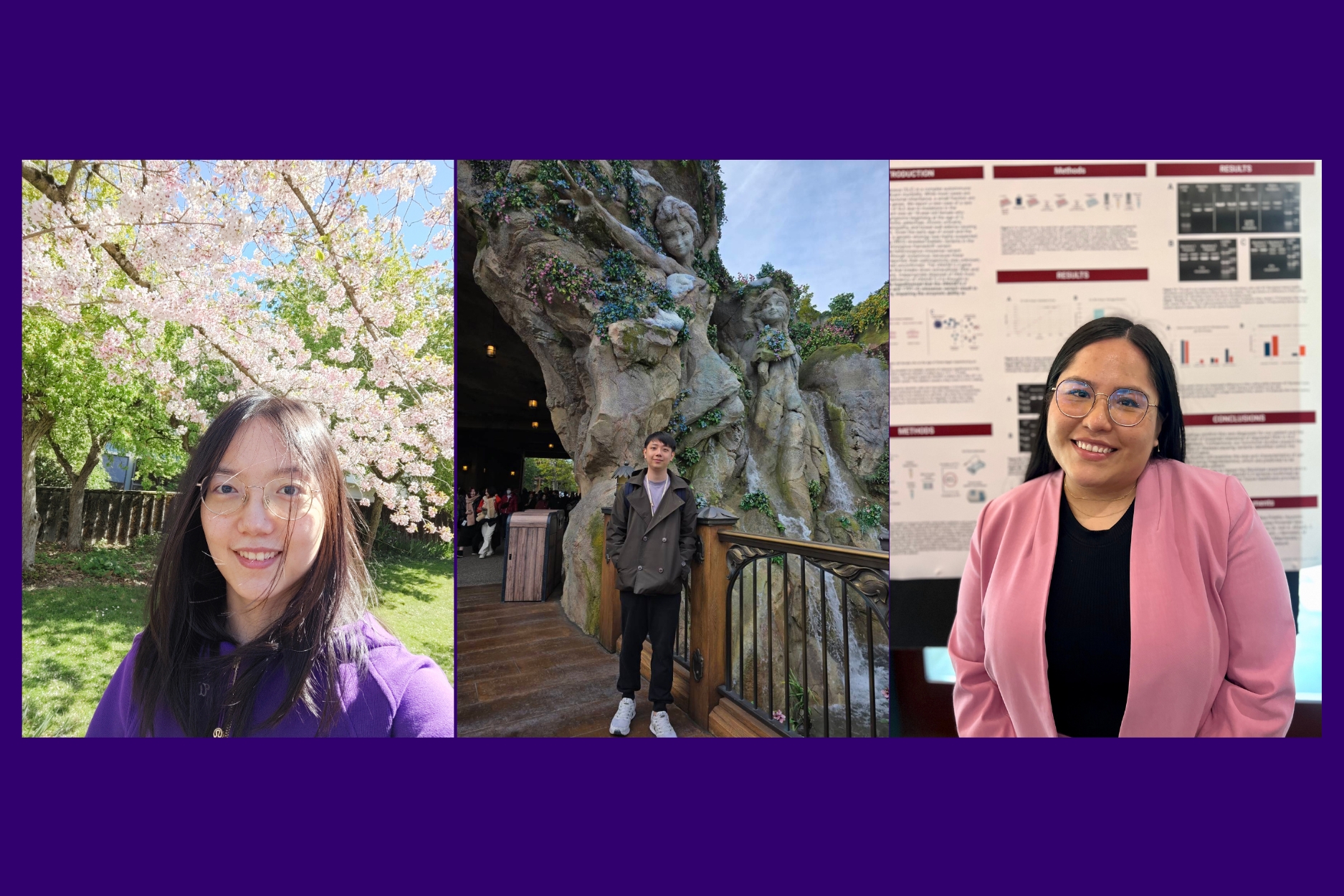 Three bioengineering PhD students earned a College of Engineering Dean’s Fellowship for 2026, honoring top doctoral applicants. They receive one year of fellowship funding. This year’s Dean’s Fellows are:
- Annel Andrea Leon Tenorio, born to an indigenous Quechua family in Ayacucho, Peru, learned early how rarely medical advances reach communities like hers. She has worked to close that gap through genome-edited stem cell therapies and bilingual community science programs. As part of Professor Kelly Stevens’ research team, she will work to reduce immune rejection in liver transplantation, making stem cell-based therapies safer and more accessible to historically excluded communities like the one she comes from.
- Muyun Hu research focuses on developing optical coherence tomography technologies, including polarization-sensitive OCT and OCT angiography. She will be part of Professor Ricky Wang’s research team, improving the visualization and characterization of ocular tissue structure, organization, and function.
- Yuan-Zhen Yang, who is also part of the Fulbright Foreign Student Program, previously conducted research in tumor imaging diagnostics and will move his focus from animal models to clinical applications. Yang looks forward to developing his teaching and lab management skills. He will be part of Professor Albert Folch’s research team.
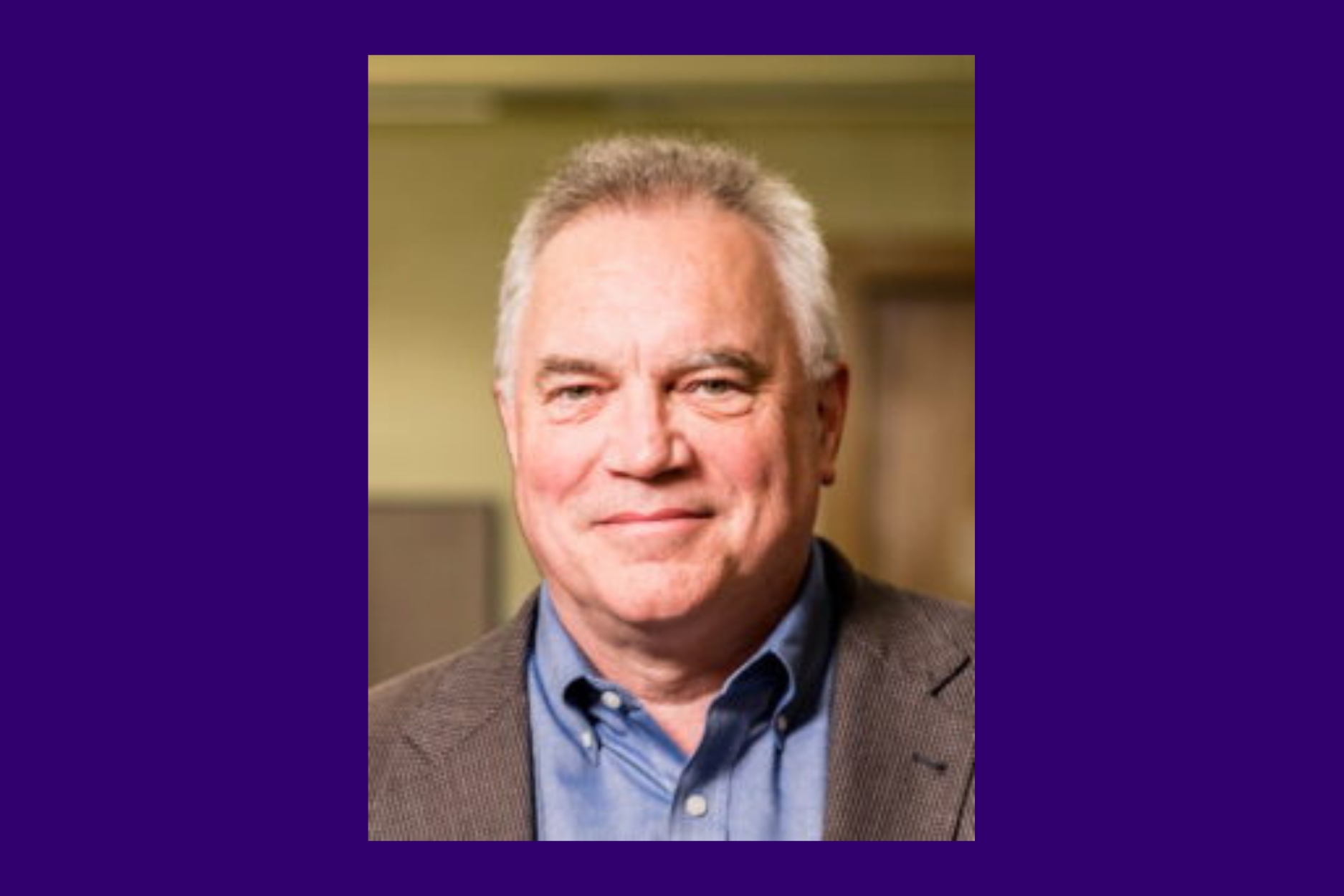
UW Bioengineering’s Professor Paul Kinahan has been named Editor-in-Chief of Medical Physics, the flagship journal of the American Association of Physicists in Medicine.
Kinahan’s appointment will begin in January 2027. Launched more than 50 years ago, Medical Physics publishes high-impact research in physics, imaging science, radiation therapy, and engineering in medicine.
Kinahan is Vice Chair of Research in UW Medicine’s Department of Radiology and leads the Imaging Research Laboratory. He was part of the group that built the first prototype combined PET/CT scanner at the University of Pittsburgh in the 1990s. His team’s technology is included in hospital imaging systems and research systems worldwide, and he continues to develop image reconstruction algorithms used in PET/CT oncology.
A member of the faculty since 2001, Kinahan is a Fellow of the American Association of Physicists in Medicine, the Institute of Electrical and Electronics Engineers, the Society of Nuclear Medicine and Molecular Imaging, and the American Institute for Medical and Biological Engineering. He is also a member of the Washington State Academy of Sciences.
 UW Bioengineering Professor Wendy Thomas and Stanford Professor Taia Wang reveal that mechanical forces can shape how antibodies interact with immune cells, opening new ways to think about cancer treatments.
Stanford University’s Professor Taia Wang and her team faced a puzzle.
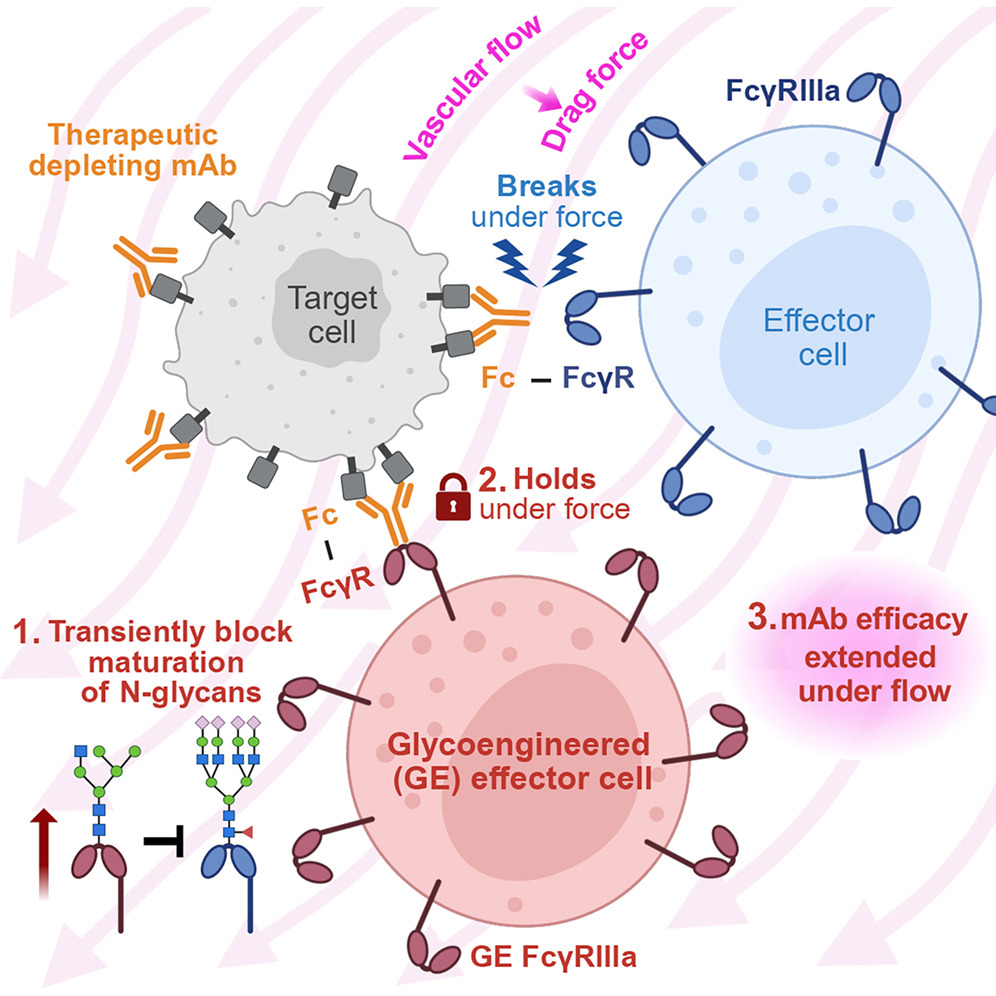
Their research has shown that re-engineering the way sugars attach to proteins through a process called glycosylation can impact the efficacy of therapeutic monoclonal antibodies (mAbs). These drugs coat pathogens and recruit elements of our immune response, like T cells and other effector cells, to join the fight. In recent work led by postdoctoral researcher Bowie Cheng, they showed that a drug called swainsonine could be used to similarly alter the sugars on immune cells themselves and improve their ability to kill mAb-coated cancer cells.
But they couldn’t fully explain why the strategy worked as well as it did.
“There are surely many mechanisms behind the increased activity we see when administering swainsonine with anti-tumor mAbs, but something didn’t add up to fully explain the powerful treatment effect we were achieving,” Wang said. “We saw only small changes in mAb activity when we tested the strategy in a dish, but huge changes when we tested it in live animals. This suggested that some aspect of whole-body physiology was critical to the treatment’s success.”
Wang’s team decided to use that discrepancy to test a new hypothesis. Perhaps the fluid flow around tumor cells applied a mechanical force that affected how antibodies bound their receptors, enabling the outsized treatment effect.
With that in mind, she turned to the scientific literature to find an expert in the biomechanics of molecules who might lend a hand. She was quickly drawn to UW Bioengineering’s Professor Wendy Thomas, who had long studied how fluid flow influences interactions between proteins.
Their work together was published in Immunity this July.
“Wendy is doing beautiful work in this area,” Wang said. “She was an ideal collaborator, and she jumped right in. We knew we had an opportunity through our combined expertise to test a new idea in antibody biology.”
Thomas felt the same pull. “We had this complementary expertise and shared interest,” she said. “There was no conventional wisdom, so we got the opportunity to ask ourselves ‘What doesn’t the conventional wisdom address?’ That’s an exciting spot to be in.”
Their teams applied an existing biomechanical research technique to show that swainsonine dramatically increased the ability of immune cells to hang on to mAbs under fluid flow that mimics conditions in the human body.
Perhaps more significantly, they established for the first time that mechanical forces can change how antibodies interact with their receptors independent of their binding strength, which is known as affinity. This opens a new potential avenue to improve these crucial immunotherapies by tuning their activity for specific fluid flow conditions.
“This is a new observation,” Wang said. “Mechanical forces can change this interaction, and that opens the possibility of a parallel track for designing next-generation engineered monoclonal antibodies.”
Multiple Dimensions
Monoclonal antibody treatments have been around since the 1980s. The first were designed to mitigate the rejection of transplanted organs. Hundreds have been approved since to treat a range of cancers like leukemia, lymphoma, and several solid-tumor cancers like HER2-positive breast cancer.
But the efficacy of these treatments varies widely, and patients often develop resistance. This indicates that we don’t fully understand how the activity of mAbs is regulated. “Critical knowledge gaps likely exist in multiple dimensions,” the team wrote in Immunity. “Addressing these gaps may reveal new opportunities to enhance efficacy and overcome current therapeutic limitations.”
In this study, immune cells treated with swainsonine showed only a 20 percent increase in binding affinity for antibodies, yet reduced tumor burden – the amount of cancer present – by about 80 percent in animal models. That gap between a modest affinity change and a large functional effect is what first told the team something beyond affinity was at work.
“All kinds of mechanical processes are at play that aren’t there in the assays we typically use in the laboratory to study antibodies,” Wang said. “This study provided a reason to ask the question – is it possible that physiologic forces can change the way antibodies interact with their receptors?”
With Thomas and UW Bioengineering PhD alumnus Casey Kiyohara, the team set up and used a fluidics platform to study how mechanical forces in the circulatory system cause drag on immune cells and impact how they interact with mAbs. The platform allows them to adjust the rate at which fluid is moving, changing the biomechanical force between the immune cells and an antibody-coated surface that models an antibody-coated tumor. Most significantly, it lets them ask how much flow it takes to detach an immune cell from that surface.
“We were watching these mechanical processes for the first time, and could observe how force caused the immune cells to deform as they clung to the surface, and eventually detach,” Thomas said.
These biomechanical measurements let the team compare how two very different interventions – swainsonine treatment of immune cells, and re-engineering the sugars of the antibodies themselves – each affected binding behavior under flow.
“That’s what was so cool,” Thomas said. “One of these increases affinity of antibodies to immune cells a lot, and the other doesn’t. But both helped the immune cells cling to the surface under flow, and both mechanisms likely helped immune cells kill cancer cells.”
In other words, the platform revealed that resistance to mechanical force is one dimension shaping antibody interactions with immune cells. And that insight expands the questions cancer researchers and drug developers can now ask.
“We’ve opened up a new set of exciting questions about these biomechanical interactions,” Thomas said, “and introduced a new way to think about improving cancer treatments.”
A team of recent UW Master of Applied Bioengineering (MAB) graduates earned a grant from the Innovation Gap Fund for their startup CSFlow. The company develops novel antifouling coating technology to improve the reliability and longevity of implanted medical devices. The team includes Joie Chen, Sarah Fink, Rae McFarland, and Hannah Petersen.
CSFlow is based on their MAB capstone project mentored by UW BioE Professor Buddy Ratner and Kyung-Hoon Kim and Kan Wu, both postdocs in Ratner’s lab with deep expertise in polymer coatings. Dr. Malia McAvoy, a neurosurgeon at UW School of Medicine, guided the team’s validation testing and provided clinical insight throughout the project.
The team has initially focused on hydrocephalus, a chronic condition affecting more than eight million people worldwide. Caused by the abnormal accumulation of cerebrospinal fluid in the brain, hydrocephalus is typically treated with a shunt that diverts excess fluid to another area of the body. However, these devices frequently fail due to the buildup of biological material, including proteins, cellular debris, and bacteria, on their surfaces.
“Failure typically requires urgent revision surgery. For many patients, this means undergoing multiple brain surgeries throughout their lifetime,” said Petersen, who worked as a project engineer at McKinstry prior to joining the MAB program.
The coating that CSFlow is developing reduces the biological interactions that drive buildup formation. The technology has the potential to extend shunt lifespan, reduce the need for revision surgeries, lower healthcare costs, and improve long-term outcomes for patients.
CSFlow will use its Innovation Gap Fund grant to commercialize the coating through business-to-business licensing, charging other companies for the right to manufacture and use their technology. Across the University of Washington, the Innovation Gap Fund supports business development activities to advance promising innovations that may lead to new products and services. It is funded by CoMotion, Washington Research Foundation, Population Health Initiative, and donors.
“Over the next year, our priorities include optimizing and validating our coating method, preclinical testing, engaging with medical device manufacturers, and pursuing additional funding opportunities,” said Fink, an alumnus of UW’s Department of Mechanical Engineering.
The Department of Bioengineering’s MAB program trains students to apply engineering design to clinical challenges to address market-based business and medical needs. It provides graduates with in-demand skills for work in biomedical industries and translational research.
Three projects were selected to receive funding through the Center for Translational Muscle Research’s 2026 Pilot Grant program, supported in part by UW BioE. The grants will go toward the collection of preliminary data and feasibility studies for new research focused on sex-based differences in muscle biology and disease. These faculty members earned grants:
- Professors Xinxian Deng and Christine Disteche, Department of Laboratory Medicine and Pathology, for the project “Functional Analyses of Muscle Cells with a Different Number of Sex Chromosomes.”
- Professor Jenny Robinson, Departments of Orthopaedics and Sports Medicine and Mechanical Engineering, for the project “Interplay of Estrogen Receptor Alpha Isoforms and Mechanotransduction in Female Human Mesenchymal Stromal Cells.”
- Professor Alec Smith, Department of Physiology and Biophysics, for the project “Modeling Sexual Dimorphism in Skeletal Muscle Function Using Stem Cell-Derived Engineered Tissues.”
“The Center for Translational Muscle Research’s Pilot Grant program has been very successful throughout the center’s history, and research in women’s health and sex-based differences in muscle health is an important area for strategic growth across campus and around the country,” according to UW BioE Department Chair Princess Imoukhuede. “It is essential that we support programs like these. They drive new research opportunities and deliver novel insights that are at the heart of our work together.”
The Center for Translational Muscle Research is funded by the National Institutes of Health’s National Institute of Arthritis and Musculoskeletal and Skin Diseases. It unifies muscle research in the heart of Seattle’s biomedical research community and is led by Professor Michael Regnier of the Department of Bioengineering.
A multidisciplinary team from across the University of Washington, led by Bioengineering’s Professor Ayokunle Olanrewaju, earned support from NIH’s National Institute of Allergy and Infectious Diseases.
“Did you remember to take your medicine?” You’ve probably been asked that question or asked it of a friend or family member. It’s for good reason. Taking your medicine at the right time, the proper dose, and the full course of your prescription is critical to its success. And failing to adhere to that guidance is very common.
Professor Ayokunle Olanrewaju is designing a new generation of tests to improve drug adherence. The work is backed by a five-year grant from the National Institutes of Health’s National Institute of Allergy and Infectious Diseases.
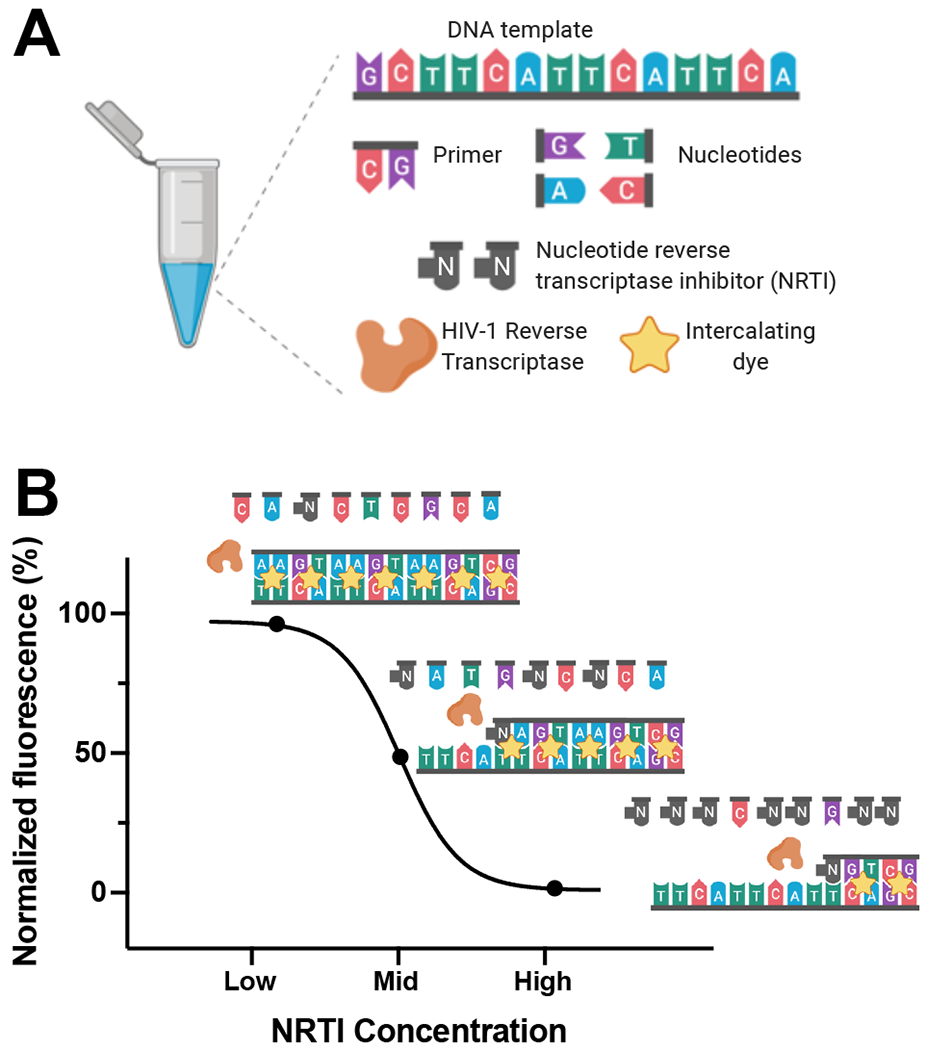
His team is building an assay that will measure the levels of anti-HIV medications used for pre-exposure prophylaxis (PrEP) to prevent infection and treatment among people living with HIV. Because it is enzyme-based, the assay will run in about 30 minutes and can be administered inexpensively at the point of care. It will expand on the team’s REverse transcriptase ACTivity (REACT) assay, which measures drugs that target the HIV reverse transcriptase (RT) enzyme. RT inhibitor drugs form the backbone of most HIV treatment and prevention regimens and are included in many emerging treatment options including vaginal rings and long-acting injectables.
“The University of Washington is uniquely positioned to deliver on this promising approach, with our multidisciplinary expertise in enzymatic assays, point-of-care diagnostics, clinical validation, and implementation science. We have the skilled, insightful colleagues we need right here, and we consistently do great things together,” Olanrewaju said.
Olanrewaju and colleagues were inspired by early work in the late ‘80s and early ‘90s that identified the unique enzyme activities and biochemistry of HIV. Their first paper on REACT, published when he was a postdoctoral fellow in UW Mechanical Engineering in 2020, tailored these enzyme activity assays for rapid and selective measurement of RT inhibitors used in first-line HIV treatment regimens. They followed up with a pilot evaluation with clinical samples in 2021, a theoretical model to enable deterministic design and expansion to multiple drugs used in combination HIV treatment in 2023, extension to two different sub-classes of RT inhibitors including drugs used in rings and injectables in 2024, and a larger validation study with archived samples from a clinical study in Thailand in 2025.
Oral PrEP can cost as much as $22,000 per year per person and other treatments can run as high as $40,000 per person per year. Long-acting versions of the drugs – which typically have higher adherence rates – are likely years from being available in low-resource areas. And even when they’re readily available, some people will likely always prefer oral medications.
As a result of these costs and timelines, HIV treatment will continue to rely on daily oral pills in much of Sub-Saharan Africa, where adolescent girls and young women are disproportionately impacted by HIV. Adolescent girls and young women account for 25 percent of new HIV infections in sub-Saharan Africa despite representing only 10 percent of the population. One of the best methods of improving their drug adherence is meeting periodically with a counselor to discuss the treatment. Drug level feedback, embedded within a suite of support tools, have been shown to improve HIV prevention success rates. However, current methods for measuring adherence, which rely on centralized and expensive mass spectrometry, which led to delays as long as 60 days for drug level feedback in those studies.
“Fast, easy ways of testing if people are following their treatment plans are powerful for the counselors,” Olanrewaju said. “Inexpensive tools like the one we’re designing provides an objective read on whether medications are being taken correctly. They also encourage people to have candid conversations with their healthcare providers about their drug adherence.”
The Olanrewaju Lab is working with UW Bioengineering’s Professor Barry Lutz to integrate the REACT assay into the Harmony portable diagnostic system developed by Lutz’s team during the COVID-19 pandemic. Professor Jillian Pintye (UW Global Health & Biobehavioral Nursing) and Health Informatics, and Professor Kenneth Mugwanya (UW Global Health & Epidemiology) will provide archived samples from implementation studies completed among adolescent girls and young women receiving PrEP. Colleagues at the UW’s Center For AIDS Research. Translational Research Subcore, led by Professor Adrienne Shapiro (UW Global Health), will provide additional clinical samples through their Enhanced Data and Specimen Collection Service. Professor Peter Anderson and his team at the Colorado Antiviral Pharmacology Lab will complete gold-standard mass spectrometry measurements to validate the REACT assay.
More than 20 years ago the World Health Organization reported that only about half of people receiving drug treatments followed their health providers’ instructions about the treatment. Recent studies show that little has changed, and that adherence rates are yet lower in populations with limited resources and healthcare access.
“Non-adherence in HIV is complicated by a variety of socio-economic factors including stigma, health inequities, and financial difficulties. Our hope is that technologies like REACT will provide an accessible option for anyone anywhere to know if they have a sufficient amount of HIV medication in their system,” Olanrewaju said.
The test has applications beyond monitoring HIV prevention, since the more than 30 million people living with HIV need adequate medication to prevent treatment failure and drug resistance.
Macrophages, a particular type of white blood cell, can act in two distinct ways. They might be triggered by a pathogen and release proteins that encourage inflammation. In other situations, tissue in our body might instead signal for macrophages to tamp down inflammation. This dynamic role is known as macrophage polarization, and it is crucial to the body’s response to wounds, cancer, and autoimmune conditions.
A team led by Professor Elizabeth Wayne has introduced a new way to measure macrophage polarization by tracking the STAT6 signaling protein. They modified human cells to produce STAT6 with a fluorescent protein, then tracked it using bioluminescence temporal spectrometry. Dysregulation of the STAT6 pathway is seen in several forms of lymphoma, tumors in the body’s connective tissues, asthma, and food allergies.
Results were published in June in Cell Systems. Professor Jennifer Davis, Director of UW’s Institute for Stem Cell and Regenerative Medicine, and colleagues at Carnegie Mellon University, University of Tennessee, and Oak Ridge National Laboratory also contributed to the work. It was supported by a Maximizing Investigators’ Research Award, or R35 grant, from the National Institute of General Medical Sciences.
Most tools used to study macrophage polarization currently capture a single measure of STAT6 levels in a single moment. The new method from the Wayne team, however, shows the STAT6 levels as they rise and fall over time.
With the ability to see the signalling protein’s activity in real time, the team then built a model that shows when and how strongly the cells are shifting from encouraging to discouraging inflammation. This method provides an unprecedented view of how STAT6’s behavior influences what role macrophages will take.
“By pairing a non-invasive longitudinal readout with a model of the biology driving that activity, we’ve built an integrated platform that reveals the mechanisms underlying macrophage polarization,” Wayne said.
“Macrophage polarization impacts many immune functions, so ultimately our method could be used to improve therapies for a broad set of issues like autoimmune conditions, cancer, and wound care.”
Wayne has used bioluminescence spectronomy in previous research as well, including a study of how monocytes differentiate into macrophages that appeared in the 2025 Young Innovators issue of Cellular and Molecular Bioengineering.
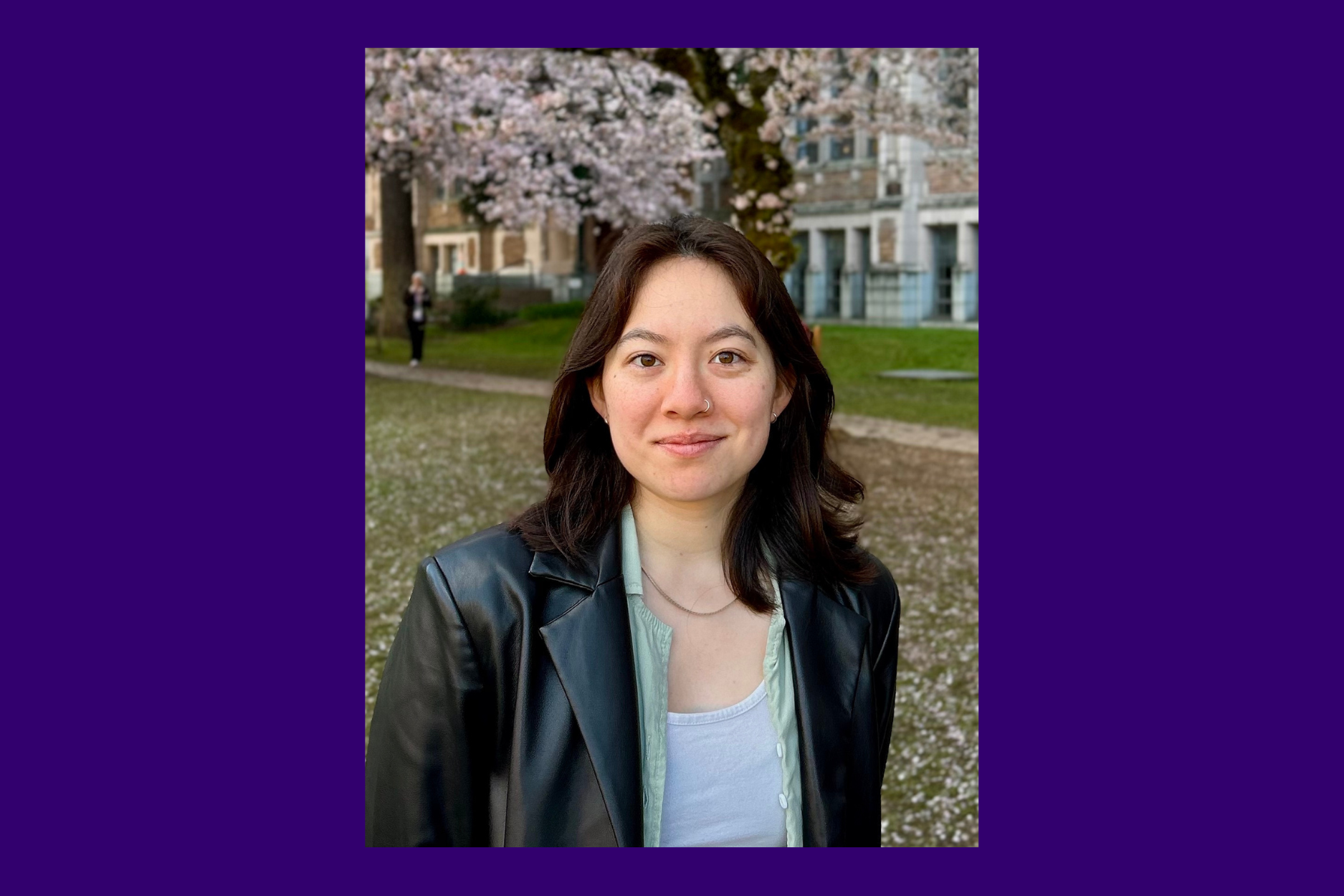 UW Bioengineering PhD student Arie Lin-Goldstein earned an NSF Graduate Research Fellowship after years of hard work and valuable mentorship, while growing into an excellent mentor herself.
Arie Lin-Goldstein was in a University of Washington research lab before she was out of high school. A Seattle-area native, she hand-annotated images of the cells and synapses in macaques’ retinas with Professor Jay Neitz in UW Medicine’s Department of Ophthalmology.
There are different routes to a National Science Foundation Graduate Research Fellowship, which Lin-Goldstein earned in 2026. Grabbing time in Neitz’s lab when most students are grabbing their driver’s licenses must be a good start. Annually, only one in about 20 applicants receive the five-year grant.
The work with Neitz wasn’t just a job. “It was a great first step into an exciting world…It was part of a long-term goal that I had already been dreaming of,” she said. She even got to see some of her work included in a presentation at the 2023 Association for Research in Vision and Ophthalmology Annual Meeting.
Still, she found herself “out of breath” on her first day as an undergraduate in UW Bioengineering Professor Suzie Pun’s lab, her next step toward the Fellowship. “It was a big shift,” Lin-Goldstein said. “It was completely wet lab stuff, and I’d never used a pipette before. How do I even do this?”
She was a quick study. She also received terrific support from Pun and one of her graduate students, Abe Wu. “Their team is great at mentoring and great at supporting undergraduates,” she said. “Abe was always there when I said ‘Can you watch me do this one more time?’ He’s efficient but so patient.”
From there, it was a 10-week internship at the California Institute of Technology. As part of Caltech’s competitive WAVE program, Lin-Goldstein completed an independent research project. She studied engineered RNA sequences that protect the synthetic RNA against damage by enzymes.
Then she headed back to the Pun Lab to complete her bachelor’s degree, as a Mary Gates Research Scholar and a Washington Research Foundation Fellow. For her Senior Capstone project, a right of passage for UW Bioengineering undergrads, she worked on stablizing a DNA aptamer for treating autoimmune disease.
Aptamers are single-stranded DNA or RNA sequences that bind with the kind of high affinity and specificity that researchers usually expect to see in natural antibodies. Lin-Goldstein’s work required her to increase the stability of the aptamer once it was introduced, so that the white blood cells to which it attached were blocked from exiting the bloodstream and causing autoimmune responses
“Suzie really encouraged me to apply for the WAVE Fellowship. She is always looking for ways for everyone on her team to develop,” Lin-Goldstein said. And the senior capstone in her lab was “such a rich project. It’s amazing to have your own project like that as an undergraduate.”
Feedback, regulatory and otherwise
Lin-Goldstein is now part of Professor Paul Wiggins’ research team, studying the role of deoxynucleotide triphosphate (dNTP) levels in cellular homeostasis.
“Paul and his team have created a really nice environment,” Lin-Goldstein said. “We all have a lot of freedom, but we’re always in conversation with each other. We’re always gathered around the espresso machine and discussing what’s next and what angle we’re going to tackle it from.”
The dNTP metabolite’s relative abundance regulates the rate at which DNA replicates. Its own synthesis, meanwhile, is influenced by a host of other enzymes. This complicated brew of regulatory feedback keeps cells stable as outside conditions change by maintaining the appropriate levels of the metabolites the cell needs. It also creates oscillations in the speed at which a combination of enzymes and proteins at a region known as the “replication fork” do their work – unzipping DNA, copying its base pairs, and stitching it back together.
As part of her NSF Graduate Research Fellowship, Lin-Goldstein is exploring the underlying biological mechanism behind the oscillation in replication fork velocity. She will develop a quantitative model of regulatory feedback in the dNTP synthesis pathway and test it against experiments in bacteria. She’ll then use single-cell RNA sequencing to reconstruct the cell cycle and examine different metabolic pathways in greater detail. This work will demonstrate how different metabolic mechanisms impact replication fork velocity and cellular homeostasis overall.
“Arie’s project was inspired by a previous measurement the lab made [revealing] oscillatory dynamics in the speed with which the replication fork moves along the DNA. The most promising hypothesis, describing the mechanism, is that homeostasis, the process by which the cell maintains levels of essential metabolites, is … in fact oscillatory, in its behavior. Were this true, it would lead to fundamentally new insights into the nature of how homeostasis functions in the cell,” said Wiggins, who has a joint appointment in the Department of Bioengineering and the Department of Physics.
Those insights might ultimately help drive improvements in areas like drug resistance among patients who are being treated with antibiotics.
“What attracted me about Arie was that she had a really strong background in biology. Suzie Pun had great things to say about her, and I really respect Suzie,” said Wiggins. When he and Lin-Goldstein met for the first time, “I almost instantly decided that we clicked.”
More than the nitty-gritty
Lin-Goldstein continues to benefit from the mentorship of Wiggins and postdoc James Choi. She serves as a mentor herself, as well, helping Esther Shirakian learn the ropes.
The opportunity to work closely with Lin-Goldstein “connects several areas I want to grow in, including wet-lab experimentation, cellular biology, and reading scientific literature. Working with Arie has allowed me to build practical skills through hands-on experiments, while also learning how researchers evaluate papers, compare methods, and think through new experimental approaches,” Shirakian, a junior in the Bioengineering department, said.
Like her mentor, Shirakian is a quick study.
“Esther absorbs things very fast and is self-motivated. She’s always finding papers and new ideas on her own,” Lin-Goldstein said. Shirakian assists with culture preparation, optical density measurements, qPCR, and gel electrophoresis. Or, as Lin-Goldstein put it, “the nitty-gritty of growing cells and samples” that will likely be useful to Shirakian wherever her future takes her.
“It wasn’t that long ago, so I remember what being an undergrad was like, and I’m trying to emulate Abe in the way I was mentored then.” That mentorship goes well beyond the nitty-gritty of lab work.
“I appreciate that Arie includes me in the reasoning behind the research. When an experiment does not go as planned, she talks through the troubleshooting process with me and asks for my thoughts on what may have happened or what we should try next,” Shirakian said.
“That combination of independence, guidance, and genuine investment in my growth is what makes working with Arie so valuable.”
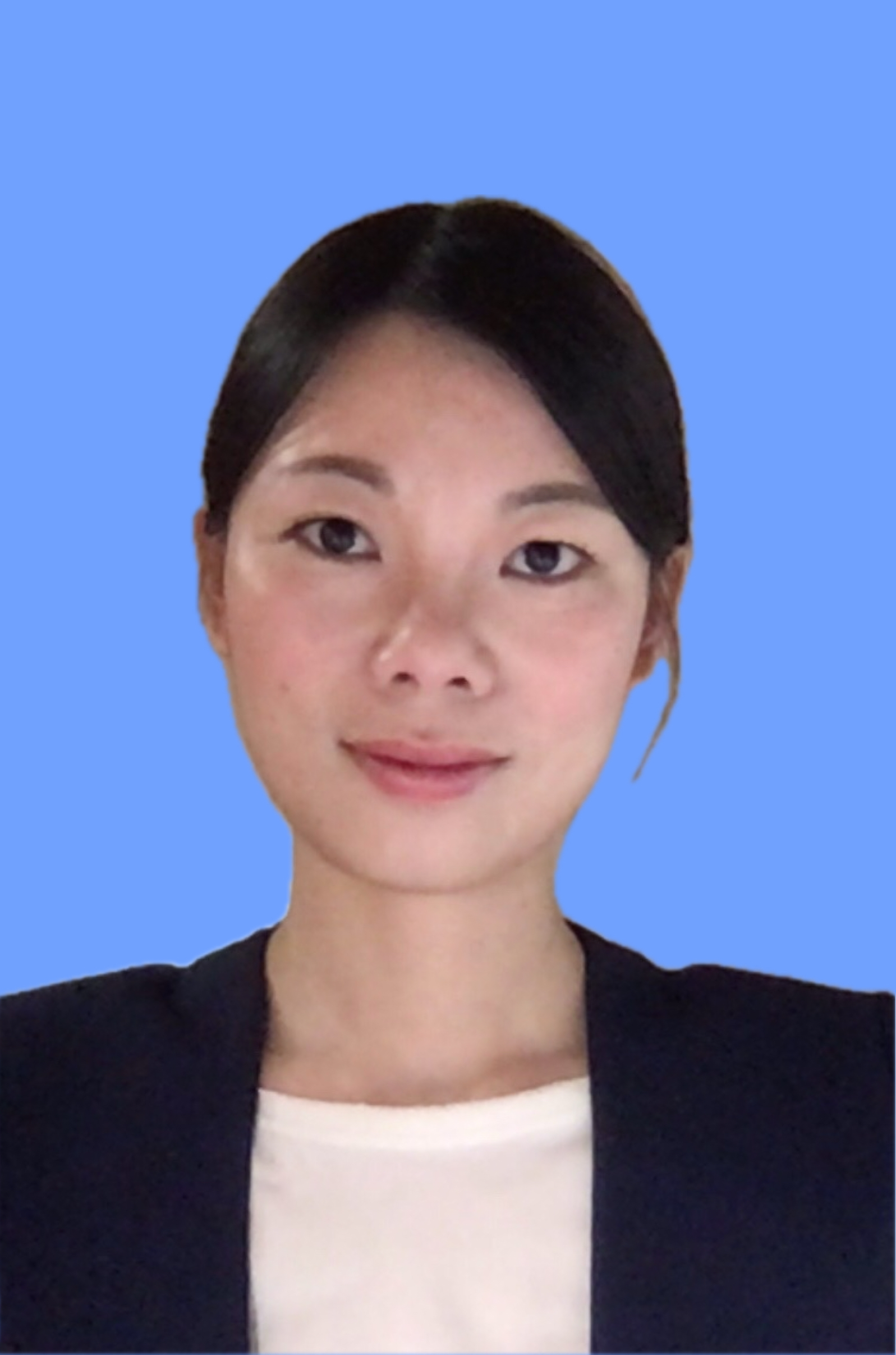
Professor Beiyu Lin joined UW Bioengineering in June as an assistant teaching professor, after a national search for the department’s first faculty position explicitly focused on AI in bioengineering education. Her work bridges generative AI and data science with applications in smart health, digital health, and urban science, with funding from sponsors like Google and the National Science Foundation.
At UW, Lin will develop new undergraduate and graduate learning experiences that integrate AI with core bioengineering principles. Her work will emphasize responsible AI, focusing on transparency, interpretability, fairness, and trustworthy deployment in healthcare and biological systems.
“Professor Lin is an exceptional educator who understands that AI belongs inside bioengineering,” said Department Chair Princess Imoukhuede. “Future bioengineers will need real fluency in AI – in fact, they already do – Professor Lin will help our students use these tools responsibly and connect them to the problems they came here to solve, from imaging and devices to digital health and new therapies. This is exactly the kind of hands-on experience our students are hungry for. ”
“I am excited to join UW Bioengineering at a time when AI is creating new opportunities across healthcare and biotechnology,” said Lin. “My goal is to help students build both the technical expertise and critical thinking skills needed to use these technologies thoughtfully, responsibly, and creatively.”
Previously an assistant professor of instruction in the Department of Computer Science at the University of Texas Dallas, Lin also taught at the University of Oklahoma and the University of Nevada Las Vegas. She began her teaching life as an instructor for Black Girls Code and as a Google Summer of Code mentor. She also secured funding from Google’s exploreCSR program to support undergraduates pursuing computing research.
Lin served as a guest editor for the journal Urban Science and was co-principal investigator on a U.S. Air Force SBIR Phase I award. She earned the Best Applied Data Science Paper Award at the Society for Industrial and Applied Mathematics’ International Conference on Data Mining and the People’s Choice Award at IEEE Rising Stars.

Professor Lara Gamble has been re-appointed director of the UW Molecular Analysis Facility (MAF). Gamble was originally named director of the MAF in 2018. She also serves as chair of the publications committee for AVS, an interdisciplinary professional society focused on materials, interfaces, and processing.
The MAF’s extensive microscopy, spectroscopy, and surface science capabilities are used by researchers across campus and by researchers at other academic institutions, industry, and government labs.
The MAF is part of the National Science Foundation’s National Nanotechnology Coordinated Infrastructure. It is supported by the UW Provost Office, as well as UW’s Molecular Engineering & Sciences Institute and Clean Energy Institute.