The history of chocolate probably started in Mexico, where the tropical climate favoured the growth of the plant it derives from, and the first people to begin cultivating it were the Maya, who were accustomed to use it to prepare a not-very-pleasant and very bitter drink, but one which was considered to be appreciated by the gods, and to which chilli pepper, spices and flowers were often added.
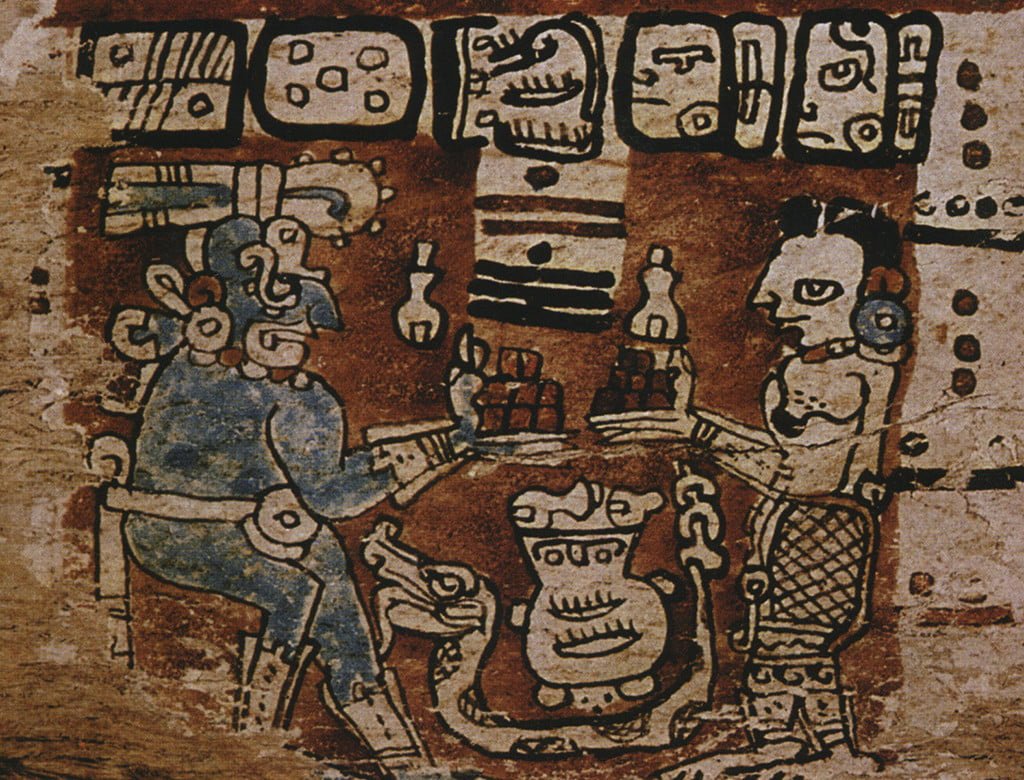
It was the botanist Linnaeus who, on becoming aware of this usage, decided to give this plant species the name Theobroma cacao, literally meaning ‘food of the gods’.
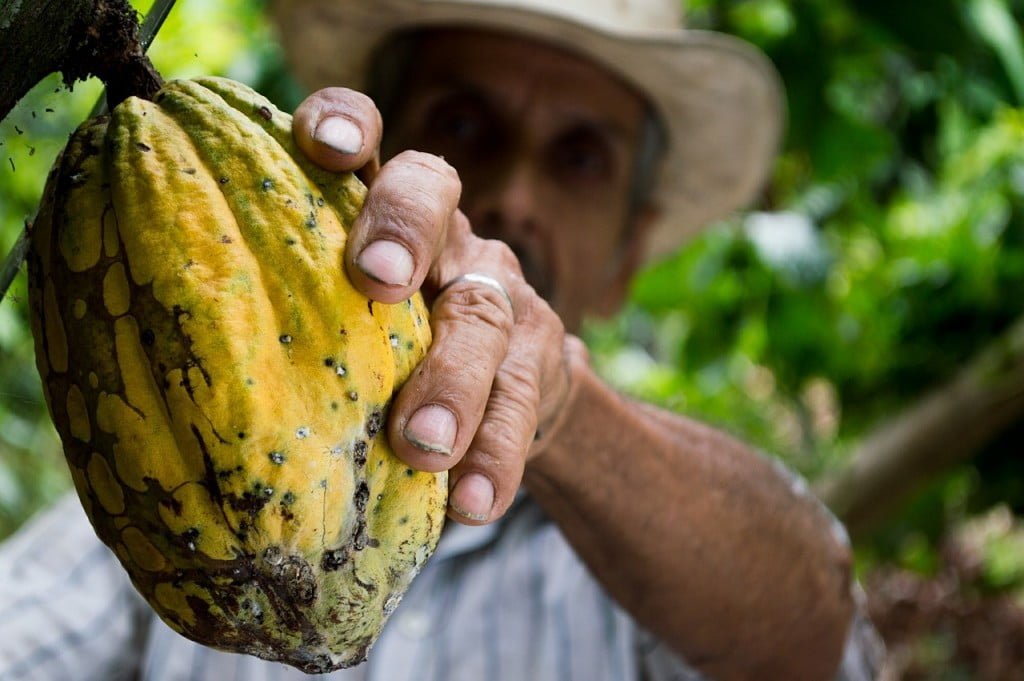
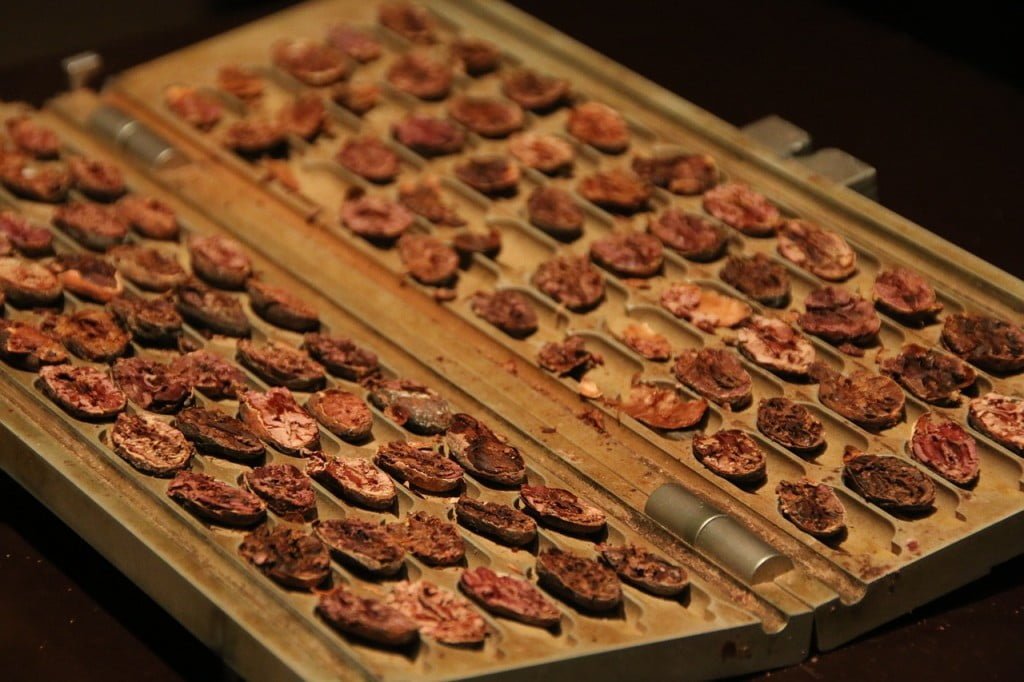
The term chocolate today refers to the food deriving from processing of the seeds (beans) to be found in the fruits of the cocoa tree. These fruits, known as pods, have an appearance vaguely reminiscent of an elongated melon, with a shell (very difficult to open) that can be yellow, red or brown. The precious cocoa beans are contained inside these – so precious that they were at one time even used as a currency for trade – and chocolate, a food much-loved by both adults and children alike, is obtained from their processing.
In recent years cocoa and its derivatives have been the subject of studies by countless researchers and various analyses have shown that its seeds are an important source of antioxidants, thus reinforcing the idea that in the context of a varied diet, chocolate can contribute significantly to preventing diseases.
In short, we can say that, thanks to the many substances it contains, the consumption of chocolate has positive effects on cholesterol and on the cardiovascular system in general, that it boosts the immune system and slows down cell ageing, stimulates concentration and favours good moods; it also appears to have a positive effect in the prevention of tooth decay.
Contrary to what most people believe, chocolate has a relatively low glycaemic index, meaning that, when ingested, the blood sugar level rises less quickly than after the consumption of other foods based on sugar or on easily-digestible starch.
It is important, however, to stress two aspects: firstly, studies have confirmed that to be of benefit to health, chocolate must be strictly of the dark variety and of good quality: the second aspect that should not be ignored is that evaluations are based on moderate consumptions of chocolate.
Unfortunately, most consumers tend also to use the term “chocolate” to mean products that cannot actually boast any of the above-mentioned properties and that, in many cases, can even contribute to worsening the quality of our diet, if consumed in excess.
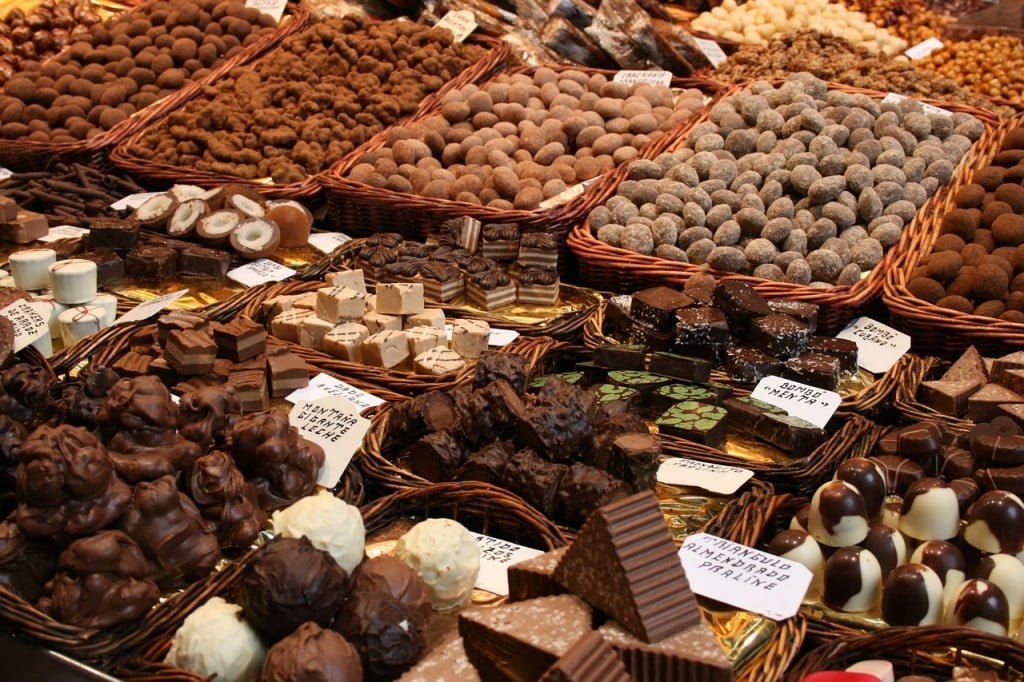
It is therefore essential to read the labels on the products and check the percentage of cocoa they contain: a significant presence of the substances that have positive effects on our body can be guaranteed only in dark chocolate with at least 70% cocoa.
When reading the ingredients you should check the presence of cocoa butter (and not other fats of vegetable origin), sugar and flavourings (these are often vanilla – better natural and not synthetic). For those of you who may appreciate them, today there are also products flavoured with spices (chillies, pepper or cinnamon), flowers, mint, citrus fruits and coffee.
Dr. Elena Piovanelli, dietician
]]>Cereals are the grains obtained from the heads of various plants, and for thousands of years they have comprised the basis of the human diet, as they represent the perfect source of energy – carbohydrates.
They are consumed on all five continents, but indifferent ways and forms: they are mostly presented as “grain” (rice, spelt, barley, etc.) or as “derivatives”.
By this latter term, we mean the products obtained from their transformation and from the processing of their flours (bread, pasta, polenta, couscous, bulgour, etc.).
However, there are derivatives that do not fit into this classification, since they are foods that, after undergoing processing, have completely different characteristics from the cereal they derive from. For example, rice or oat drinks are consumed as a substitute for cow’s milk, or seitan (a high-protein product obtained from the processing of wheat) must be considered as an alternative to meat dishes.
There are cereals better-known to consumers that are more likely to appear on our tables, such as wheat, rice and maize.

Nei paesi occidentali è il frumento il più consumato, soprattutto sotto forma di derivati: il grano duro viene utilizzato per la produzione di pasta alimentare (ma anche di alcuni tipi di pane), e il grano tenero per la produzione di pane, prodotti da forno e dolci.
Wheat is the one most consumed in Western countries, especially in derivative form: durum wheat is used to produce pasta (and also some types of bread) and soft wheat for producing bread, bakery products and cakes and pastries.
Pseudo cereals, in fact, have a better nutritional composition than cereals since, as well as carbohydrates, they also contain high-quality proteins; wheat, maize and rice contain less and of inferior quality.
Buckwheat originates from China, and its flour is the basic ingredient for preparing Taragna polenta and Pizzocheri, but it can also be eaten in its grain-form for preparing both thick and light soups.
There are also less well-known cereals – oats, spelt, kamut, millet, barley and rye – which have nevertheless started to appear more regularly in large-scale food distribution and in our diets over recent years.
And finally, we have a category of foods that, from a botanical point of view, do not belong to the family of cereals (graminaceous plants), but which have nutritional characteristics similar to them and are therefore defined as “pseudo cereals” – buckwheat, quinoa and amaranth.
Quinoa is a plant that typically figures in the diet of the Andean populations and, most surprisingly, it belongs to the spinach and beetroot family. It produces an ear from which small round grains are obtained, similar to those of millet but flatter, and full of flavour; they can be prepared in the same way as all other cereal grains.
Amaranth is typical food of Central America and is dark red in colour, with very small seeds. When cooked it forms a gelatinous mass, which is why it is not usually used alone, but added to other cereals if one wants to increase the food’s nutritional value.
In planning our weekly menus, we should avoid being monotonous and vary our diets as much as possible, inserting different types of cereals and derivatives and favouring the consumption of wholegrain cereals (in grain form or as derivatives); these are an excellent source of fibre, vitamins (Group B vitamins and Vitamin E) and minerals (zinc, magnesium, selenium, etc.) – essential nutrients for all the bodily functions and to maintain a good state of health.

On the other hand, consumption of refined cereals should be limited; unlike wholegrains, these undergo a series of processings during which they are drained of most of their micro-nutrients.
Important: read the product labels carefully, and don’t judge a food simply by its colour. The colour brown is automatically associated with anything wholegrain, but this is not always the case, because there are also refined foods on the market that have bran added to them and these should absolutely not be confused with wholegrain cereal.
Dr. Elena Piovanelli, dietician
L'articolo What to eat for breakfast sembra essere il primo su Alinor.
]]>In order to define a diet as “correct”, there are many factors to take into consideration. In spite of the increased awareness Italians now have regarding the importance of choosing the right foods to promote one’s state of health, there is still little attention paid to the time of day when meals are eaten and to the right distribution of foods during the day.
Consider this: over the last ten years in Italy the number of people who regularly eat breakfast has unfortunately decreased, and the number of those who omit it – the “breakfast skippers” – has almost doubled, going up from 8% to 14%.
This is the overview of the situation recorded in research by Aidepi/Doxa, from which some interesting data nevertheless also emerge: attention to food characteristics is growing and many consumers are interested in low-calorie foods and those with reduced fat content; almost all Italian women (91%) especially in the North eat breakfast regularly and strictly in the home.

The reasons why we tend to skip breakfast are many and varied: a lot of people give their reason as not having time to eat it, while others prefer to have a mid-morning snack or a more plentiful lunch, and some say they find it difficult to eat first thing in the morning.
If we try to understand why children do not have breakfast, we discover that this may be influenced by two other bad habits:
– going to bed too late: consequently, children cannot wake up in time to have breakfast, or they have no appetite;
– snacking in the evening: the body slows down all its activities in the evening, and excesses will therefore be di digested with less difficulty, favouring a lack of appetite in the early hours of the following morning.
Specialists agree that “breakfast is an essential meal for the correct functioning of the body”, and there are many studies that have investigated the damaged caused by fasting:
– those who do not eat breakfast have greater difficulty in concentration, attention and learning, which thus affects academic performance of children and adolescents;
– if it lacks energy the body’s systems break down, and this may cause unpleasant sensations such as tiredness, headache, reduced tolerance to stress, irritability and mood swings;
– those who go to school or to work without breakfast have a greater probability of becoming overweight or developing obesity.
There is no “ideal breakfast”; in many countries, right from very early in the morning they eat: omelets, spreadable cheeses, fish, cold pork meats, fried foods, etc., but this does not mean it is necessarily correct to eat these foods.
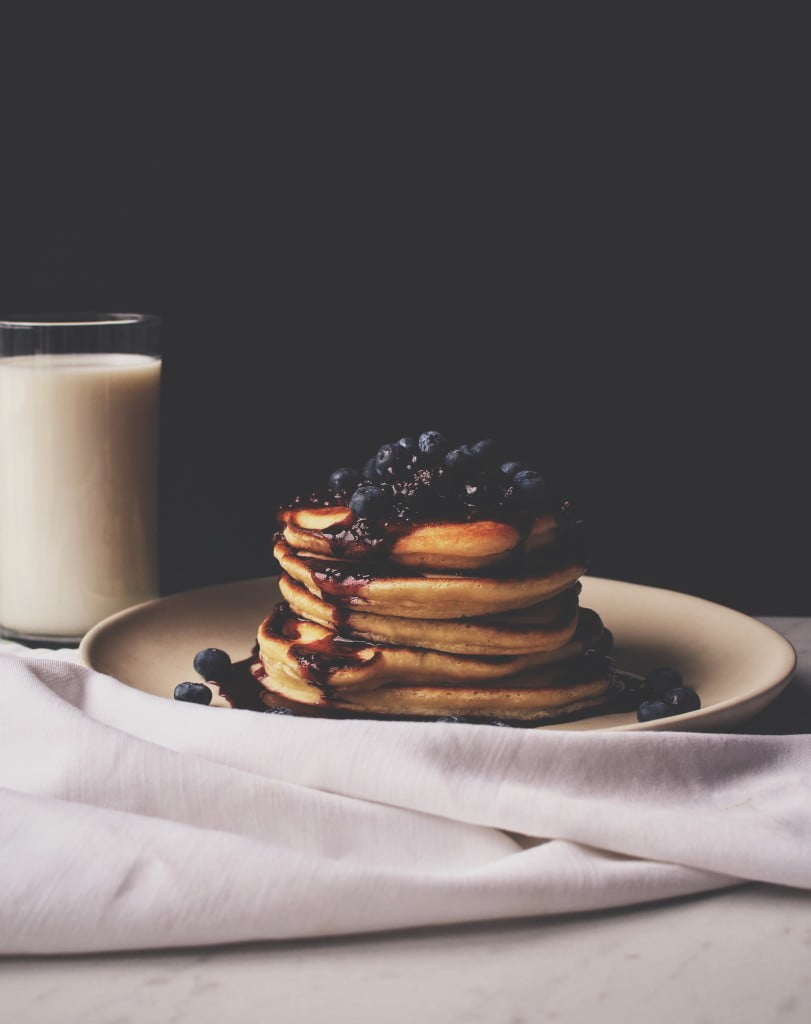
It is important to structure breakfast on the basis of the body’s needs, one’s lifestyle and personal tastes.
A balanced breakfast should include carbohydrates, the main source of energy for the body, especially for the brain (bread, French toasts, cereals, biscuits, cake, etc.) avoiding all products that have too many sugars and fats among their ingredients.
To promote the sense that we have eaten our fill, it is better to consume wholegrain foods (rich in fibre and with a low glycaemic index), or to add seasonal fresh fruit right from the early morning.
For those who do not have a “sweet tooth” and have a heavy day ahead of them, we also have positive confirmation about high protein foods: these can be consumed first thing in the morning, since they promote a sensation of being full and can play a positive part in controlling glycaemia. But in this case, too, it is a good idea to choose foods that are low in fats, such as yogurt, ricotta, eggs, bresaola, etc.
For those who carry out a sporting activity or heavy work in the morning, consuming a portion of fats – walnuts, almonds, seeds, spreads, etc. – may be advisable.
It is essential to hydrate oneself correctly right from the start of the day by consuming: a large cup of milk or vegetable drinks (soy, oat, etc.), tea or warm tisanes, squeezed fresh fruit or juices, or water.
Haste is the real enemy here: setting the alarm a few minutes early, or laying the table on the previous evening can be useful tips for those who find it hard to devote the right amount of time to this meal – at least 15-20 minutes.

If possible it’s better to eat in company with others: this is especially important for children who must not consider this meal to be optional, so avoid resorting to a takeaway breakfast eaten in the car or on the bus.
And for all those who appreciate a nice cup of coffee first thing in the morning, I would advise consuming it on a full stomach.
Dr. Elena Piovanelli, dietician
L'articolo What to eat for breakfast sembra essere il primo su Alinor.
]]>L'articolo Dietician’s word sembra essere il primo su Alinor.
]]>“The food we eat and the way we eat it influence our state of health, and this is why I attach great importance to my work, which consists mainly of educating people into following a correct diet”.
My name’s Elena: I’m a dietician with a Master’s degree in Vegetarian Diets and I carry out my main activity in Crema, where I have a surgery. For many years I’ve been occupied in Food Education projects aimed at both children and adults.
During 2015 I had the pleasure of representing dieticians in the “Health Food with Taste” project, working alongside chefs in show-cooking events staged in various prestigious venues, with the aim of promoting good food practice. Venues included: Rinascente in Milan, Palazzo Ducale in Sabbioneta, Castello Sforzesco in Milan, and Milan trade-fairs “HOST”, “HOMI” and “TUTTO FOOD”.
Over recent years, I’ve also been broadening my knowledge regarding sustainable diets, because eating well today doesn’t only mean consuming elements that are important for our physical and psychological well-being, but also choosing products that are good for the world.
My motto is: “all human-beings know how to eat, but few know how to nourish themselves”.
If you would like further information about my work I recommend that you visit my website
http://www.dietistapiovanelli.com/

L'articolo Dietician’s word sembra essere il primo su Alinor.
]]>