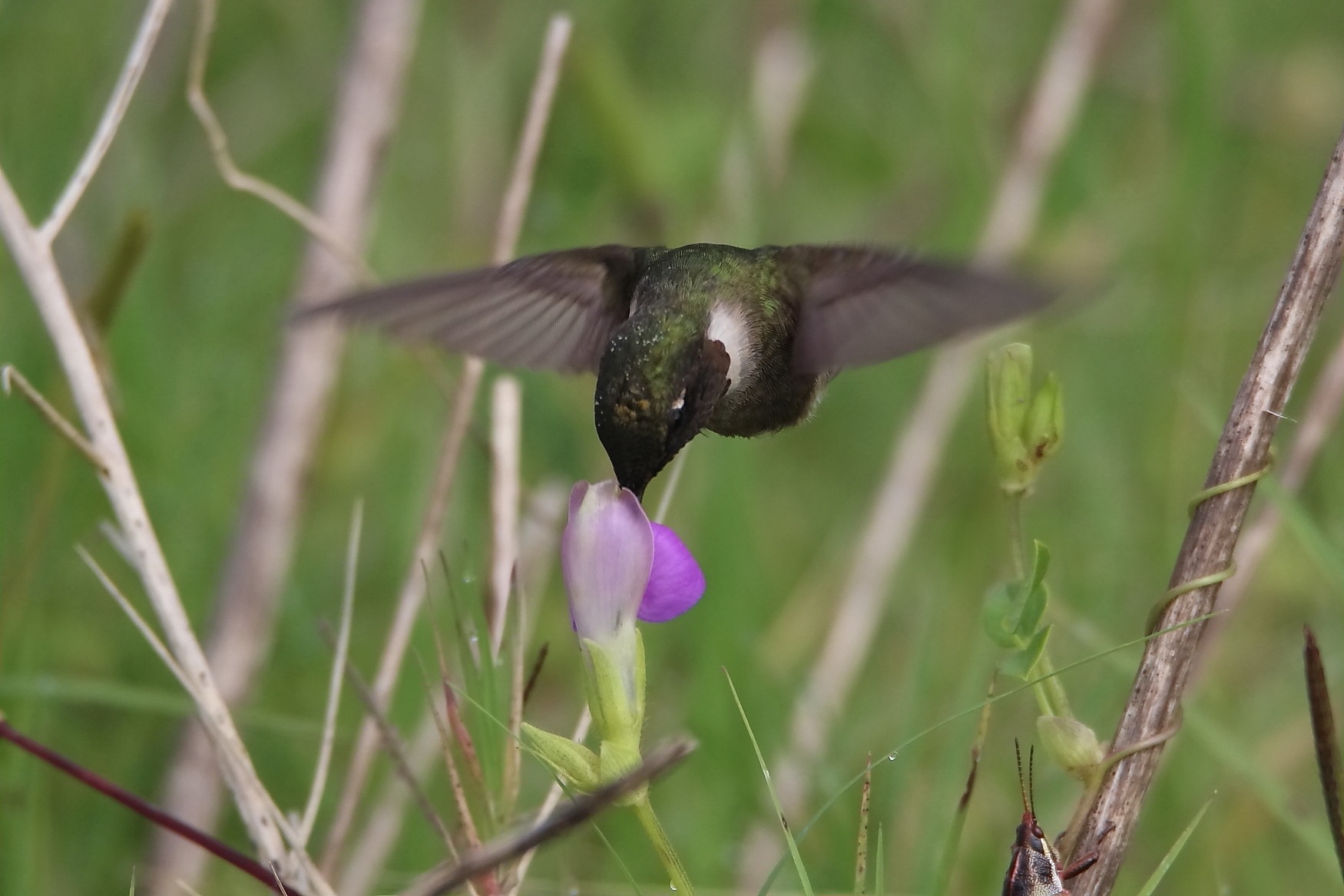
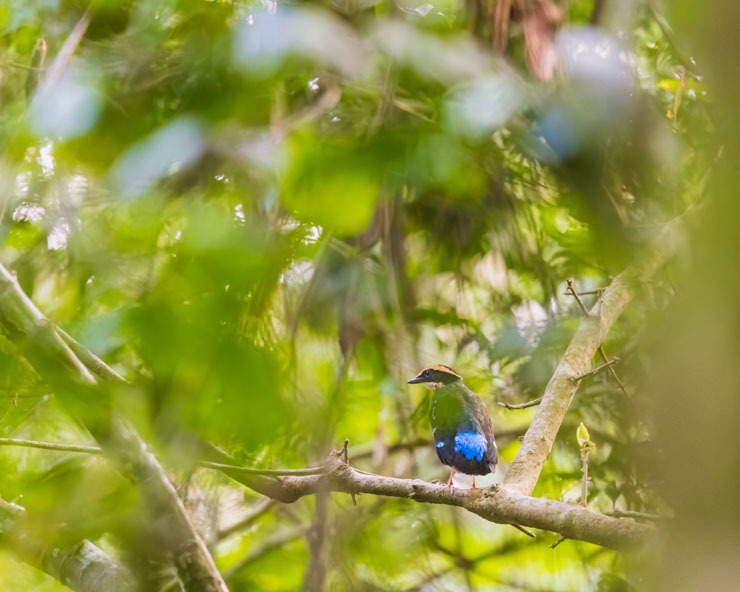
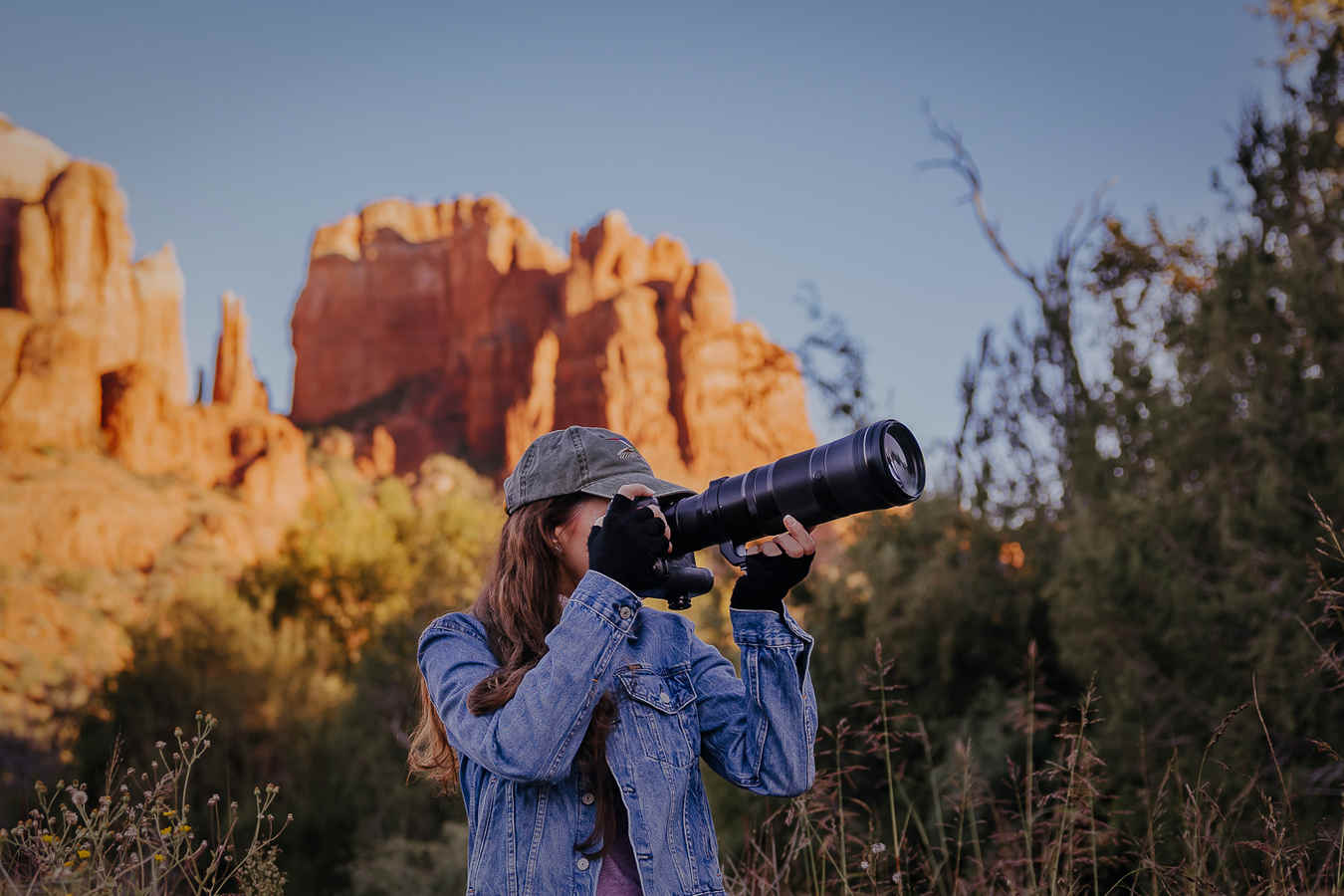
Your Birding History and Future How long have you been a birder, and how did you get into birding? I’ve been around birds for as long as I can remember. My parents introduced me to both fishing and the outdoors, but birds won me over. I’ve also had bird feeders at every home since I was tall enough to refill them, so watching birds has been a constant in my life. At some point, birding moved beyond a hobby and grew into a passion. Photography deepened that connection. The camera gave me a reason to slow down, pay attention to behavior, study light, and appreciate all the little details that can easily be missed when you’re simply walking through a landscape. Has your attitude toward birding changed with time – for example, did it get intense, do you focus on different things now, etc.? Definitely. I think my relationship with birding has grown over time. Early on, there was naturally more of the “What bird is that?” excitement. As my photography developed, I became increasingly interested in behavior, habitat, light, and the story behind the bird. I still love finding a new species, but I don’t feel that every outing has to be about adding another bird to a list. These days, I’m just as happy spending time with a familiar species and observing something I haven’t noticed before. Sometimes the most rewarding birding experience is watching a bird do something unexpected. And photography has taught me patience. The perfect photograph, or sometimes simply the right moment, usually happens when you’re willing to wait and least expect it. What have been the ornithological highlights in your life so far? There have been quite a few, but one of the biggest and most recent highlights has been writing Amazing Hummingbirds You Can Find in Arizona. To me, hummingbirds are extraordinary subjects because they combine incredible beauty with fascinating behavior. Photographing them has given me a much deeper appreciation for the species that visit the southwestern United States. Having the book help turn the spotlight on the International Hummingbird Society, while also receiving a Kirkus Starred Review and winning a 2025 Best Book Award, was especially meaningful. The honors were wonderful, but what I value most is the opportunity to help bring greater attention to hummingbirds and the work being done to understand and protect them. Traveling for birds has also been a major highlight. I’ve enjoyed seeing how different habitats shape the birds and their behavior. And then there are the unexpected moments—like finding myself much closer to a bobcat than I intended or encountering a bear when I would have preferred a considerably greater distance. Those encounters certainly become part of the birding stories you remember! What are your plans for the next few years, as related to birding? For example, trips planned? I’ll continue exploring the southwestern United States and the broader Americas, particularly places with exceptional bird and hummingbird diversity. There are still so many species and habitats I want to photograph. I’m also interested in continuing to combine photography, writing, and conservation into another book. I enjoy telling the story of a bird – not just showing a beautiful photograph, but helping people understand its behavior, habitat, and why protecting those places matters. If you had to make a living off birding, what kind of activity would you try? I suppose I’ve managed to turn parts of birding into a second career through the book, speaking, and exhibits. If I had to choose one thing, though, I’d probably combine photography and writing. A long-term goal is to spend more time documenting birds in different parts of the world and turning those experiences into stories, books, articles, and educational material. I’m also thankful for the people side of birding. Joining small groups or leading specialized photography field trips is appealing because you get to share the experience rather than simply photograph it yourself. Your Life as a Non-Birder What do you do for work? My professional life is probably a little unusual for a birder. I’m an aerospace engineer, business strategist, author, photographer, and licensed pilot. I’ve spent over 27 years working across aerospace, defense and space, technology, finance, engineering, behavioral health, and nature and wildlife. Much of my work has involved strategic planning, technology development, partnerships, capital funding, acquisitions, and helping organizations navigate complicated business challenges. At the same time, photography and writing have become important parts of my professional life. I’ve written five books, and my photography has appeared in publications, museums, books, magazines, and in the media. Is there any link between your work and birds/birding? There’s probably more of a connection than might initially appear. Engineering and strategic planning have taught me to observe carefully, analyze systems, solve problems, and think several steps ahead. Those skills are surprisingly useful in wildlife and nature photography. Photography also requires a combination of technical knowledge and creativity. You can understand every setting on your camera, but that doesn’t guarantee a meaningful photograph. You still have to recognize the moment. And my aviation background has certainly influenced my appreciation for landscape, geography, weather, and habitat. Flying gives you a very different perspective on the places birds live. What’s your favorite thing to do outside of birding? Photography is probably the obvious answer, although for me it’s closely connected to birding and gardening. I also enjoy hiking, flying, and exploring new places. I particularly enjoy being outdoors without necessarily having a rigid agenda. Some of my favorite experiences happen when you set out looking for one thing and end up discovering something completely different. How does your personal environment regard your interest in birds and birding? I’m fortunate that my husband enjoys birding, nature, and hiking too. That makes it easier when I disappear outside with a camera! On the days when I head out for a longer birding adventure, he often has a golf tee time waiting, so we’ve developed a good system. We also have two...

We asked several of our writers the same questions. Here are the answers to the one above. — Anything involving crowded places or long transfers usually annoys me, but I put up with much more than I would normally do when birding. Malaria and seasickness, for example, put a damper on the working day, but hardly affect a day’s birding. Funny how that works (Peter Penning). — Unpleasant experiences while birdwatching are—thank goodness—rare. But they do happen: there was a guest over eighty years old who collapsed in the heat and had to be carried out of a former training ground. Since then, I have made sure my guests drink regularly. Another unpleasant episode, in retrospect, was the fact that—while we were acting as volunteer wardens for a small seabird island on the Baltic coast of the GDR (East Germany)—we were being eavesdropped on by a combat diver from the East German Navy, acting on orders from the Stasi (East Germany’s secret police). It was only after German reunification that a colleague—who also volunteered on the island and had applied to emigrate to West Germany during the socialist era—learned that we volunteers had been spied on by this combat diver while sitting around the campfire in the dark. The bird island was located on the Baltic coast, which was a border zone. The combat diver was lucky, given that after a few beers by the campfire, we didn’t always walk all the way to the toilet… (Rolf Nessing). — This is a tough one, but ignorant and inconsiderate birders and increasingly photographers who don’t have the bird’s interests at heart are unpleasant. Too many new photographers are just interested in getting the shot and the likes on social media (John Hague). — A long morning involving heavy rain, mud, and mosquitoes, while the bird I had come to see remained completely uncooperative. The bird stayed dry, which somehow made it worse (Fitzroy Rampersand). — I had a couple of experiences with criminal elements while birding; I survived (clearly), but in the situations it was very touch-and-go. Both instances happened on consecutive days, with the same client, seeking the same species: White-tailed Goldenthroat (Faraaz Abdool) — Getting in the worst rain I ever experienced in the middle of the Norwegian tundra, with no shelter in sight. Hiked through it for hours; all my clothes were soaking wet, pants ripped from the weight, water overflowing out of my rubber boots, all my optics (scope, binoculars, camera) fogged up from the inside. Took more than a week to dry out again. 0/10, would not recommend (Jochen Roeder) — Lucky for me, I have not had any unpleasant experiences (yet) while birding. There have been some wasp stings, mosquito bites, sweaty weather, rainy weather, and talkative fellow birders, but that is part of the deal (Mary Alice Hayward). — Flash floods near Eilat. There is only one road leading north, and if that road is closed, the city is cut off from the rest of the country. That was two days before my return flight from Tel Aviv (Peter Hinow). — In March of 2023, I took a month-long birding trip to South India organized by an American man who invited a variety of, as it turned out, random people. It was indeed a birding trip and advertised as such with a great supporting itinerary. We had an excellent guide who I had birded with before in North India. I knew only 2 others in a group of eleven. On the first half of the trip, a bunch of things happened to cause a variety of unpleasantries that most trips will have of one sort or another. As the first part of the trip came to an end, and just prior to the extension to the Andaman Islands, one of the trip participants announced one morning at breakfast, “I really don’t get this whole birding thing.” Clearly not something a birder would ever say. After this, and as we headed off to the Andaman Islands, the group dwindled down to 5 participants—the trip organizer, his wife, and this married couple that included the woman who made the pronouncement of “I really don’t understand this whole birding thing.” I was the participant bringing up the rear. From then on, and it is impossible to explain and write all of the behaviors here, this married couple staged a coup d’etat so complete that the trip turned into chaos. They demanded hotel changes, different locations, different activities, and were the ugliest Americans I have ever experienced in my life. I felt very bad for our field guide, who did his best to hold things together. I supported him as much as I could, but let’s face it, there wasn’t much I could do. He said to me, more than once, “In my 20 years of guiding, I have never had clients like this.” I knew he was telling the truth. There are times when I think I would like to return to India to bird the very northern parts of the country with this same guide. But then I remember this 2023 trip, and it sends shivers down my spine (Catherine Carroll) — It would be easy to say that being charged by a bull elephant while on foot in Okavango was the most unpleasant, but looking back it was really rather more exciting than unpleasant. There are a few other contenders for most unpleasant experience, but the winner has to be the time when drunken thugs decided to chase the vehicle I was driving during a 24-hour bird race in Kent. It was shortly before midnight, and we were travelling in our BMW 325i to our first destination when the erratically driven Yugo (a nasty, cheap car that sold briefly in the UK) appeared in my rear-view mirror. The driver of the Yugo tried to get ahead of us and force us off the road; it failed, but did pursue us all the way to Canterbury...